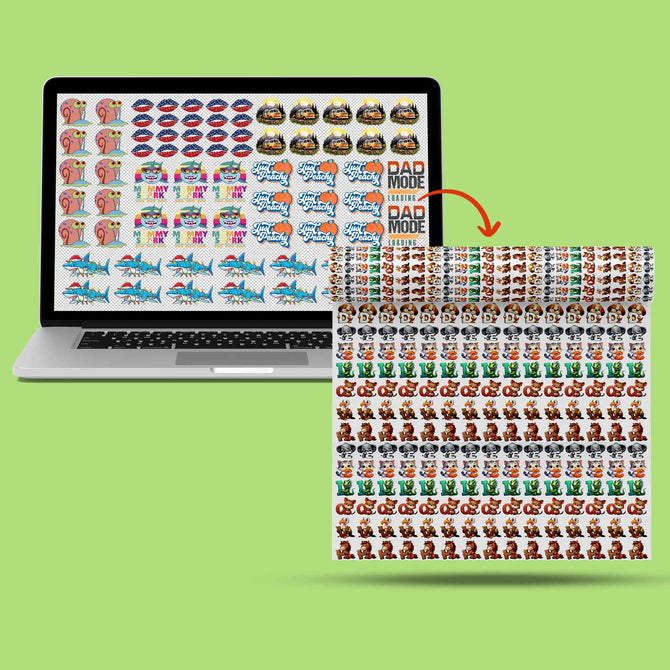
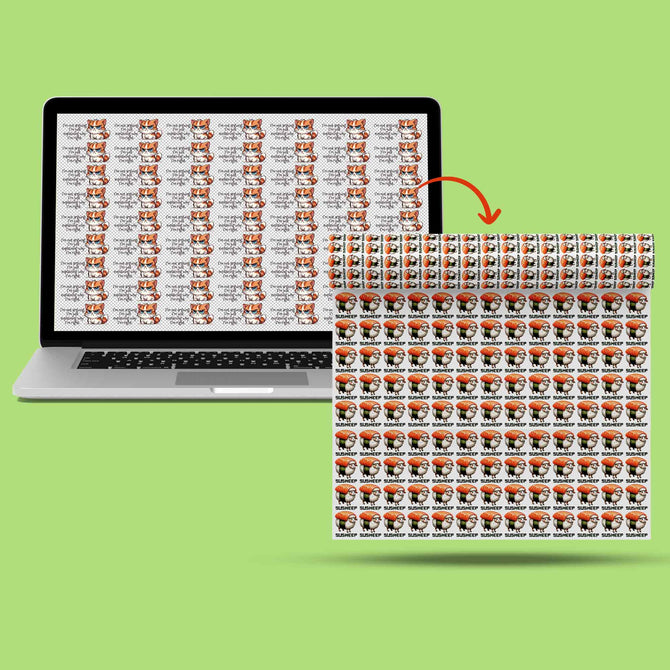
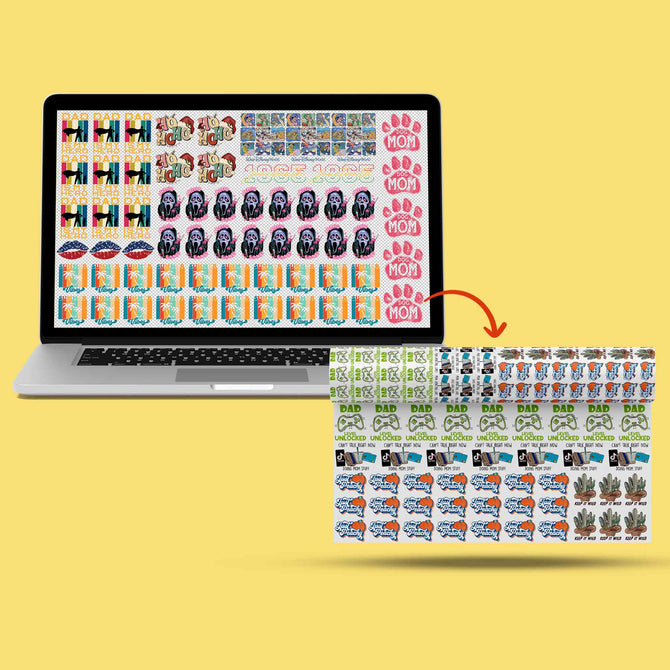


UV DTF Transfers: Expanding Your Catalog Beyond Apparel

For years, the apparel decoration industry faced a hard limit: the substrate. If you couldn't fit an item under a heat press, you couldn't brand it. While standard DTF revolutionized fabric decoration, a new frontier now allows decorators to apply high-fidelity, industrial-grade graphics to almost any hard surface without heat or specialized coatings.
UV DTF transfers represent the "all-terrain" solution for the modern print shop. In the Lone Star State—where corporate gifting, custom ranch gear, and personalized drinkware are staple markets—adding UV DTF to your catalog serves as a vital diversification strategy. Whether you brand stainless steel tumblers in Houston or custom electronics in Austin, this technology lets you move beyond the t-shirt rack and into every corner of your customer's life.
What is UV DTF and How Does it Differ from Standard DTF?
The results may look similar, but the chemistry behind uv dtf sticker printing differs fundamentally from apparel-based DTF.
The Chemistry of the Cure
Standard DTF uses water-based pigmented inks that require a TPU adhesive powder and heat to bond. In contrast, UV DTF utilize UV-curable inks. As the printer lays down the ink, high-intensity ultraviolet light cures it instantly, transforming the liquid into a solid, durable film.
The Two-Film System
Unlike the single-film process of apparel DTF, UV DTF utilizes a specialized dual-film system:
- Film A (The Base): Contains the adhesive layer and receives the ink and varnish.
- Film B (The Transfer): Acts as the carrier sheet (lamination) that picks up the cured ink and facilitates application to the final surface.
UV DTF vs. Permanent Vinyl: Why Pros Are Switching
Most professionals first ask why they should replace their vinyl cutter with uv dtf transfers. The industrial advantage lies in the complexity and labor costs.
| Feature | Permanent Vinyl (Cricut/Oracal) | UV DTF Transfers |
| Complexity | Limited to 1-3 layered colors | Full Color + White + Varnish |
| Fine Detail | High risk of "weeding" errors | Captures microscopic detail |
| Durability | Prone to edge-lifting | Superior chemical bond |
| Texture | Flat | 3D Embossed / Raised feel |
| Production Speed | Slow (Manual weeding) | Fast (Peel and stick) |
By switching to UV DTF, you eliminate the weeding process entirely. This allows your shop to handle intricate logos that are physically impossible to execute with traditional vinyl.
Top High-Margin Products: Beyond the T-Shirt
Expanding your catalog with custom uv dtf wraps allows you to tap into markets with significantly higher profit-per-square-inch than standard apparel.
- Drinkware (The Texas Staple): Brand everything from 40oz stainless steel tumblers to 16oz Libbey glasses. The varnish layer creates a 3D, "raised" feel that mimics expensive direct-to-object printing.
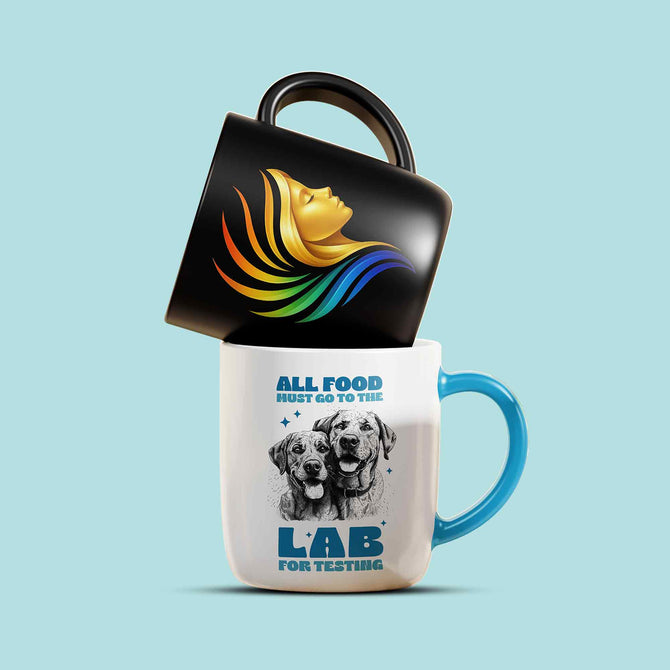
- Ceramics and Glass: Customize mugs, plates, and candle jars without the need for sublimation coatings. UV DTF bonds directly to non-porous surfaces with a high-gloss finish.
- Industrial Labeling: Move into B2B sectors by providing durable labeling for equipment, toolboxes, and hard hats. UV DTF resists oils, chemicals, and abrasion better than standard paper or vinyl stickers.
Application Guide: The Professional 4-Step Process
Achieve professional success by focusing on prep and pressure. Follow these steps to ensure a permanent bond:
- CLEAN the Surface: Use 91% Isopropyl Alcohol to remove oils, fingerprints, and dust. Even trace amounts of skin oil compromise the adhesive bond.
- ALIGN the Graphic: You cannot "re-press" a UV DTF wrap. Once the adhesive touches the surface, it begins to bond. For curved surfaces, use the "hinge method" with masking tape to ensure perfect placement.
- APPLY Pressure: Work from the center outward using a felt-tip squeegee. Apply firm, consistent pressure to activate the adhesive and force out any air bubbles.
- PEEL Slowly: Remove the carrier sheet (Film B) at a flat, 180-degree angle. If any part of the graphic lifts, lay it back down and apply more pressure before continuing.
Durability: What Your Customers Need to Know
While UV DTF is incredibly durable, you must manage customer expectations regarding longevity and care.
- Scratch Resistance: The varnish layer protects the graphic from daily wear. It resists scratches far better than standard vinyl.
- UV Stability: Because UV light cures the ink, it naturally resists fading from sunlight, making it ideal for gear used outdoors.
- Dishwasher Safety: UV DTF can survive many dishwasher cycles. However, high-heat drying and harsh detergents can eventually weaken the bond.
- Iris DTF Pro-Tip: Always market your UV DTF products as "Hand Wash Recommended." This protects your brand's reputation and ensures the graphic lasts for the life of the product.
Scaling Your Business: The "Bundle" Strategy
Become a "One-Stop Shop" for Texas businesses by integrating UV DTF into your workflow. When a local sports team orders 100 hoodies, use the same high-resolution artwork to offer a "Spirit Bundle" including custom water bottles and helmet stickers.
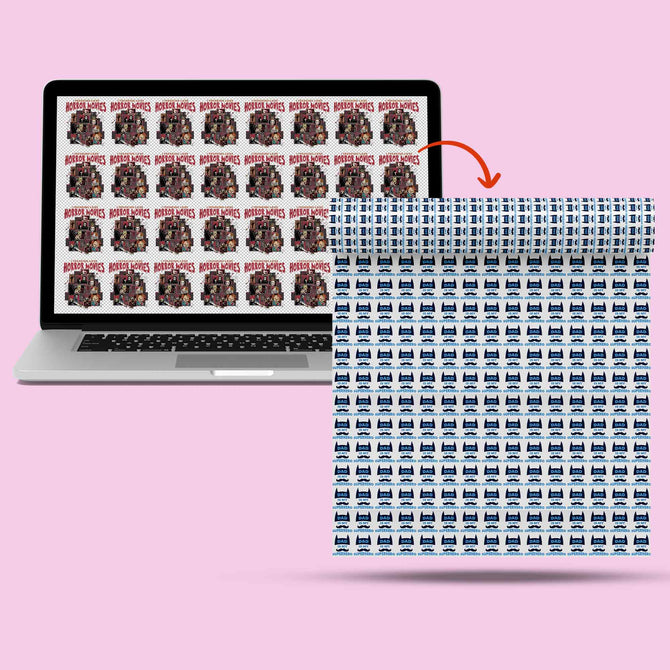
Since you already have the art prepared, creating the UV DTF layout takes minutes, yet it can double your total order value. Furthermore, because UV DTF requires no heat press, you can run apparel and hard-goods production in parallel, maximizing your shop's hourly revenue.
UV DTF transfers have removed the final barrier for decorators. You are no longer limited by fabric or heat. From the boardroom to the construction site, the ability to apply vibrant, 3D graphics to hard surfaces opens a world of high-margin opportunities.
Stop turning down orders for gear—start sticking and start growing.
Ready to see the 3D difference on your products? Shop Iris DTF’s Custom UV DTF and expand your brand beyond the hanger today.
FAQ: UV DTF Transfers
1. Can I use UV DTF Transfers on fabric?
No. UV DTF adhesive targets non-porous hard surfaces. It will not bond to fabric fibers and will crack if the garment is folded. Stick with standard apparel DTF for clothing.
2. How long does the bond take to fully "set"?
While the bond is instant, the adhesive continues to strengthen over 24 to 48 hours. Advise customers to wait two days before the first wash.
3. Do I need to buy a UV printer?
You can, but you don't have to. You can order custom uv dtf wraps directly from Iris DTF and apply them with zero equipment investment, allowing you to test the market before buying machinery.