
Printing on Performance Fabrics: Solving Dye Migration in DTF on Nylon

In the 2026 activewear market, premium brands demand flawless results on high-stretch synthetics. However, DTF on Nylon, Spandex, and Lycra blends presents a critical hurdle: dye migration.
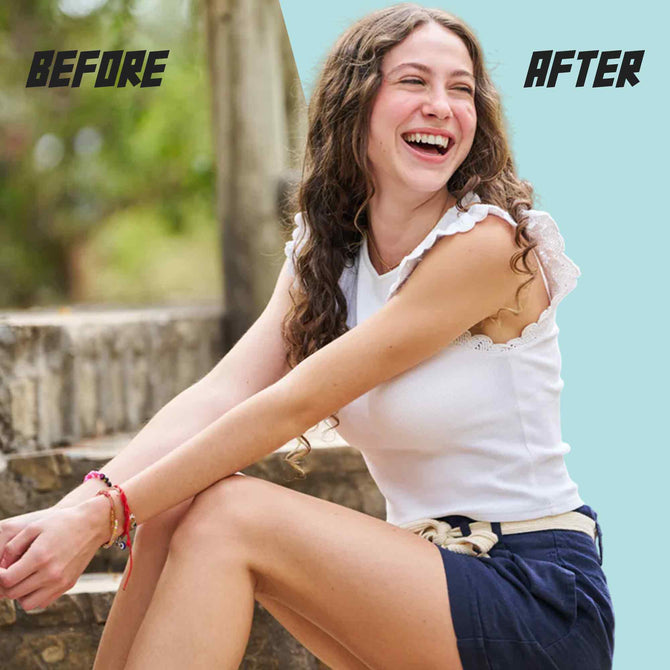
Dye migration occurs when the fabric’s dye gasifies and leeches into your ink, turning a crisp white logo into a dull grey or pink disaster. To protect your brand's reputation, you must create a thermal and physical barrier between the synthetic fibers and your design. This guide provides the technical roadmap to stop the bleed.
The Science: What Triggers Dye Migration?
Heat triggers dye migration. Nylon and polyester blends use dispersed dyes that become unstable at high temperatures. When you apply a standard heat press (usually 300°F+), these dyes transform into a gas that travels upward through the adhesive and into the DTF ink layer.
This "sublimation tinting" often occurs 24 to 48 hours after pressing. To master DTF on Nylon, you must utilize specialized consumables designed to trap these gases before they reach the surface.
Professional Tools: The Anti-Migration Defense
Stop trying to solve performance fabric issues with standard cotton supplies. You need a specialized toolkit to ensure vibrant, white prints on dark synthetics.
- Anti-Migration (Black) Powder: Our [Charcoal-Infused TPU Powder] acts as a physical trap. The activated carbon particles absorb gaseous dyes, preventing them from contaminating the ink layer.
- High-Elasticity Inks: Performance gear requires 4-way stretch. Use inks designed for flexibility to ensure the print moves with the athlete without cracking.
- Low-Temp Adhesives: Lowering the heat reduces dye activation. Select adhesives that bond at lower thresholds to protect delicate synthetic fibers.
Step-by-Step: The "Low-and-Slow" Pressing Strategy
Success on Nylon and Spandex requires a departure from standard settings. Follow this "Low-and-Slow" protocol to ensure a professional bond.
Step 1: The Moisture Purge
Pre-press the garment for 5 seconds to remove trapped moisture. Use light pressure to avoid "shining" or scorching the delicate Nylon fibers.
Step 2: Temperature Calibration
Lower your heat press to 275°F – 285°F (135°C – 140°C). This specific range provides enough heat for the anti-migration powder to bond without reaching the "gasification point" of the fabric's dye.
Step 3: The Primary Press
Press for 10 to 12 seconds with medium-light pressure. If using cold-peel film, let the garment reach room temperature before peeling to ensure the adhesive has fully gripped the tight synthetic weave.
Troubleshooting & Quality Control
Once the print is cool, stretch the fabric to its limit. The design should expand and snap back into place without fine-line cracking. If it cracks, you are using a standard powder instead of high-stretch TPU.
| Problem | Likely Cause | Immediate Solution |
| Dye Bleeding | High temp or standard powder. | Lower temp to 275°F and use Black Anti-Migration Powder. |
| Shiny "Scorch" Marks | Excessive pressure/heat. | Reduce pressure; use a threadable platen to isolate the print area. |
| Edge Lifting | Cold peel was pulled too early. | Wait for the film to be stone-cold before peeling. |
Performance fabrics require an engineered strategy. By controlling thermal exposure and utilizing carbon-barrier technology, you deliver the durable, high-end results that the 2026 fitness market demands.
Protect your margins and your reputation with our specialized anti-migration transfers. Order Your Performance-Grade Anti-Migration DTF Transfers from Iris DTF Today!
FAQ: DTF on Nylon
Can I use standard white powder on dark Nylon?
You can, but expect dye migration within 48 hours. For high-vibrancy Nylon (red, navy, or neon), always use a dedicated anti-migration barrier.
How do I prevent the heat press from leaving a box on the shirt?
Use a foam heat-press pad or a "pillow" to lift the print area away from the rest of the garment, reducing the contact area of the metal platen.
Are these prints durable for pro-athletes?
When applied with the "Low-and-Slow" method, DTF on Nylon survives 50+ industrial wash cycles. For maximum longevity, advise users to wash in cold water and hang dry.