Heat Transfer Paper vs. DTF: Why it’s Time to Upgrade Your Shop

The custom apparel industry has undergone a massive transformation over the last decade. For many shop owners, the journey began with a simple inkjet printer and a pack of heat transfer paper. It was the accessible, low-cost entry point that allowed thousands of entrepreneurs to start printing T-shirts from their kitchen tables or small studios.
However, as the market for custom goods grows more sophisticated, the limitations of traditional methods are becoming harder to ignore. Today, the conversation has shifted toward a more robust, professional technology: Direct to Film (DTF). If you are still relying on transfer paper to fulfill your customer orders, you may be hitting a ceiling in terms of quality, durability, and profit.
This guide explores the technical and economic realities of heat transfer vs DTF and explains why transitioning to Iris DTF is the logical next step for any shop looking to scale.
Understanding the Legacy: What is Transfer Paper?
To understand why an upgrade is necessary, we must first look at the mechanics of the traditional method. Transfer paper is essentially a carrier sheet coated with a heat-sensitive polymer. When you print a design onto this paper—typically using a standard inkjet or laser printer—the ink sits on top of that polymer layer.
There are generally two types of heat paper:
- Light Paper: Used for white or very light-colored fabrics. The polymer is transparent, meaning only the ink shows up on the shirt.
- Dark Paper: Used for black or dark-colored fabrics. This paper has an opaque white background because inkjet and laser printers cannot print white ink.
While transfer paper is excellent for hobbyists and one-off "gag" shirts, it carries significant baggage for professional use. Because the entire polymer sheet is pressed onto the fabric, it often leaves a visible "window" or border around the design unless it is meticulously contour-cut and weeded. Furthermore, the "hand" (the feel of the print on the fabric) is often stiff, plastic-like, and prone to trapped heat, making the garment uncomfortable for the wearer.
The New Standard: An Introduction to Direct to Film (DTF)
Direct to Film (DTF) is not just a different type of paper; it is an entirely different chemical process. Instead of printing onto a polymer sheet that sits on the fabric, DTF involves printing high-quality pigment inks onto a specialized PET film.
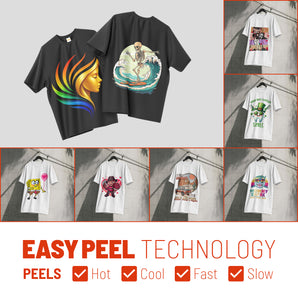
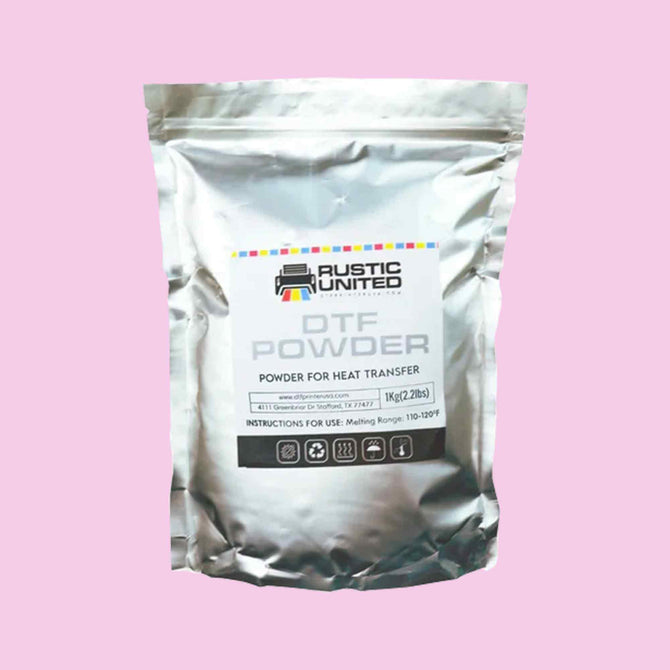
While the ink is still wet, a hot-melt adhesive powder is applied. This powder bonds only to the ink, not the empty spaces of the film. Once cured, the design is transferred to the garment using a heat press. The result is a thin, flexible, and incredibly durable graphic that feels more like a part of the fabric than a sticker sitting on top of it.
Head-to-Head: Heat Transfer vs. DTF
When evaluating heat transfer vs DTF, the differences become clear across three main categories: durability, aesthetics, and labor.
Durability and Washability
The Achilles' heel of heat paper has always been its lifespan. Most inkjet transfers begin to crack or fade after only 10 to 15 wash cycles. The polymer layer is brittle, and as the fabric expands and contracts in the laundry, the print eventually loses its integrity.
In contrast, DTF prints are remarkably resilient. Because the hot-melt adhesive creates a mechanical bond with the fibers of the shirt, DTF transfers can easily withstand 50+ washes without significant cracking or loss of color vibrancy. For a professional shop, this durability is the difference between a one-time customer and a loyal brand advocate.
The "Hand" and Stretchability
If you press a large graphic using dark heat transfer paper, you are essentially creating a "shield" on the customer's chest. It doesn't breathe, it doesn't stretch, and it feels heavy.
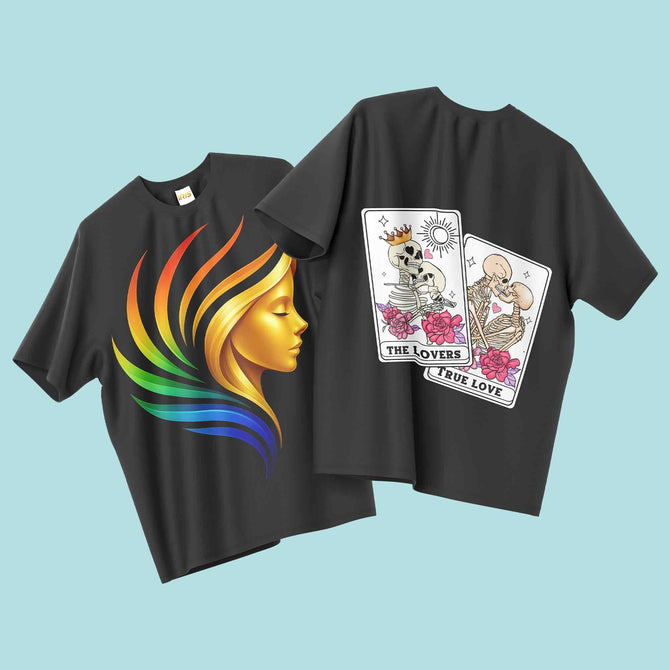
DTF offers a "soft-hand" finish. The ink layer is thin and the adhesive is flexible, meaning the print can stretch with the fabric and return to its original shape without distorting. This makes DTF the superior choice for athletic wear, fitted garments, and high-end retail apparel.
The End of Weeding
Perhaps the greatest advantage of DTF is that it is "self-weeding." With transfer paper, if you have an intricate design with floating text or fine lines, you must either use a vinyl cutter to contour-cut the paper or settle for a visible polymer block around the design.
With DTF, the adhesive only sticks to the printed ink. This allows you to print incredibly complex, fine-line details and "negative space" designs that transfer perfectly to the shirt with zero weeding required. This alone can save a shop hours of manual labor every week.
Fabric Versatility: Breaking the 100% Cotton Barrier
One of the most frustrating aspects of using transfer paper is its finicky relationship with different materials. Most high-quality inkjet papers are designed strictly for 100% cotton. If you attempt to press them onto polyester or nylon, the results are often unpredictable, with poor adhesion or "dye migration" (where the fabric dye bleeds into the print).
DTF is virtually fabric-agnostic. Because the transfer relies on a specialized hot-melt adhesive rather than the absorption properties of the fiber, you can apply DTF transfers to:
- 100% Cotton
- 100% Polyester (without scorching)
- Tri-blends and 50/50 splits
- Nylon and Spandex
- Leather and Canvas
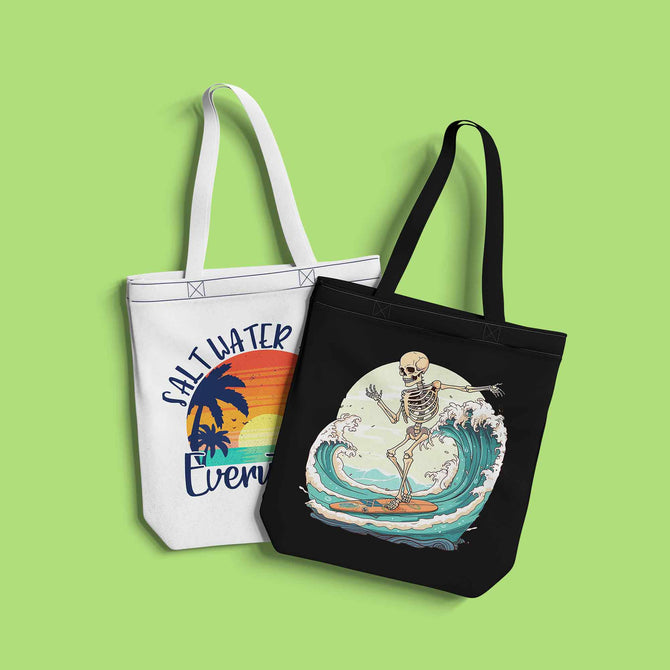
This versatility allows your shop to expand its product line into hoodies, performance jerseys, tote bags, and even hats, all using the same printing system.
The Business Case: ROI and Production Scaling
From a B2B perspective, the move from transfer paper to DTF is an economic decision. While the initial setup for a DTF system is higher than a basic inkjet printer, the "cost per print" and "cost of labor" tell a different story.
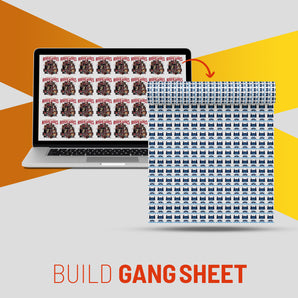
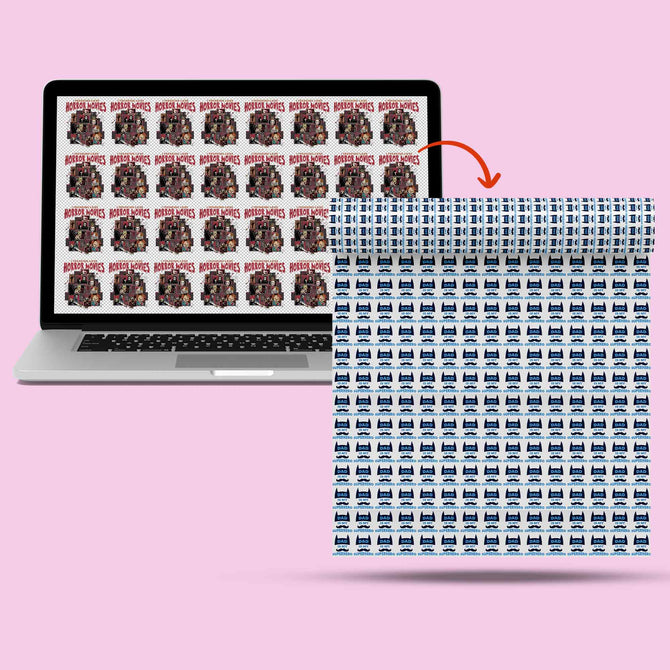
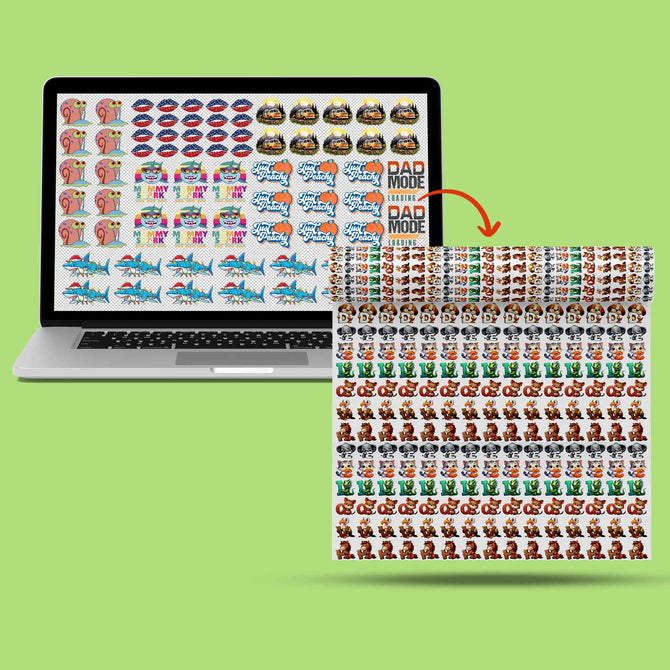
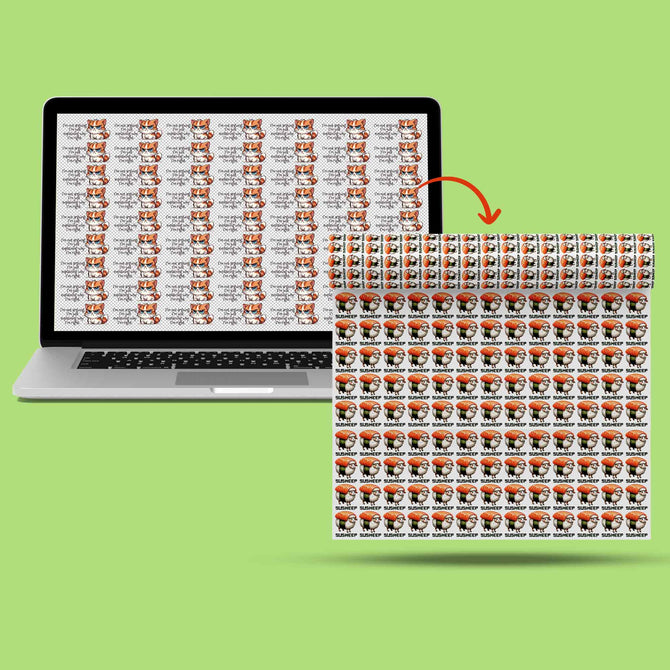
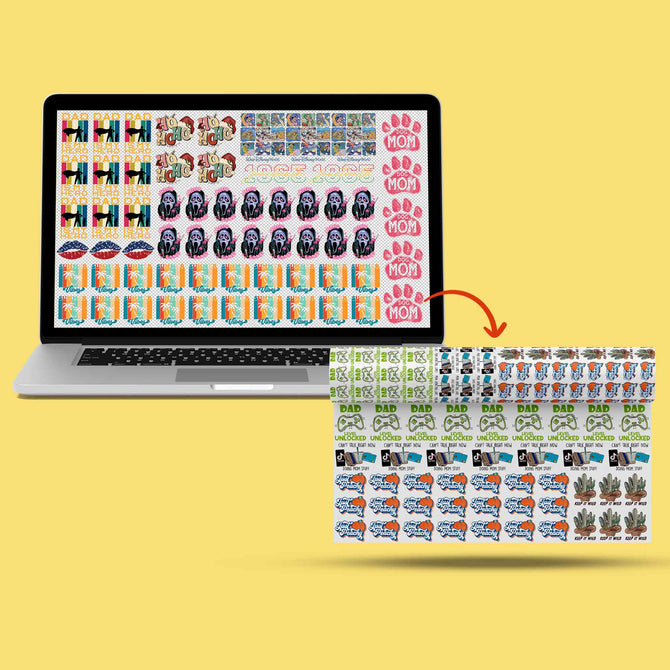
- Ink and Media Costs: While specialized DTF ink and film have a higher upfront cost than standard office supplies, the efficiency of "Gang Sheets" allows you to pack dozens of designs onto a single roll. This significantly reduces the cost of materials per garment.
- Labor Efficiency: If a client orders 50 shirts with a complex logo, using heat transfer paper would require 50 individual cuts and potentially hours of weeding. With DTF, you simply print the film, powder it, and press. The reduction in labor hours allows you to take on larger orders without increasing your headcount.
- Retail Value: Because DTF looks and feels like a professional screen-printed garment, you can charge a premium price. Customers who might balk at paying $25 for a stiff transfer paper shirt will happily pay that (or more) for a high-quality DTF-printed piece.
Technical Comparison: At a Glance
| Feature | Heat Transfer Paper | Iris DTF Transfers |
| Print Quality | Good (but can be blurry) | High-Definition / Vibrant |
| Durability | Low (10-15 washes) | High (50+ washes) |
| Hand Feel | Stiff / Heavy | Soft / Flexible |
| Weeding Required | Yes (or visible borders) | No (Self-weeding) |
| Fabric Range | Mostly Cotton | Nearly All Fabrics |
| Scaling Potential | Low (Labor intensive) | High (Industrial speed) |
Why Iris DTF is the Ultimate Upgrade Partner
When you decide to move beyond transfer paper, the quality of your new supplies matters. The market is flooded with "budget" DTF inks and films that can clog print heads and provide inconsistent results.
Iris DTF is designed for the professional who cannot afford downtime. Our films are engineered for high ink load and easy peeling, while our inks provide the color consistency required for brand-accurate printing. By choosing a premium partner like Iris DTF, you ensure that your transition from hobbyist methods to professional production is smooth, reliable, and—most importantly—profitable.
There is no shame in starting with transfer paper—it has been the foundation of the custom apparel movement for decades. But for the shop owner who wants to stop being a "hobbyist" and start being a "manufacturer," the limitations of paper are simply too high.
The shift in the heat transfer vs DTF debate is over. DTF has won on every metric that matters: durability, feel, versatility, and profit. By upgrading your shop to DTF, you aren't just changing your printer; you are elevating your brand and providing your customers with a product that lasts.
Ready to see the difference for yourself? Explore Iris DTF Supplies and take the first step toward a more efficient, high-quality production line today.
FAQ
Can I use my existing heat press for DTF?
Yes. One of the best parts of upgrading is that your heat press remains your primary tool. As long as your press can maintain consistent temperature and pressure, it is perfectly suited for DTF.
Is DTF ink more expensive than inkjet ink?
Per milliliter, DTF ink is more specialized, but when you factor in the massive reduction in wasted transfer paper and the ability to print more designs in less space, the total cost per garment is often lower with DTF.
Does DTF breathe better than dark heat transfer paper?
Absolutely. Because DTF does not require a solid block of polymer, you can design "distressed" or "halftone" graphics that allow air to pass through the garment, significantly increasing wearer comfort.