



The Economics of DTF: Calculating Your True DTF Printing Cost in 2026
In the custom apparel industry, revenue is vanity, but profit is sanity. Many shop owners focus on the retail price of a t-shirt while overlooking the "hidden leaks" in their production line. To stay competitive in 2026, you must move beyond guesswork and master your DTF printing cost.
At Iris DTF, we believe that transparency in pricing is the foundation of your growth. This guide breaks down the operational math so you can price your products with surgical precision.
The Core Components: What Drives Your Expenses?
A professional production budget consists of four main variables. Ignoring even one can turn a "profitable" order into a loss.
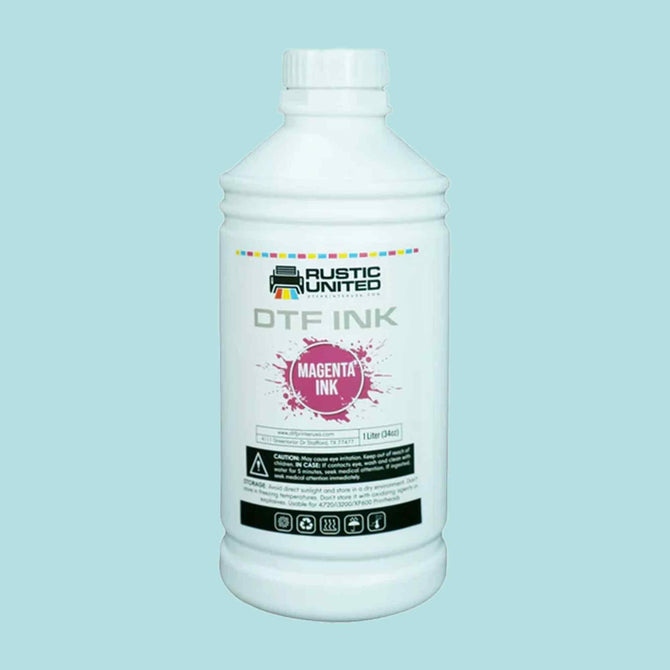
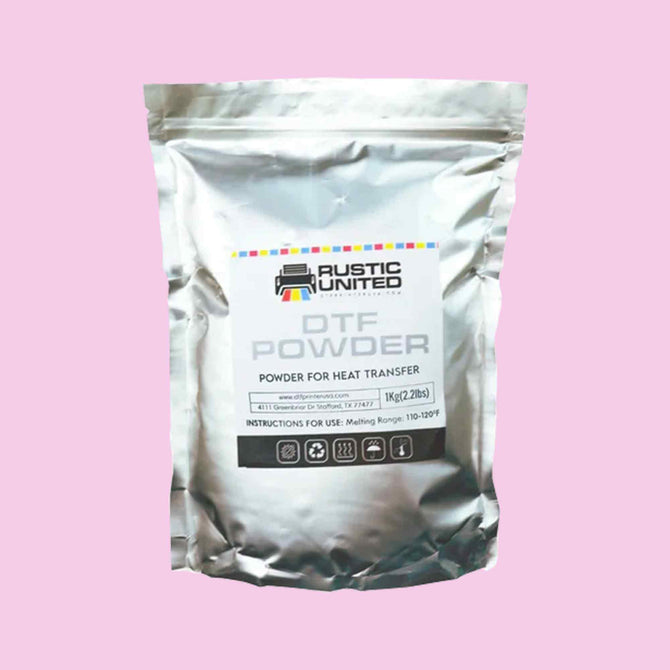
- Consumables: This includes CMYK+White ink, premium PET film, and TPU adhesive powder. In 2026, high-density white ink remains a primary cost driver, typically accounting for 40% of the total liquid cost.
- Labor & Operational Time: Factor in the time spent nesting designs, loading the press, and packaging. If you or an employee spends 20 minutes on a small batch, that labor must reflect in the per-unit price.
- The "Mistake Tax": Even the best shops face errors. Factor in a 3–5% buffer for misprints, garment spoilage, or alignment issues.
- Equipment Amortization: Amortize the cost of your printer, heat press, and air filtration system over every linear foot you produce.
Slash Expenses with the "Gang Sheet Formula"
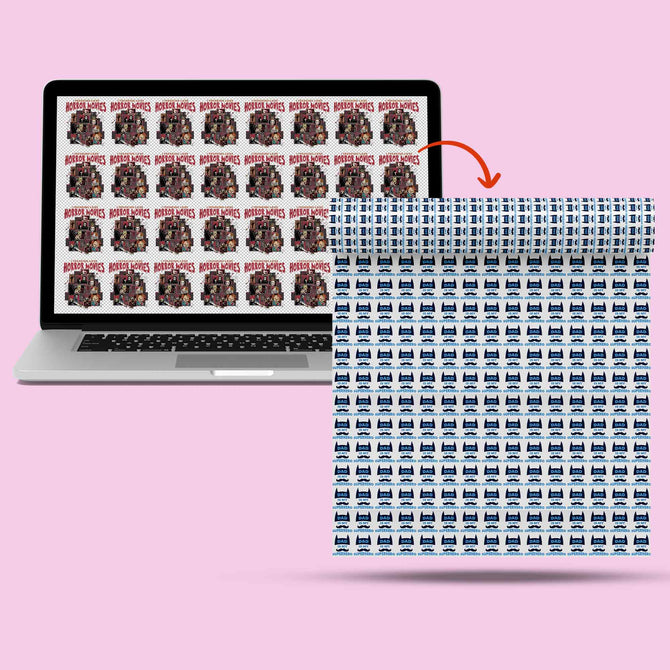
The most effective way to lower your DTF printing cost is through aggressive optimization. In 2026, "Gang Sheets" are no longer optional—they are your most powerful tool for cost suppression.
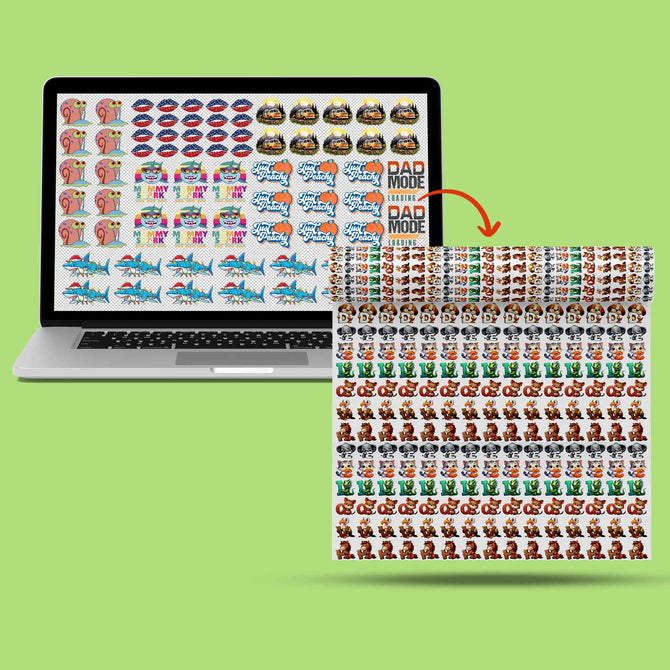
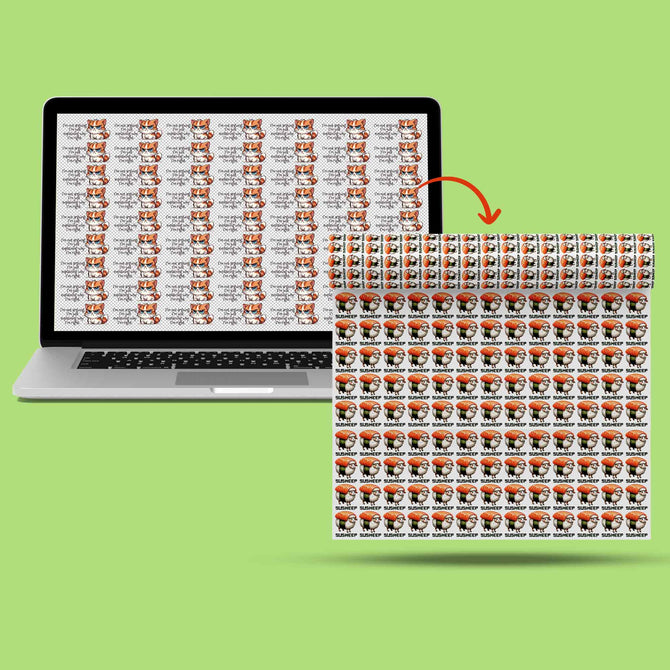
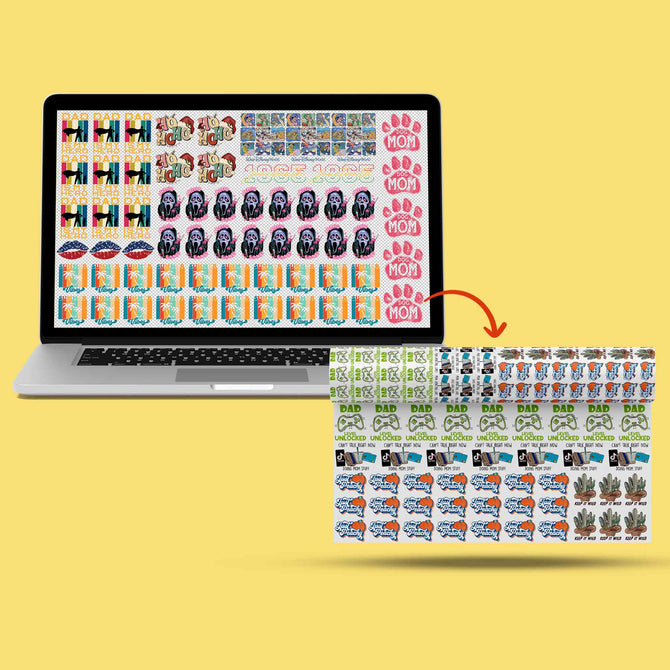
The Strategy: Use the Iris DTF Gang Sheet Builder to eliminate waste. You pay for the linear inch of film, not the number of designs.
- Maximize Width: On a 24-inch roll, nest small neck tags or sleeve logos into the "dead space" around your main chest graphics.
- The Result: By filling a 100-inch roll to capacity, you can reduce your average cost-per-print by up to 35% compared to printing individual transfers.
The Math: Estimated Production Costs (2026 Benchmarks)
Use this table as a baseline for your unit economics. Note that these are production costs—your retail price should typically be 3x to 5x higher.
| Component | Estimated Cost (per sq. ft.) |
| Premium PET Film | $0.45 – $0.60 |
| Ink (High-Density White + CMYK) | $0.35 – $0.55 |
| TPU Adhesive Powder | $0.15 – $0.25 |
| Energy & Maintenance | $0.15 |
| Total Estimated Cost | $1.10 – $1.55 |
DIY Printing vs. Outsourcing: The Profit Threshold
Many entrepreneurs ask: "When should I buy my own industrial printer?" While owning equipment offers control, it introduces a permanent maintenance burden.
Quick Verdict:
- Outsource to Iris DTF if: You print less than 50 linear feet per week. You eliminate the cost of ink waste during head cleanings and the risk of expensive printhead replacements.
- In-house Printing if: You have consistent, high-volume daily orders that justify a climate-controlled room and daily technician labor.
You find your profit in the pennies. By accurately calculating your DTF printing cost and optimizing every inch of your gang sheets, you protect your business from the operational leaks that sink smaller shops. Profitability starts with high-quality, predictable results that require zero re-prints.
Compare your current margins to Iris DTF. Upload your artwork today and see exactly how our optimized 24-inch rolls transform your unit economics. Save money today with Iris DTF Gang Sheets.
FAQ: DTF Printing Cost
Is DTF more cost-effective than screen printing?
Yes, for almost all orders under 100 pieces. You eliminate the heavy labor costs of burning screens, reclaiming mesh, and setting up multi-color presses.
How can I lower my total cost-per-print immediately?
Consolidate your orders. Shipping is a major "hidden" DTF printing cost. Ordering one large batch instead of multiple small shipments significantly improves your total margin.
What is the cost of using high-density white ink?
While it increases liquid cost slightly, it prevents "garment bleed" on dark fabrics. This durability prevents the most expensive cost of all: customer returns.