

How to Prewash and Care for Blank Apparel Before and After DTF Printing

Care for blank apparel really comes down to two separate moments: what to do (or not do) with the blank before a design ever gets pressed onto it, and how to wash the finished piece afterward so the print holds up. Both get asked about often enough that they're worth covering together. Here's what actually matters at each stage, and how it changes depending on the blank.
Do You Need to Prewash Blank Apparel Before DTF Printing?
For most common blanks, prewashing is usually not necessary before DTF printing. Many popular tees and other blanks are manufactured to minimize shrinkage, but it's still worth checking the product specifications and care label for the specific garment you're using.
| Blank | Prewash Needed Before Pressing? |
|---|---|
| Gildan cotton tees | Usually no |
| Bella+Canvas 3001 / CVC | Usually no |
| Next Level 3600 | Usually no |
| Comfort Colors 1717 | Usually no* |
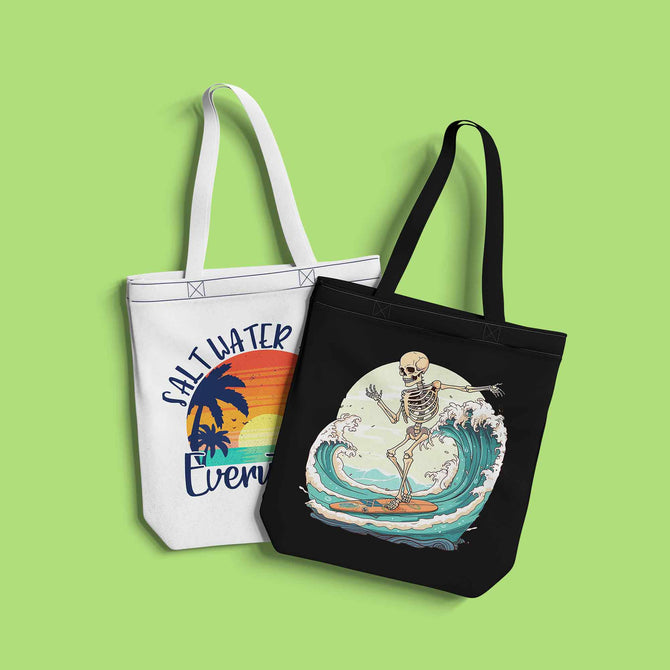
| Cotton canvas tote | Usually no, depending on the product's care instructions |
*The one blank worth a second thought is Comfort Colors, since the fabric is garment-dyed after the garment is already cut and sewn. It's still sold as a preshrunk garment, but following the manufacturer's wash and care instructions is especially important with garment-dyed apparel.
Why Garment-Dyed Fabric Behaves Differently
Most standard blanks are dyed before the finished garment reaches the final stage of production. Comfort Colors uses a garment-dyeing process: the shirt is constructed and then dyed, which helps create the soft, slightly worn-in appearance the brand is known for.
In practice, that doesn't mean you need a special prewash routine before printing. It simply makes following the garment's recommended wash temperature and drying instructions especially important once the design is applied.
Caring for a Freshly Printed Piece
After pressing a DTF transfer, it's a good practice to wait about 24 hours before the first wash. This gives the freshly applied print time before it is exposed to water, detergent, and agitation.
Building that waiting period into your production schedule is an easy way to reduce unnecessary stress on a freshly pressed design.
Ongoing Wash Care for DTF-Printed Blank Apparel
Once the first-wash waiting period has passed, the same handful of habits can help keep the print looking sharp:
- Wash inside out. This helps protect the print from direct friction against other garments in the load.
- Use cold or lukewarm water. Excessive heat can put additional stress on both the garment and the printed design.
- Air dry when possible, or tumble dry on low. Lower drying temperatures are gentler on printed apparel.
- Avoid bleach and dry cleaning unless the garment and print care instructions specifically allow them.
- Iron on the reverse side or use a pressing cloth. Avoid placing a hot iron directly over the printed design.
These are useful general DTF care habits whether you're working with a Gildan tee, a Bella+Canvas shirt, or a printed tote. The garment's own care label should still be followed because different fabrics and garment constructions can have different requirements.
Fabric-by-Fabric Care Notes
A quick reference for some of the blanks that come up most:
| Blank | Care Note |
|---|---|
| Gildan cotton tees | Cold or cool wash and lower drying temperatures are a practical starting point; always check the garment care label. |
| Bella+Canvas 3001 / CVC | Use gentle wash and drying conditions and follow the care instructions for the specific fabric blend. |
| Next Level 3600 | Similar gentle care works well, with the garment's own care label taking priority. |
| Comfort Colors 1717 | Cold washing and lower drying temperatures are especially sensible for garment-dyed fabric. |
| Full color cotton canvas tote | Wash only when needed, avoid excessive heat, and follow the tote manufacturer's care instructions. |
If your brand is building out a full blank apparel line across several of these, from a soft Bella+Canvas tee to DTF tote bags, it's worth keeping one simple care card on hand that covers the small differences rather than assuming every blank in the lineup washes identically.
Who This Actually Matters Most For
Care instructions become especially important for shops running a mixed blank apparel line across several fabrics at once. A print-on-demand shop stocking Gildan, Bella+Canvas, and Comfort Colors side by side benefits from having a consistent basic DTF care routine while still following the individual garment's care instructions.
The same applies when you're working with garment-dyed products or several different fabric weights and blends. The basic approach stays simple: avoid excessive heat, wash gently, turn printed apparel inside out when practical, and allow time before the first wash.
The Bottom Line
Prewashing is usually not necessary for common blank apparel before DTF printing, especially when the garment is sold as preshrunk. The important part is checking the specifications and care instructions for the particular blank you're using rather than assuming every garment behaves exactly the same way.
After printing, allow about a day before the first wash, then stick to gentler washing and drying conditions. Garment-dyed fabric like Comfort Colors may deserve a little extra attention to the manufacturer's care instructions, but the core DTF care routine stays largely the same.
Ready to stock up? Browse the full blank apparel selection for your next DTF project.
Stock Up on Blank Apparel
Choose tees, totes, and other print-ready blanks for your next DTF project.