Plastisol vs. Direct to Film Example: Which Transfer Wins in 2026?

What Is This Article About?
If you're still relying on legacy printing methods for every apparel drop, you're likely overpaying for setup fees and risking customer loyalty. You've seen the frustration firsthand. A high-detail design arrives, but it feels like a heavy plastic shield on the chest. Worse yet, that expensive plastisol print starts cracking after just a few cycles in the wash. Choosing the right method is no longer just about preference. It's about survival in a competitive market. This plastisol vs direct to film example illustrates why the industry is shifting toward more flexible, durable solutions in 2026.
We understand that you need reliability without the hassle of complex ordering or limited fabric compatibility. You want a soft-hand feel that customers love. In this comparison, we'll dive into the real-world performance of both methods. We'll cover everything from the 2026 REACH compliance standards for films to the specific break-even points for bulk orders. You'll learn exactly how to balance cost and quality so your brand can scale with confidence. We're breaking down the look, the feel, and the long-term durability to ensure your next collection is a total success.
Key Takeaways
- Compare visual precision to see why DTF handles 1pt lines and complex gradients better than traditional screen-printed methods.
- Master the "Stretch Test" to ensure your prints move with the fabric and withstand 50+ wash cycles without cracking.
- Evaluate a real-world plastisol vs direct to film example to pinpoint which transfer type delivers the highest ROI for your brand's specific needs.
- Eliminate high setup fees by understanding when design complexity makes DTF more cost-effective than multi-color screen setups.
- Achieve the professional soft-hand feel that modern customers demand using commercial-grade TPU powder and premium inkjet technology.
Understanding the Basics: Plastisol vs. Direct to Film (DTF)
The apparel industry is undergoing a massive transformation. We are seeing a decisive move from analog screen-making to streamlined digital workflows. This shift isn't just about technology. It's about your bottom line. Understanding a clear plastisol vs direct to film example helps you decide where to allocate your 2026 production budget. One method relies on decades of tradition. The other focuses on modern speed and precision. Both have their place, but the gap is closing fast.
What are Plastisol Transfers?
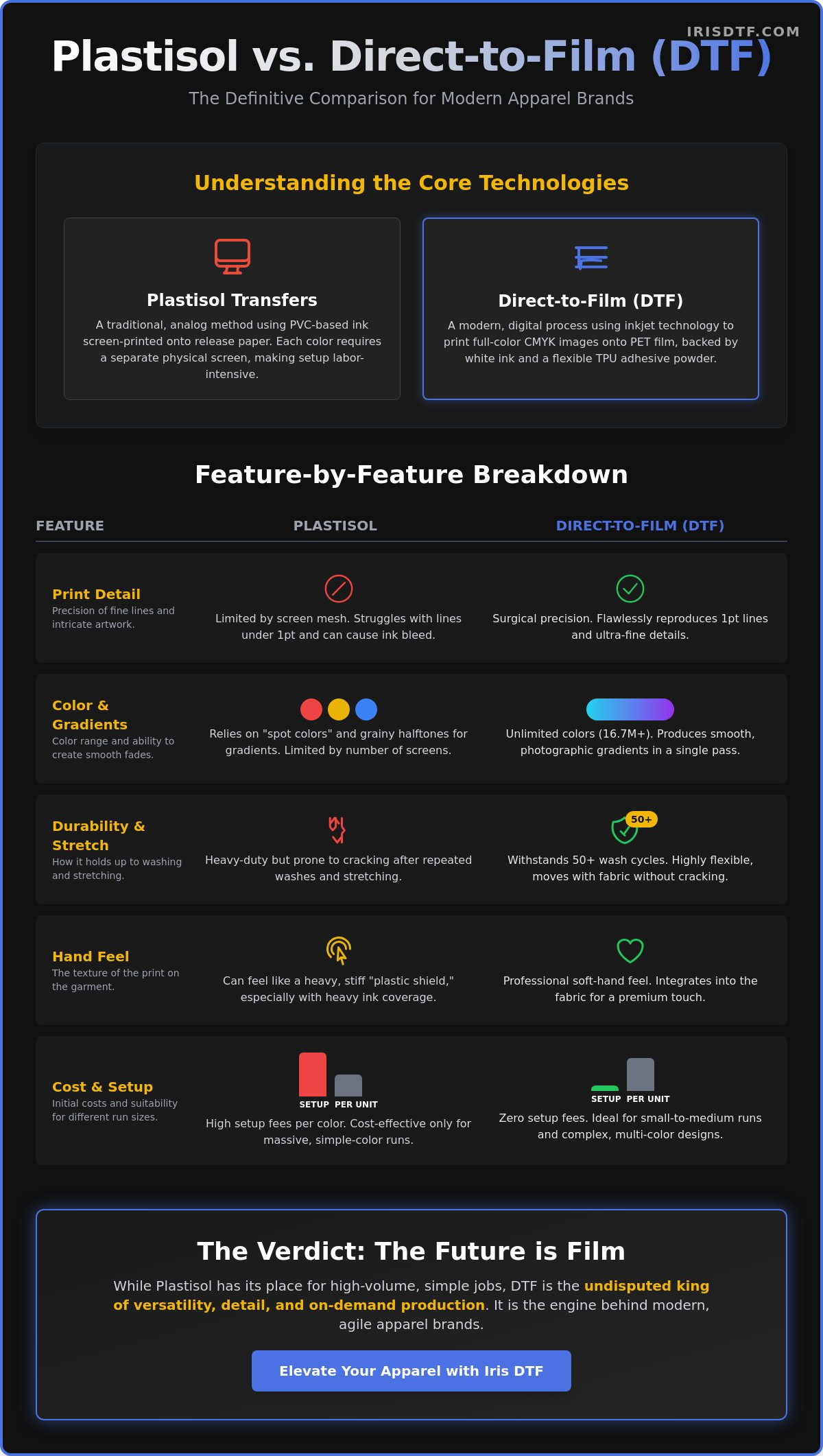
Plastisol is essentially a liquid PVC-based ink. In traditional garment decoration, this ink is screen-printed onto a special release paper. It stays in a gel state until you apply heat. This process is inherently analog. It requires physical screens, emulsion, and precise color separations. Because each color needs its own screen, most plastisol examples are limited to spot colors. It's a reliable, heavy-duty option. However, the setup time can be a major bottleneck for complex artwork. If your design has six colors, you're looking at six different screens before you even start.
What is Direct to Film (DTF)?
Direct to Film, or DTF, flips the script. It uses digital inkjet technology to print directly onto a specialized PET film. The printer lays down a full-color CMYK image followed by a robust white ink layer. While the ink is still wet, we apply a high-quality TPU adhesive powder. This powder is the secret to the bond. It creates a flexible, durable layer that fuses with the fabric during the heat press. Some industry veterans claim plastisol is the only way to get true opacity. That's outdated thinking. Modern DTF white-base technology provides incredible coverage that rivals traditional ink. There are no screens to burn. No messy emulsion. You get full-color, photographic results without the high setup fees associated with multi-color designs.
Why does this comparison matter for your brand in 2026? Efficiency is the new currency. Traditional plastisol transfers often require large minimums to justify the labor-intensive setup. If you're running a complex design with gradients, plastisol struggles to keep up. DTF eliminates that barrier. It allows for on-demand production and intricate details that were previously impossible at a low cost. This plastisol vs direct to film example shows that while plastisol still wins in massive, simple-color runs, DTF is the undisputed king of versatility and detail. It's the engine behind modern, agile apparel brands.
- Plastisol: Best for high-volume, 1-3 color jobs.
- DTF: Best for complex artwork, unlimited colors, and small to medium runs.
- Setup: DTF requires zero screen fees.
- Feel: Both offer professional results, but DTF provides superior flexibility on modern blends.
The Visual Example: Print Quality and Color Depth
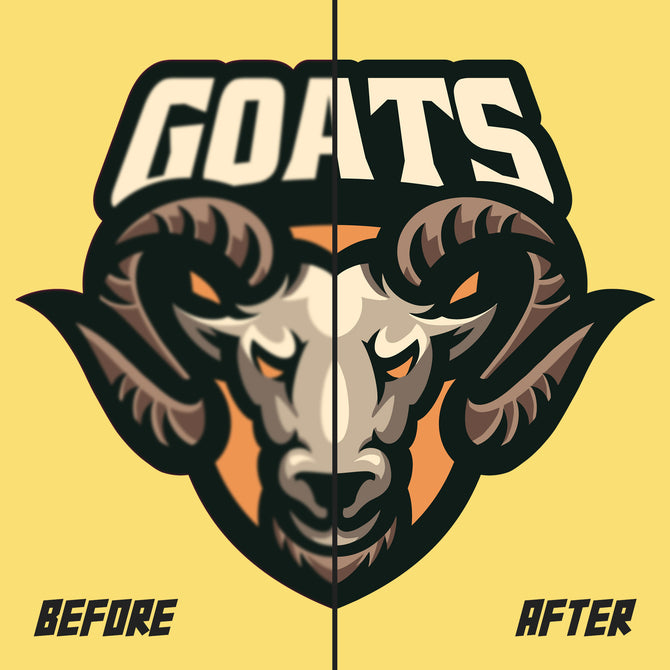
Visuals sell garments. When a customer picks up a shirt, the first thing they notice is the crispness of the design. This is where the plastisol vs direct to film example becomes most apparent. Traditional plastisol relies on physical mesh screens to push ink onto paper. These screens have physical limitations. If your design features ultra-fine details or 1pt lines, plastisol often struggles. The ink can bleed or fail to clear the mesh, leading to inconsistent edges. Direct to Film (DTF) printing bypasses these mechanical hurdles entirely. Because it's a digital process, it maintains surgical precision across every square inch of the film.
Photographic Detail vs. Spot Colors
Think about a complex sunset design. It has deep oranges, soft purples, and subtle yellow fades. If you use plastisol, you're forced to use halftones. These are tiny dots of solid color that trick the eye into seeing a gradient. Up close, they often look grainy or "dated." DTF technology handles this differently. It utilizes a digital CMYK gamut capable of producing 16.7 million colors in a single pass. The result is a smooth, photographic transition that looks exactly like your digital file. No dots. No grain. Just pure, vibrant color depth that makes your artwork pop. If your brand relies on intricate, multi-color illustrations, DTF is the clear winner for visual impact.
Opacity on Dark Fabrics
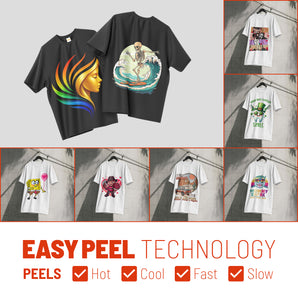
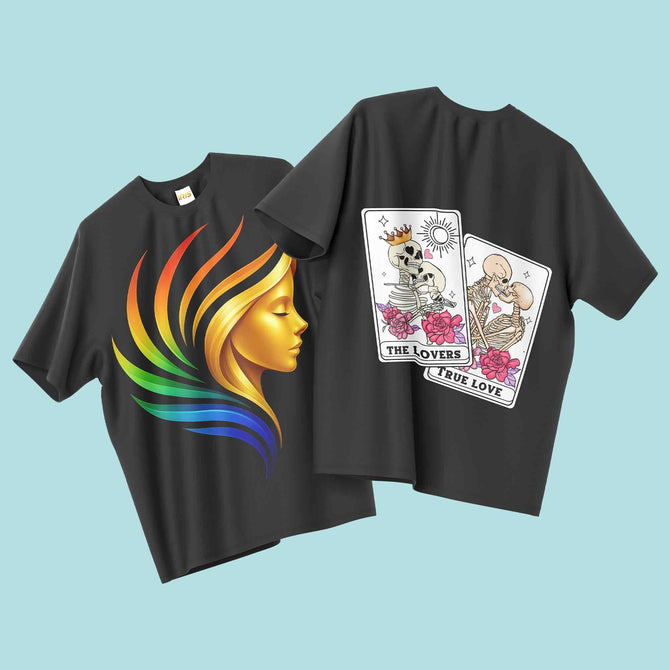
Printing on black Shaka Wear or heavyweight Comfort Colors tees is the ultimate test. You need high opacity without the "bulletproof vest" feel. In many plastisol examples, achieving a bright white or neon requires a thick, heavy ink deposit. This creates a stiff patch on the chest that doesn't breathe. DTF solves this with a high-density white underbase. This layer is printed digitally behind the CMYK colors, providing a brilliant foundation that blocks dye migration from the fabric. It stays bright, even on deep blacks or navy blues, while remaining significantly thinner than a traditional screen-printed transfer. You get maximum brightness with a much more wearable finish.
Clean borders are another critical factor. Plastisol transfers can sometimes develop a slight "halo" or feathered edge during the gel-curing process. DTF prints maintain a razor-sharp border. The adhesive powder only sticks to the printed ink, ensuring that your transfer has zero stray particles or blurry edges. This level of professional finish is why many local designers are moving toward Custom DTF Transfers for their premium collections. It delivers a retail-ready look that traditional methods simply can't match in 2026. The edge definition is crisp. The colors are deep. The quality is undeniable.
- Fine Lines: DTF holds 1pt details effortlessly; plastisol risks clogging.
- Gradients: DTF offers smooth, photographic fades; plastisol uses grainy halftones.
- Color Range: Digital CMYK allows for millions of shades in one print.
- Edge Quality: Zero "halo" effect with digital film precision.
Durability and Hand-Feel: Which Lasts Longer?
Quality isn't just about how a shirt looks on the rack. It's about how it performs six months later. This plastisol vs direct to film example proves that modern technology has finally caught up to, and in many ways surpassed, traditional methods. While plastisol has long been the industry standard for durability, it often comes at a cost to comfort. DTF offers a high-performance middle ground. It provides professional longevity without the bulky, rigid texture of old-school transfers. Your customers want gear that lasts. We deliver exactly that.
The Soft-Hand Debate
In the apparel world, "hand-feel" refers to the tactile texture of the print. High-quality designs should feel like part of the shirt, not a stiff sticker slapped on top. DTF transfers achieve a superior hand-feel by utilizing a fine TPU adhesive powder. This powder "melts" into the fabric fibers during the second heat press. It ensures the design stays thin and pliable. You can further minimize any "sticker" feel by using high-pressure settings and a finishing press. This is a game-changer for large chest pieces. A massive plastisol print can feel like a heavy plastic shield. In the sweltering Texas heat, that's a recipe for discomfort. DTF remains breathable and light, keeping your customers cool and comfortable.
Washability and Long-Term Wear
Durability is where the debate gets heated. Historically, plastisol was the king of the wash cycle, but that only holds true if the ink is cured perfectly. Under-cured plastisol is notorious for flaking and peeling after just a few washes. DTF is much more forgiving. Our Iris DTF transfers are rigorously tested and rated for 50+ professional laundry cycles. Wash-fastness measures a prints ability to retain color and adhesion through repeated mechanical agitation and detergent exposure. While plastisol might eventually crack due to fabric stretching, DTF passes the "Stretch Test" every time. It expands and contracts with the garment. This prevents the unsightly fissures that often ruin traditional screen-printed designs.
Longevity depends on more than just the print method. It requires the right materials. This plastisol vs direct to film example shows that DTF is the more resilient choice for modern, stretchy blends. To maximize the life of your apparel, we recommend simple care steps. Turn the garment inside out. Wash with cold water. Use a low tumble dry setting. These small actions protect the bond and keep colors vibrant for years. Whether you are building a streetwear brand or printing high-end corporate gear, the durability of your transfers defines your reputation. We make sure that reputation stays solid.
- Stretchability: DTF moves with the fabric; plastisol is prone to cracking.
- Wash Rating: Iris DTF transfers are built for 50+ professional cycles.
- Texture: DTF provides a soft, flexible finish that breathes.
- Reliability: DTF eliminates the "flaking" risks of under-cured screen ink.
Choosing the Right Method for Your Dallas Apparel Brand
Efficiency dictates your profit margins. For a growing Dallas apparel brand, the decision often comes down to speed and upfront investment. This plastisol vs direct to film example highlights a critical turning point in modern production. Traditional screen-printed transfers excel in high-volume, low-color scenarios. However, the landscape changes once you introduce complex artwork or small batch runs. We focus on providing solutions that eliminate waste and maximize your creative freedom. You need a partner that understands the pace of the DFW market.
Cost Efficiency: Bulk Runs vs. On-Demand
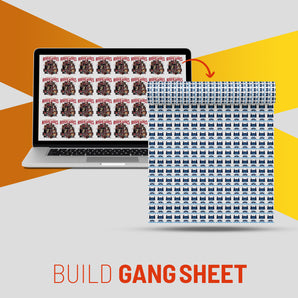
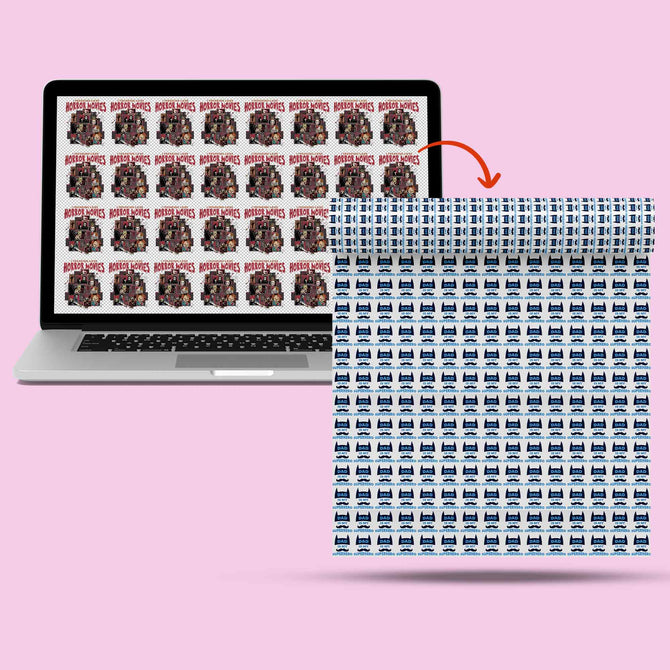
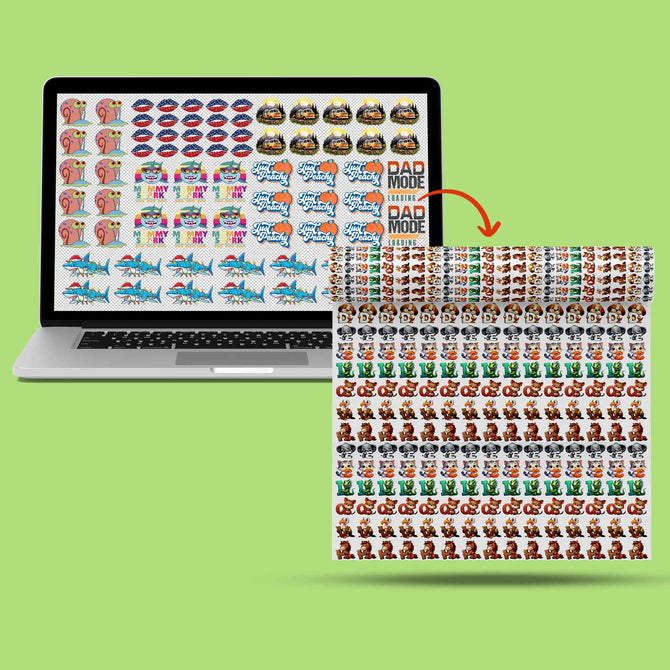
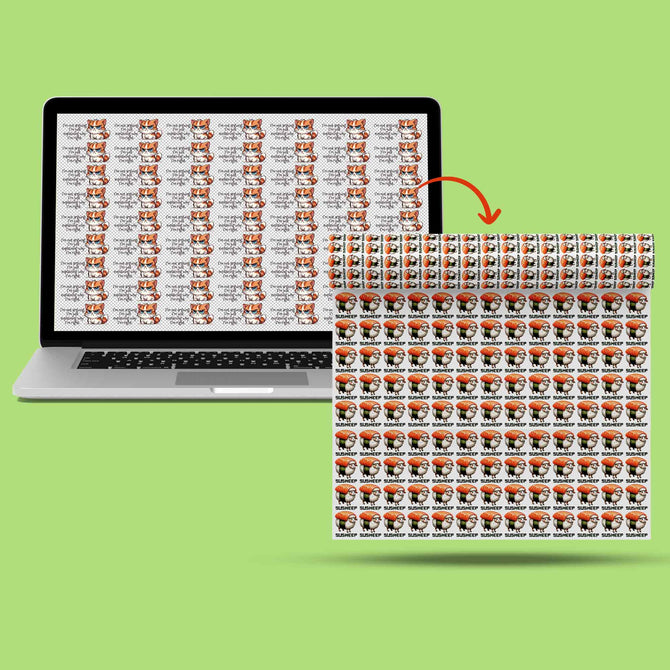
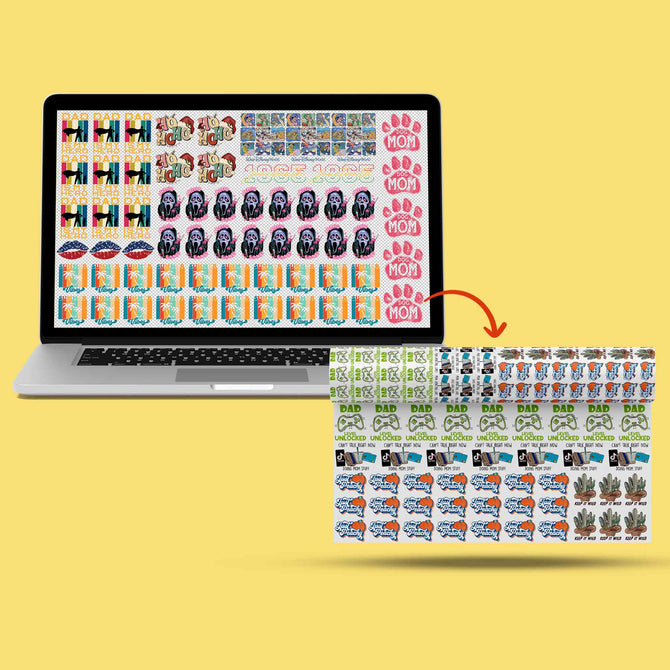
Setup fees are the silent killer of small collections. Traditional plastisol methods often carry setup costs of $25 to $40 per color for screen creation. If you have a five-color logo, you're down over $100 before a single shirt is pressed. DTF eliminates this barrier. With a $0 setup fee, it’s the superior choice for "drop" culture and limited releases. DTF Gang Sheets are the ultimate hack for local brands. You can pack multiple designs onto a single sheet, maximizing every square inch of film. This approach significantly reduces inventory risk. Instead of printing 100 shirts and hoping they sell, you can keep transfers on hand and press them as orders arrive. This "just-in-time" fulfillment keeps your cash flow healthy.
Fabric Compatibility: Beyond the Cotton Tee
Versatility is non-negotiable in 2026. While plastisol often requires specific chemical additives to bond with synthetic blends, DTF is natively compatible with a vast range of materials. It excels on difficult fabrics like spandex, polyester, and even treated nylon. The adhesive powder creates a mechanical bond that doesn't require the high-heat dwell times that can scorch sensitive synthetics. This flexibility extends beyond apparel. Our UV DTF Stickers allow you to brand hard surfaces like water bottles or laptop cases with the same vibrant quality. This plastisol vs direct to film example shows that DTF isn't just a printing method; it's a complete branding ecosystem for your business, and for those looking to scale with bulk custom-branded merchandise and premium corporate gifts, swagstore.net provides the high-quality promotional products needed to complete your vision.
Turnaround speed is where digital film truly shines. Preparing screens for plastisol takes hours of labor. DTF is ready-to-press the moment the film leaves the printer. For rush orders or last-minute event gear, digital film is the undisputed champion. You get retail-ready quality without the analog headaches. Ready to streamline your production? Order your Custom DTF Transfers today and experience the speed of professional digital printing.
- Volume: Use plastisol for 150+ units of simple art; use DTF for everything else.
- Setup: DTF saves you $25 to $40 per color in screen fees.
- Versatility: DTF bonds to cotton, poly, and nylon without extra additives.
- Risk: DTF allows for on-demand pressing, reducing unsold inventory.
Elevate Your Production with Iris DTF Custom Transfers
Success in the apparel game requires more than just good art. It requires a production engine that never quits. You've seen the plastisol vs direct to film example comparisons. You know DTF is the future for detail, flexibility, and cost-control. Now you need a partner to execute. Richardson and Plano brands choose Iris DTF because we deliver commercial-grade reliability with a local touch. We don't just print film. We power the DFW apparel scene from Garland to Frisco. Our facility is built for speed. Your brand is built for growth. Let's work.
We've eliminated the intimidation factor from technical printing. Our process is streamlined for professional reliability. We use top-tier, commercial-grade printers and premium TPU powder. This combination ensures a bond that lasts. It guarantees colors that pop. Whether you're a seasoned expert or a new pioneer in the streetwear space, we provide the tools you need. No fluff. No delays. Just high-capacity production that meets your deadline every single time.
Why Our DTF Gang Sheets Win
Experience is our foundation. We bring over 10 years of expertise to the US DTF market. This history allows us to anticipate issues before they reach your heat press. Our quality control process is rigorous. We verify every gang sheet for vibrant, accurate color reproduction and optimal ink density. We also simplify your supply chain. Need high-quality blanks to match your premium transfers? We offer a one-stop shop with blank apparel options like Comfort Colors and Shaka Wear. You get the best transfers and the best garments in a single, efficient order. This is how you scale a brand without the headache of managing multiple vendors.
Fast Turnaround for the DFW Metroplex
Time is your most valuable asset. We respect that. Our "ready-to-work" attitude means your files move to the printer immediately. We prioritize precision and momentum. For our local Dallas and Richardson customers, we offer convenient pickup options. Why wait for a delivery truck when you can grab your transfers today? We handle massive commercial demands and small-scale projects with the same commitment to excellence. Upload your artwork. We handle the rest. It's a seamless, one-step action that moves your business forward. Don't let slow production stall your momentum. Start your custom DTF transfer order today and see why we are the essential engine for DFW's most successful apparel brands.
- Local Expertise: Proudly serving the DFW metroplex with a commitment to local roots.
- Industrial Quality: Premium TPU powder and commercial-grade printers for every job.
- Inventory Support: Stock up on blank apparel while you order your transfers.
- Decisive Speed: Fast turnaround with local pickup for Richardson and Dallas creators.
Future-Proof Your Apparel Production
The industry has reached a decisive turning point. We've seen through every plastisol vs direct to film example that digital precision is the new standard for 2026. You don't have to compromise between intricate, full-color designs and long-term durability anymore. DTF transfers provide the soft-hand feel customers love while eliminating the high setup costs of traditional screens. It's the most efficient way to scale your brand without the burden of unsold inventory or complex production workflows.
Iris DTF is ready to be your essential production engine. We bring 10+ years of industry expertise to our Richardson-based local facility. Our transfers are commercial-grade and wash-tested for maximum durability. Whether you're running a boutique drop in Plano or a massive commercial project in Dallas, we have the capacity to deliver with speed and precision.
Order Your Custom DTF Transfers and Gang Sheets Now
Your creative success deserves a partner that moves as fast as you do. Let's build something iconic together.
Frequently Asked Questions
Is DTF better than plastisol for small businesses?
Yes. DTF is the superior choice for small to medium-sized businesses because it eliminates the high setup fees and minimum order requirements of traditional methods. This plastisol vs direct to film example proves that digital film allows for on-demand printing without the risk of unsold inventory. You get professional quality without the massive upfront investment in screens and labor.
Does DTF feel like a sticker on the shirt?
No. High-quality DTF transfers utilize a thin white underbase and premium TPU adhesive powder that bonds into the fabric fibers. While a heavy plastisol print can feel like a thick plastic shield, a properly pressed DTF transfer provides a soft-hand feel. It moves with the garment and stays breathable, especially after the second finishing press.
Can I use a home iron for plastisol vs. DTF transfers?
We strongly recommend using a professional heat press for both methods. A home iron simply cannot provide the consistent, heavy pressure or the exact temperature required to create a commercial-grade bond. Using professional equipment ensures your designs won't peel or lift after a few cycles in the laundry. Reliability starts with the right tools.
Which transfer type is more durable in the wash?
DTF is exceptionally durable and often outperforms plastisol in real-world conditions. Our transfers are rated for 50+ professional wash cycles without losing their vibrant color. While plastisol can last a long time, it is notorious for cracking if it isn't cured perfectly. DTF remains flexible and resilient through repeated mechanical agitation.
How much do DTF transfers cost compared to plastisol?
The total cost depends on your design complexity. For multi-color artwork or photographic designs, DTF is significantly more cost-effective because it lacks per-color setup fees. Plastisol only becomes cheaper when you are running very large volumes of simple, 1-2 color designs. For most modern apparel brands, DTF offers a much better return on investment.
What is the best fabric for DTF transfers?
DTF transfers are incredibly versatile and bond to almost any fabric. They excel on 100% cotton, polyester, nylon, and various synthetic blends. Unlike traditional screen-printed transfers that often require specific chemical additives for different materials, DTF works natively across your entire product line. This makes it the perfect solution for everything from hoodies to performance wear.
Do DTF transfers crack over time like screen printing?
No. DTF transfers are engineered for high elasticity. Because the ink layer is thin and supported by a flexible TPU bond, it stretches and contracts with the fabric. Traditional plastisol is a PVC-based ink that can become brittle and crack as the garment ages. Digital film maintains its structural integrity and looks fresh even after extensive wear.
Can I print neon or metallic colors with DTF?
Yes. Modern digital technology now supports a wide range of specialty finishes, including vibrant neons and metallic effects. This allows you to create high-impact designs that were previously difficult or expensive to produce with screen printing. It is just another plastisol vs direct to film example of how digital workflows are providing more creative freedom for local creators.