




DTF Supplies: The 2026 Professional Guide to Quality and Performance

What Is This Article About?
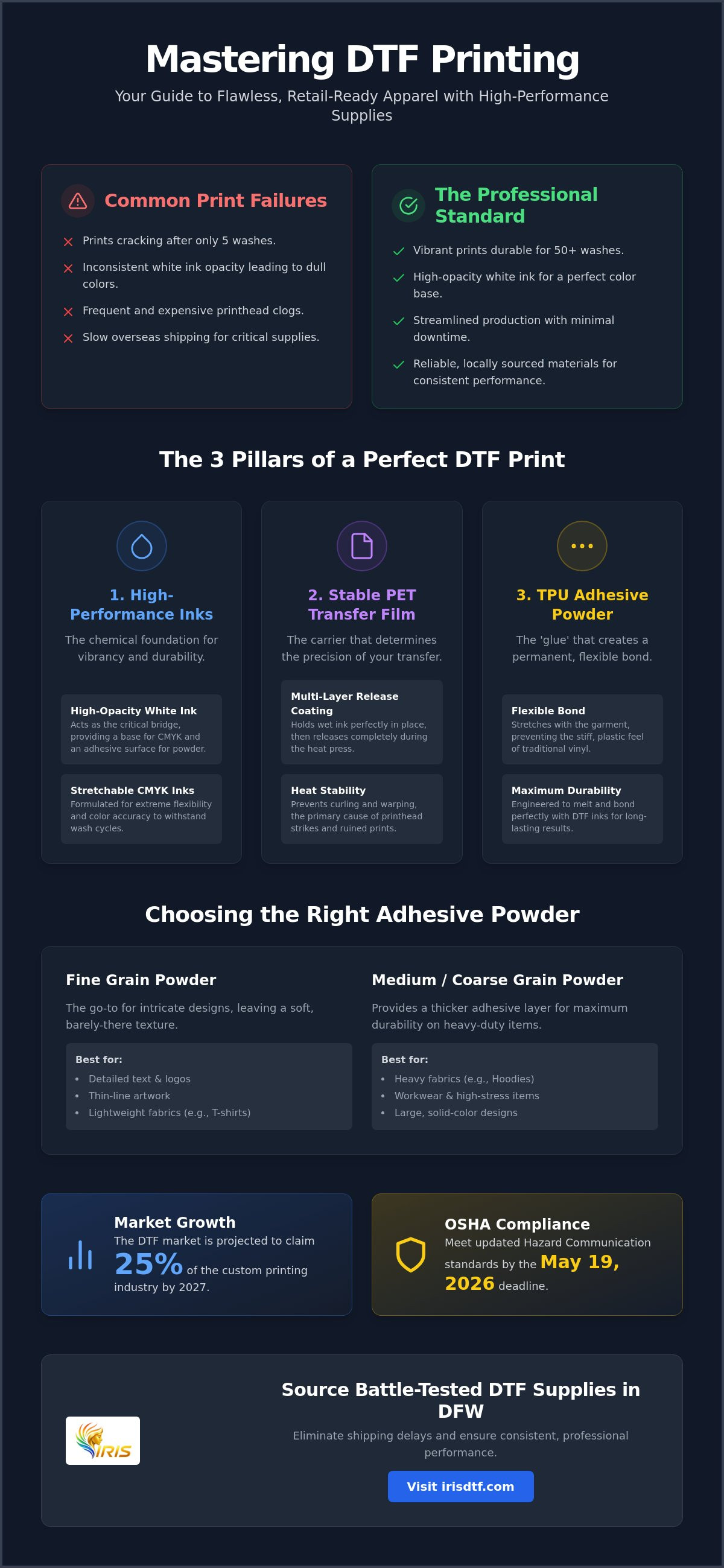
Why are your prints cracking after five washes when your competitors are delivering retail-ready gear that stays vibrant for fifty? It is a frustrating reality for many in the industry. Inconsistent white ink opacity and frequent printhead clogs can turn a profitable afternoon into a maintenance nightmare. You need high-performance dtf supplies that work every single time. With the DTF market projected to claim 25 percent of the custom printing industry by 2027, you cannot afford to wait on slow overseas shipping while your equipment sits idle.
We understand that technical hurdles should not stall your momentum. You deserve a streamlined production line that delivers durable, professional results without the constant downtime. This guide will help you master the technical side of the industry by focusing on the chemical harmony between inks, films, and powders. We will dive into the latest 2026 standards, including the updated May 19 OSHA compliance deadlines, and show you how to secure reliable, local materials right here in DFW to keep your business running at full speed.
Key Takeaways
- Learn why high-opacity white ink and specific TPU powders are essential for preventing cracks and maintaining vibrant colors.
- Master the daily maintenance routines that protect your equipment from clogs and expensive printhead repairs.
- Discover how to source battle-tested dtf supplies locally in Dallas to eliminate shipping delays and ensure consistent performance.
- Understand the critical role of temperature and curing equipment in transforming raw transfers into retail-ready apparel.
What are DTF Supplies? Understanding the Printing Ecosystem
Professional results aren't an accident. They are the result of a precise chemical handshake between specialized components. High-quality dtf supplies represent more than just ink and plastic. They are the engineered consumables required for Direct-to-film (DTF) printing to function at a commercial scale. When you invest in professional-grade gear, you're buying consistency. Budget alternatives from mass marketplaces often suffer from chemical rejection. This happens when the ink fails to sit correctly on the film or the powder refuses to bond. It's a recipe for wasted inventory and frustrated customers. You need a system where every piece works in harmony.
The ecosystem relies on three core pillars. First, pigment inks provide the color and opacity. Second, PET transfer film acts as the temporary carrier for your design. Third, adhesive melt powder creates the permanent bond between the design and the garment. Sourcing compatible components is the only way to avoid "ink crawling" or premature cracking. If your dtf supplies aren't designed to work together, your production line will eventually stall. Stick to battle-tested materials that meet modern safety standards, including the updated May 19, 2026, OSHA Hazard Communication requirements for chemical labeling and safety data.
The Role of PET Transfer Film
Your film is the foundation of the entire transfer. Professional PET films feature a sophisticated, multi-layered release coating. This coating holds the wet ink in place during the print and releases it completely during the heat press. You can choose between matte and glossy finishes to match your brand's aesthetic. Matte films deliver a soft, retail-ready feel that blends into the fabric. Glossy films produce a high-shine, vibrant finish that pops. High-quality film remains stable under heat. This prevents the film from curling or warping, which is the primary cause of head strikes and ruined prints.
The Chemistry of DTF Inks and Powders
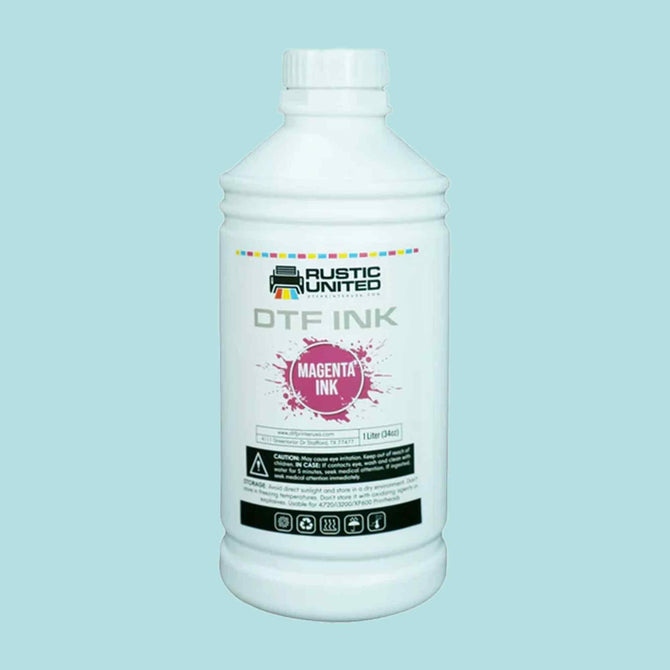
DTF ink is a water-based pigment specifically formulated for piezoelectric printheads. It must maintain a precise viscosity to flow through the printer without clogging while staying vibrant enough for high-end retail. TPU (Thermoplastic Polyurethane) powder creates the permanent, flexible bond to the fabric. It's designed to stretch and move with the garment, preventing the "stiff" feel of traditional vinyl. White ink is the most critical player in this chemistry. It acts as the bridge. It provides the opaque background for your CMYK colors and serves as the adhesive surface for the powder. Without a high-opacity white layer, your designs will look dull and fail to stick.
Essential DTF Supplies Checklist for Professional Results
Achieving a retail-ready finish requires more than just a working printer. It requires a synchronized kit of high-performance materials. Think of your dtf supplies as a single, integrated system. If one component is off, the entire transfer fails. Professional shops in 2026 prioritize high-opacity white ink as the foundation. This layer must be dense enough to block the garment color but flexible enough to prevent cracking. CMYK inks must offer high stretchability to withstand repeated wash cycles. Without this chemical synergy, your designs will peel or fade before the customer even wears them twice.
Your checklist must include specialized maintenance fluids. Pigment inks, especially white, can settle and cause blockages in piezoelectric heads. Maintaining a safe, compliant workspace means strictly following OSHA's Hazard Communication Standard when handling these specialized cleaners and pigment inks. Professional shops often stock up on premium DTF supplies to ensure every batch meets these high standards. Here is the essential hardware and consumable breakdown:
- High-Opacity White Ink: Prevents garment dye migration.
- CMYK Pigment Inks: Formulated for color accuracy and 2026 stretch standards.
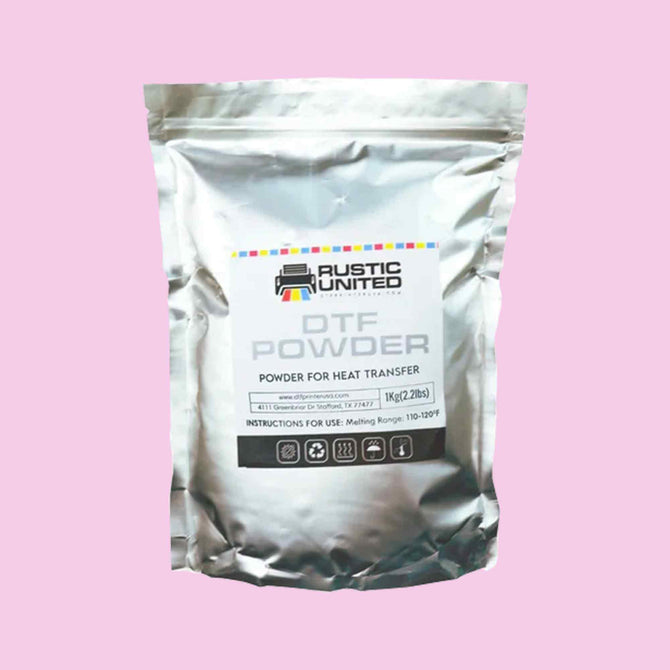
- TPU Adhesive Powder: The glue that holds the design to the fabric.
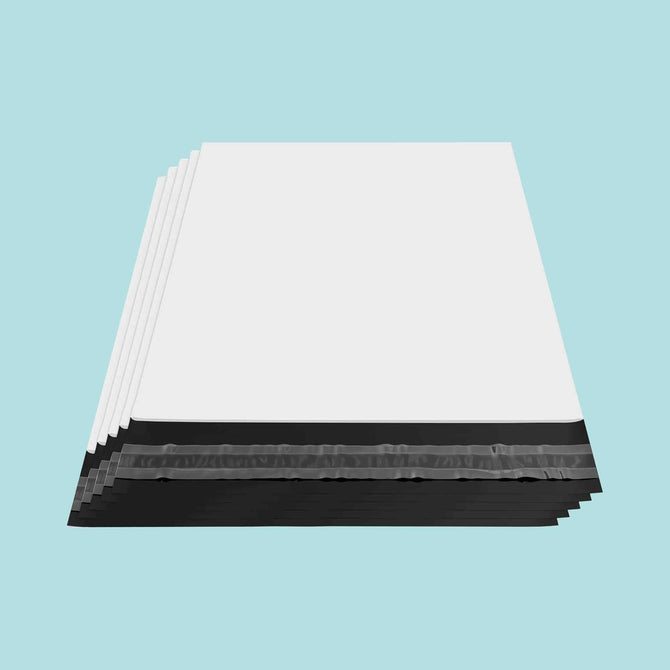
- PET Film: Available in rolls for wide-format or sheets for desktop units.
- Capping Station Cleaner: Specialized fluid to prevent ink sedimentation.
Choosing the Right Adhesive Powder
Powder grain size dictates your final product's "hand feel." Fine powder is the go-to for detailed text and intricate, thin-line designs. It melts quickly and leaves a soft, barely-there texture on the shirt. Medium or coarse grains are better for heavy fabrics like hoodies or workwear. These larger grains provide a thicker adhesive layer for maximum durability. Quality TPU powder ensures your prints don't feel like a stiff plastic sheet. It keeps the garment breathable and comfortable for the end user.
Hot Peel vs. Cold Peel Films
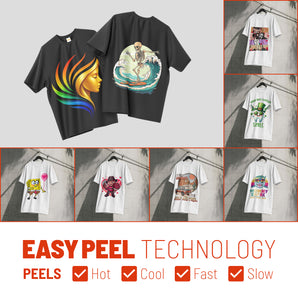
Production speed is king for high-volume shops in Plano and Frisco. Hot peel films allow you to strip the carrier sheet immediately after pressing. This shaves seconds off every garment, which adds up to hours of saved labor each week. Cold peel films require the transfer to cool completely before removal. While slower, cold peel often delivers superior detail retention and a smoother, more matte finish. Modern 2026 hybrid films offer the best of both worlds, providing the versatility to peel at various temperatures depending on your specific job requirements.
Hardware and Environmental Factors: More Than Just Consumables
Success in digital printing requires more than just high-end ink and film. It requires a controlled environment. Your hardware is not a standalone tool. It is an active participant in the chemical reaction that creates a transfer. Think of your heat press as an essential requirement for your dtf supplies to function. If your platen temperature fluctuates by even five degrees, your adhesive won't melt correctly. This leads to peeling and customer returns. Consistency is your only path to retail-ready results.
Humidity is the silent engine of a productive shop. You must maintain a relative humidity between 40 and 60 percent. If the air is too dry, your ink will skin over in the printhead nozzles. This causes the clogs that derail your production schedule. If it is too humid, your film will absorb moisture, leading to "ink sweating" and blurry edges. Use a digital hygrometer to monitor your Dallas-area print room every single day. It is a small investment that protects thousands of dollars in equipment. Beyond humidity, you must manage your air quality. Curing TPU powder releases particulates and fumes. A dedicated air filtration system is mandatory to keep your workspace safe and compliant with modern safety standards.
Heat Press Settings for DTF
Precision matters. Most professional-grade transfers require a temperature range of 300°F to 325°F. You should press for 10 to 15 seconds. Pressure is the most overlooked variable in the shop. Medium-heavy pressure is non-negotiable. It forces the melted TPU powder into the fabric fibers for a permanent bond. For a deep dive into specific pressing workflows, check out our guide on how to apply dtf transfers. Mastering these settings ensures your dtf supplies perform exactly as engineered.
The Curing Process
Curing is where the design becomes permanent. You are looking for a specific texture often called the "orange peel" effect. This indicates the powder has melted into a smooth, uniform layer. Under-cured transfers will feel grainy and won't stick. Over-cured transfers become brittle and may yellow. As DTF printing technology continues to evolve in 2026, automated curing ovens are becoming the standard for Richardson startups. They provide more even heat than a hovering heat press. Proper curing prevents ink "sweating" during storage, ensuring your transfers are ready for the press whenever you are.
Maintenance Supplies: Protecting Your Printhead Investment
Your printhead is the most expensive component in your printer. It is also the most vulnerable. Neglecting basic maintenance is the fastest way to kill your ROI. You need a dedicated kit of maintenance dtf supplies to keep the ink flowing and the nozzles clear. This isn't just about cleaning. It is about proactive preservation. Daily routines prevent white ink sedimentation from turning into permanent blockages. A few minutes of work every morning saves you thousands in replacement costs. Don't let a major job stall because of a skipped cleaning cycle.
Stock your shop with lint-free swabs and specialized capping station cleaners. Standard cotton swabs are dangerous. They leave behind tiny fibers that snag on the printhead and cause nozzle deflection. Use only medical-grade, foam-tipped swabs designed for digital printers. Clean your wipers and capping stations daily to ensure an airtight seal when the printer is idle. If you're shutting down for the weekend, use the "wet capping" technique. This involves leaving a small pool of cleaning solution in the cap to keep the head moist. You should also replace your dampers and wipers every three to six months. These are low-cost items that act as the primary defense for your hardware.
Dealing with Clogs and Flow Issues
White ink requires constant circulation or frequent agitation because its heavy titanium dioxide content causes it to settle rapidly. If you notice missing nozzles in your test prints, start with a standard head clean. Only use a "power clean" or manual syringe flush as a last resort. These aggressive methods put significant stress on the internal membranes of the printhead. As established earlier, maintaining 40-60 percent humidity is vital. Dry air causes ink to dry at the nozzle tip almost instantly. Keep your environment stable to keep your production moving.
Storage Best Practices
Your consumables are sensitive to the Texas climate. Store your PET film in a cool, dry place to prevent moisture absorption. If the film gets damp, the ink will "crawl" or fail to dry. Dallas-area print shops should follow a strict "First In, First Out" (FIFO) inventory system for inks. Most DTF inks have a shelf life of six to twelve months. Using expired ink leads to inconsistent colors and potential head damage. Always seal opened powder bags immediately with a moisture-proof clip. High humidity in the DFW area can cause TPU powder to clump, making it impossible to apply a uniform adhesive layer. Ready to protect your gear? Get the professional-grade dtf supplies you need to keep your shop running without interruption.
Sourcing DTF Supplies in Dallas: The Iris DTF Advantage
Running a high-volume print shop in North Texas means you don't have time for logistics delays. When a printhead clog eats your last bottle of cleaner or your film roll runs dry mid-job, waiting for a shipment from Florida or overseas isn't an option. Local Richardson businesses choose Iris DTF because we bridge the gap between premium quality and immediate availability. We don't just sell dtf supplies. We are a high-capacity production house that uses these exact materials every single day. This is the Iris Quality Standard. If a specific ink or powder doesn't meet our rigorous internal benchmarks for color accuracy and durability, it doesn't make it onto our shelves. You get battle-tested gear that works in the unique Texas climate.
Our technical support team isn't reading from a script. They are seasoned experts who understand the equipment and the environmental variables that affect your output. Whether you're troubleshooting a humidity issue in your Garland shop or optimizing your press settings in Frisco, we provide the ground-level expertise you need to stay profitable. We've optimized our inventory to act as your local warehouse. This ensures your production line never stops moving. We remove the intimidation factor from technical sourcing and replace it with guaranteed satisfaction.
Local Pickup vs. Nationwide Shipping
For printers in Plano, Allen, and Garland, the advantage is clear. You can eliminate shipping costs and zero out your downtime with same-day local pickup in the DFW metroplex. It's a ready-to-work solution for emergency supply runs. Not in Dallas? We've got you covered. We offer fast shipping options for customers across Texas and the entire United States. High-volume commercial brands also benefit from our bulk wholesale pricing. This allows you to scale your business while keeping your cost-of-goods-sold low. We make it easy to get the professional dtf supplies you need, exactly when you need them.
Ready-to-Press Alternatives
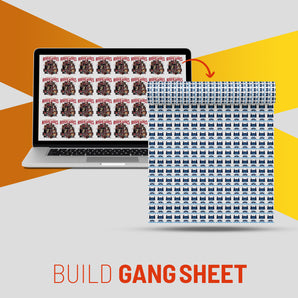
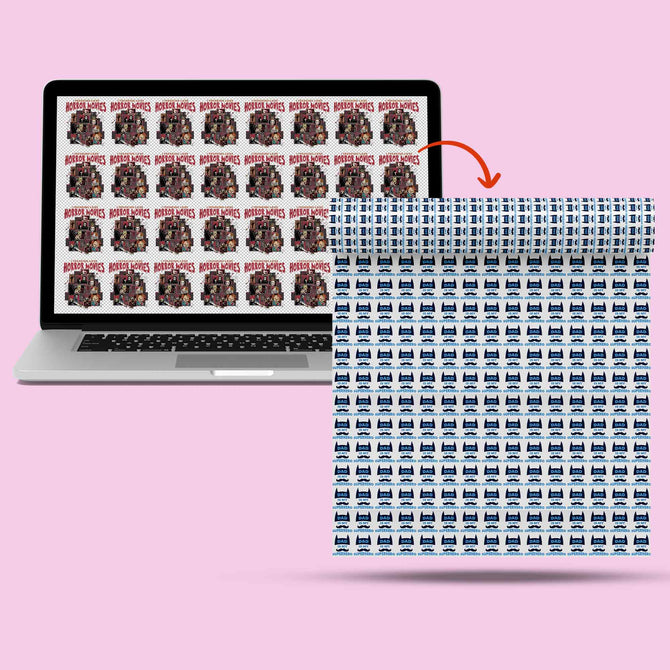
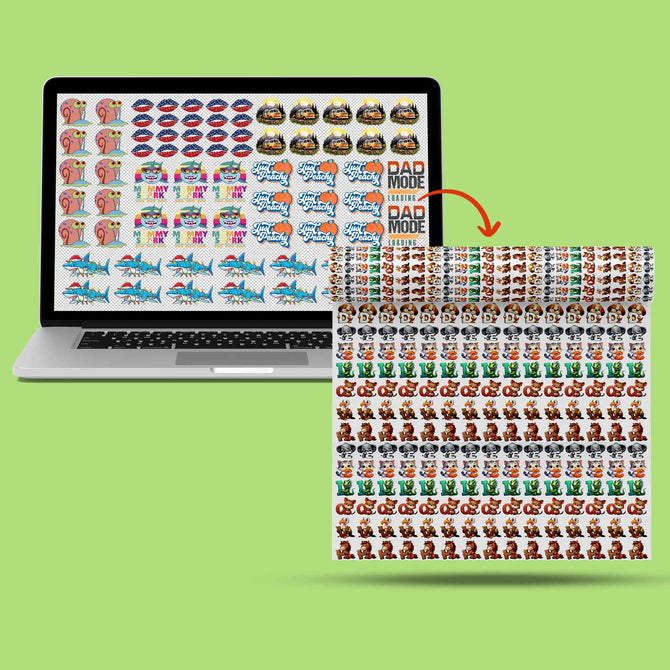
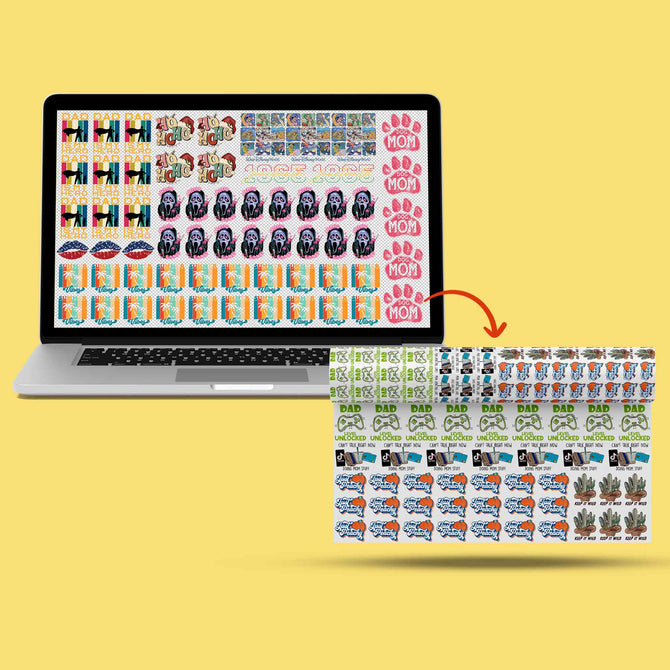
Sometimes, the most efficient move isn't printing in-house. If you're facing a massive order or a tight deadline, ordering custom dtf transfers can be a smarter play. It removes the maintenance and labor costs from your plate. Our dtf gang sheets are another powerful tool for high-volume efficiency. They allow you to maximize your workspace and save significant time on supply management. We provide the flexibility to choose the best path for your project's success. Ready to upgrade your output? Shop Iris DTF Supplies today and experience the difference that professional-grade reliability makes.
Scale Your Printing Production with Battle-Tested Reliability
Master the chemical synergy of your materials to eliminate the clogs and cracking that stall your business growth. You now have the technical roadmap for maintaining a perfect 40 to 60 percent humidity environment and a proactive maintenance schedule that protects your hardware investment. Professional results depend on high-performance dtf supplies that have been pushed to the limit in real-world production settings. We bring over 10 years of industry expertise to every product we offer, ensuring your shop stays efficient and profitable.
Our materials are tested in-house to guarantee 50+ wash cycle durability for your retail-ready apparel. Stop waiting on slow shipments and take advantage of our Richardson-based local pickup to keep your production line moving at full speed. Shop Professional-Grade DTF Supplies at Iris DTF today and start delivering the vibrant, durable gear your clients demand. Your success is our mission. We are ready to help you hit every deadline with confidence and precision. Your next big project deserves a perfect finish.
Frequently Asked Questions
What is the most important DTF supply for print quality?
High-opacity white ink is the most critical component for professional print quality. It serves as the foundation for your CMYK colors and the bridge for your adhesive powder. Without a dense, consistent white layer, your designs will appear dull and the transfer may eventually peel. Investing in premium white ink prevents dye migration and ensures your designs pop on dark fabrics.
Can I use regular heat transfer vinyl (HTV) powder for DTF?
You cannot use regular HTV powder for Direct-to-Film printing. DTF requires specialized TPU (Thermoplastic Polyurethane) adhesive powder formulated to bond with wet pigment ink. HTV adhesives are designed for solid vinyl and lack the specific melting point and chemical properties needed to fuse with digital transfers. Using the wrong powder will lead to poor adhesion and prints that crack after the first wash.
How long do DTF supplies last before they expire?
DTF inks typically have a shelf life of six to twelve months depending on the color. White ink usually expires faster due to titanium dioxide sedimentation. PET film and adhesive powder can last up to two years if kept in a cool, dry environment. Always follow a "First In, First Out" inventory system to ensure you are using the freshest materials for your production runs.
Is there a difference between DTF film for desktop vs. large format printers?
The primary difference is the physical format and the coating technology optimized for specific printhead speeds. Desktop printers generally use A3 or A4 sheets, while large-format machines require rolls ranging from 24 to 48 inches. Ensure your dtf supplies match your printer's feeding system and curing hardware to avoid film warping. Professional rolls are often double-matte coated for better ink retention during high-speed production.
Why is my white ink turning yellow after pressing?
Yellowing is usually caused by over-curing the transfer or dye migration from polyester fabrics. If you apply too much heat or press for too long, the adhesive powder can scorch. To prevent this, stick to the 300°F to 325°F range for 10 to 15 seconds. If you are pressing on 100 percent polyester, use a low-bleed white ink specifically designed to block migrating garment dyes.
Can I find DTF supplies for local pickup in Dallas?
You can secure professional dtf supplies for local pickup at our Richardson facility in the Dallas-Fort Worth metroplex. This is a significant advantage for shops in Plano, Garland, and Frisco looking to eliminate shipping costs and transit downtime. We maintain a full inventory of inks, films, and powders that are tested in-house. It is the most efficient way to restock your shop and get back to work immediately.
What is the best temperature to store DTF ink?
Store your DTF ink in a climate-controlled environment between 59°F and 86°F. Extreme temperatures will alter the ink's viscosity and lead to clogs or chemical separation. Keep your bottles away from direct sunlight and avoid storage areas with high humidity. Consistent conditions protect the pigment's integrity. This ensures your colors remain accurate and your printheads stay clear throughout the production year.