
Best DTF Powder for Polyester: 2026 Professional Guide

What Is This Article About?
Your DTF powder isn't just an adhesive. It's the only thing standing between a professional-grade performance shirt and a ruined, bleeding mess. Most printers believe all TPU powders are created equal. Then they watch a crisp white logo turn a muddy pink on a red polyester jersey. It's a common headache. You want prints that stretch without cracking. You need a finish that feels like part of the fabric, not a thick plastic patch.
Finding the best dtf powder for polyester is about more than just stickiness. It's about building a chemical barrier against dye migration and a mechanical bridge for fabric elasticity. We've mastered this process in our Richardson facility. We know exactly what it takes to achieve industrial-grade durability that lasts. This guide cuts through the noise. We'll show you how to select the right particle size and adhesive type to guarantee vibrant results. You'll discover the secrets to maintaining a soft-hand feel and 50+ wash cycle durability on every garment. We even cover the critical July 2026 CPSC eFiling requirements you need to stay compliant. Let's get to work.
Key Takeaways
- Understand why polyester's synthetic nature causes dye migration and how to block it effectively at the chemical level.
- Identify why TPU is the best dtf powder for polyester when you need maximum stretch and a soft, professional hand-feel.
- Learn how black adhesive powder serves as a carbon blocker to keep white prints vibrant on dark performance gear.
- Master the "low and slow" curing philosophy to prevent scorching or shrinking heat-sensitive synthetic fabrics.
- Leverage local Richardson expertise to source industrial-grade supplies that guarantee 50+ wash cycle durability.
Why Polyester Requires Specialized DTF Adhesive Powder
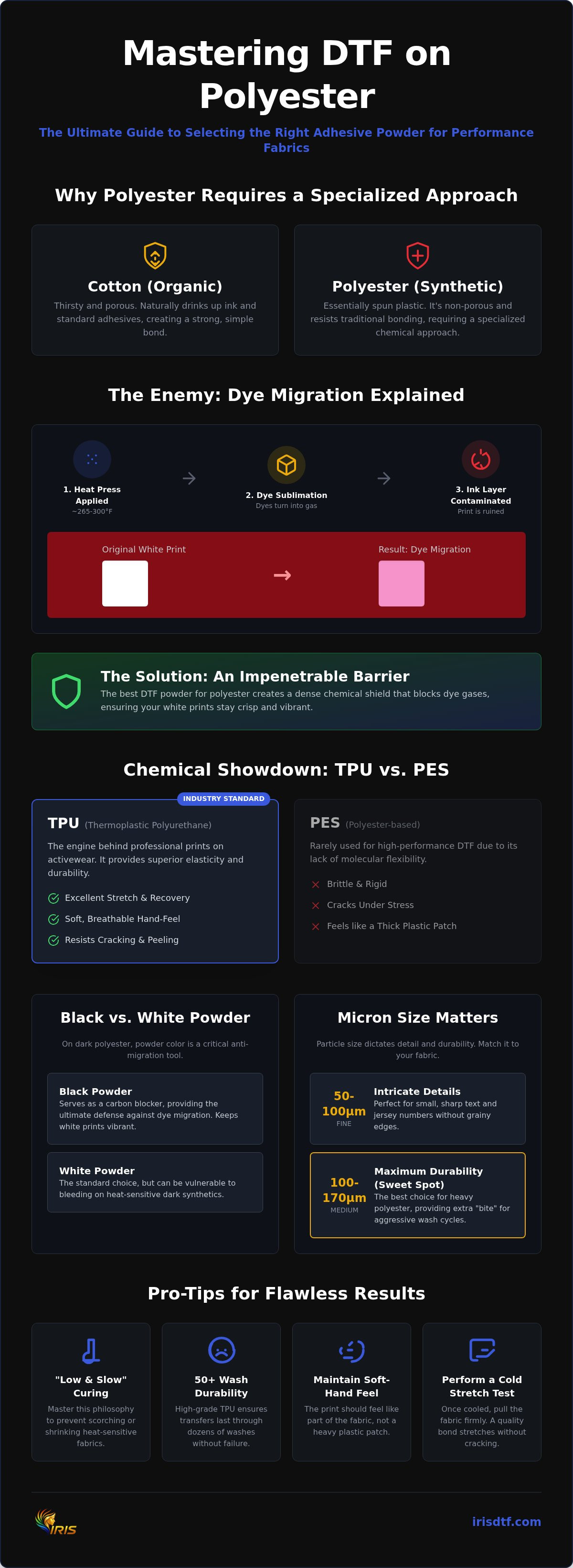
Cotton is thirsty. It's organic and porous. It drinks up ink and adhesive. Polyester is a different beast entirely. It is essentially spun plastic. Because it is non-porous, it resists traditional bonding. This is why the Direct-to-film (DTF) printing process requires a surgical approach when dealing with synthetics. Standard powders might grip the surface temporarily. They won't create the permanent, rugged bond required for high-performance apparel. You need a solution that understands the chemistry of the fabric.
Heat is the primary catalyst for failure on polyester. When the heat press hits the garment, the synthetic pores expand. This releases dispersed dyes. These dyes turn into gas. It's a process called sublimation. Generic "all-purpose" powders are designed for cotton and lack the density to block these gases. The best dtf powder for polyester creates an impenetrable barrier. It stops gas in its tracks. This ensures your bright white logos stay white on the darkest red or navy fabrics. It balances aggressive chemical adhesion with the mechanical flexibility needed for activewear.
The Problem of Dye Migration in Polyester Printing
Dye migration is the ultimate dealbreaker for professional printers. It happens when heat triggers sublimation, usually starting around 265 degrees Fahrenheit and peaking at 300 degrees. The dyes travel from the fabric into your ink layer. Suddenly, your crisp white print looks muddy and cheap. Low-quality powders can actually accelerate this bleeding by holding heat against the fabric for too long. You need a specialized adhesive that melts at a lower temperature but provides a high-density thermal shield. Better chemistry means better results. No more pink logos on red jerseys.
Elasticity and Recovery: The "Stretch Factor"
Performance gear is built for movement. Think spandex blends, compression shirts, and moisture-wicking jerseys. Your adhesive must move with the athlete. If the bond is too rigid, the print will crack during the first lunge or sprint. This is where the best dtf powder for polyester proves its worth. High-elongation TPU adhesives offer superior recovery. They stretch and then snap back to their original shape. This durability ensures the print stays intact through 50+ wash cycles while maintaining a soft, breathable hand-feel. It shouldn't feel like a heavy plastic patch on the chest. It should feel like part of the shirt.
TPU vs. PES: Choosing the Right Chemical Base for Stretch
Chemistry determines performance. If you're printing on activewear, you're choosing between TPU and PES. Thermoplastic Polyurethane (TPU) is the undisputed industry standard. Polyester-based (PES) powders exist, but they are rarely used in the DTF world. Why? Because PES is brittle. It lacks the molecular "give" required for a garment that moves. TPU is the engine behind the best dtf powder for polyester. It provides the elasticity that allows a print to survive a marathon or a heavy gym session without flaking off.
High-quality TPU molecules interlock with synthetic fibers at a microscopic level. This isn't just about sticking to the surface. It's about total integration. Research into specialized DTF adhesive powder highlights how the melt-flow index impacts the wetting of the fabric. You want a powder that melts consistently at a specific temperature. Look for clarity and uniformity. If your powder looks like yellowed salt after curing, your bond is compromised. Professional-grade TPU should be crystal clear and smooth to the touch. It creates a bridge between the ink and the fabric that resists peeling and cracking.
Micron Matters: Fine vs. Coarse Powder Particles
Particle size dictates detail and durability. The 80-200 micron range is your playground. Fine powders (50-100μm) are perfect for intricate jersey numbers or small, sharp text. They settle into the fine details of the ink without leaving a grainy edge. However, for maximum durability on heavy polyester, medium-coarse powder (100-170μm) is the sweet spot. Choosing the best dtf powder for polyester means matching the micron size to your specific fabric weight. This extra "bite" ensures the transfer stays put through aggressive washing. If you're looking for the right balance, checking out professional DTF supplies can help you find the exact grade for your specific project.
The Elasticity Test: Ensuring Your Prints Don’t Crack
Don't guess; test. Perform a "cold stretch" test once your transfer has completely cooled. Grip the fabric on either side of the print. Pull it firmly. A high-quality TPU bond will stretch smoothly with the fabric. If you hear a faint "crackle" or see micro-fractures in the white ink, your powder is either low-quality or over-cured. Tensile recovery is the ability of a cured TPU adhesive to return to its original dimensions after being stretched to its limit. If the print stays deformed or "ghosts" after the stretch, the adhesive has failed. Get this right, and your prints will outlast the garment itself.
Black vs. White Powder: The Anti-Migration Secret for Dark Polyester
Dark polyester is a minefield. You press a crisp white logo on a red jersey and everything looks perfect. Ten minutes later, it’s pink. This is dye migration. It happens because polyester dyes turn into gas under heat. Standard white adhesive is porous. It lets that gas pass right through. To stop this, you need a chemical barrier that white powder simply can't provide. Chemistry matters. If you aren't using a blocker, you're just waiting for a customer complaint.
Premium black TPU is the best dtf powder for polyester when you're dealing with high-energy dyes. It isn't just colored black for looks. It uses carbon-blocker technology. These carbon particles create a dense, opaque shield. They trap sublimated gases before they can contaminate your white ink layer. This is why professional shops in the DFW area don't gamble with standard powders on dark synthetics. The visual difference is striking. A white powder transfer on red poly often "ghosts" within 24 hours. A black powder transfer stays bright white indefinitely. It's an insurance policy for your reputation.
Is the premium cost worth it? Consider the math. Re-printing a batch of 50 ruined jerseys costs far more than a bag of specialized adhesive. For any brand focused on high-end activewear, the choice is clear. You get:
- Total elimination of "pink-out" defects on red and maroon fabrics.
- A neutral, high-opacity base that makes colors pop.
- Industrial-grade durability that survives 50+ wash cycles.
- Fewer returns and higher customer satisfaction.
When to Use White TPU Powder on Polyester
White powder remains the workhorse for white, light gray, or pastel garments. It ensures maximum color vibrancy for CMYK prints without any dark base interference. For textured pique fabrics, white powder is often easier to apply evenly. It reaches the bottom of the "valleys" in the fabric weave more consistently. If the fabric doesn't have dark dyes to bleed, stick with white. It’s efficient and cost-effective for light-colored performance gear.
Mastering Black Powder for Performance Jerseys
Local Richardson sports teams demand durability. They need jerseys that withstand high-intensity wear and frequent washing. Black powder is their secret weapon. To avoid "speckling" (small black dots visible on the film), you must dial in your shaker settings. You want a heavy coat on the ink but a clean clear-film area. Because black powder is naturally more opaque, it can actually improve the "pop" of your colors on dark garments. It provides a completely neutral, dark background that prevents the shirt color from dulling your design.
Curing and Pressing Tips for Performance Fabrics
Polyester is sensitive. If you treat it like cotton, you'll regret it. High heat causes "shining" or scorching on synthetic fibers. This is why the "low and slow" philosophy is essential for activewear. You need to melt the adhesive without damaging the garment. The best dtf powder for polyester is designed to liquefy at lower temperatures, typically between 275°F and 290°F. This range protects the fabric while ensuring a permanent bond. Don't rush the process. A longer cure time at a lower temperature is always better than a fast, high-heat blast that risks shrinking the shirt.
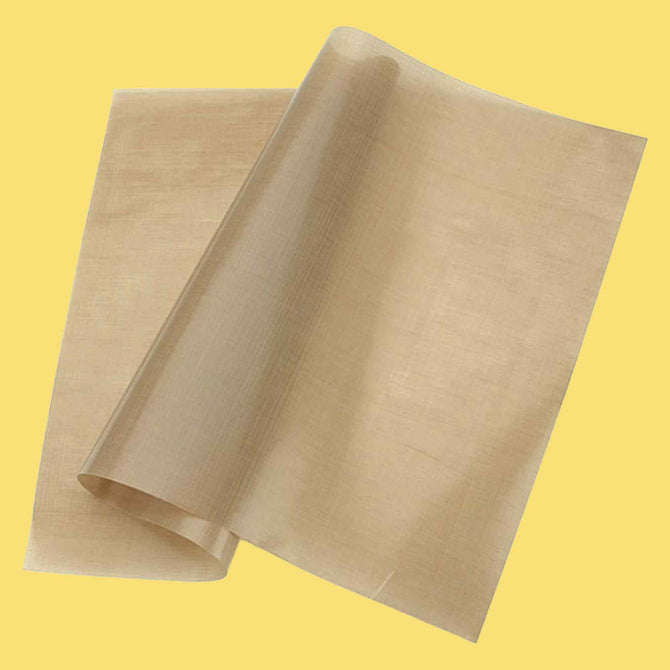
Pressure is another critical variable. Heavy pressure is the enemy of polyester DTF. It forces the melted TPU too deep into the fabric weave, which creates a stiff, "plastic" hand-feel. It can also cause adhesive to ooze out from the edges of your design, leaving a messy halo. Aim for medium to light pressure. This keeps the print sitting on top of the fibers for maximum vibrancy and stretch. Always finish with a five-second post-press using a Teflon sheet or parchment paper. This final step seals the edges and gives the design a retail-ready finish that won't peel after a few workouts.
Combating North Texas Humidity in Your Shop
Richardson and Dallas shops deal with unique climate challenges. North Texas humidity is a silent killer for TPU powder. When the air is thick, your powder clumps. This leads to an "orange peel" texture on your cured transfers. It's frustrating and wasteful. You'll see the powder sticking to the film in areas where there is no ink. This is a clear sign of moisture absorption. Store your supplies in airtight containers with silica gel packs. Keeping your best dtf powder for polyester bone-dry is the only way to maintain consistent, industrial-grade results. If your current stock is clumping, it's time for an upgrade. You can find fresh, high-quality DTF supplies ready for local pickup at our Richardson facility.
Step-by-Step Pressing Guide for Polyester
Success starts with a pre-press. Press the garment for five to eight seconds to remove trapped moisture and flatten the synthetic weave. This creates a smooth canvas for the transfer. While hot-peel films are popular, many pros prefer a cold peel for polyester. It allows the TPU to fully solidify and lock into the fibers before you remove the film. This extra minute of patience prevents "lifting" issues on slippery performance fabrics. Once the film is removed, do a final press. This ensures the print moves with the fabric and withstands the 50+ wash cycles your customers expect. It's the difference between a shirt that looks good today and one that looks good next year.
Professional-Grade DTF Supplies in the Dallas-Fort Worth Metroplex
Local reliability changes the game. Richardson apparel brands don't have time for inconsistent shipments or low-grade materials that fail under pressure. At Iris DTF, we've spent over 10 years perfecting the digital transfer process right here in the DFW metroplex. We know that the best dtf powder for polyester is only as good as the supply chain behind it. Using professional-grade TPU ensures your activewear prints survive the toughest conditions. It isn't just about the powder; it's about a system where every component works together.
Pairing your adhesive with high-quality DTF ink is the only way to achieve industrial-grade 50+ wash cycle durability. High-volume shops also rely on custom DTF gang sheets to maximize output and minimize waste. We provide the tools you need to stay competitive in the fast-paced North Texas market. When your supplies are tested and verified for local conditions, your production stays on track.
Wholesale Solutions for Growing Apparel Brands
Scaling a custom t-shirt business requires total consistency. You can't afford a bad batch of adhesive ruining a major order. We offer bulk TPU powder options that meet the rigorous demands of Richardson printing shops. Our local expertise means we've already troubleshot the humidity and heat issues common in North Texas. We don't just sell supplies; we provide the technical support to ensure your production line stays moving. Whether you're a small boutique or a massive commercial operation, our Richardson facility is your behind-the-scenes engine for success.
Ready-to-Press Transfers vs. DIY Supplies
Sometimes you need the powder to handle the job in-house. Other times, the most efficient move is to order custom DTF transfers that are ready to press immediately. We handle both. If you're managing a massive sports team order, outsourcing the printing to our professional Richardson-based team ensures perfect quality control. You get the same best dtf powder for polyester we use on our own commercial runs. This versatility allows you to pivot between small custom projects and high-volume branding without missing a beat.
Stop guessing and start printing. Our Richardson facility is open for local pickup, or we can ship directly to your door with the speed your business demands. Experience the difference that industrial-grade supplies make for your brand. Visit us in Richardson or place your order online today. We're ready to get to work.
Build a High-Performance Brand That Lasts
You now have the technical blueprint for professional polyester printing. Success comes down to the details. Choosing the best dtf powder for polyester is the first step toward stopping dye migration and ensuring maximum stretch. Whether you are using black TPU as a carbon blocker or mastering the "low and slow" curing method, your goal is industrial-grade durability. Don't settle for prints that crack or fade after a single season. Your customers expect retail-ready quality that stands up to the most intense workouts and frequent washing.
We make it easy to achieve those results. Our Richardson, TX facility provides the local expertise and professional-grade materials needed to scale your business with confidence. We offer specialized solutions for DFW sports teams and apparel brands that are tested to survive 50+ wash cycles. Why guess when you can use proven supplies? Shop Professional DTF Supplies and Transfers at Iris DTF and take your production to the next level today. Your creative vision deserves a professional finish. Let's get to work.
Frequently Asked Questions
Is black DTF powder better than white powder for polyester?
Yes, black powder is the professional choice for dark polyester garments. It contains carbon-blocker technology that stops dye migration. While white powder works perfectly for light fabrics, it can't prevent red or navy dyes from sublimating into your print. Black powder ensures your white logos stay crisp and bright without turning pink or gray over time.
How do I prevent my DTF prints from peeling off polyester after washing?
Peeling is usually caused by trapped moisture or insufficient pressure. Always pre-press your garment for five to eight seconds to dry the fibers. Use a high-quality TPU adhesive and a cold peel method to ensure the bond is fully set before removing the film. Finishing with a five-second post-press locks the design into the synthetic weave for industrial-grade durability.
What is the best temperature to cure DTF powder for polyester?
The optimal range is between 275°F and 290°F. Polyester is heat-sensitive and will scorch if the temperature is too high. Using the best dtf powder for polyester allows you to achieve a full melt at these lower temperatures. This "low and slow" approach protects the fabric integrity while ensuring the adhesive liquefies enough to create a permanent, rugged bond.
Can I use regular DTF powder on 100% polyester jerseys?
You can, but it often leads to cracking or bleeding. Regular powders are typically designed for cotton and lack the extreme elasticity needed for jerseys. Performance gear requires a specialized TPU powder that moves with the athlete. Without it, your prints will feel like a stiff plastic patch and may fail after just a few high-intensity wash cycles.
Why does my DTF powder look clumpy or grainy on the film?
Moisture is the most likely cause. TPU powder is hygroscopic and quickly absorbs humidity from the air, which is a common issue for North Texas shops. This moisture causes clumping and creates a rough "orange peel" texture on your cured transfers. Always store your supplies in airtight containers with silica gel packs to keep the particles fine and free-flowing.
How long does DTF powder last once the bag is opened?
Expect a shelf life of six to twelve months with proper storage. The clock starts the moment the seal is broken. If you live in a humid climate like Dallas, that window can shrink if the bag isn't resealed perfectly. For the most consistent results, high-volume shops should rotate their stock frequently to ensure they are always using the best dtf powder for polyester.
Does DTF powder work on moisture-wicking performance fabrics?
Yes, DTF is the ideal solution for moisture-wicking gear. Unlike thick screen print inks, a quality TPU adhesive creates a thin, flexible layer that doesn't block the fabric's breathability. It maintains the performance properties of the garment while providing a vibrant, durable design. Just remember to use a high-stretch powder to ensure the print doesn't crack when the fabric expands.
What is the difference between hot melt adhesive and TPU powder?
TPU is a high-performance type of hot melt adhesive. While the term "hot melt" covers many materials, Thermoplastic Polyurethane (TPU) is the industry standard for apparel. It offers superior elasticity and a softer hand-feel compared to other adhesives like PES. TPU is specifically engineered to handle the mechanical stress of stretching and the chemical stress of industrial washing without failing.