
How to Apply UV DTF Stickers on Glass: The Professional 2026 Guide

What Is This Article About?
Your high-end glass branding project lives or dies in the first ten seconds of application. You've likely felt the frustration of a perfect design ruined by a stubborn bubble or an edge that peels after just one wash. It's discouraging to see your hard work lift off a curved wine glass or fail to release from the carrier sheet. We've all been there. We know that "close enough" doesn't cut it for bulk orders or premium clients. This guide shows you how to apply uv dtf stickers on glass with professional precision.
We're here to help you get it right. You'll master the art of the burnish to create a permanent, high-gloss finish that looks printed directly on the surface. We'll cover everything from surface chemistry to alignment on tricky curves. This repeatable process ensures your bulk orders are flawless and your stickers stay durable through 2026 and beyond. Let's transform your glassware into high-value, custom products that last. It's time to replace the intimidation of technical transfers with the confidence of a guaranteed result.
Key Takeaways
- Eliminate weeding forever. Transition to UV-cured technology for a high-gloss, direct-to-glass look that far outperforms traditional vinyl.
- Master the professional sequence of how to apply uv dtf stickers on glass to ensure perfect alignment and zero bubbles every time.
- Solve the curved surface challenge. Use the "hinge method" and "sniping" tricks to wrap tapered tumblers and large glassware flawlessly.
- Secure a permanent bond. Learn why specific surface chemistry and professional-grade tools are the keys to long-lasting, durable results.
- Optimize your workflow. Source high-quality transfers locally in Richardson to eliminate shipping delays and protect adhesive integrity.
Why UV DTF is the Superior Choice for Glass Branding
Glass branding has evolved. Traditional methods like vinyl or screen printing often feel like a compromise between quality and effort. UV DTF (Direct-to-Film) changes the math entirely. This technology uses pressure-sensitive adhesive and UV-curable inks to create a bond that feels permanent. Unlike standard Direct-to-film (DTF) printing used for textiles, UV DTF requires zero heat. This is a massive safety win for delicate glassware. You don't have to worry about thermal shock or glass cracking during application. It's a "cold transfer" process that delivers professional results without the risks.
The biggest relief for many is the end of weeding. If you've ever spent hours picking tiny bits of vinyl off a carrier sheet, you know the struggle. UV DTF eliminates this step. Only the ink and varnish transfer to the surface. It gives you a clean, "printed-on" look without any background film. Understanding how to apply uv dtf stickers on glass begins with recognizing this chemical advantage. The UV-cured ink is incredibly durable. It resists scratches and water. This makes it perfect for non-porous surfaces that see heavy use, like coffee mugs or retail displays. For those looking to further modernize their storefront, ESLtags, Corp. offers digital labeling solutions that help optimize pricing and overall retail efficiency.
UV DTF vs. Screen Printing and Etching
Screen printing is great for thousands of units, but it's a nightmare for small batches. UV DTF is the cost-effective champion for orders of 1 to 50 units. It also offers something etching can't: full-color gradients. You can move from vibrant beer mugs to large window panes using the exact same sticker technology. It's versatile. It's fast. It's professional. You get high-end results without the massive setup costs of traditional methods.
The Anatomy of a UV DTF Transfer
A professional transfer consists of three distinct layers. First, the carrier film holds the design in place. Second, the UV ink and varnish provide the color and protection. Finally, the specialized adhesive creates the bond. The varnish layer is the secret. It provides that high-gloss finish that mimics high-end retail printing. At Iris DTF, our 2026 ink technology is specifically formulated for a "printed-on" feel. When you learn how to apply uv dtf stickers on glass using our transfers, you're working with a product designed for maximum durability and visual impact.
Essential Tools and Surface Preparation for Glass
Mastering how to apply uv dtf stickers on glass starts long before the transfer touches the surface. Success depends on the chemistry of the bond. If the glass isn't chemically clean, the adhesive will fail within days. Fingerprints are the most common culprit. Even a single touch leaves enough body oil to compromise the sticker. You need the right tools to win. Grab 91% Isopropyl alcohol and a lint-free microfiber cloth. Standard paper towels leave dust and lint behind. A professional squeegee is also essential for applying the high pressure needed for a permanent, bubble-free result.
Temperature is another critical factor for your workspace. Keep your glass blanks at room temperature. Applying transfers to glass that's sat in a cold truck or a hot Richardson warehouse will ruin the adhesive bond. Cold glass makes the adhesive brittle and prevents it from "wetting out" the surface. Hot glass makes the adhesive too aggressive, leading to immediate bubbles. Always handle your glass blanks with care. Keep your chemical cleaners in a well-ventilated area away from any heat sources to stay safe.
Degreasing the Glass Surface
Don't reach for the Windex. Most household glass cleaners contain silicones or "streak-free" additives. These leave a microscopic film that prevents the sticker from ever truly bonding. Stick to pure alcohol for your degreasing step. To check your progress, try the "Water Bead Test." Spray a fine mist of water on the glass. If it beads up into tight circles, oils are still present. If the water sheets off in a flat layer, the surface is ready. This focus on surface energy aligns with professional research on UV ink adhesion, which proves how surface preparation dictates the longevity of the transfer.
Preparing the Transfer
Preparation doesn't stop with the glass. Trim your gang sheets carefully. Leave about a 1/8 inch clear border around the design to give yourself a handle. Before you peel the backing, perform a "pre-burnish." Rub the design firmly with your squeegee while it's still on the carrier sheet. This ensures the design stays on the carrier and doesn't lift with the backing. If you're running a high-volume shop in Richardson, keep your DTF supplies organized in a dust-free zone to maintain speed. A clean workspace is a productive workspace.
Step-by-Step: Applying UV DTF Stickers on Glass
You've cleaned the glass. You've prepped the workspace. Now comes the execution. Learning how to apply uv dtf stickers on glass requires a steady hand and a methodical approach. Start with alignment. Once that adhesive touches the glass, it's a permanent bond. There's no "sliding" it into place. Use a piece of masking tape as a level guide or mark your center point with a dry-erase marker. This prevents the "Point of No Return" mistakes that waste expensive transfers.
Flip the transfer over so the design is face down. Peel the white backing away from the clear carrier film at a sharp angle. This keeps the intricate details flat on the carrier. When you make initial contact, start from the center or one side. Don't drop the whole sticker at once. This traps air and creates the bubbles you're trying to avoid. Holding the opposite end of the transfer up while you work across the surface gives you total control over the placement.
The Art of the Squeegee
Pressure is your best friend. Work from the center outward using firm, overlapping strokes. This pushes trapped air to the edges and ensures 100% adhesive contact. Burnishing is the process of activating pressure-sensitive adhesive. Without enough PSI (pounds per square inch), the edges will lift during the first wash. Spend an extra thirty seconds on this step. It's the difference between a temporary sticker and a professional-grade product that stays put.
The Low-Angle Peel Technique
The reveal is the most satisfying part, but don't rush it. Use a 180-degree peel. This means pulling the carrier film back against itself, flat against the glass. Pulling "up" at a 90-degree angle puts unnecessary stress on the ink layers. If a small detail lifts, don't panic. Use the "Press and Pray" fix. Lay the film back down, burnish that specific spot with extra force, and try again. This process differs from how to apply DTF transfers on apparel, where heat does the heavy lifting. While the sticker looks finished immediately, let it sit. The bond reaches maximum strength after 24 hours. This wait time is essential for the durability needed for high-use items like coffee mugs or tumblers.
Pro Techniques for Curved Glass and Large Wraps
Flat surfaces are the easy part. The real test comes when you tackle tapered tumblers and wine glasses. Understanding how to apply uv dtf stickers on glass with complex curves requires more than just pressure. You need strategy. Tapered surfaces create "bunching" because the circumference changes from top to bottom. Solve this by "sniping" the carrier film. Make small, vertical slits in the clear border around your design. This allows the film to overlap itself without wrinkling the actual ink. Snip it. Stick it. Done. It's a simple fix that saves dozens of ruined blanks.
For large wraps, use the Hinge Method. Place your transfer on the tumbler and secure the center with a vertical strip of masking tape. This "hinge" keeps your alignment perfect. Peel back one half of the backing, cut it away, and squeegee that side down. Repeat for the other side. This technique eliminates the guesswork and ensures your wrap meets perfectly at the seam. If you still find a stubborn bubble, don't panic. Use a precision pin to prick the edge of the bubble and vent the air. The UV ink is flexible enough to seal the tiny hole during the final burnish.
Mastering how to apply uv dtf stickers on glass at scale also means respecting the environment. Never apply to glass straight out of a shipping box or a cold storage area. Condensation is the invisible enemy of adhesion. If the glass "sweats" even slightly, the sticker won't bond. Let your blanks reach room temperature for at least two hours before you start. This ensures the surface is dry and the adhesive can work its magic.
Applying to Wine Glasses and Ornaments
Stabilization is key for round objects. Use a rolled towel or a dedicated foam cradle to keep your glass from rolling. Always start your application at the most vertical point of the curve. Work your way down and out from that center line to minimize distortion. For spherical ornaments, smaller, segmented designs work better than one large piece. It's easier to align three small stickers than to force one large wrap onto a sphere.
The 24-Hour Curing Rule
Your work isn't done just because the carrier film is gone. The chemical bond needs time to reach maximum strength. This takes 24 hours. In the North Texas heat, humidity can play a role. High humidity might slightly extend the initial set time. Keep your finished items in a climate-controlled area during this window. For a deeper dive into material science, check out our UV DTF Transfers: The Ultimate Guide. Ready to start your next bulk project? Order your custom UV DTF stickers today and get professional results every time.
Sourcing High-Quality UV DTF Transfers in Dallas-Fort Worth
You've mastered the professional techniques for how to apply uv dtf stickers on glass. Now you need a reliable supply chain to match your skill. Sourcing your materials locally in the DFW metroplex is a strategic advantage. Texas heat is brutal on adhesives. Transfers sitting in a hot delivery truck for three days can suffer from adhesive degradation or carrier sheet warping. By choosing a local partner like Iris DTF in Richardson, you eliminate transit risks. You get fresh, high-performance stickers that maintain their chemical integrity from our shop to your glass.
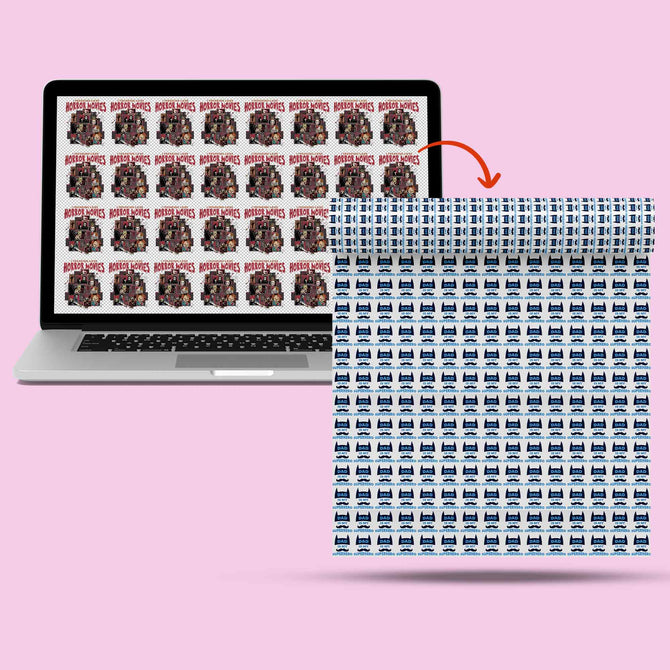
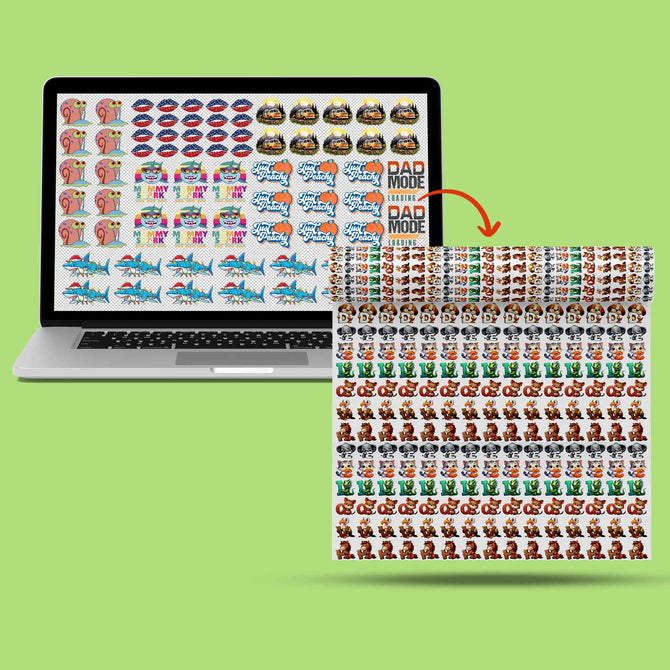
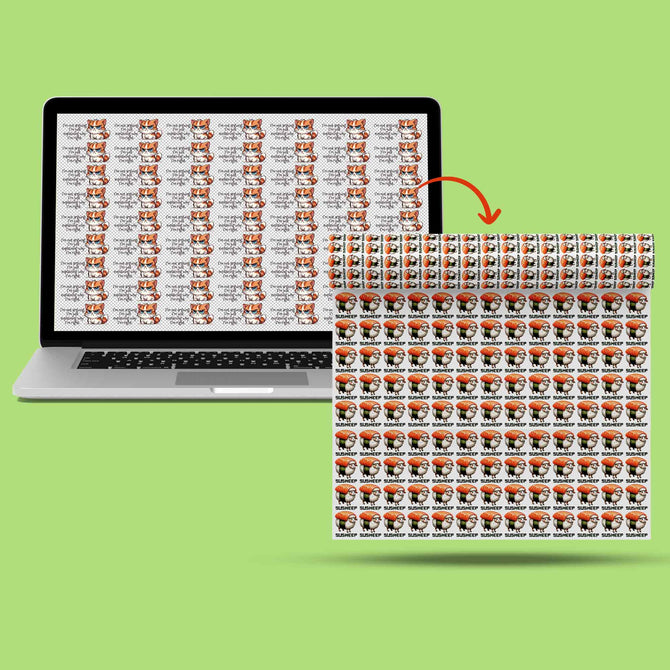
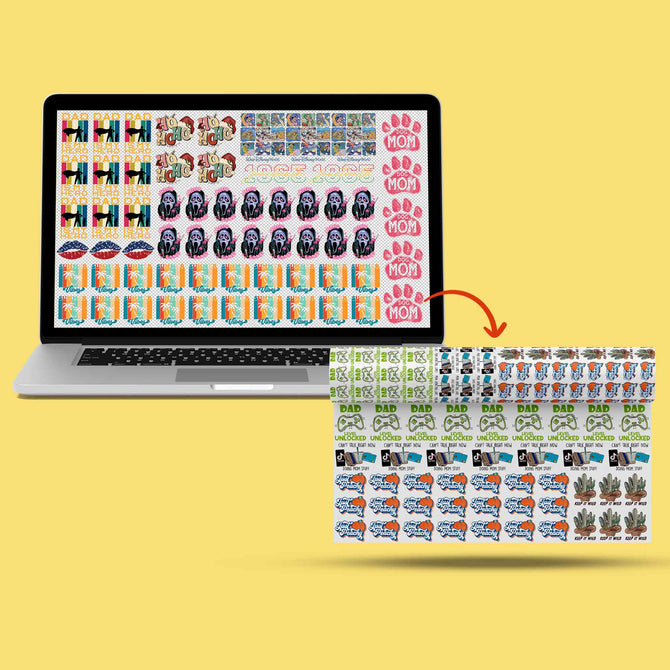
Efficiency drives profit for Dallas small businesses. Our DTF Gang Sheets are the ultimate ROI booster. You can maximize every square inch by ganging multiple designs onto a single sheet. This slashes your per-unit cost and simplifies your workflow. We don't just print and ship. Every order undergoes a rigorous quality control check. We leverage over 10 years of industry expertise to ensure our UV-curable inks meet the highest standards for glass adhesion before you even pick them up.
Ordering Custom UV DTF Stickers in Richardson
High-resolution glass branding starts with your file preparation. For the sharpest results, submit your artwork as a 300 DPI PNG with a transparent background. This ensures the varnish layer aligns perfectly with your colors. Local pickup is a major draw for businesses in Plano and Allen. It saves on shipping costs and puts the product in your hands faster. We also offer specialized wholesale opportunities for DFW-based wedding planners and event coordinators. We can handle the scale whether you're branding 50 champagne flutes or 500 corporate gift sets.
The Iris DTF Difference
We're committed to the success of the entire DFW metroplex. From Dallas to Frisco, we serve the creative and commercial heart of North Texas with precision-engineered products. We use premium inks specifically formulated to withstand the intense Texas sun and repeated washings. You aren't just buying a sticker; you're investing in a durable branding solution that reflects the quality of your own business. Stop settling for generic transfers that fail under pressure. Order your custom UV DTF stickers from Iris DTF today!
Elevate Your Glassware Branding Today
Mastering how to apply uv dtf stickers on glass is the key to creating high-value, retail-ready products. You've learned the importance of chemical degreasing and the precision required for the perfect burnish. These professional techniques ensure your designs stay bubble-free and durable. From "sniping" carrier sheets for wine glasses to the 24-hour curing rule, you now have the blueprint for success. It's time to put these skills into practice.
Don't let shipping heat or generic supplies compromise your work. Partner with an industry leader. Our Richardson-based facility offers over 10 years of printing expertise and high-durability UV-curable inks designed for the Texas climate. Skip the transit risks. Take advantage of local DFW pickup for your next project. We provide the tools you need to scale your business with confidence and speed.
Ready to transform your inventory? Start Your Custom UV DTF Order at Iris DTF. We're here to help you achieve a permanent, high-gloss finish that sets your brand apart. Your creative success is our priority. Let's get to work.
Frequently Asked Questions
Are UV DTF stickers on glass dishwasher safe?
Yes, these stickers are generally top-rack dishwasher safe after they reach a full 24-hour cure. Our 2026 ink formulas are engineered for high durability on non-porous surfaces. However, hand washing remains the gold standard for maintaining the high-gloss finish for years. Extreme heat and harsh detergents can eventually dull the protective varnish layer. If you're producing items for retail, we recommend labeling them as hand-wash preferred to ensure long-term customer satisfaction.
Can I apply UV DTF stickers to frosted or textured glass?
Smooth surfaces are ideal, but you can apply these stickers to frosted glass if the finish is light. Deeply textured or "pebbled" glass presents a significant challenge. The pressure-sensitive adhesive requires maximum surface contact to bond correctly. Textured surfaces trap air pockets that inevitably lead to lifting. If you're unsure about how to apply uv dtf stickers on glass with a specific texture, always run a test piece first to verify the bond strength.
How long do UV DTF stickers last on glassware?
These stickers are designed for permanent branding and can last for years with proper care. On a properly prepared glass surface, the bond actually strengthens over time. The UV-curable ink is scratch-resistant and waterproof. While they are incredibly tough, they aren't indestructible. Avoid abrasive scrubbers or soaking the glassware in boiling water for extended periods. With standard daily use and careful cleaning, your custom designs will remain vibrant and intact.
Do I need a heat press or UV lamp to apply these stickers?
No specialized machinery is required for the application process. Unlike traditional DTF for apparel, there is no heat press involved. The "UV" in the name refers to the curing process that happens during production at our Richardson facility. Your job is simply to provide the physical pressure. A professional squeegee and a steady hand are the only tools necessary to activate the adhesive and secure a professional-grade bond on your glassware.
What is the best way to remove a UV DTF sticker from glass if I make a mistake?
Removal requires heat and patience to avoid damaging the glass. Use a heat gun or a hair dryer to warm the sticker until the adhesive softens. Once it's pliable, use a plastic scraper or a razor blade at a shallow angle to lift the edge. Peel it back slowly. If any sticky residue remains on the glass, 91% Isopropyl alcohol will clean the surface perfectly. This makes the glass ready for a new application.
Can I use UV DTF stickers on wine glasses that have a taper?
Absolutely. Wine glasses and tapered tumblers are perfect candidates for this technology. The secret is "sniping" the clear carrier film as discussed in our pro techniques section. By making small vertical cuts in the clear border of the transfer, you allow the film to overlap itself. This prevents the design from bunching or wrinkling as the glass diameter changes. It's the professional way to ensure a flat, seamless finish on curved surfaces.
Why is my UV DTF sticker peeling off the glass after one wash?
Peeling is almost always caused by invisible surface contaminants or a rushed timeline. If the glass wasn't thoroughly degreased with alcohol, the adhesive is sticking to oils or factory coatings rather than the glass itself. Another common culprit is washing the item before the 24-hour chemical bond is complete. To master how to apply uv dtf stickers on glass, you must prioritize the cleaning step and allow for the full curing window before testing durability.
Where can I get custom UV DTF stickers printed near Dallas?
Iris DTF is your premier local source based in Richardson, Texas. We provide high-quality custom UV DTF stickers and gang sheets to the entire Dallas-Fort Worth area. Many local businesses in Plano and Dallas prefer our local pickup option to avoid shipping delays and potential transit damage. With over 10 years of expertise and a commitment to high-durability inks, we are the reliable partner you need for professional-grade hard-surface branding.