How to Start a T-Shirt Business with DTF: The 2026 Profit Guide

What Is This Article About?
Why would you spend $6,000 on a temperamental printer when you could invest that same budget into marketing and inventory? Many entrepreneurs believe they need a full production studio to get moving. It's a common trap. You want to build a brand, not spend your weekends troubleshooting white ink clogs. High startup costs and technical complexity shouldn't stand in your way.
This guide reveals exactly how to start a t-shirt business with dtf by focusing on high margins and low overhead. We'll show you how to skip the expensive equipment and use professional-grade transfers instead. You'll learn the exact steps to launch a brand that offers retail-quality durability without the massive upfront risk. We're providing a clear roadmap to your first sale, from filing your Texas LLC to sourcing local transfers in Richardson. It's time to build your brand with speed and precision.
Key Takeaways
- Master the technical process of printing onto PET film to achieve retail-quality durability that lasts over 50 washes.
- Discover how to start a t-shirt business with dtf using an outsourced model that eliminates the need for expensive printer maintenance and ink management.
- Identify the essential equipment needed for a low-overhead setup, focusing on the heat press as your most critical hardware investment.
- Learn to maximize profit margins by designing high-density gang sheets that significantly reduce your cost per garment.
- Gain a competitive edge in the DFW metroplex by utilizing local pickup in Richardson to slash shipping costs and lead times.
Why DTF Printing is the #1 Choice for T-Shirt Startups in 2026
The t-shirt industry moves fast. In 2026, efficiency is everything. Direct-to-Film (DTF) has completely rewritten the rules for new brands. If you're looking into how to start a t-shirt business with dtf, you need to understand why this technology dominates. It isn't just a trend; it's a technical revolution. The process involves printing high-resolution designs onto a specialized PET film. You then apply a melt adhesive powder and heat-press the design directly onto the garment. This technical foundation, or what DTF printing is, provides a level of versatility that traditional methods simply can't match. You aren't limited to cotton. You can press designs onto polyester, nylon, blends, and even leather without changing your setup.
The 2026 market has shifted. Customers now demand a specific quality. They want the soft-hand feel that mimics high-end retail prints. They're moving away from the heavy, plastic texture of old-school heat transfer vinyl. DTF delivers this lightweight finish while maintaining incredible detail. It's the engine behind the most successful modern apparel brands; for example, you can learn more about is my life to see how they use this technology to build a professional sports-themed brand.
DTF vs. Traditional Methods: A Quick Comparison
Screen printing is great for 1,000 shirts, but it's a nightmare for small batches. There are no screens to burn. There are no messy setup fees. DTF handles multi-color designs with photographic precision. Unlike sublimation, you aren't stuck with white polyester fabrics. You can print vibrant whites on jet-black cotton hoodies. Durability is another massive win for your brand's reputation. Professional transfers are engineered to last. They withstand 50 or more laundry cycles without cracking or peeling. This longevity builds trust with your customers and keeps them coming back.
The Profitability Factor
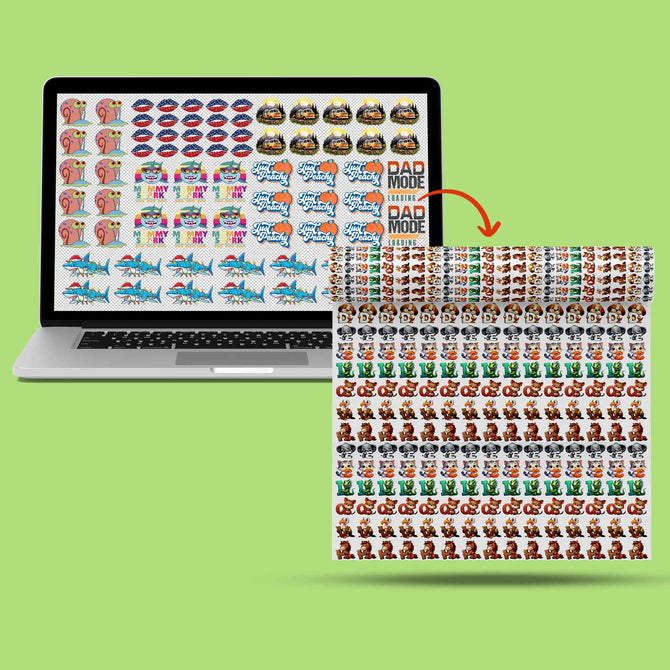
Profitability comes down to your cost per unit. This is where DTF shines. Using DTF gang sheets allows you to pack multiple designs onto a single roll of film. It maximizes every square inch of material. You're effectively driving your costs down to the lowest possible point. Speed is your other secret weapon. You can go from a digital file to a finished, retail-ready shirt in under 15 minutes. This allows for a reactive workflow. You only print what sells. When you're learning how to start a t-shirt business with dtf, this lean approach is what keeps your margins high. You don't need a warehouse full of pre-printed shirts. You just need your designs and a reliable transfer partner to handle the heavy lifting.
Choosing Your Business Model: In-House vs. Outsourced Printing
Deciding how to produce your inventory is your first critical hurdle. When figuring out how to start a t-shirt business with dtf, you face two distinct paths: buying the machine or buying the transfers. While owning the equipment sounds like total control, the reality is often a technical nightmare for beginners. Most entry-level, purpose-built machines in 2026 require an investment between $5,000 and $15,000. Before you commit to heavy hardware, follow the official steps to start a business to ensure your brand foundation is solid.
The In-House Model turns you into a full-time technician. You're responsible for ink levels, climate control, and mechanical repairs. For a startup, this is a massive distraction. The Outsourced Model allows you to leverage custom DTF transfers instead. You focus 100% on sales and brand growth while experts like Its All About Prints limited handle the production. It's the difference between running a marketing powerhouse and running a repair shop.
The Reality of DTF Printer Maintenance
DTF printers are not "set and forget" tools. White ink is heavy. It settles and clogs print heads if not circulated daily. You also need strict environmental controls. Humidity must stay between 40% and 60% to keep the ink flowing correctly. If the temperature fluctuates, your print quality suffers immediately. Between the cost of specialized powder, film, and replacement parts, the hidden expenses stack up. Your time is your most valuable asset. Don't waste it cleaning print heads and troubleshooting error codes.
The 'Press-Only' Startup Model
A "Press-Only" model is the fastest route to profitability. You provide the designs. The professionals handle the complex dtf ink chemistry and curing. This reduces your workspace footprint to the size of a single desk. By leveraging local Richardson expertise, you get consistent, retail-ready results without the overhead. You don't need a ventilation system or a dedicated shop floor. You just need a high-quality heat press and a shipping station. This lean approach is the smartest way to learn how to start a t-shirt business with dtf while keeping your financial risk near zero. If you are ready to launch without the technical headaches, check out the options at irisdtf.com to see how streamlined your production can be.
Scaling doesn't require buying a printer. It means ordering larger gang sheets. You only consider bringing printing in-house when your daily volume justifies a dedicated, climate-controlled facility and a full-time operator. Until then, stay lean and stay profitable.
The Essential Equipment Checklist for a Low-Overhead Business
Starting with a lean setup means focusing your budget where it counts. You don't need a massive warehouse or a commercial curing oven to get moving. When you're learning how to start a t-shirt business with dtf, your heat press is the heart of the operation. It's the one piece of hardware where quality is non-negotiable. While you're organizing your workspace, consult the official guide to starting a business to ensure your legal and financial foundations are as solid as your prints.
A high-quality heat press ensures your transfers bond permanently to the fabric. Cheap, unbranded presses often have "cold spots" that lead to premature peeling. You want professional results from day one. This checklist focuses on the tools that deliver high margins with minimal footprint.
Choosing a Heat Press for DTF
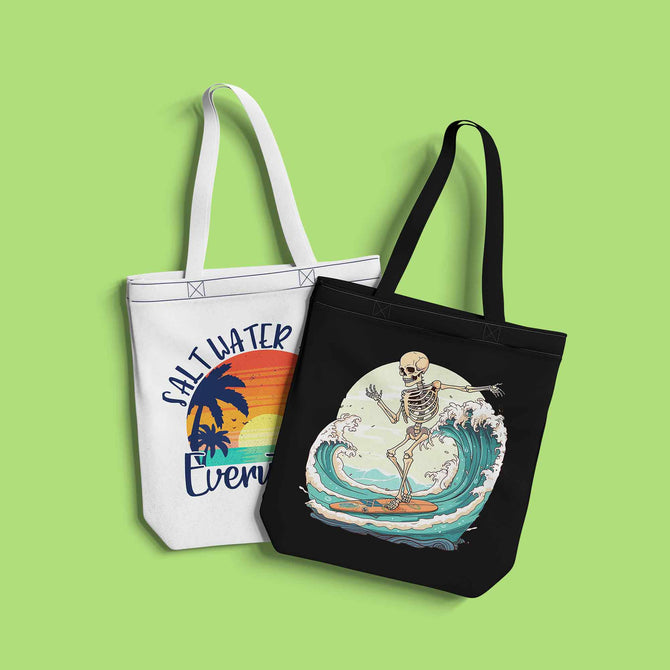
Pressure consistency is the secret to a professional finish. If the pressure is uneven, the adhesive won't penetrate the fibers correctly. You have two main options. Clamshell presses are excellent for saving space. They open like a book and work well for thin garments. Swing-away presses allow the top platen to move completely out of the way. This provides direct vertical pressure, which is ideal for thicker items like hoodies or tote bags.
Size matters for scalability. A 15x15 or 16x20 inch press is the industry standard. These sizes accommodate almost any design and ensure you won't outgrow your equipment in six months. Always choose digital controls. You need precise time and temperature settings to avoid scorching your inventory. Accurate heat is the difference between a retail-ready shirt and a ruined blank.
Selecting Your T-Shirt Blanks
The shirt is your canvas. Sourcing blank apparel that complements the DTF finish is vital for customer satisfaction. High-quality combed cotton offers a smooth surface that allows the film to bond perfectly. Performance polyester also works well, though it requires careful temperature management to prevent fabric "ghosting."
Fabric weight impacts your brand's perceived value. A heavy-weight 6oz tee feels premium and durable. A lightweight 4oz tee is often preferred for summer collections or athletic wear. In Richardson, you have a massive logistical advantage. You can source your blanks and your transfers in one stop. This eliminates shipping delays and keeps your production line moving at full speed.
The Small Essentials
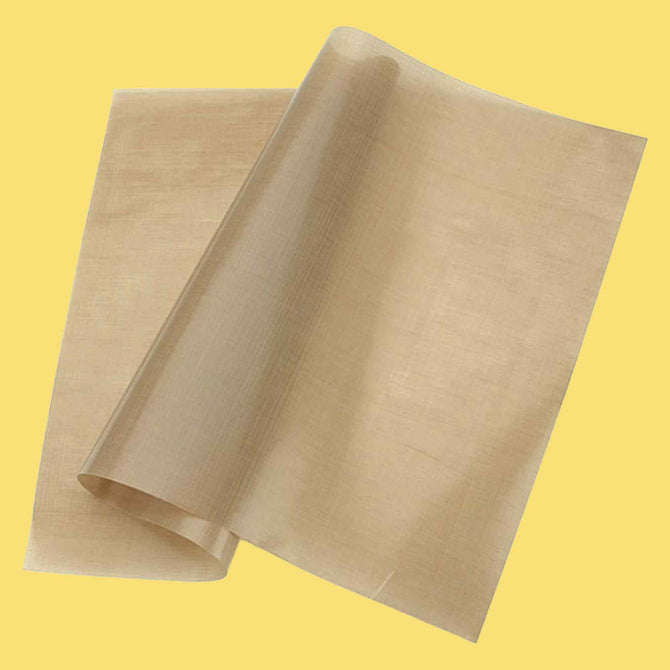
Don't overlook the minor tools. They prevent expensive mistakes. Teflon sheets protect the garment from direct heat and keep your platen clean. Heat tape is essential for securing your transfer so it doesn't shift when you close the press. Finally, use parchment paper for a "finishing press." This second five-second press gives the design a soft, matte look that customers love. This minimal setup keeps your overhead low and your focus on selling.
How to Design, Order, and Apply DTF Gang Sheets
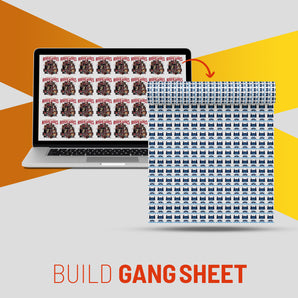
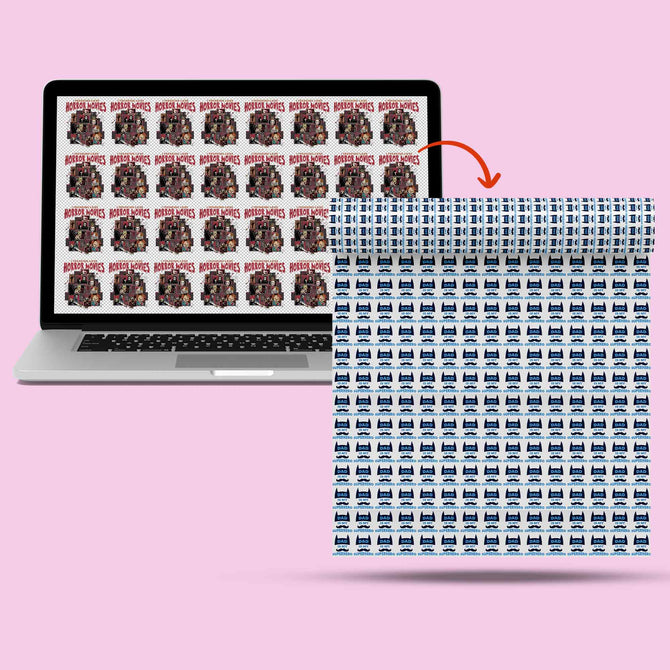
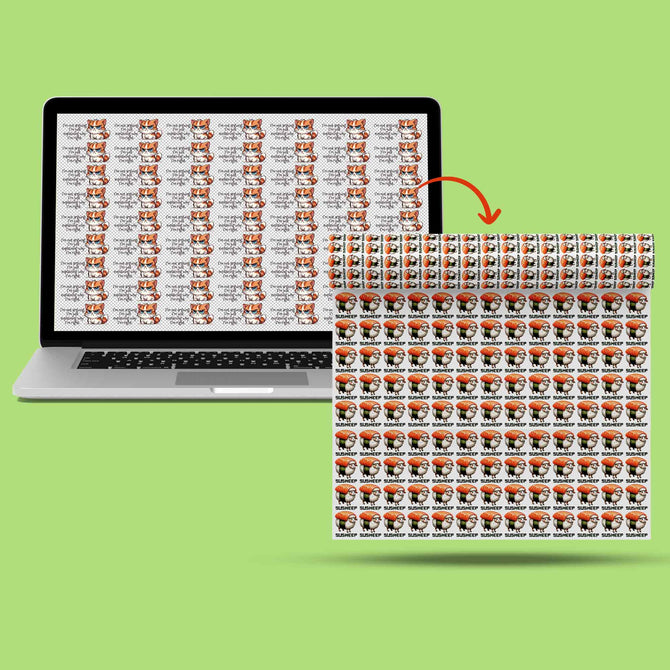
Efficiency is the engine of a profitable apparel brand. Understanding how to utilize a dtf gang sheet is the difference between a struggling startup and a high-margin business. A gang sheet is a single roll of PET film containing multiple designs. You aren't just buying one logo. You're buying square footage. Maximizing this space is essential when learning how to start a t-shirt business with dtf. Every inch left empty is profit left on the table. Don't leave gaps. Fill them.
Quality starts with your digital files. Your artwork must be high-resolution. Aim for exactly 300 DPI. Lower resolutions result in pixelated, blurry prints that compromise your brand reputation. Ensure your backgrounds are 100% transparent. If you leave a white box around your logo, it will print. Use CMYK color profiles to ensure the colors on your screen translate accurately to the physical garment. Precision at this stage prevents wasted inventory later.
Mastering the Gang Sheet Layout
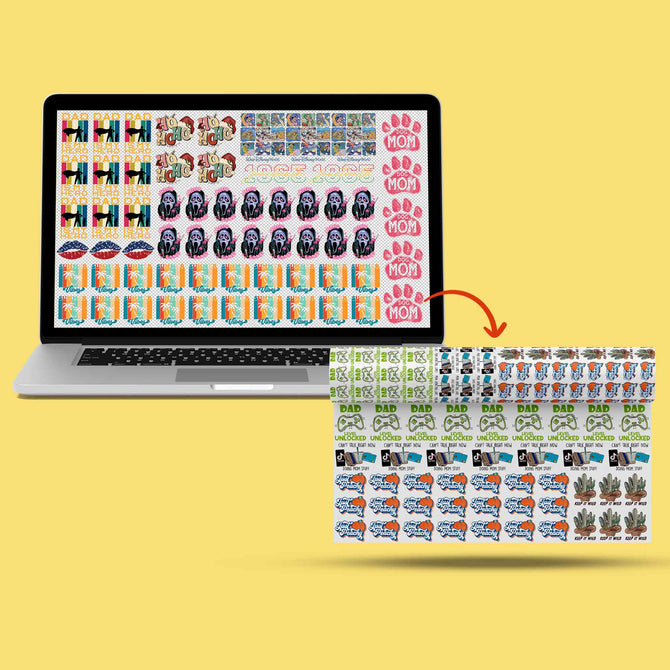
Nest your designs tightly to minimize waste. This process is called nesting. Fill the gaps between large chest prints with smaller neck labels, sleeve logos, or pocket hits. This strategy dramatically lowers your unit cost. While many beginners use online builders, professional software provides the most control over spacing and alignment. High-density layouts mean more products per sheet. More products mean more profit. It's that simple.
The Perfect Press: Step-by-Step
Execution is the final step in the quality chain. Start by pre-pressing your garment for five seconds. This removes trapped moisture and flattens wrinkles. Position your transfer and press at 300°F to 320°F for 12 to 15 seconds using medium-to-firm pressure. The peel is critical. Always follow supplier-specific rules for "Hot Peel" or "Cold Peel" films. A cold peel requires the transfer to be completely room temperature before you remove the film. Finally, perform a finishing press for five seconds with parchment paper. This bonds the ink deeper into the fibers and creates the soft-hand retail look customers demand. Ready to maximize your production? Order your custom gang sheets from Iris DTF and start pressing with confidence.
Consistency is key. When you master how to start a t-shirt business with dtf, you realize that a repeatable process leads to a reliable product. Document your settings. Test every new fabric. Build a brand that lasts.
Launching Your Brand in Dallas-Fort Worth with Iris DTF
Location is your greatest asset. While competitors wait weeks for international shipments, you can have your inventory ready in hours. Choosing dtf printing in Richardson, TX gives you a massive logistical edge. You aren't just a customer; you're a local partner. This proximity allows you to pivot quickly. If a design goes viral on social media, you don't have to wait 14 days for transfers to arrive. You can pick them up the same day. This speed is the secret to how to start a t-shirt business with dtf that actually stays profitable in the fast-moving DFW market.
Eliminate the shipping bottleneck. Shipping costs eat your margins. Wait times kill your momentum. By picking up your transfers locally, you keep those dollars in your pocket. You also gain total peace of mind. You can see the vibrant colors and feel the quality before you ever touch a heat press to a garment. It's about precision and professional reliability. You focus on the brand. We focus on the film.
The DFW Local Advantage
Speed wins in North Texas. We offer rapid turnaround for businesses in Plano, Dallas, and Frisco. This allows for a "just-in-time" inventory model. You don't need to stock thousands of pre-printed shirts. You just need a local production partner who understands the urgency of your business. Our team provides hands-on support that an online-only vendor can't match. Have a technical question about a specific fabric? Walk in and ask. We've spent 10 plus years perfecting this craft. We're here to share that expertise with you and ensure every press is a success.
Diversifying with UV DTF Stickers
Don't stop at apparel. Your brand identity should span across every product your customer touches. Expanding into uv dtf transfers allows you to brand hard surfaces with the same ease as a t-shirt. These transfers require zero heat. It's a simple "peel and stick" application. You can add branded tumblers, phone cases, and hard goods to your shop instantly. This creates a cohesive brand experience. It increases your average order value. Most importantly, it positions you as a complete lifestyle brand rather than just another t-shirt shop.
For entrepreneurs looking to expand their services into the world of custom keepsakes and memory-focused products, you can check out Just T-Shirt Quilts to see how they transform t-shirt collections into fully custom quilts.
Building a partnership with Iris DTF means you have a back-end production powerhouse. We handle the technical complexity. You handle the creative vision. When you're researching how to start a t-shirt business with dtf, remember that your supplier is your most important teammate. We provide the transfers, the blank apparel, and the supplies. You provide the hustle. Let's build something durable together in Richardson.
Build Your Brand with Speed and Precision
The roadmap to a profitable apparel brand is now clear. You don't need a warehouse of temperamental machinery to succeed. By choosing a lean, press-only model, you eliminate the technical headaches of printer maintenance and high upfront costs. Focus your energy on design and marketing. Let the specialists handle the production. Mastering how to start a t-shirt business with dtf means working smarter, not harder. You've learned how to maximize margins with high-density gang sheets and how to leverage local DFW logistics to outpace the competition.
Iris DTF is your behind-the-scenes engine for growth. We provide professional-grade durability that lasts over 50 washes. There are no minimum order requirements to hold you back. If you're in Richardson or Dallas, our local pickup options ensure you never miss a deadline. It's time to stop planning and start pressing. Order Your Custom DTF Gang Sheets from Iris DTF Today and see the difference that 10 years of expertise makes. Your first sale is closer than you think. Let's get to work.
Frequently Asked Questions
Do I need a special printer to start a t-shirt business with DTF?
No, you don't need to purchase a printer to launch your brand. Many successful entrepreneurs use the "Press-Only" model by outsourcing their production to a professional service. You simply order high-quality custom transfers and apply them yourself. This allows you to focus 100% on design and marketing while experts handle the complex ink chemistry and maintenance. It's the most efficient way to learn how to start a t-shirt business with dtf without spending thousands on hardware.
How much does it cost to start a DTF t-shirt business from home?
Starting from home requires minimal overhead compared to traditional methods. Your primary investments include a high-quality heat press and an initial inventory of blank apparel. You'll also need to cover legal costs, such as the $300 Texas LLC filing fee. By outsourcing the printing, you avoid the $5,000 to $15,000 price tag of a professional printer setup. This lean approach keeps your risk low and your margins high from day one.
What is a DTF gang sheet and how does it save me money?
A gang sheet is a single roll of PET film containing multiple designs nested together. It saves you money by maximizing every square inch of the material. Instead of paying for individual logos, you're buying square footage. This allows you to include neck labels, sleeve logos, and chest prints on the same sheet. It significantly reduces your cost per garment and ensures you aren't leaving profit on the table.
How many washes do DTF transfers actually last?
Professional-grade DTF transfers are engineered for high durability. They typically last for 50 or more laundry cycles without cracking or peeling. This longevity is achieved through a combination of premium ink and a strong adhesive bond. To ensure the best results, always perform a finishing press after peeling the film. This deeply embeds the ink into the fabric fibers for a retail-ready finish that rivals screen printing.
What temperature and time should I use for pressing DTF transfers?
Standard settings for most professional transfers are 300°F to 320°F for 12 to 15 seconds. You should use medium-to-firm pressure to ensure a permanent bond. These settings can vary slightly based on your fabric type and the specific film used. Always check with your supplier for their specific recommended parameters. Don't forget the final five-second finishing press to perfect the texture and increase washability.
Can I use a home iron to apply professional DTF transfers?
No, a home iron will not provide professional or lasting results. Irons cannot provide the consistent heat or the heavy, even pressure required for a permanent bond. This often leads to designs peeling or lifting after just one wash. To build a reliable brand, you need a dedicated heat press. It's the most critical hardware investment for anyone learning how to start a t-shirt business with dtf.
What is the best fabric for DTF printing?
DTF is incredibly versatile and works on almost any fabric. High-quality combed cotton is a top choice because it provides a smooth, stable surface for the transfer. It also works exceptionally well on polyester, nylon, and cotton-poly blends. Unlike sublimation, DTF allows you to print vibrant designs on dark fabrics without losing color quality. This flexibility allows you to expand your product line across various garment types.
Where can I get DTF transfers near me in the Dallas area?
You can pick up professional-grade transfers at Iris DTF in Richardson. We serve the entire DFW metroplex, including Dallas, Plano, and Frisco. Local pickup allows you to eliminate shipping costs and avoid long wait times. It's a massive benefit for local entrepreneurs who need a reliable production partner. Come see our quality in person and get your brand moving faster with same-day or next-day turnaround options.