Best Custom DTF Transfers in 2026: The Professional Buyer’s Guide

What Is This Article About?
Why are you still settling for apparel that looks like a cracked vintage find after just three washes? In 2026, the industry benchmark for the best custom dtf transfers has shifted toward a mandatory 50-wash durability standard that many national providers simply fail to hit. You need prints that stay vibrant and soft, not transfers that peel the moment they hit the dryer.
We understand the frustration of muted colors that don't match your digital art. It is even worse when you are stuck waiting on long shipping delays while your customers demand faster delivery. You deserve a production partner that moves as fast as your brand does. This guide delivers the technical standards you need to scale from individual prints to high-capacity gang sheets without losing quality.
We will explore the critical June 2026 OEKO-TEX Standard 100 updates and how to leverage local Richardson and Dallas expertise for lightning-fast pickups. Whether you are hunting for premium blank apparel or durable UV DTF stickers, you are about to discover how to build a more resilient, professional clothing brand. Let's get to work.
Key Takeaways
- Identify the shift from price to performance and why the best custom dtf transfers in 2026 are defined by color fidelity, stretch, and a soft-hand finish.
- Master the technical anatomy of premium PET film coatings and ink chemistry to eliminate production errors like ink migration and nozzle clogs.
- Validate your quality standards by understanding the science behind the 50-wash durability benchmark required for professional-grade apparel.
- Secure a competitive edge in the DFW market by utilizing local Richardson pickups and physical sample packs to eliminate shipping risks and delays.
- Optimize your profit margins by scaling with high-density gang sheet layouts designed for premium canvases like Comfort Colors and Shaka Wear.
Defining the Standard for Best Custom DTF Transfers in 2026
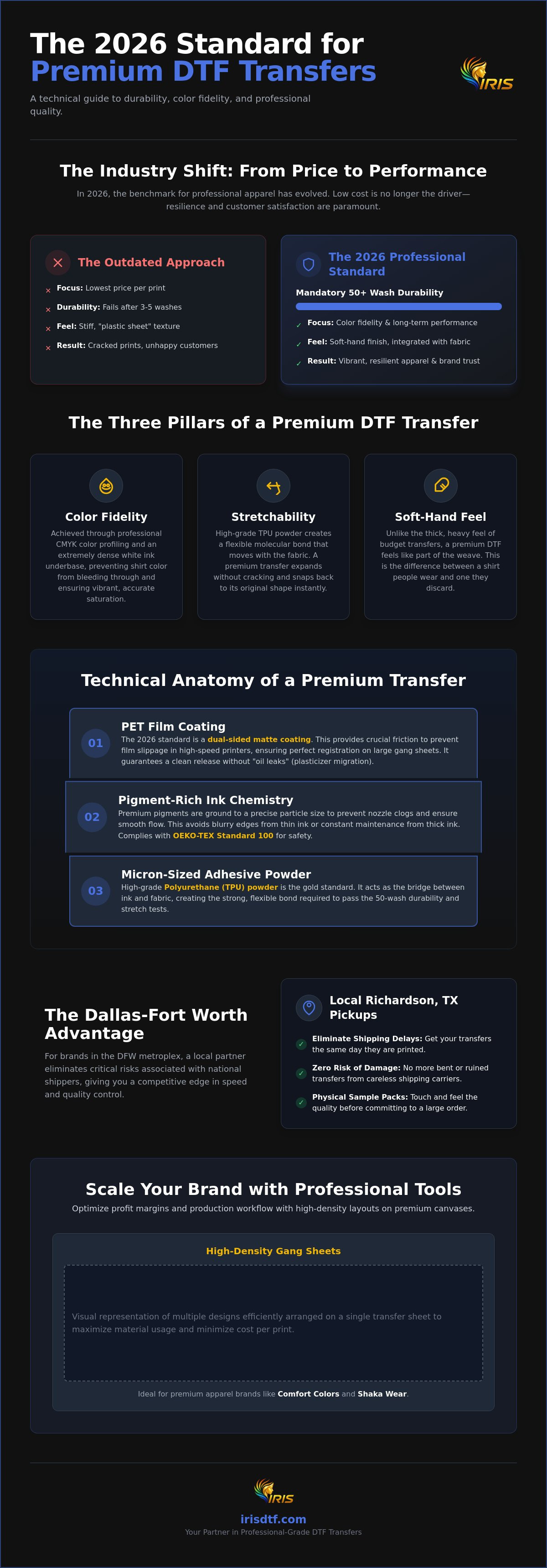
The era of "good enough" transfers is dead. In 2026, the definition of the best custom dtf transfers has pivoted. It is no longer about finding the absolute lowest price per square inch. It is about engineering a product that resists the brutal cycle of a commercial dryer. Professional buyers now prioritize a 50-wash durability benchmark over a few cents of savings. This shift happened because brands realized that one cracked shirt can ruin a customer relationship forever.
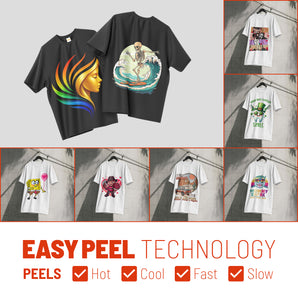
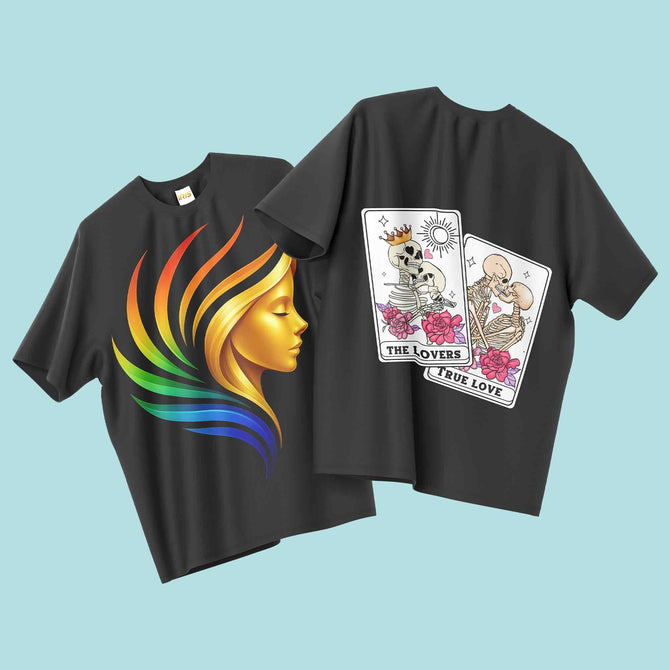
Direct-to-film printing (DTF) has evolved into a high-precision science. To find a premium supplier, you must look for the three pillars: color fidelity, stretchability, and a soft-hand feel. Budget transfers often sacrifice these. They use thin white ink and low-grade adhesives to cut costs. The result is prints that feel like a stiff sheet of plastic and colors that look like they were left in the sun.
The Stretch Test: Why Flexibility Matters
Flexibility is the difference between a shirt people wear and a shirt they throw away. The secret lies in the TPU powder quality. High-grade TPU creates a molecular bond that moves with the fabric. If your design cracks on ribbed fabrics or spandex blends, the powder is the culprit. Cheap transfers mimic the thick, heavy feel of old-school plastisol. Premium DTF offers a "soft-hand" finish that feels like it is part of the weave.
You can spot quality in seconds. Perform a simple 5-second pull test. Grip the edges of the print and pull firmly. A professional-grade transfer will expand without tearing and snap back to its original shape instantly. If you see white "veins" or micro-cracks, the adhesive failed the test.
Color Accuracy: RGB vs. CMYK Precision
Digital art looks stunning on a backlit monitor. It often looks dull on a t-shirt. This happens because most shops lack professional color profiling. They hit "print" and hope for the best. Vibrant prints require extreme white ink density to act as a light-blocking barrier on dark garments. Without a thick, opaque underbase, the shirt color bleeds through and kills your saturation.
In the context of DTF ink chemistry, color gamut refers to the entire range of colors that a specific set of CMYK plus white inks can accurately reproduce on the film surface. To capture fine details, you need a high-resolution digital output that maintains sharp edges even at small scales. Don't settle for "close enough" colors. Demand precision.
The Technical Anatomy of a Premium DTF Transfer
High-performance output starts with raw materials. To secure the best custom dtf transfers, you need to look beneath the surface. It is a three-part system: the PET film, the pigment-rich ink, and the micron-sized adhesive powder. Each component must be perfectly calibrated to avoid the common failures of budget alternatives. Quality control isn't just about aesthetics; it is about managing health and safety issues in the textile industry by using stabilized, low-VOC chemistries that don't off-gas during the curing process.
Ink chemistry is the engine of the transfer. Premium pigments are ground to a specific particle size to prevent nozzle clogs and ensure smooth flow through high-speed print heads. If the ink is too thin, you get migration and blurry edges. If it's too thick, your printer stays in a constant state of maintenance. For a deep dive into how these formulations impact your daily production, check out The Ultimate Guide to DTF Ink. You can feel the difference in the final product. Grab a sample of our custom DTF transfers to experience that professional-grade finish firsthand.
PET Film Coatings and Release Quality
The film is more than a carrier. It is a precision-engineered release vehicle. In 2026, dual-sided matte coating is the professional standard. It provides the necessary friction to prevent film slipping during high-speed production runs. This stability ensures your registration stays perfect from the first inch to the last foot of a gang sheet.
Choosing between cold peel and hot peel depends on your workflow. Cold peel generally provides the cleanest edges for complex, high-detail logos. Hot peel allows for rapid-fire production cycles. Beware of cheap films that exhibit the "oil leak" phenomenon. This is actually plasticizer migration that ruins the adhesive bond. Premium coatings lock those chemicals in place, ensuring a clean release every time.
Adhesive Powder: The 'Glue' of Your Brand
Polyurethane (TPU) powder remains the gold standard for 2026. It is the bridge between the ink and the fabric. The micron size of the powder must match your design and garment. Fine powder is essential for intricate lines and small text. Coarse powder provides the heavy-duty grip needed for rougher textures like canvas or heavy fleece.
The curing process is where the magic happens. If the powder isn't fully melted into a "citrus peel" texture, it won't create a permanent bond. Under-cured powder leads to peeling after the first wash. Over-cured powder becomes brittle and cracks. We use precision temperature-controlled ovens to ensure every transfer is fused for maximum durability. It is a methodical process that guarantees your brand's reputation stays intact.
Durability Testing: Why Professional Transfers Last 50+ Washes
If your prints look great on day one but fail by week three, you haven't found the best custom dtf transfers yet. In 2026, professional durability means surviving at least 50 wash cycles without visible degradation. This isn't just luck. It's the result of a precise Direct-to-film (DTF) printing process that balances temperature, chemical resistance, and physical agitation. Agitation in a commercial washer is the primary enemy. It tries to pull the ink away from the fabric. Professional-grade transfers resist this by forming a cross-linked bond during the curing stage.
Premature peeling usually stems from one of three failures: insufficient heat, low pressure, or poor powder quality. If the adhesive doesn't melt completely, it just sits on top of the fabric. It will fall off. Applying consistent, medium-heavy pressure during the heat press cycle ensures the adhesive powder liquefies and anchors deeply into the garment fibers, creating a permanent mechanical bond that prevents lifting over time. You want a transfer that behaves like it's part of the shirt, not a sticker.
The Iris DTF Wash Test Framework
We don't guess. We test. Our framework ensures your brand's reputation stays intact. Follow these steps to maximize the life of your apparel:
- The 24-hour cure: Never toss a freshly pressed shirt into the wash. Give the bond a full day to stabilize and reach its maximum strength.
- Cold water: High heat can soften the adhesive over time. Cold water preserves the ink's vibrancy and the bond's integrity.
- Inside-out: This simple step protects the transfer surface from the abrasive action of zippers, buttons, and other garments in the load.
Heat Press Settings for Permanent Adhesion
Precision is mandatory. Most 2026 films thrive at a 320°F standard. This temperature is high enough to melt the TPU powder but low enough to avoid scorching sensitive synthetic fabrics. It's a delicate balance. If you're working with high-capacity gang sheets, consistent heat across the entire platen is vital for uniform quality.
Pressure is the most overlooked variable. You need a medium-heavy press. If you can't feel the resistance when locking your machine, the bond will be weak. A weak bond leads to the "cracked" look that kills customer loyalty. Don't leave it to chance.
Don't skip the second press. After peeling the film, press the garment again for 5 to 10 seconds. This finishing step flattens the ink and drives it deeper into the fibers. It creates that sought-after soft-hand feel while doubling the transfer's lifespan. It is the signature of a truly professional-grade product.
Local vs. National: The Dallas-Fort Worth Advantage
National providers promise the world. Then FedEx loses your shipment. Or it arrives crushed. For professional brands in North Texas, the risk isn't worth it. Choosing the best custom dtf transfers means choosing a partner you can actually visit. Local pickup in Richardson eliminates shipping delays and carrier damage in one step. It's about reliability. You get to keep your production schedule on track without worrying about a logistics nightmare. It is the smartest way to manage a growing apparel line.
If you are currently searching for DTF Near Me: Finding the Best Custom Transfers in Richardson, TX, you already know that proximity equals speed. Seeing is believing. Local brands benefit from physical sample packs they can touch and test immediately. No waiting for a week just to see if the colors match your digital art. You can verify the quality on-site and move straight into production. This hands-on approach removes the guesswork from your supply chain.
Serving the DFW Metroplex: From Plano to Grand Prairie
Same-day or next-day turnaround is a massive competitive advantage. If you are an Irving business with a sudden rush order, you can't wait five days for a national carrier. Plano clothing brands scale faster when they can grab their gang sheets and start pressing immediately. Local transport also stops "crushed box" syndrome. Your transfers stay flat and pristine because they never enter a high-volume sorting facility. You also support the North Texas economy while reducing your brand's carbon footprint. It is a cleaner, faster, and more efficient way to work.
The 10-Year Pioneer Reputation
We aren't a pop-up shop. Iris DTF has spent over a decade in Richardson mastering digital transfer technology. That history matters when you hit a technical snag. Try getting an automated national help desk to troubleshoot a specific fabric bond at 4 PM on a Friday. It won't happen. We offer personalized service because we know the DFW market. We understand local demand. Building a partnership with a local expert means your brand has a seasoned engine behind it. We focus exclusively on digital transfer technology. No distractions. Just precision and speed for your business.
Ready to experience the local advantage? Order your custom DTF transfers now and pick them up right here in Richardson.
Scaling Your Brand with Professional Gang Sheets and Blanks
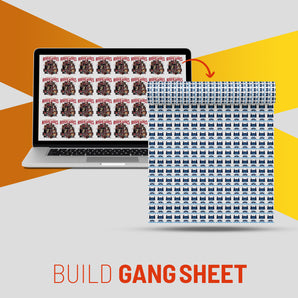
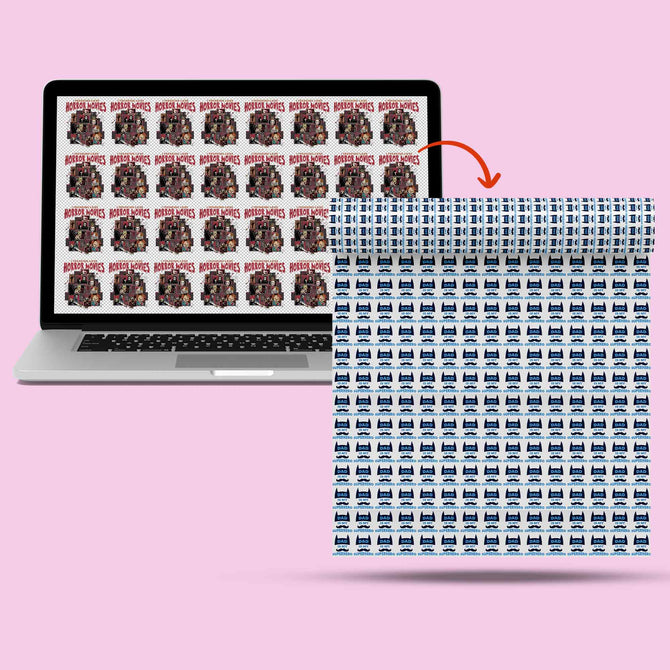
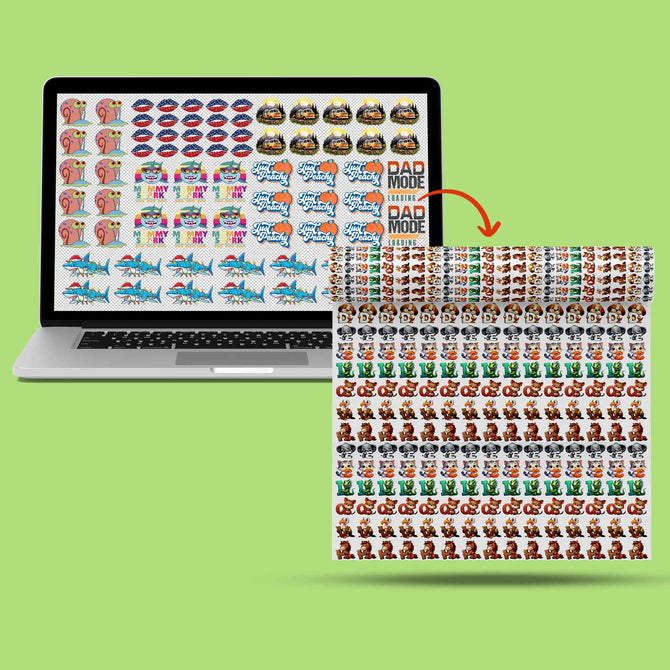
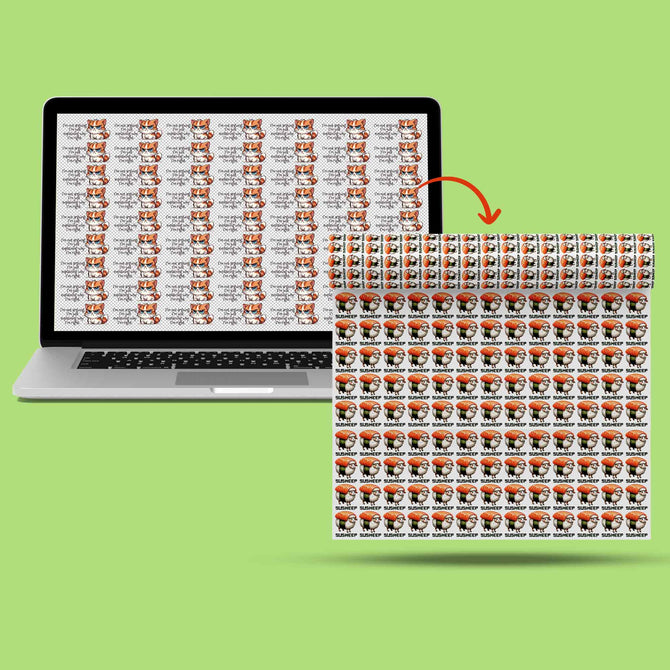
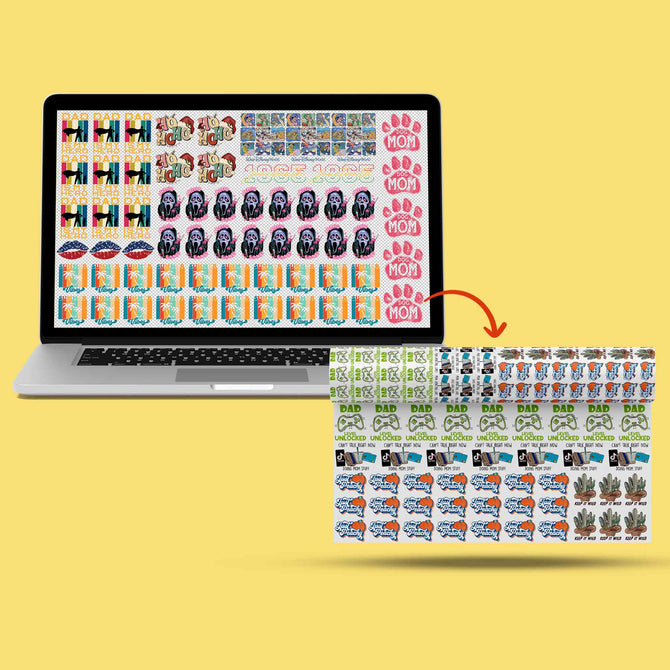
Scaling isn't just about selling more shirts. It's about lowering your cost per unit. While you've already mastered the science behind the best custom dtf transfers, your profit margins depend on how you lay them out. High-density gang sheets are the secret to professional growth. They allow you to print dozens of designs on a single roll, reducing waste and maximizing your investment. By combining these with premium blank apparel right here in Richardson, you turn a complex supply chain into a streamlined, one-stop process.
Efficiency is the engine of a successful clothing brand. We handle everything from standard chest logos to full-size back prints on a single sheet, ensuring you get the most value for every square inch. This methodical approach to production removes the intimidation factor from high-volume orders. It's about working smarter, not harder.
Building the Perfect Gang Sheet
The layout of your gang sheet is a direct reflection of your bottom line. You need to nest designs tightly to eliminate empty space. This isn't just about saving film; it is about lowering your average cost per print. To maintain crisp edges and vibrant colors, every file must meet a 300 DPI resolution standard. Low-resolution art will fail on a large-scale gang sheet every time. For a comprehensive breakdown of these technicalities, check out our guide on Mastering DTF Gang Sheets.
Versatility is another key to scaling. In 2026, many brands are integrating UV DTF stickers into their apparel gang sheets. This allows you to produce hard-surface branding for water bottles or laptop decals alongside your t-shirt transfers. It is a simple way to expand your product line without adding new vendors to your list. One sheet, multiple revenue streams.
Matching Transfers to Premium Blanks
The "best" transfer is only as good as the canvas you press it on. Different fabrics require different techniques. Shaka Wear is a favorite for its heavy, durable cotton, but its thickness requires specific attention. You must ensure your heat press pressure is calibrated to penetrate those heavy fibers for a permanent bond. If the pressure is too light, the transfer will sit on the surface and risk peeling.
- Comfort Colors: These garment-dyed tees are perfect for a vintage, lived-in feel. The soft-hand finish of premium DTF transfers pairs naturally with the weathered texture of these shirts.
- Next Level 3600: This is the go-to for retail-ready, soft-hand custom t-shirts. Its smooth surface allows for incredible detail and a print that feels like it is part of the fabric.
- Shaka Wear: Best for streetwear brands looking for a rugged, heavy-weight aesthetic. It requires a firm, medium-heavy press to lock the adhesive into the dense weave.
By sourcing your blanks and transfers from the same Richardson partner, you eliminate the risk of fabric-ink incompatibility. You get a guaranteed result every time. No more guessing games. Just professional, retail-ready apparel that's ready to ship to your customers. To streamline this final stage, many businesses utilize professional labeling solutions from DymoOnline to ensure their inventory and shipping processes remain organized and efficient.
Take Control of Your Production Cycle
You've seen the technical benchmarks. You know the 50-wash standard isn't just a goal; it is a requirement for brand survival in 2026. Choosing the best custom dtf transfers means moving beyond budget-grade compromises. It means prioritizing the molecular bond of high-quality TPU and the vibrancy of precision-ground pigments. Why wait on national shipping delays when your business could be scaling right now?
We provide the high-capacity production professional clothing brands demand. With 10+ years of DFW printing expertise, we have mastered the transition from individual prints to high-density gang sheets. Our Richardson-based facility is ready for your next project. You can skip the logistics nightmare and choose local pickup for immediate results.
Are you ready to stop settling for cracked prints and muted colors? It is time to partner with a seasoned expert who understands the North Texas market. Your brand deserves the durability and speed we deliver every day. Order Your Custom DTF Gang Sheets from Iris DTF Today. Let's build something that lasts.
Frequently Asked Questions
What makes a DTF transfer 'the best' compared to screen printing?
DTF transfers offer unlimited color blending and intricate detail without the expensive setup fees associated with screen printing. Screen printing requires a separate screen for every color in your design. Digital transfers handle complex gradients and photorealistic art in a single pass. It's the most efficient choice for small to mid-sized runs where high-fidelity detail is a priority.
How long do custom DTF transfers typically last?
Professional-grade transfers are engineered to withstand 50 or more wash cycles before showing signs of wear. This durability matches or exceeds the lifespan of the garment itself. Longevity depends on using premium TPU adhesive and high-quality ink. When pressed correctly, the design won't crack, peel, or fade during standard laundry routines.
Can I apply DTF transfers with a home iron, or do I need a heat press?
You need a professional heat press to achieve a permanent bond. Home irons cannot provide the consistent, heavy pressure or the precise temperature control required to melt the adhesive powder into the fabric fibers. To ensure you get the best custom dtf transfers possible, use a dedicated press set to the manufacturer's exact specifications.
What is the turnaround time for custom DTF transfers in the Dallas area?
Local orders in the Dallas-Fort Worth metroplex typically feature a 24 to 48-hour turnaround for standard gang sheets. Choosing a Richardson-based provider allows you to bypass national shipping delays entirely. You can often pick up your finished transfers the same day they leave the printer, keeping your production schedule on track.
Are DTF transfers better than vinyl or plastisol transfers?
DTF is superior for its soft-hand feel and extreme stretchability. Heat transfer vinyl is often thick and uncomfortable, while plastisol transfers can feel heavy on the chest. Digital transfers are lightweight and move with the fabric. They provide a retail-ready finish that doesn't feel like a plastic sticker on the shirt.
Do you offer UV DTF stickers for hard surfaces like tumblers?
Yes, we produce UV DTF stickers specifically designed for hard, non-porous surfaces. These are perfect for branding tumblers, laptops, and glass without requiring a heat press. They are scratch-resistant and offer a permanent, raised-texture finish that stands up to daily use. It's an easy way to expand your brand's reach beyond apparel.
What file format is best for ordering custom DTF gang sheets?
Submit your artwork as a high-resolution PNG with a transparent background. To get the best custom dtf transfers, your files must be at least 300 DPI at the final print size. This ensures sharp edges and prevents pixelation. Vector files like PDF or AI are also acceptable if the fonts are outlined and the background is removed.
Is there a minimum order quantity for custom transfers in Richardson?
We do not require minimum order quantities for our standard custom transfers. This flexibility allows startups to test new designs without a massive upfront investment. Whether you need a single gang sheet for a sample run or a high-capacity production for a major launch, we can accommodate your scale. Our focus is on supporting your growth at any stage.