DTF vs Sublimation: The Ultimate 2026 Comparison for Apparel Brands

What Is This Article About?
Why are over 80% of premium streetwear orders placed on black or navy garments when traditional sublimation can't even print on them? It's a massive missed opportunity for your business. If you've been stuck with light-colored polyester, you know the frustration. The market is moving fast. You need a solution that works on every fabric and every color. This 2026 comparison of dtf vs sublimation cuts through the noise to show you which technology actually builds a profitable, scalable brand.
We know that high maintenance costs and fabric restrictions are the ultimate growth killers. You want vibrant colors on dark cotton without the headache of DIY printer clogs or technical failures. This article promises to reveal the path to retail-quality prints that survive 50 plus washes with ease. We'll preview the specific cost-per-print breakdowns, durability ratings, and the production secrets that allow you to scale. From understanding gang sheet efficiency to capturing the 75% of the market that demands cotton blends, we're giving you the data to choose your winner and get to work.
Key Takeaways
- Break down the science of molecular bonding versus adhesive layers to choose the right tech for your specific product line.
- See how dtf vs sublimation compares when it comes to the "hand-feel" of the print and the stretchability of the finished design.
- Avoid the "maintenance trap" by learning the difference between managing DIY printer heads and outsourcing professional-grade transfers.
- Evaluate the "blank apparel tax" to see how printing on standard cotton can significantly lower your total production costs.
- Get a definitive checklist to help you decide if your brand needs the niche focus of sublimation or the universal versatility of DTF.
Understanding the Technology: How DTF and Sublimation Differ
Choosing between dtf vs sublimation isn't just about picking a printer. It's about deciding which fabrics you can sell. One technology lives inside the fibers. The other sits on top. This fundamental difference dictates your entire business model. You need to know exactly how these methods interact with your materials before you invest. Precision matters here. Speed matters too. Let's look at the science.
Sublimation has a major blind spot. It lacks white ink. If your design has white elements, the printer simply leaves those areas blank. On a white shirt, it looks great. On a black shirt, the design disappears. DTF solves this with a dedicated white ink channel. It prints a solid white underbase that acts as a vibrant canvas. This ensures your colors pop on navy, black, or dark heather garments. By 2026, the industry standard for a quality transfer is a white layer thin enough to breathe but thick enough to block the shirt color entirely.
The Sublimation Process: Dyeing the Fiber
Sublimation is a chemical reaction. Heat and pressure turn solid ink into a gas. This gas penetrates and bonds with the polymer chains in polyester. It becomes part of the shirt. It's permanent. It has zero "hand-feel" because the dye is inside the thread. But it's also restricted. No polyester? No print. That's the sublimation reality. If there are no synthetic fibers, the gas has nothing to grab. This is why 100% cotton garments end up with faded, blurry images that wash out after a single cycle. It's a niche tool for a specific fabric.
The DTF Process: The Universal Transfer
Direct-to-Film (DTF) printing relies on a high-performance mechanical bond rather than a chemical one. You print your design onto a specialized PET film. Then, you apply a TPU adhesive powder. When heated, this powder melts and creates a flexible, durable layer. This layer grips any fabric. Cotton, polyester, or heavy blends; it doesn't matter. The results are consistent. The process is streamlined. Modern standards for these transfers include:
- Extreme Durability: Rated for 50 plus industrial wash cycles without cracking.
- High Elasticity: Designs that stretch with the fabric and snap back into place.
- Universal Application: One transfer works for t-shirts, hoodies, and even hats.
At Iris DTF, we focus on the technical complexity so you don't have to. We deliver professional-grade transfers that bridge the gap between these two technologies. You get the versatility of DTF with the professional reliability your brand demands. It's about giving you the freedom to print on anything without the polyester "tax."
Quality and Performance: Washability, Feel, and Color
Performance is the only metric your customers truly care about. They want a shirt that feels premium, looks sharp, and survives the laundry. In the high-stakes choice of dtf vs sublimation, the winner depends on how you define quality. Sublimation offers a famous zero-feel hand, but it forces you into 100% polyester. DTF has evolved beyond its early limitations. The thick, plastic-like transfers of the past are gone. By 2026, advanced film chemistry has created a soft-stretch finish that rivals professional screen printing. It's built for the modern market.
Texture and Wearability
Don't believe the myth that all transfers feel like a heavy sticker. Modern PET films and micro-milled TPU powders create a lightweight, breathable bond. It moves with the fabric. It doesn't fight it. Sublimation might have no feel, but it's often paired with cheap, scratchy polyester to keep production costs low. That's a trade-off your customers will notice immediately. High-quality custom dtf transfers provide a retail-ready texture on soft cotton. It's the comfort consumers actually want to wear daily. For athletic wear, sublimation still leads in breathability, but for streetwear and corporate gear, the soft-stretch of DTF is the new standard.
Vibrancy and Specialty Finishes
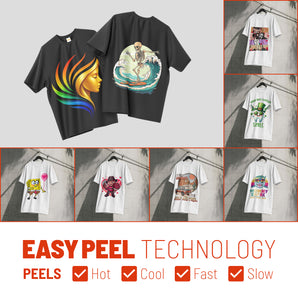
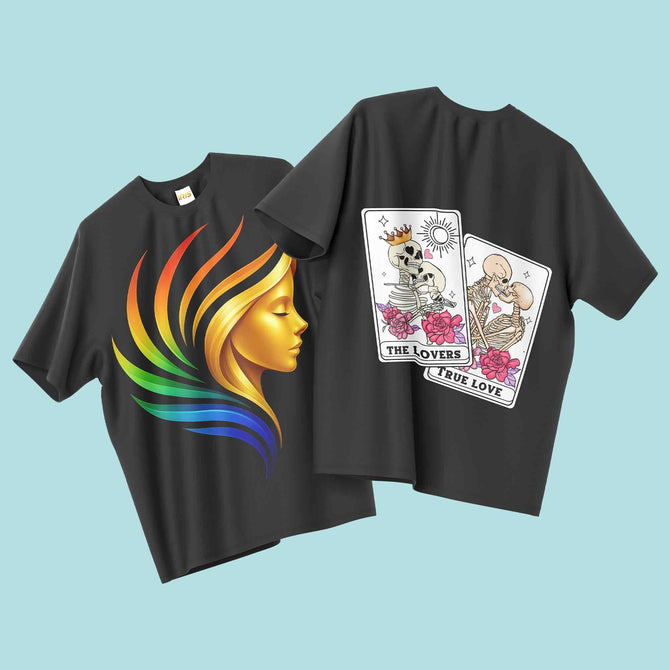
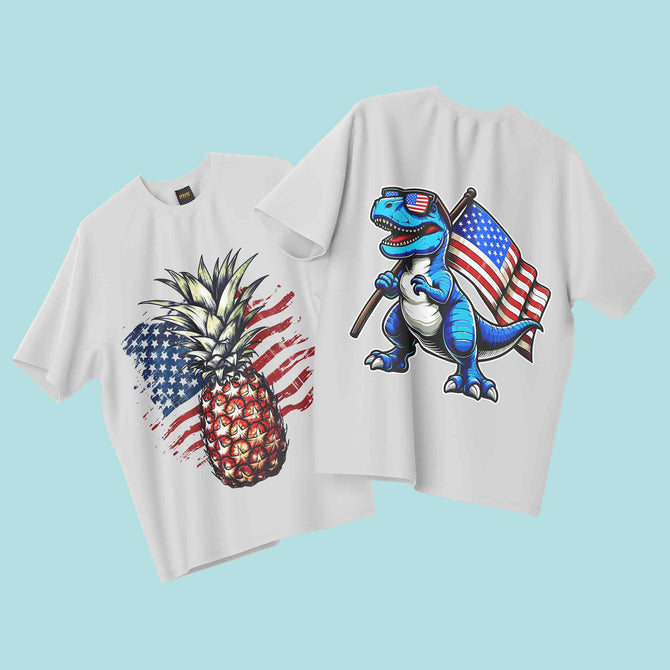
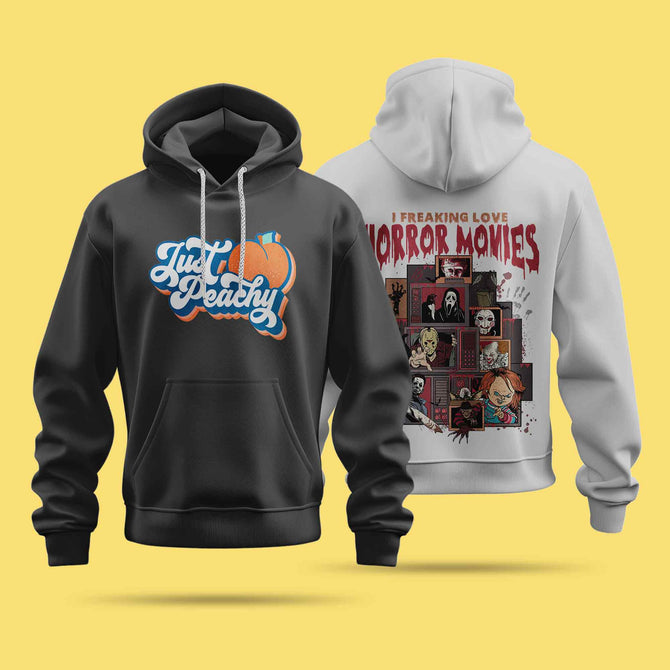
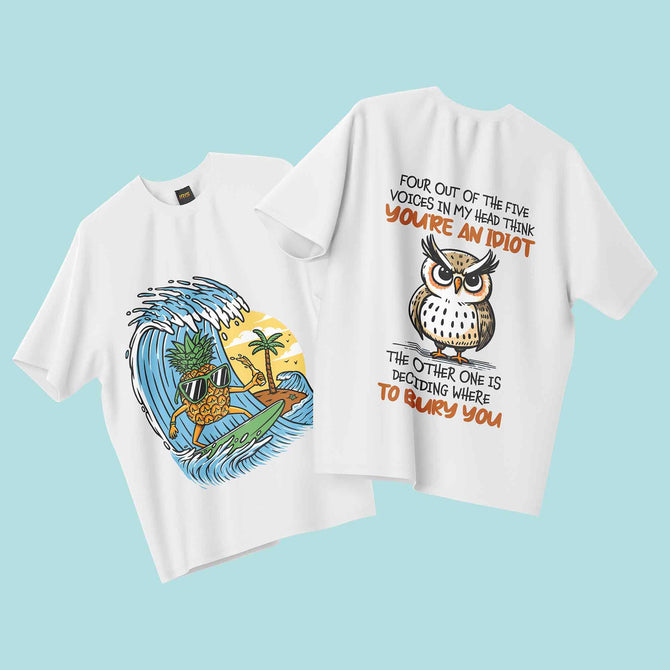
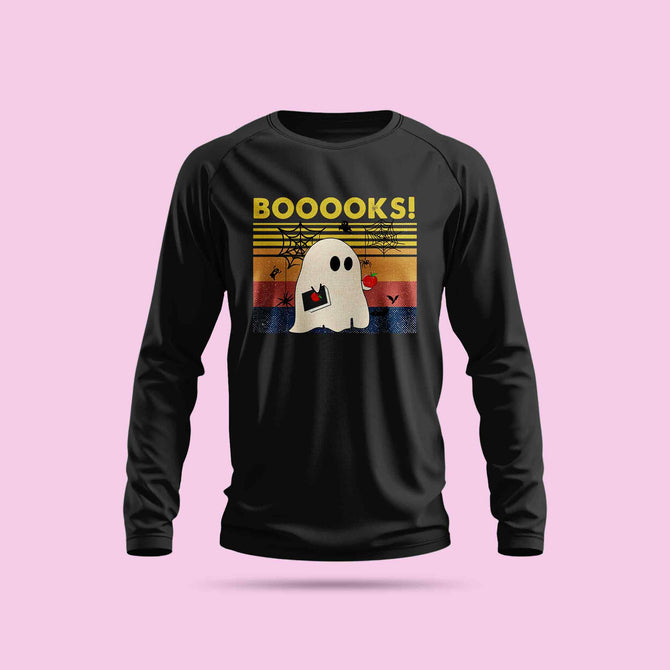
Color accuracy is where the gap between dtf vs sublimation becomes a chasm. Sublimation struggles with muted tones on blends and is invisible on dark colors. DTF hits different. Because it utilizes a dedicated white ink underbase, it delivers high-impact graphics on black, navy, and charcoal garments. You get true whites, neon highlights, and complex gradients that remain crisp and saturated. This is essential for the 80% of premium streetwear orders that demand dark fabrics. Whether you're printing a vintage-washed look or high-contrast retail graphics, the ink sits on the surface with a brilliance that gas-dyeing simply cannot match.
Durability is the final test of any branding technology. Both methods are built to last, but they fail in different ways. Sublimation is permanent, but the garment itself often pills or wears out first. Modern DTF is now rated for 50 plus industrial wash cycles before any noticeable wear or cracking appears. This longevity ensures your brand reputation stays intact long after the first wear. If you're ready to see how these professional standards can transform your production, you can explore our custom transfer options to experience the durability firsthand. We focus on the science of the bond so you can focus on the art of the design.
Workflow Efficiency: DIY Printing vs. Outsourcing Transfers
Time is your most valuable asset. When choosing between dtf vs sublimation, you have to look beyond the final print. You have to look at the hours spent behind the machine. Sublimation setups are famously low-maintenance, but they limit your catalog. DIY DTF printing offers versatility but demands constant attention. For many growing brands, the hidden cost of technical downtime is the ultimate dealbreaker. You didn't start a clothing line to become a full-time printer repair technician. You started it to sell apparel.
The "Ready-to-Press" model is the 2026 solution for smart scaling. Instead of managing complex machinery, brands in Richardson and across the DFW metroplex are outsourcing the technical heavy lifting. You get professional-grade transfers delivered to your door. You keep the creative control. You handle the heat press. We handle the ink chemistry, the powder curing, and the climate-controlled production environment. This allows you to scale from 10 shirts to 1,000 without buying a single piece of new hardware.
The Reality of Owning a DTF Printer
Owning a printer sounds like freedom until the white ink settles. DTF ink is heavy. It requires constant circulation. If you skip a day of maintenance, you risk a clogged print head that costs hundreds to replace. Then there's the environment. You need precise humidity levels and heavy-duty ventilation to handle the TPU powder curing process. Many Dallas shops are moving to a hybrid model. They keep a small sublimation printer for one-off polyester mugs and outsource their high-volume apparel transfers. It eliminates film spoilage and ink waste instantly. It keeps your shop clean and your focus on sales.
Maximizing Profit with Gang Sheets
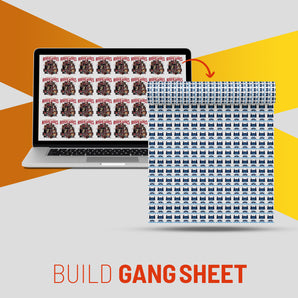
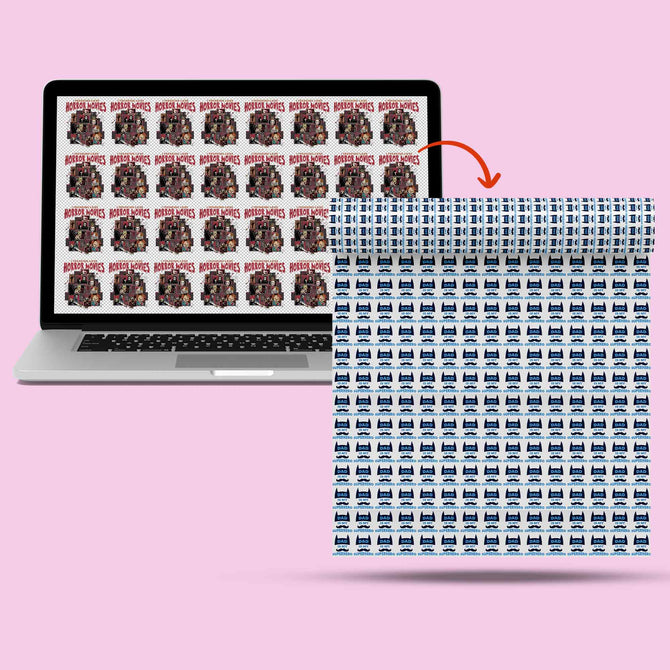
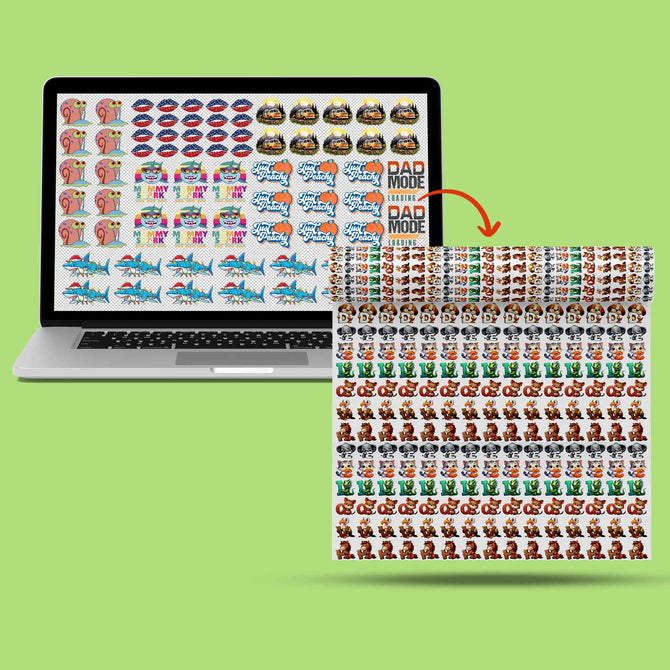
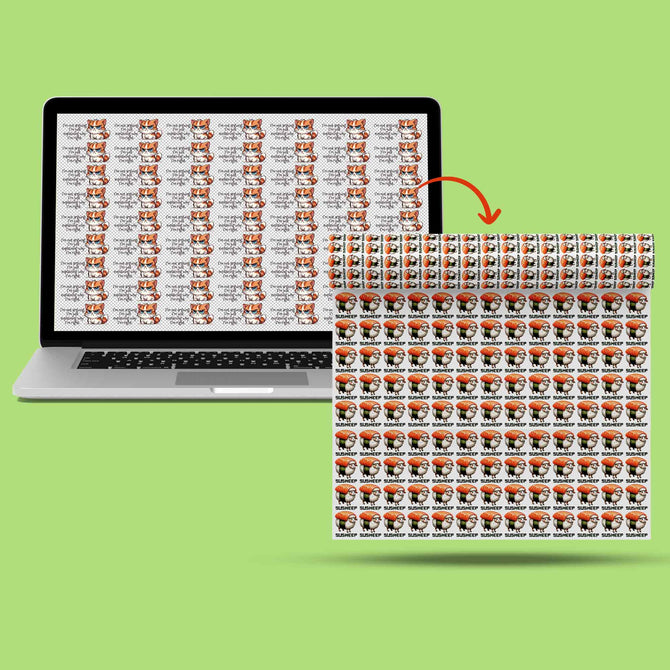
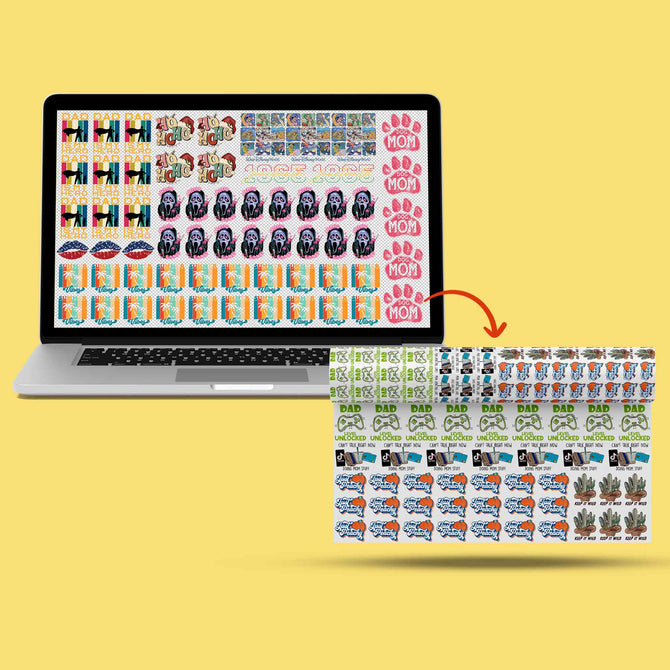
Efficiency in 2026 is measured by the square inch. If you want to slash your production costs, you need to master the layout. A gang sheet allows you to group multiple designs onto a single roll of film. It's the ultimate cost-saving tool for local brands. You aren't paying for individual prints; you're paying for the space. Learning how to build a dtf gang sheet is the single fastest way to lower your unit cost and increase your margins.
- Zero Maintenance: No clogs, no ink waste, no technical headaches.
- Rapid Turnaround: Local production means your transfers are ready in 24 hours.
- Unlimited Variety: Mix logos, neck labels, and sleeve prints on one sheet.
This approach changes the dtf vs sublimation debate. It's no longer about which printer to buy. It's about which workflow allows you to fulfill orders faster. By outsourcing your transfers, you gain the versatility of DTF without the overhead of a commercial print shop. It’s professional reliability, delivered.

Cost Analysis: Equipment, Consumables, and ROI
Profit isn't just about what you spend. It's about what you keep. When analyzing dtf vs sublimation, many new owners look only at the sticker price of the printer. That's a mistake. A basic sublimation setup can start under $600, while entry-level professional DTF systems typically begin around $2,000. However, the initial investment is only one part of the equation. You have to account for the "blank apparel tax" and the speed of your production line. If your equipment limits you to expensive fabrics, your margins will shrink as you scale.
DTF offers a faster path to a return on investment, often within one to three months for active shops. This speed comes from the ability to target the most profitable sectors of the market: premium cotton streetwear and corporate workwear. Sublimation remains a low-cost entry point for hobbyists, but the ceiling for growth is lower. You're restricted to light-colored polyester, which limits your retail pricing power in a market that currently favors heavy cotton and natural blends.
The True Cost of Blanks
The biggest hidden expense in sublimation is the garment itself. High-polyester blanks or polymer-coated items can cost 20% to 30% more than standard wholesale cotton. When you use DTF, that "polyester tax" disappears. Your blank apparel options expand to include high-end, high-margin brands like Comfort Colors, Shaka Wear, and LA Apparel. These are the blanks customers actually want to buy. By printing on standard cotton, you lower your cost of goods sold while increasing your perceived brand value. It's a double win for your bottom line.
Calculating Your ROI
Efficiency is the engine of your profit margin. Think about labor costs. Unlike heat transfer vinyl, there is no weeding involved in the DTF process. You move straight from the printer to the heat press. This allows you to finish significantly more shirts per hour compared to manual methods. Professional transfers also reduce waste. When you outsource your printing, you eliminate the cost of ink waste and film spoilage caused by DIY printer errors. By utilizing a single gang sheet to produce multiple designs, you can drive your per-unit cost low enough to maintain a 70% profit margin on a standard $25 retail t-shirt.
Ready to stop overpaying for specialty blanks and start building a real brand? Order your custom DTF transfers today and see how much you can save on your next production run. We provide the professional tools; you keep the profit.
The Final Verdict: Which Method Wins for Your Brand?
The debate over dtf vs sublimation isn't about which technology is better in a vacuum. It's about which one fits your specific production goals. Sublimation is a precision tool for a narrow niche. If your entire business model revolves around white polyester performance tees or polymer-coated coffee mugs, sublimation remains a solid choice. But for the modern apparel brand that needs to meet 2026 consumer demands, DTF is the clear winner. It offers the flexibility that sublimation simply cannot match.
For hard-surface branding, the landscape has shifted as well. While sublimation once dominated the world of promotional goods, the emergence of uv dtf transfers has created a new hybrid standard. These stickers provide a durable, embossed look on uncoated surfaces without the need for a heat press or specialty coatings. It’s the ultimate way to expand your brand beyond apparel and into high-margin accessories, such as the bespoke commemorative gifts and displays created by Trinity Creations.
Similarly, Custom Sports Products utilizes these versatile printing methods to create high-quality personalized sports memorabilia and unique photo gifts like custom trading cards and plaques.
Decision Matrix for 2026
Success in the Richardson and Plano markets requires speed and versatility. Cotton is king. It's that simple. Use this checklist to finalize your direction:
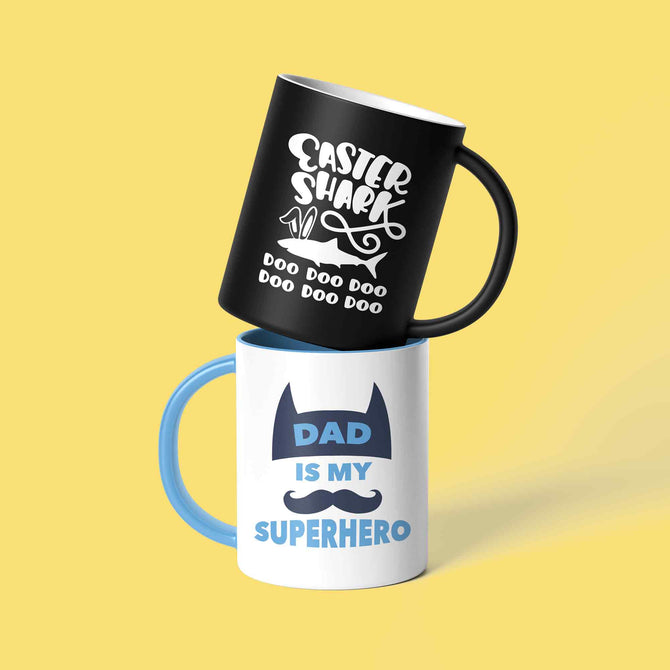
- Choose Sublimation if: You specialize in light-colored 100% polyester athletic wear or hard goods like plates and mugs.
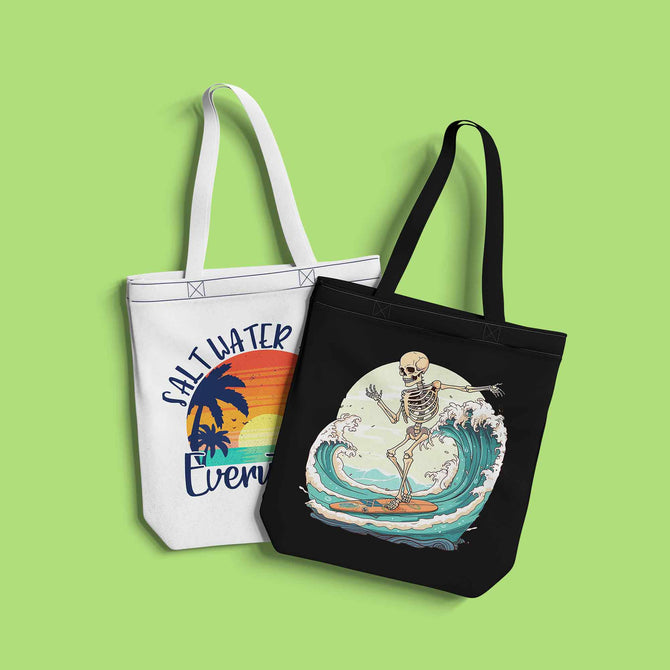
- Choose DTF if: You need to print on black cotton, hoodies, canvas bags, and blended fabrics with a single technology.
- Choose Outsourcing if: You want to scale production without the $2,000 plus entry cost of professional machinery or the headache of daily maintenance.
Current fashion trends favor heavyweight cotton and oversized silhouettes. Sublimation cannot touch this market. If you want to capture the 75% of the wholesale market dominated by cotton and blends, you need a transfer that sticks to anything. DTF is that solution.
Getting Started with Iris DTF
Iris DTF is the preferred partner for Dallas-Fort Worth apparel pros because we understand the local hustle. With over 10 years of industry expertise, we've refined our process to deliver high-durability transfers that solve the limitations of sublimation. We handle the technical complexity so you can focus on your creative vision. Whether you need a small batch of custom tshirts or high-volume gang sheets, we provide the professional reliability your brand deserves.
Ready to feel the quality for yourself? We offer local pickup at our Richardson facility and fast shipping throughout the Dallas metroplex. Experience the soft-stretch and vibrant color that only professional-grade film can provide. Stop fighting your printer and start building your empire. Order Your Custom DTF Transfers Today and see why local brands are making the switch for 2026.
Future-Proof Your Apparel Brand Today
The choice is clear. Sublimation serves its niche. DTF conquers the market. You need a printing solution that doesn't limit your catalog or drain your time with technical maintenance. In the debate of dtf vs sublimation, versatility is the ultimate competitive advantage. You gain the power to print on any fabric, any color, and any style at any scale. It’s about more than just ink. It’s about freedom.
Ready to scale your business? We've built our reputation on professional reliability and precision. Our Richardson, TX facility delivers fast turnarounds for local pros. You get professional-grade ink and film rated for 50 plus washes. No clogs. No technical downtime. Just retail-quality results every time. Use our easy-to-use online gang sheet builder to maximize your profit margins and streamline your workflow instantly.
Stop waiting for your equipment to catch up to your vision. Take control of your production and start delivering the high-end quality your customers demand. Order Your Custom DTF Transfers from Iris DTF today. Let's get to work and build your success together.
Frequently Asked Questions
Can I use a sublimation printer for DTF printing?
No, you cannot use a sublimation printer for DTF. The ink chemistries are completely incompatible. DTF requires a dedicated white ink channel and a print head designed for pigment-based inks. Attempting to swap them will ruin your equipment and result in failed transfers. Stick to dedicated hardware or order professional transfers to ensure quality and reliability.
Does DTF feel like a heavy vinyl sticker on the shirt?
Modern DTF does not have the heavy, "plastic" feel of old-school vinyl. Advanced 2026 PET films and micro-milled TPU powders create a thin, flexible layer. It stretches with the garment and maintains a soft hand-feel. While it has more texture than sublimation, it feels remarkably like a high-quality screen print rather than a stiff, uncomfortable sticker.
Which is more durable in the wash, DTF or sublimation?
Sublimation is permanent because it dyes the fiber, but DTF offers superior durability across a much wider range of fabrics. Professional-grade DTF transfers are rated for 50 plus wash cycles before any cracking occurs. In the dtf vs sublimation comparison, DTF wins for longevity on cotton and dark garments where sublimation simply isn't an option.
Do I need a special heat press for DTF transfers?
You don't need a specialized heat press, but you do need a professional one. Any high-quality flatbed press with adjustable pressure and accurate temperature control works perfectly. Most transfers require a press at 300 to 320 degrees Fahrenheit for 12 to 15 seconds. Ensure your press provides even heat distribution to achieve a permanent, retail-quality bond.
Can I apply DTF transfers to 100% cotton fabrics?
Yes, applying transfers to 100% cotton is the primary reason brands make the switch. Unlike sublimation, which requires high polyester content for decent results, DTF creates a strong mechanical bond with natural fibers. This allows you to use premium cotton blanks without worrying about fading. It opens up your catalog to the most popular apparel styles on the market.
What is the main advantage of UV DTF over standard sublimation?
UV DTF works on almost any hard surface without a heat press or polymer coating. Sublimation requires specialized blanks and high-heat equipment. UV DTF transfers are essentially high-durability, embossed stickers that apply to glass, wood, and metal with simple pressure. This makes branding accessories much faster and more versatile for your business without the need for expensive specialty blanks.
Is it cheaper to buy a DTF printer or order custom transfers?
Ordering custom transfers is typically the more profitable move for growing brands. Professional equipment requires a significant initial investment and daily maintenance to prevent clogs. When you order transfers, you eliminate hardware costs, ink waste, and technical downtime. It allows you to scale your production immediately while we handle the technical complexity of the print process.
How do I prep my artwork for a DTF gang sheet?
Prep your artwork by using 300 DPI PNG files with transparent backgrounds. Ensure all colors are in CMYK mode for the best accuracy. When building your gang sheet, group your designs closely to maximize every inch of the film. This strategy lowers your per-print cost and ensures your transfers arrive ready to press. High-resolution files are the key to achieving sharp, vibrant results.