What are UV DTF Stickers? The 2026 Guide to No-Heat Transfers

What Is This Article About?
The days of wasting hours weeding intricate vinyl designs or investing in expensive sublimation ovens just to brand a single tumbler are officially over. It's frustrating when high-effort projects result in stickers that peel or fade after just a few uses. You need a professional solution that's fast, durable, and easy to apply. That's why everyone is asking: what are uv dtf stickers? This technology is the new standard for permanent, 3D-effect branding on hard surfaces.
We understand that you want premium results without the technical headache. This guide promises to show you how UV DTF provides an industrial-grade finish without the need for a heat press or special coatings. We'll walk you through the technical process, identify which surfaces work best, and show you how to source custom gang sheets right here in Richardson and Dallas. It's time to streamline your production and deliver quality that lasts.
Key Takeaways
- Understand exactly what are uv dtf stickers and why they represent a no-heat revolution for permanent branding on hard surfaces.
- Identify the best materials for application. Glass, metal, and plastic are perfect candidates for these durable, high-impact designs.
- Save time and labor. Replace tedious vinyl weeding with a simple peel-and-stick process that delivers full-color, high-detail results instantly.
- Master the multi-layer anatomy of these transfers. White ink, CMYK colors, and clear gloss combine for a premium 3D effect that resists scratches.
- Boost your efficiency with custom gang sheets. Get high-capacity production and local Richardson expertise to scale your brand fast.
Understanding UV DTF Stickers: The "No-Heat" Transfer Revolution
Branding hard surfaces used to be a chore. You either struggled with vinyl weeding or risked cracking glass in a high-heat sublimation oven. Those days are gone. If you've seen those vibrant, raised-texture logos on tumblers and wondered how they got there, you're looking at the future of customization. But what are uv dtf stickers exactly? They are high-durability transfers that combine the precision of digital printing with an industrial-strength adhesive that requires zero heat to apply.
The process starts with ultraviolet-curable ink. This ink is printed onto a specialized film and immediately cured by UV light. This instant curing creates a tough, scratch-resistant finish that feels slightly raised to the touch. This 3D effect gives your products a premium, "printed-on" look that standard stickers simply can't match. In 2026, this technology has become the go-to for custom tumblers, electronics, and personalized corporate gifts because it's permanent, waterproof, and incredibly vibrant.
This method builds on the foundational principles of Direct-to-film (DTF) printing, adapting the concept for non-porous surfaces. While standard DTF is for shirts, UV DTF is for everything else. It's a two-step transfer process where the adhesive and ink layers are printed together, allowing for a seamless application that bonds instantly to your substrate.
What Does UV DTF Stand For?
The name tells the whole story. "UV" refers to the ultraviolet curing process that hardens the ink instantly during production. "DTF" stands for Direct to Film. Unlike traditional digital printing that sprays ink directly onto an object, this process prints onto a carrier film first. This allows you to apply the design later. It's a sophisticated transfer system. The ink is layered with a specialized adhesive, creating a sandwich that sticks to almost any hard surface upon contact. It's faster, cleaner, and more detailed than old-school methods.
The "No-Heat" Advantage for Small Businesses
For Dallas crafters and small business owners, the lack of a heat press is a game-changer. It lower the barrier to entry significantly. You don't need a bulky, expensive press taking up space in your Richardson workshop. More importantly, you eliminate the risk of heat damage. Many plastics, thin glasses, and electronics can't handle the 300-plus degrees required for other transfers. With UV DTF, you just peel and press. It's portable, too. You can bring your transfers to a local pop-up market and customize items for customers right on the spot. No cords. No heat. Just professional results in seconds.
The Anatomy of a UV DTF Sticker: How the Magic Happens
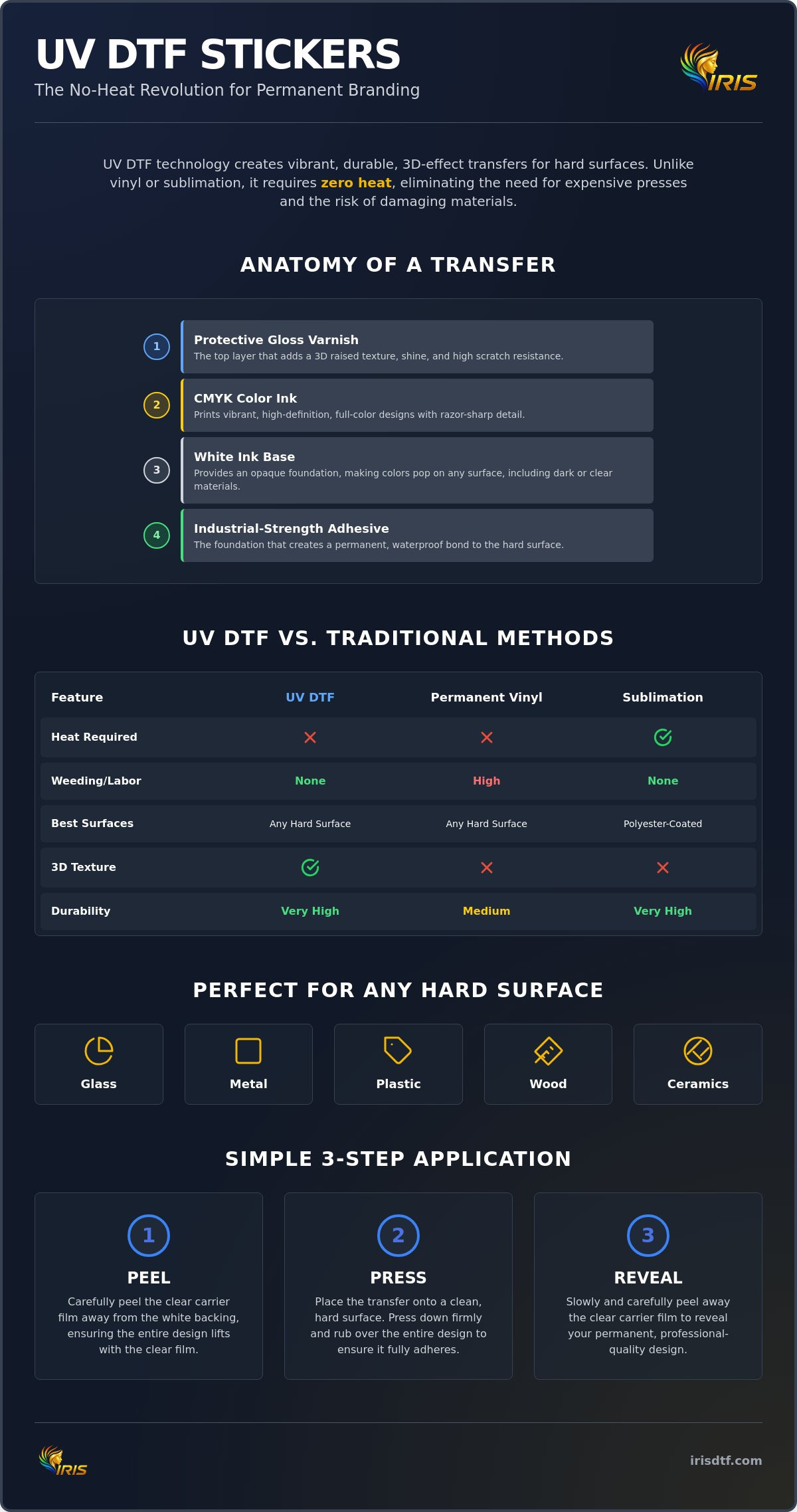
Understanding what are uv dtf stickers requires looking beneath the surface. It's not just a single layer of ink. It's a sophisticated vertical stack of high-performance components. Every sticker starts with a specialized adhesive layer. This is the foundation that ensures a permanent bond to hard surfaces. On top of that, we print a dense layer of white ink. This provides the opacity needed to make colors pop, even on dark or transparent backgrounds. Then comes the CMYK color layer for high-definition, vibrant detail. Finally, a clear gloss varnish is applied. This top coat does more than just add shine. It creates the signature raised texture that makes the design feel like an expensive, custom-molded part of the product. This varnish layer acts as a protective shield against physical abrasion. It's the reason why these stickers can survive thousands of touches without losing their luster.
The UV Curing Process Explained
The secret is in the light. In traditional printing, you wait for ink to dry. In this process, high-intensity UV lamps follow the print head. This UV-curable inkjet printing method triggers an instant chemical reaction. The ink hardens in milliseconds. This rapid curing locks the pigment in place. It prevents color bleeding and ensures every fine line remains razor-sharp. Because the ink is hardened by light rather than air, it becomes incredibly scratch-resistant and chemical-resistant. It won't fade or smudge, even on high-use items like water bottles or laptop covers. When you run your finger over the finished product, you can feel the physical depth. It's a tactile experience that adds massive perceived value to your merchandise.
Film A vs. Film B: The Transfer Mechanics
The magic happens through a specialized two-film system. Film A is the carrier. It's the PET film that runs through the printer and receives the ink layers in reverse. Once the printing is done, the design is laminated to Film B. This second film is the transfer laminate. It's designed to hold the sticker in place until you're ready to apply it. High-quality lamination is non-negotiable. If the bond between the films isn't perfect, your sticker might peel unevenly or fail to release during application. Iris DTF uses industrial-grade lamination equipment in our Richardson facility to ensure every custom order is ready for a flawless "peel and stick" application. This precision is why local Dallas brands trust our transfers for their high-end merchandise. If you're tired of stickers that don't hold up, you can order custom UV DTF stickers today and experience the difference that professional lamination makes.
UV DTF vs. Permanent Vinyl vs. Sublimation: A Comparison
Choosing the right branding method is a balance of speed, cost, and quality. If you've spent years in the customization industry, you know the struggle of choosing between "fast" and "detailed." When people ask what are uv dtf stickers, they usually want to know if it's finally time to retire their old equipment. The short answer is yes. UV DTF bridges the gap between the simplicity of a sticker and the durability of industrial printing. It outperforms traditional methods in almost every category that matters to a growing brand.
Consider the application time. Permanent vinyl requires cutting, weeding, and masking. For complex logos, weeding alone can take ten minutes per item. UV DTF eliminates those steps. You print, peel, and stick. It's a massive boost to your hourly output. When it comes to color, vinyl is typically limited to a single shade per layer. UV DTF delivers full CMYK+W gradients and photo-quality detail in a single pass. It provides a level of sophistication that vinyl simply can't reach, especially on high-touch items like phones and water bottles where detail matters most.
The versatility of this technology is backed by recent advancements in printing on diverse substrates. While other methods struggle with adhesion, UV DTF bonds firmly to glass, metal, and plastic without specialized primers.
Why UV DTF is Replacing Traditional Vinyl
The end of weeding is here. Small, intricate text that used to be a nightmare for vinyl cutters is now effortless. UV DTF handles razor-thin lines and floating elements without a carrier sheet left behind. This makes it the superior choice for curved or irregular surfaces where vinyl often lifts or creases. You get a clean, professional finish every time. Plus, you can apply multi-color designs in one single step. No more painstakingly aligning layers of different colored vinyl. It's a streamlined workflow that saves labor and reduces waste.
UV DTF vs. Sublimation: Which is Better for Your Brand?
Sublimation is a fantastic tool, but it's limited. It requires specific polyester coatings to work. If your substrate isn't "sublimation ready," the ink won't take. UV DTF works on almost anything hard. There's also the "feel" factor. Sublimation is smooth because the ink dyes the surface. UV DTF offers a premium tactile feel with its raised varnish layer. It feels expensive. It feels custom. If you're looking for deeper technical specs on how these transfers hold up over time, check out our UV DTF Transfers Guide for a full breakdown of durability and application tips. For most modern brands, the versatility of UV DTF makes it the clear winner for hard-surface branding.
Where to Apply UV DTF: Best Surfaces and Common Misconceptions
The versatility of these transfers is their greatest strength. When you're exploring what are uv dtf stickers, you're really looking for the limits of your branding potential. For most hard surfaces, those limits don't exist. These stickers thrive on materials that usually reject standard adhesives. From high-end retail products to rugged industrial equipment, the application range is massive. They provide a permanent, professional finish on five primary surfaces:
- Glass: Perfect for candles, mirrors, and glassware.
- Metal: Ideal for stainless steel tumblers, aluminum cases, and tools.
- Hard Plastic: Great for electronics, phone cases, and acrylic signage.
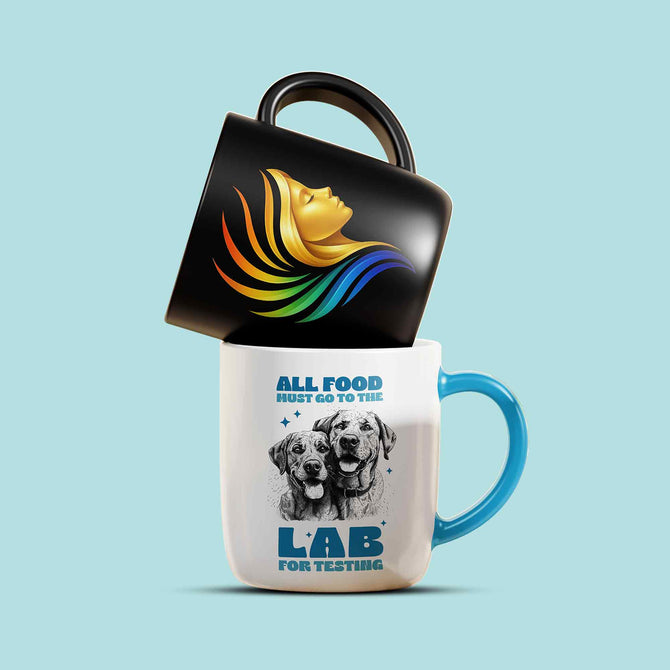
- Ceramic: The go-to for custom mugs and decorative tiles.
- Finished Wood: Excellent for branded crates, plaques, and furniture.
Beyond retail, we see heavy use in industrial settings. Companies use them for tool labeling and branding office equipment like laptops and monitors. The environmental resistance is a major factor here. These transfers are waterproof and highly resistant to sunlight. They won't fade or yellow when exposed to UV rays, making them a reliable choice for items that live outdoors or near windows. If you need a solution that stands up to daily wear, you can order custom UV DTF stickers to see the durability for yourself.
However, we need to clear up a major industry myth. Can you use UV DTF on t-shirts? Absolutely not. The ink cures into a hard, non-flexible layer. If you apply it to fabric, it will crack and peel the moment the garment stretches or goes through the wash. For apparel, you must use custom DTF transfers instead. Always use the right tool for the substrate.
The Ultimate Tumbler and Drinkware Solution
UV DTF is now the gold standard for custom 16oz and 20oz cup wraps. It's faster than sublimation and more durable than vinyl. When applying to straight-walled vessels, the process is instant. For tapered cups, a little extra care is needed to prevent bunching, but the results are flawless. While these stickers are incredibly tough, we always recommend hand-washing for maximum longevity. High-heat dishwasher cycles can eventually degrade even the strongest adhesives over hundreds of washes. Keep them looking sharp with a simple hand wash.
Surfaces to Avoid: When UV DTF Isn’t the Answer
While UV DTF is a powerhouse for hard goods, it isn't a universal solution. Avoid fabrics and porous textiles entirely. You should also be cautious with silicone or highly textured "soft-touch" coatings. These materials are designed to repel adhesives. Before you apply any transfer, surface preparation is non-negotiable. Clean the area thoroughly with isopropyl alcohol. This removes oils, dust, and fingerprints that could compromise the bond. Clean it. Peel it. Stick it. It's that simple. For industrial materials that cannot be branded, such as scrap rubber, Tired Tyres provides a professional and legal disposal solution.
Custom UV DTF Stickers in Dallas-Fort Worth: The Iris DTF Difference
Choosing a production partner is just as critical as choosing the technology itself. You now know what are uv dtf stickers and how they can transform your hard-surface branding. For businesses in the Dallas-Fort Worth metroplex, the real advantage lies in local, high-capacity production. Iris DTF operates out of a dedicated facility in Richardson, TX. We bring over 10 years of industry expertise to every project we touch. This isn't just about printing; it's about precision, quality control, and the kind of rapid turnaround times that out-of-state competitors simply can't match. We understand the DFW market because we're a part of it. We've built our reputation on reliability and professional speed.
Maximizing Value with UV DTF Gang Sheets
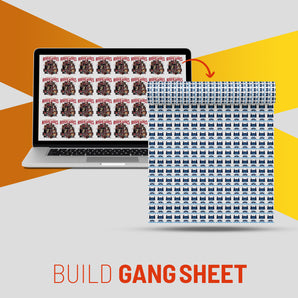
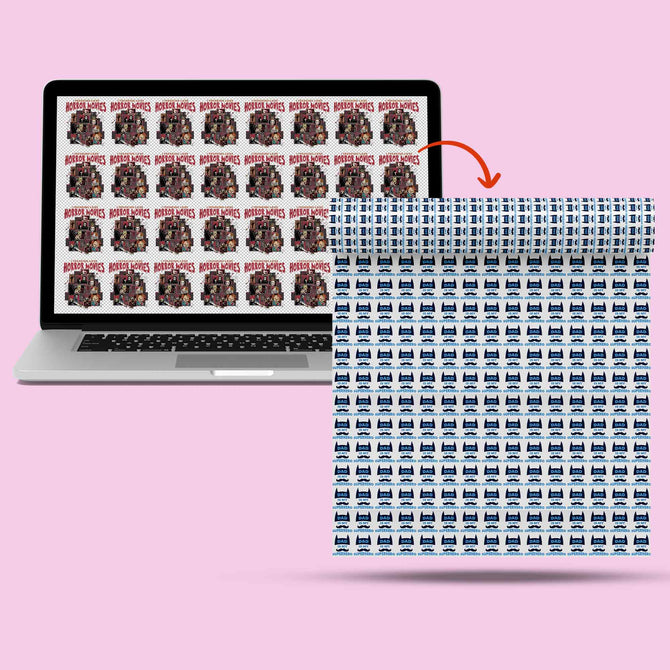
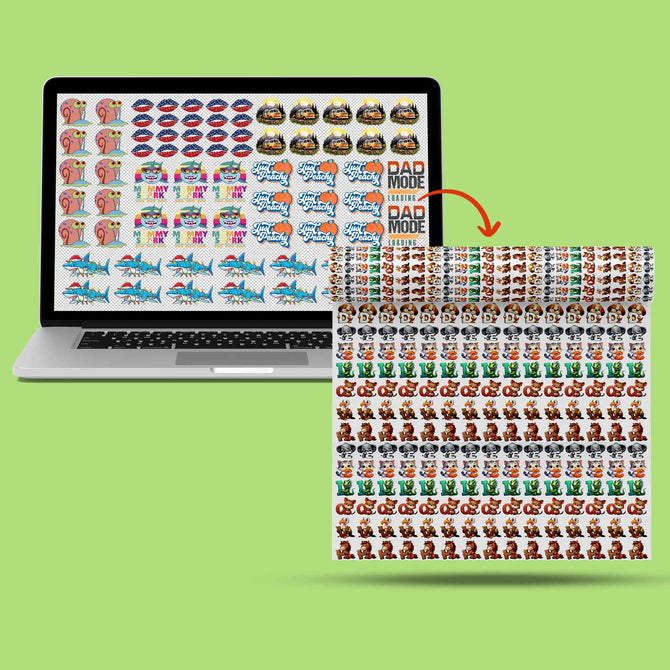
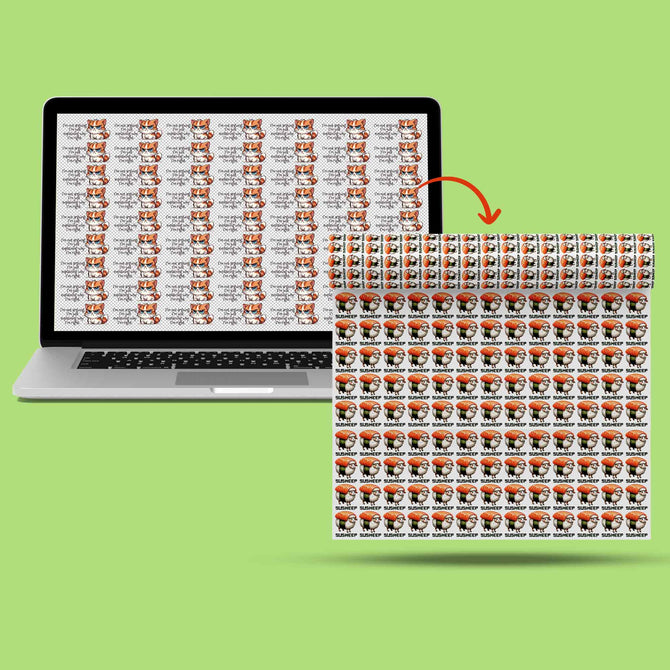
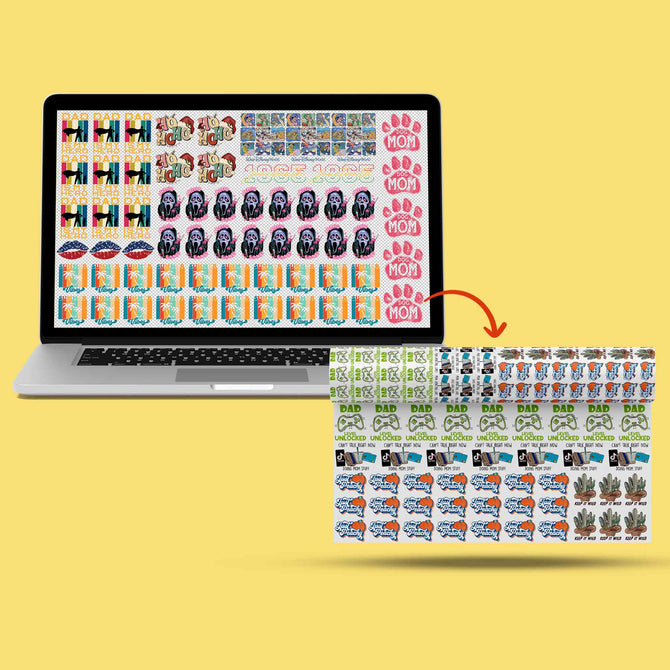
Efficiency is the engine of your success. If you're looking for what are uv dtf stickers that offer the best return on investment, we specialize in DTF gang sheets for our UV sticker orders. This approach allows you to fit dozens of different logos, sizes, and designs onto a single sheet. It maximizes every square inch of film and eliminates wasted space. By organizing your designs this way, you drastically lower your per-sticker cost. It’s the ultimate solution for high-volume branding or testing multiple product lines at once. To get the best results, ensure your art files are high-resolution (300 DPI) and have transparent backgrounds. Crisp art leads to crisp stickers. Our streamlined process ensures your complex gradients and fine lines translate perfectly from the screen to the final surface.
Local Support for Richardson and Plano Businesses
Time is money. When you have an urgent project deadline in Plano or Frisco, you can't afford to wait on a shipping carrier to cross the country. Being based in Richardson allows us to offer local pickup options for our DFW clients. We've spent a decade acting as a reliable partner for local brands. We handle massive commercial demands and small-scale individual projects with the same level of professional reliability. Our "can-do" spirit means we're focused on your success. We position our business as an essential engine for your own creative or commercial growth. If you're ready to elevate your product line with the best transfers in Texas, Start your custom UV DTF order with Iris DTF today! We're ready to get to work and deliver the results your brand deserves.
Scale Your Brand with Professional UV DTF Technology
The customization industry is moving fast. You now understand what are uv dtf stickers and how they effectively eliminate the limitations of traditional vinyl and sublimation. This no-heat application process isn't just a trend; it's a permanent solution for professional branding on any hard surface. From the premium 3D tactile feel to the industrial-strength adhesive, these transfers provide a finish that standard stickers can't match. You can now brand tumblers, electronics, and glassware with total confidence and zero heat damage.
Iris DTF brings over 10 years of high-performance digital transfer expertise directly to your doorstep. Proudly serving Richardson, Plano, and the entire Dallas-Fort Worth area, we pride ourselves on being the engine behind your commercial success. Our local presence ensures you get the quality control and rapid turnaround your business demands. Don't let outdated methods slow your production down. It's time to streamline your workflow and deliver premium results to your customers every single time.
Ready to experience the future of hard-surface branding? Order Your Custom UV DTF Stickers from Iris DTF today and see why DFW brands trust us for their high-end merchandise. Your next project deserves a professional edge. Let's build something great together.
Frequently Asked Questions
Are UV DTF stickers dishwasher safe?
Yes, these stickers are highly water-resistant and can withstand standard washing. Most modern UV ink formulations are rated for regular dishwasher cycles. However, we suggest hand-washing your custom drinkware to maximize the lifespan of the transfer. Extreme heat during the drying cycle can eventually weaken the adhesive bond over several hundred washes.
How long do UV DTF stickers last on outdoor surfaces?
These transfers are built for extreme endurance. Because the ink is cured with ultraviolet light during production, it's naturally resistant to sunlight and fading. You can expect them to remain vibrant and intact on outdoor signage or equipment for years. Much like the professional-grade window films offered by coraltint.com, these stickers won't yellow or peel like standard paper or vinyl when exposed to the elements.
Can I apply UV DTF stickers to fabric or t-shirts?
No, you should never use UV DTF on apparel. The ink cures into a hard, rigid layer that does not stretch. If applied to a t-shirt, the design will crack and flake off the moment the fabric moves or goes through a laundry cycle. For all textile projects, use our custom DTF transfers which are specifically engineered for flexibility and soft-touch comfort.
Do I need a heat press to apply UV DTF transfers?
You don't need a heat press or any specialized heating equipment. This is a 100% cold-transfer process. Application is as simple as peeling the backing, pressing the design onto your cleaned surface, and removing the carrier film. It's an efficient, one-step solution that allows you to brand items anywhere without being tethered to a power outlet.
What is the difference between standard DTF and UV DTF?
The primary difference is the substrate and the curing method. Standard DTF is for apparel and requires a heat press to melt adhesive powder into fabric fibers. When people ask what are uv dtf stickers, they're learning about a process for hard goods. UV DTF uses UV-curable inks and a pressure-sensitive adhesive that bonds to non-porous surfaces instantly upon contact.
How do I prepare my artwork for custom UV DTF printing?
Submit your designs as high-resolution files at 300 DPI in CMYK color mode. Transparent backgrounds are required, so PNG, PDF, or AI formats work best. Ensure your edges are crisp and avoid semi-transparent pixels. Our printers need a solid area to lay down the white ink layer that makes your colors pop on dark or clear surfaces.
Can UV DTF stickers be removed once applied?
These are permanent branding solutions. Once the adhesive bonds to the surface, it's designed to stay there indefinitely. You can remove them with a plastic scraper or a razor blade and some effort, but they aren't repositionable. Always double-check your alignment before pressing the sticker down, as the initial bond is incredibly strong.
What surfaces do UV DTF stickers stick to best?
They bond perfectly to smooth, non-porous materials. Glass, metal, hard plastics, and ceramics are the most common and successful applications. If you're still curious about what are uv dtf stickers and their versatility, they also perform exceptionally well on finished wood and electronics. Just remember to wipe the surface with isopropyl alcohol first to remove any oils or dust.