DTF vs. Screen Printing: The Ultimate 2026 Comparison for Your Brand

What Is This Article About?
Your massive screen printing setup fee isn't just an invoice item. It's a tax on your brand's growth. You've likely accepted high minimums and limited fabric compatibility as the standard cost of doing business. It's frustrating to pay for multiple screens just to get a vibrant, multi-color design off the ground. When weighing dtf vs screen printing, you shouldn't have to wait weeks for a national printer only to find your logo won't bond with polyester. You need a faster, more reliable way to scale with local speed.
The choice between these two methods has fundamentally changed for 2026. This comparison reveals how to secure retail-quality durability and unlimited color depth without any of the traditional overhead. We'll show you how to choose the right method to eliminate inventory waste and maximize your profit margins. You'll get the facts on cost, 50+ wash cycle durability, and the versatility to print on almost any substrate. We're diving into the data so you can stop guessing and start growing with the precision your brand requires.
Key Takeaways
- Understand why high-resolution digital CMYK+W printing on PET film has become the 2026 industry standard for retail quality.
- Analyze dtf vs screen printing to see how digital transfers offer superior versatility across cotton, polyester, and difficult nylon blends.
- Verify the durability standards that allow modern transfers to maintain vibrant colors through 50+ industrial wash cycles.
- Learn how to maximize profit by eliminating setup fees and adopting an inventory-light business model using ready-to-press gang sheets.
- Discover the competitive advantage of local Richardson-based production for Dallas-Fort Worth brands requiring professional reliability and speed.
What is DTF Printing and Why is it Winning in 2026?
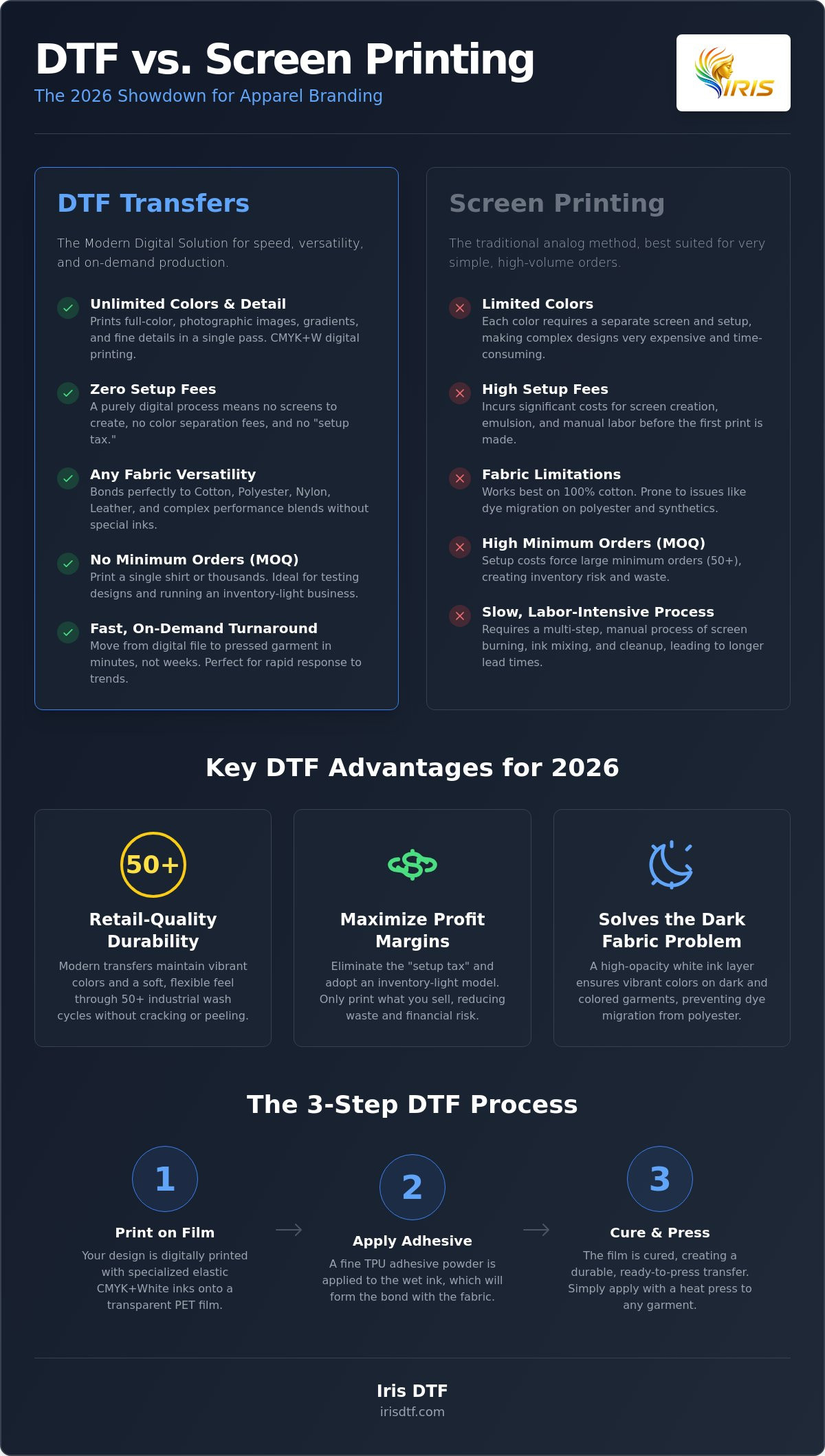
Direct-to-Film (DTF) isn't just a trend; it's a digital revolution in apparel decoration. In 2026, the industry has moved beyond traditional heat transfers. We now use high-resolution digital CMYK+W printing directly onto specialized PET film. This technology allows for photographic detail and vibrant whites that were previously impossible to achieve with speed. When comparing dtf vs screen printing, the difference in flexibility is staggering. Screen printing requires physical screens and manual setup for every color. DTF is purely digital. It's ready when you are. This evolution has made custom dtf transfers the new benchmark for brands that value speed and precision.
Traditional screen printing is built for the past. It relies on a rigid, labor-intensive process involving emulsion, darkrooms, and heavy chemicals. DTF bypasses these bottlenecks entirely. It offers an on-demand workflow that fits the fast-paced nature of modern retail. You don't have to wait for a printer to burn screens or mix ink batches. You simply send your file and print. This streamlined approach ensures that your brand stays agile, reacting to trends in real-time rather than weeks later.
The Three-Part System: Ink, Powder, and Film
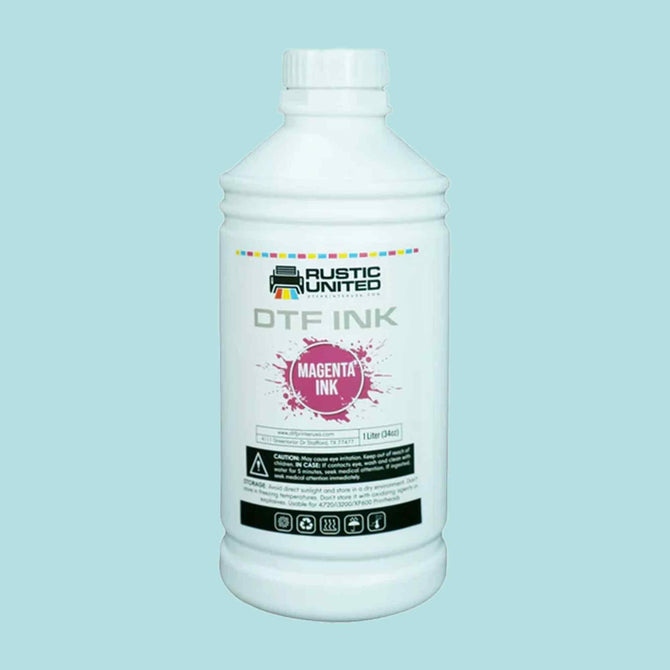
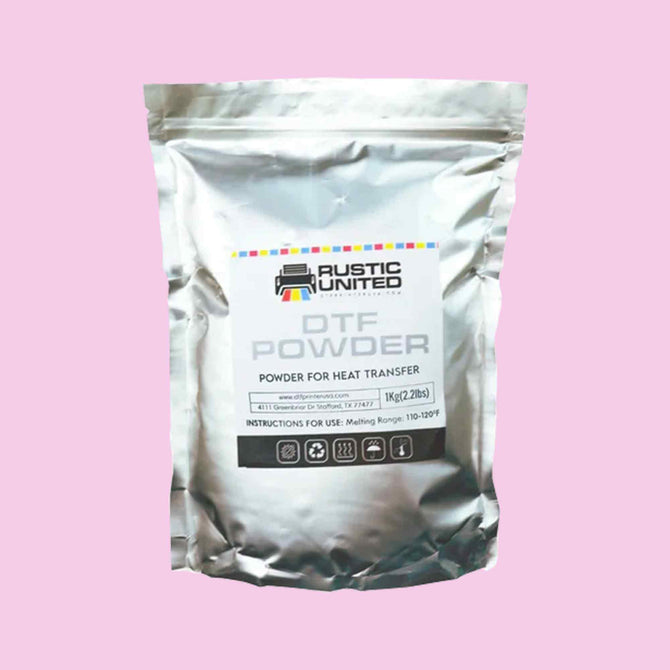
The magic happens in three distinct steps. First, we use specialized elastic inks. These aren't standard inks; they're engineered to stretch and move with the fabric. Second, we apply a TPU adhesive powder. This creates a powerful, permanent bond between the design and the garment. Third, the PET carrier film holds everything in perfect registration. In the past, transfers were often criticized for cracking or peeling. That era is over. 2026 chemistry has perfected the bond. Your prints stay crisp, vibrant, and flexible even after 50+ industrial wash cycles. It's professional-grade durability you can trust for every order.
The Death of the Minimum Order Quantity (MOQ)
Why pay a "setup tax" for a 50-piece minimum? Small brands are walking away from that old model. DTF removes the "per-screen" cost entirely. You can print one shirt or one thousand with the same level of ease. This capability means you don't have to guess which designs will sell. You can test new collections without financial risk. The speed is a massive competitive advantage. You can move from a digital art file to a finished, pressed garment in minutes. It's the ultimate inventory-light strategy. You stock the transfers, not the finished shirts. This eliminates waste and maximizes your profit margins on every single unit sold.
Versatility Comparison: DTF vs. Screen Printing on Fabrics
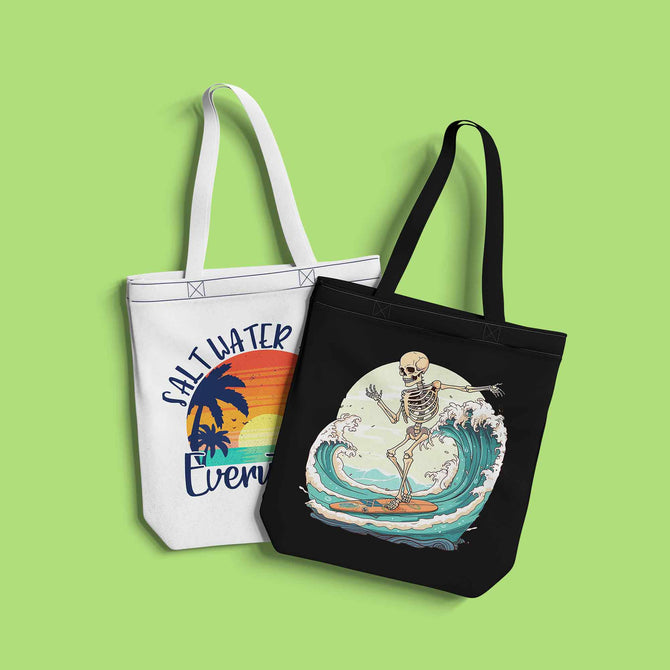
Versatility is where the battle of dtf vs screen printing is truly won. Screen printing is notoriously picky. It shines on 100% cotton but often fails on synthetic blends without expensive additives or specialized ink sets. DTF changes the rules. It bonds effortlessly to cotton, polyester, nylon, and even treated performance blends. This "Any Fabric" advantage means you don't have to limit your catalog. Whether you're printing heavy canvas totes or delicate moisture-wicking jerseys, the process remains identical. The result is a consistent brand image across every product line you offer.
Achieving professional results requires the right foundation. You can't put a premium print on a budget shirt and expect a retail-ready finish. This is why selecting high-quality blank apparel is critical. The weave and weight of the garment interact with the transfer to create that final "hand feel." Modern DTF transfers are designed to be thin and breathable. They don't create the "sweat patch" common with heavy plastisol prints. They stretch. They breathe. They move with the wearer.
Solving the Dark Fabric and Polyester Headache
Printing on dark hoodies or red polyester used to be a nightmare for small shops. Screen printing requires a thick, heavy white under-base to make colors pop. This often leads to dye migration; where the fabric color bleeds into the ink and turns your white logo pink. DTF ink chemistry includes a dedicated, high-opacity white barrier layer. This prevents migration entirely. Your whites stay white. Your colors stay vibrant. Even on black garments, you get a crisp finish without the heavy, shield-like feel of traditional methods. It's a lighter, more comfortable wear for summer tees and activewear alike.
Beyond Apparel: The UV DTF Hard-Surface Advantage
Your branding shouldn't stop at the hem of a shirt. This is the biggest gap in most dtf vs screen printing debates. While screen printing is largely limited to flat, porous surfaces, uv dtf transfers allow you to brand hard surfaces with industrial-strength stickers. You can apply your logo to tumblers, electronics, and equipment without a heat press. It's a game-changer for brand consistency. One design file can now cover your entire promotional range. These stickers are replacing traditional vinyl because they're more durable and offer a professional, embossed feel. Ready to scale your brand across every surface? You can browse our transfer options to see how easy it is to sync your fabric and hard-surface branding.
Durability and Feel: The 50+ Wash Cycle Reality
Durability isn't a suggestion. It's a guarantee for your brand's reputation. In 2026, the industry standard for professional custom transfers is 50+ wash cycles without fading or cracking. This benchmark puts digital transfers on equal footing with the most resilient traditional methods. When weighing dtf vs screen printing, don't let outdated myths about digital transfers hold you back. While old-school plastisol ink often feels like a heavy, rubbery shield, modern DTF offers a soft hand that surprises even seasoned printers. It's thin. It's flexible. It moves with the garment rather than fighting against it.
The secret to this longevity lies in the chemistry of the bond. We use a specialized TPU (Thermoplastic Polyurethane) adhesive powder that acts as a molecular bridge. During the curing process, this powder melts to create a permanent weld between the ink and the garment fibers. This isn't a surface-level stick; it's a deep-rooted connection that resists peeling. We've also addressed the "breathability" myth. By utilizing fine-dot halftone patterns in the white under-base, we allow air to pass through the design. This keeps the garment comfortable and light, ensuring your customers don't feel like they're wearing a plastic plate on their chest.
The Critical Role of the Heat Press
You can't achieve professional durability with a home iron. Irons are for hobbyists. Brands use professional heat presses. Longevity depends entirely on the "Holy Trinity" of application: Time, Temperature, and Pressure. If one variable is off, the bond fails. A professional press ensures even heat distribution and consistent force across the entire design. This precision is what allows a transfer to outlast the garment itself. It's the difference between a shirt that looks good for a week and one that stays vibrant for years.
Elasticity and Stretch Resistance
Thick screen printing ink has a major weakness: it cracks when stretched. This is a liability for ribbed collars, leggings, or spandex blends. DTF transfers are inherently elastic. They pass the "snap-back" test with ease. You can pull the fabric to its limit, and the design will return to its original shape without a single fracture. This elasticity makes it the superior choice for modern performance wear and athleisure. To see how this technology is applied to high-performance club kits, you can discover sUperstar and their custom-designed teamwear. Your designs will stay crisp and intact, no matter how much the wearer moves. It's the ultimate solution for high-stress garments that traditional ink simply can't handle.
Profitability and Scaling: The Business Case for DTF
Every dollar spent on setup fees is a dollar stolen from your marketing budget. When analyzing the profitability of dtf vs screen printing, the winner is clear for brands that value agility. Screen printing requires physical screens, darkroom emulsion, and chemical baths for every job. These costs are passed directly to you. DTF is different. It's a clean, digital process that eliminates traditional overhead. You don't pay for the setup; you pay for the print. This efficiency allows you to keep your margins high and your capital liquid.
Storing boxes of finished shirts is dead capital. It's a risk most modern brands can't afford. The "Inventory-Light" model is the smarter move for 2026. By stocking transfers instead of finished garments, you enable Just-In-Time fulfillment. You only press the shirt when the customer clicks "buy." This eliminates the nightmare of unsold stock and clearance racks. You can react to market trends instantly. If a design goes viral, you aren't waiting weeks for a reprint. You're pressing and shipping within hours. For brands ready to scale, dtf gang sheets act as the engine for high-volume value.
Maximizing Margins with Gang Sheets
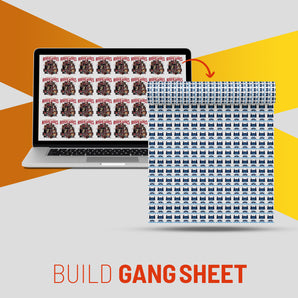
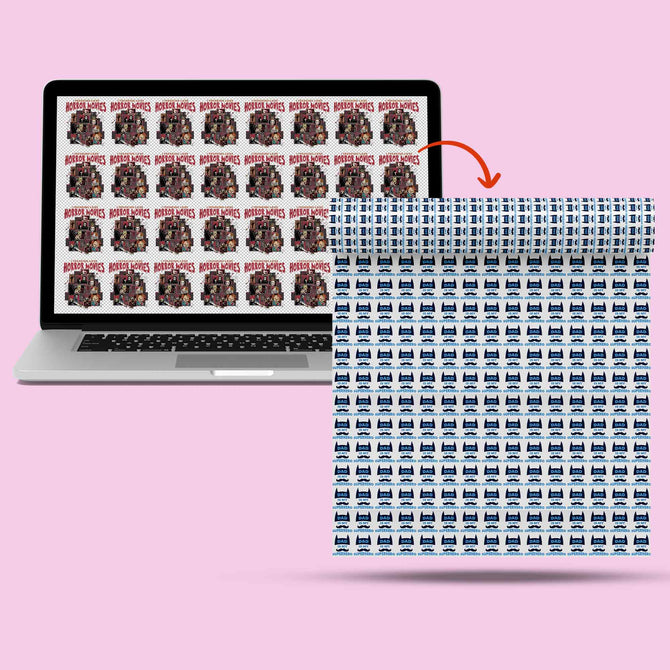
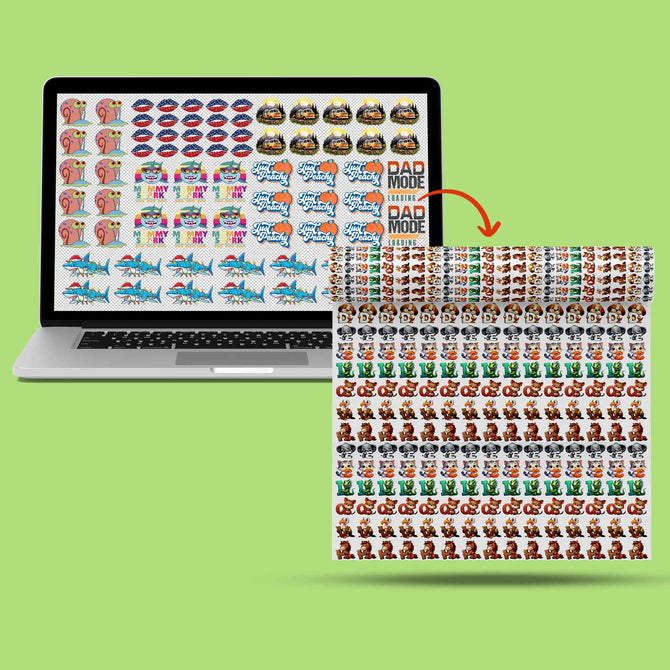
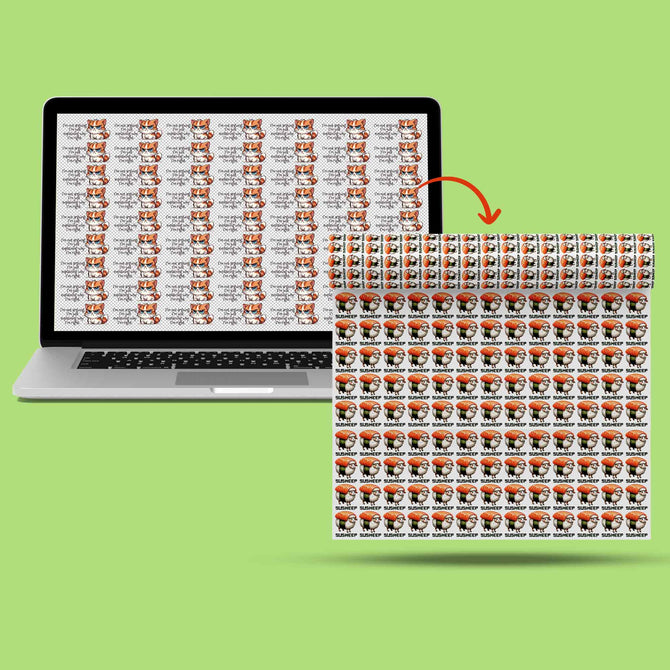
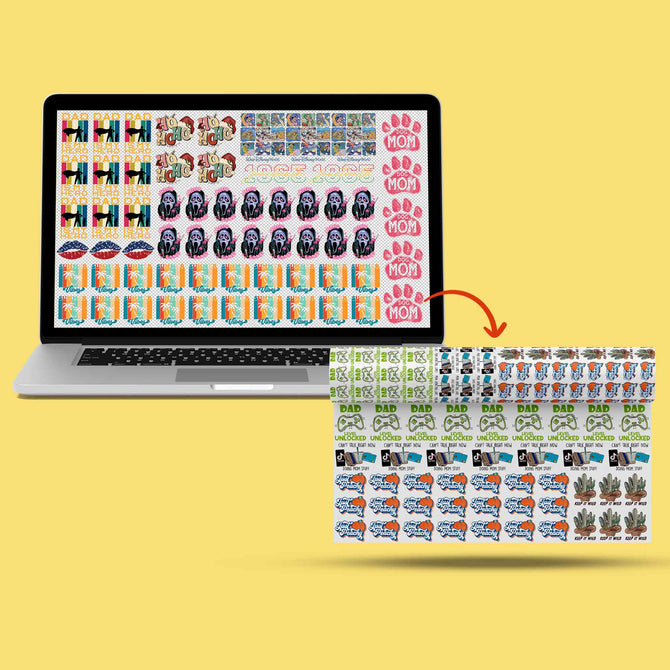
The real secret to high-profit apparel is nesting. Gang sheets allow you to fit main logos, neck labels, and sleeve hits on a single roll of PET film. You're maximizing every square inch of the material. This strategy dramatically lowers your per-print cost. For complex, multi-color designs, DTF remains the more profitable choice for orders up to 500 units. To get the best results, follow these art prep tips:
- Use high-resolution vector files to ensure crisp edges at any size.
- Nest your designs tightly to minimize wasted space on the film.
- Include multiple sizes of your logo to cover different garment types on one sheet.
Zero Setup, Instant Iteration
Speed is your greatest competitive advantage. DTF allows you to test new designs without financial risk. You don't have to commit to a 50-piece minimum just to see if a concept resonates with your audience. You can launch a "limited drop" in under 24 hours. This level of iteration is impossible with screen printing's rigid setup. DTF allows a brand to scale from 1 to 1,000 units with zero equipment changes. It's the most flexible way to grow your brand without the traditional growing pains. Ready to maximize your margins? Start your next high-profit run here.
Why DFW Brands Choose Iris DTF in Richardson, TX
National "mega-labs" treat your brand like a data point. We treat it like a partnership. Based in Richardson, Iris DTF brings over 10 years of specialized expertise to the North Texas market. When you compare dtf vs screen printing, the biggest hurdle is often the logistics of shipping and quality control. Why wait for a national printer to ship your order when you can drive to our facility and pick it up today? Local reliability is the foundation of creative success. It's why we've become the premier choice for those searching for dtf near me in the Dallas-Fort Worth area.
Our Richardson facility isn't just a print shop. It's a high-capacity powerhouse. We've spent a decade perfecting digital transfer technology, ensuring every sheet that leaves our floor meets 2026 durability standards. Local sourcing beats national labs every time. You get direct access to experts who understand your needs. You get precise color matching. Most importantly, you get the speed required to stay ahead of your competition. We are the behind-the-scenes engine for DFW brands that refuse to settle for "good enough."
Fast Turnaround for Dallas, Plano, and Frisco
Time is money. Shipping delays and rising freight costs shouldn't dictate your production schedule. We support North Texas entrepreneurs by reducing the distance between your design and your finished garment. Whether you're in Dallas, Plano, or Frisco, our location offers a massive strategic advantage. Need transfers for an urgent event this weekend? Our local pickup option eliminates the anxiety of tracking numbers. We provide high-capacity output for the Richardson creative community, ensuring you can scale your brand without leaving the metroplex. It's professional reliability with a local touch.
Ready to Press? Your Next Steps
The transition from rigid screen printing to flexible DTF transfers is the smartest move you can make for your brand's growth. Don't let high setup fees and slow turnarounds limit your potential. You can start small or go big. We recommend starting with a sample pack to feel the quality for yourself. Or, if you're ready to maximize your profit, upload your first custom gang sheet and see how much you can save. The process is simple. The results are professional. Your brand deserves the best technology available. Order your professional DTF transfers from Iris DTF today!
Take Control of Your Production Strategy
Choosing between dtf vs screen printing is no longer just about the ink; it's about your brand's ability to pivot. You now have the data to stop overpaying for setup fees and start utilizing the inventory-light model that defines 2026 apparel success. By leveraging the versatility of digital transfers, you can print on any fabric and launch new collections in hours rather than weeks. Remember, durability is a baseline requirement. Our 50+ wash cycle durability guarantee ensures your reputation stays as vibrant as your prints.
Don't settle for the slow turnaround times of national labs. Iris DTF combines 10+ years of industry expertise with the speed of a local Richardson, TX facility. We are here to act as your behind-the-scenes engine, providing the precision and reliability you need to outpace the competition. It's time to move your brand forward with a partner who understands the high-capacity demands of the Dallas-Fort Worth market. Ready to see the difference for yourself?
Scale Your Brand with High-Quality Custom DTF Transfers
Your creative vision deserves a production method that doesn't hold you back. Let's get to work.
Frequently Asked Questions
Is DTF printing more durable than screen printing in 2026?
Yes, modern DTF is fully comparable to screen printing durability, consistently reaching 50+ wash cycles without failure. Our specialized TPU adhesive creates a molecular weld that prevents peeling. While thick screen printing ink can crack on ribbed fabrics, digital transfers maintain their elasticity. It's a professional-grade solution that stands up to industrial laundry standards. When comparing dtf vs screen printing, you're getting retail-ready longevity that often outlasts the garment itself.
Can I use a home iron to apply DTF transfers from Iris DTF?
You should avoid using a home iron if you want professional, brand-quality results. While an iron can melt the adhesive, it cannot provide the consistent pressure or precise temperature required for a permanent bond. A professional heat press is essential for retail output. It ensures the "Holy Trinity" of application: exact time, heat, and force. Using a press is the only way to guarantee your transfers won't peel after the first wash.
Does DTF printing have a "plastic" feel on the shirt?
No, that heavy "plastic" feel is a thing of the past. Modern digital transfers utilize thin-film technology and elastic inks to create a remarkably soft hand feel. Unlike traditional plastisol screen printing, which can feel like a rigid shield, our transfers move with the fabric. We use fine-dot halftone patterns to maintain breathability. This ensures your custom apparel remains comfortable and light even with large, multi-color designs on lightweight summer tees.
How many colors can I include in a single DTF design?
You can include unlimited colors in a single design at no extra cost. Because DTF is a digital process using CMYK+W ink, it handles complex gradients and photographic details with ease. Traditional screen printing charges you for every additional screen and manual setup. With digital transfers, the price remains the same whether you're printing a single-color logo or a full-color photographic masterpiece. It's the most cost-effective way to achieve high-resolution branding.
What is a DTF gang sheet and how does it save my business money?
A DTF gang sheet is a single roll of film containing multiple designs nested together. This method saves you money by maximizing every square inch of the PET carrier film. You can fit main logos, neck labels, and sleeve hits on one sheet to drive down your per-unit cost. It eliminates the "setup tax" and high minimums associated with traditional printing. It's the ultimate tool for high-volume scaling and maximizing your profit margins.
Can DTF transfers be applied to 100% polyester or spandex?
Yes, digital transfers are the superior choice for 100% polyester, spandex, and performance blends. Our ink chemistry includes a high-opacity white barrier that prevents dye migration on synthetic fabrics. This means your white logos won't turn pink on red jerseys. The transfers are also highly elastic, passing the "snap-back" test on stretchy athletic wear. In the dtf vs screen printing debate, digital wins for versatility on modern, synthetic substrates.
Why should I choose a local Richardson printer over a national website?
Choosing a local Richardson printer gives you a massive advantage in speed, accountability, and shipping costs. National "mega-labs" often treat your brand like a data point and hide behind automated support. By working with Iris DTF, you gain access to a DFW-based facility for same-day local pickup and direct quality control. We understand the North Texas market and offer the personalized service that national websites can't match. It's about professional reliability.
What file format do I need for the best DTF print quality?
You need high-resolution files, specifically 300 DPI PNGs with a transparent background, for the best results. Vector formats like PDF, EPS, or AI are also excellent because they maintain perfect edge clarity at any size. Avoid low-resolution JPEGs, as they lead to blurry edges and pixelated prints. Sharp, clean artwork ensures your digital transfers look professional and retail-ready. Always double-check your resolution before uploading to ensure maximum vibrancy and detail in every print.