DTF vs. Screen Printing Supplies: Which is Best for Your 2026 Shop Strategy?

What Is This Article About?
What if the biggest drain on your 2026 shop profit isn't your material cost, but the hours lost to screen setups? It's a massive hurdle. High entry costs. Complex multi-color alignment. The constant worry about the "plastic feel" of digital prints or the risk of unsold bulk inventory. Finding the right balance in dtf vs screen printing supplies is the key to staying competitive in the Dallas-Fort Worth market.
We're here to clear the air. This comparison shows you how to optimize your ROI, boost print quality, and cut your production time in half. We'll look at the latest 2026 durability standards and the benefits of local Richardson sourcing to keep your presses running. From custom gang sheets to high-performance inks, we've got the data you need to make an informed choice. It's time to stop guessing and start scaling with a strategy built for speed and professional precision. Let's dive into the results that will define your shop's future.
Key Takeaways
- Save on high setup costs by using DTF for orders under 80 pieces. You'll eliminate per-color screen fees and boost your profit margins on small runs.
- Discover how modern 2026 ink formulas have eliminated the "plastic" feel. You can achieve soft, durable prints that withstand over 50 washes without the hassle of traditional mesh screens.
- Master the strategic shift in dtf vs screen printing supplies to build a more agile shop. Use digital transfers for high-detail designs while reserving screen printing for massive, single-color bulk orders.
- Maximize your production speed with local Richardson pickup for gang sheets and supplies. Avoid shipping delays and keep your DFW shop running with same-day supply access.
The Apparel Printing Landscape: DTF vs. Screen Printing Supplies in 2026
The apparel industry is moving fast. If you aren't evolving, you're falling behind. In 2026, the debate over dtf vs screen printing supplies isn't just about ink on fabric. It's about how you manage your time and space. Traditional screen printing relies on a heavy physical infrastructure. You need darkrooms, emulsion, and massive reclaim stations. DTF flips the script. By moving to a digital-first supply chain, you replace heavy equipment with sleek PET films and specialized adhesive powders. The Direct-to-Film (DTF) printing process has matured into a powerhouse that challenges the old guard.
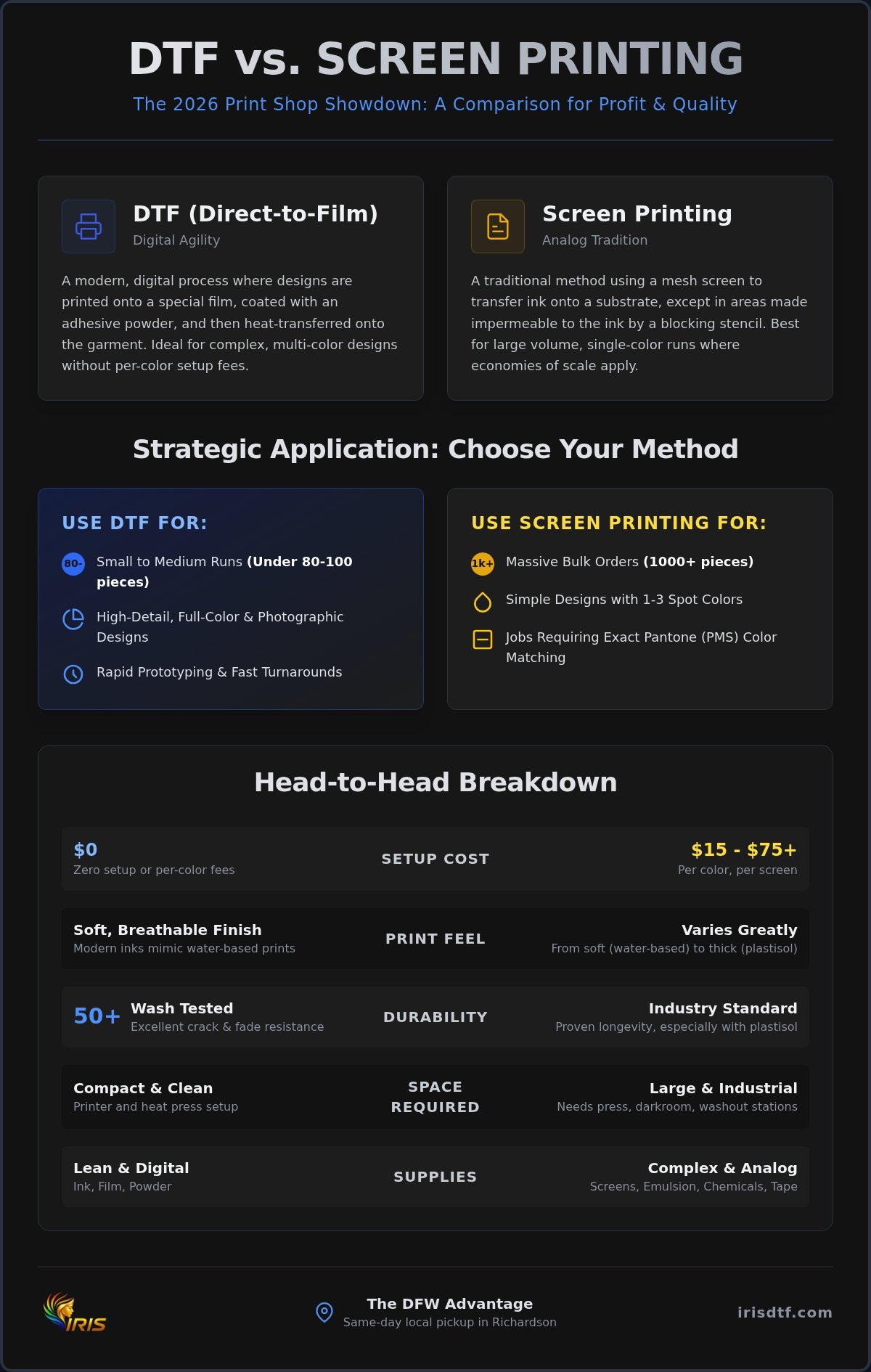
The core mechanical difference is simple. Screen printing uses mesh screens to push ink through a stencil. It's an analog process that requires precision in every manual step. DTF uses a digital printer to lay ink onto a film, which is then transferred via heat. Your primary bottleneck determines your choice. Is it setup time? Screen printing setup fees in 2026 can range from $15 to $75 per color. If you're doing a four-color design, you're down hundreds of dollars before the first shirt is even touched. DTF eliminates that barrier entirely.
Digital Agility vs. Analog Tradition
Efficiency is the new currency. Modern shops are moving away from the mess of analog setups. DTF eliminates the need for chemicals and tape. It allows you to offer ready-to-press solutions that save hours of labor. Screen printing still holds a place for massive, single-color runs where the economy of scale is undeniable. However, for the complex, multi-color designs that dominate 2026 fashion trends, digital agility is the clear winner. You can go from a digital file to a finished garment in minutes, not hours.
The 2026 Quality Benchmark
Don't let old stigmas hold you back. The plastic feel of early digital transfers is dead. 2026 ink chemistry has advanced to a point where DTF can mimic the soft hand of water-based screen prints. High-grade supplies are the secret. When you use professional-grade films and powders, you get a finish that is both vibrant and durable. Modern DTF transfers are now rated to withstand 50+ washes without cracking. While screen printing still offers Pantone-matched plastisol for specific corporate branding, CMYK+W digital printing provides a spectrum of color that analog methods struggle to match without expensive multi-screen setups. Choosing the right dtf vs screen printing supplies ensures your shop delivers the same high-quality result every single time.
Comparing the Supply Chain: What’s in Your Print Shop?
Your shop's floor plan tells a story. A traditional screen printing setup is a heavy investment in square footage. You need dedicated zones for the press, the darkroom, and the wash-out booth. DTF technology changes the math. When evaluating dtf vs screen printing supplies, the physical footprint is the first thing you'll notice. A professional DTF station fits into a fraction of the space required for even a modest manual screen press. It's about maximizing every square inch of your Richardson or Dallas facility for maximum profit.
Screen printing carries hidden baggage. You aren't just buying ink. You're buying emulsions, block-out tape, and screen degreasers. These chemicals require strict waste management to meet 2026 environmental standards like the Toxic Substances Control Act (TSCA). DTF is a leaner operation. While it generates PET film waste, the process eliminates the toxic chemical wash-off associated with reclaiming screens. It's a cleaner, more focused approach to apparel production.
Essential DTF Supplies: Inks, Films, and Powders
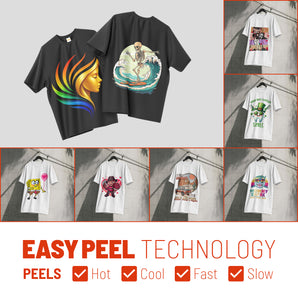
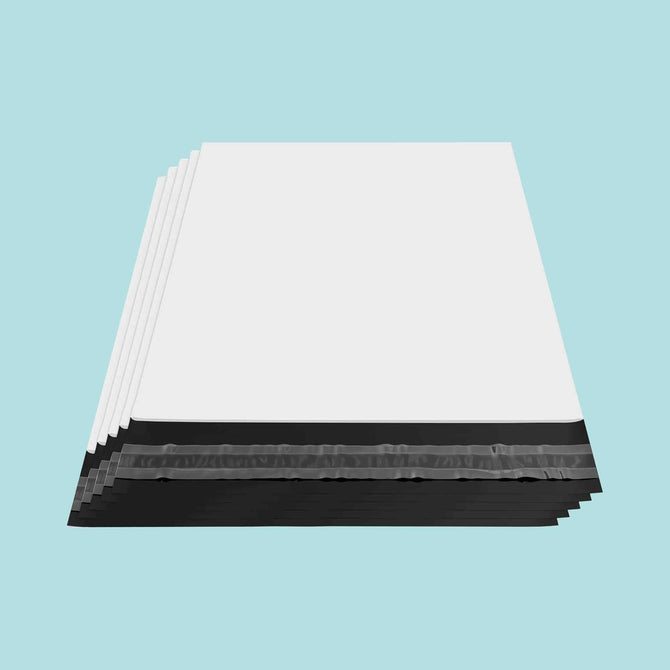
Success starts with the chemistry. Modern DTF ink is engineered for stability. High-grade CMYK+W formulations prevent head clogs and ensure consistent, vibrant output across thousands of prints. Your PET film choice also dictates your workflow. Cold peel films offer a premium finish, while hot peel films are built for high-speed production environments. Don't overlook the TPU adhesive powder. This isn't just glue. It's the flexible bridge that fuses your digital design to the fabric. For shops looking to stock up quickly, sourcing wholesale DTF supplies locally ensures you never hit a production bottleneck.
Traditional Screen Printing Supplies
Screen printing remains a technical discipline. You need a deep inventory of mesh counts, squeegees, and flash dryers. The complexity of creating a perfect screen involves precise emulsion coating and exposure times. Then there's the ink choice. Plastisol is the industry standard for durability, but water-based inks are required for that soft, high-end "no-feel" finish. Each choice adds a layer of supply chain management and technical skill. Managing dtf vs screen printing supplies means balancing these analog needs against the streamlined digital alternative. If you're tired of the chemical mess, the shift to digital is the logical next step for your 2026 strategy.
Performance and Feel: Breaking the 'Plastic' Stigma of DTF
For years, the loudest knock on digital transfers was the "sticker" feel. It felt thick. It felt heavy. It didn't breathe. In 2026, those complaints are a thing of the past for shops using professional-grade dtf vs screen printing supplies. Modern PET films and ultra-fine adhesive powders allow for a much thinner ink deposit. You can even use halftoning techniques to create gaps in the design, allowing the fabric to breathe just like a high-end screen print. The result is a garment that feels as good as it looks.
Breathability remains a critical factor for athletic and summer wear. While screen printing still holds the edge for massive, solid-ink blocks on heavy hoodies, DTF is now the preferred choice for detailed, multi-color graphics on lightweight tees. The "hand" of a print depends entirely on your supply quality. Cheap powders result in a stiff, plastic finish. Premium TPU powders create a flexible, soft-touch bond that moves with the fabric. If your customers are complaining about a heavy feel, it's time to audit your supply chain.
Washability and Longevity Benchmarks
Durability is where the 2026 standards really shine. Modern DTF transfers are engineered to withstand at least 50 wash-and-dry cycles without significant cracking or fading. This 50-cycle industry standard ensures that the print often outlasts the garment itself. Proper curing is the most important factor in reaching this benchmark. If your time or temperature is off during the heat press stage, the adhesive won't fully fuse. When comparing dtf vs screen printing supplies, remember that aged plastisol often cracks and peels, while a well-cured DTF film maintains its integrity and vibrant color for years.
Fabric Versatility: Beyond 100% Cotton
DTF wins the versatility battle every time. Screen printing on polyester or nylon is a technical nightmare. Dye migration often ruins white ink on dark synthetic fabrics, turning your bright whites into a muddy pink or grey. DTF acts as a natural barrier, preventing the fabric dyes from bleeding into your design. This makes it the essential choice for performance blends, jerseys, and even outdoor gear. Beyond apparel, the rise of UV DTF stickers has expanded branding to hard surfaces. You can now offer consistent branding on tumblers, laptops, and equipment using the same digital files. This versatility allows your shop to say "yes" to projects that traditional screen printing simply can't handle.
The Business Case: Cost, Speed, and ROI Analysis
Efficiency is a choice. In a fast-moving Dallas-based business, every minute spent on setup is a minute you aren't making money. When you look at dtf vs screen printing supplies, the real cost isn't just the ink. It's the labor. Screen printing requires hours of preparation. You're coating screens, burning stencils, and aligning colors. If you're a Richardson shop owner, that labor time is your biggest expense. DTF technology eliminates the darkroom bottleneck. You move from a digital file to a heat press in seconds. This speed allows you to say yes to same-day orders that would be impossible with traditional methods.
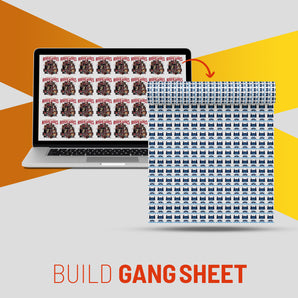
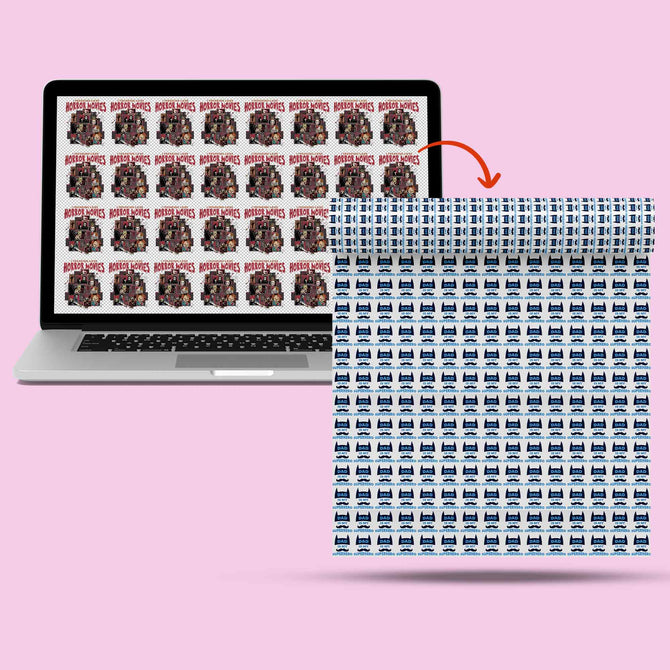
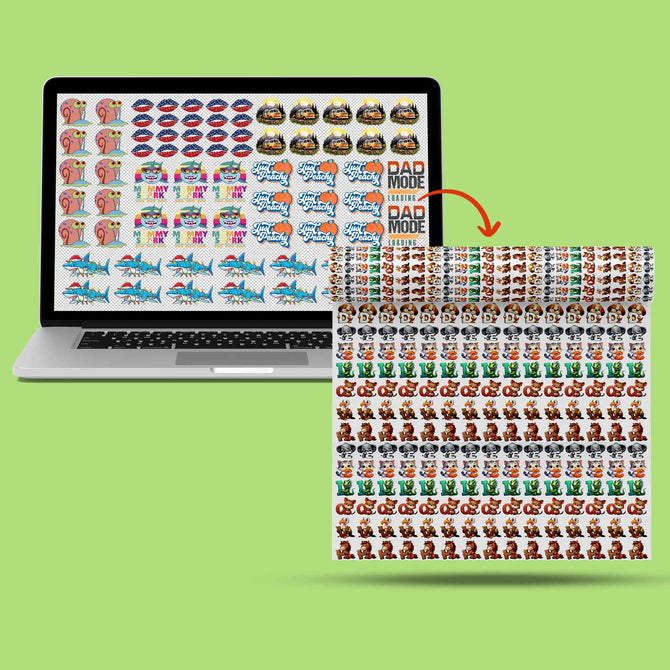
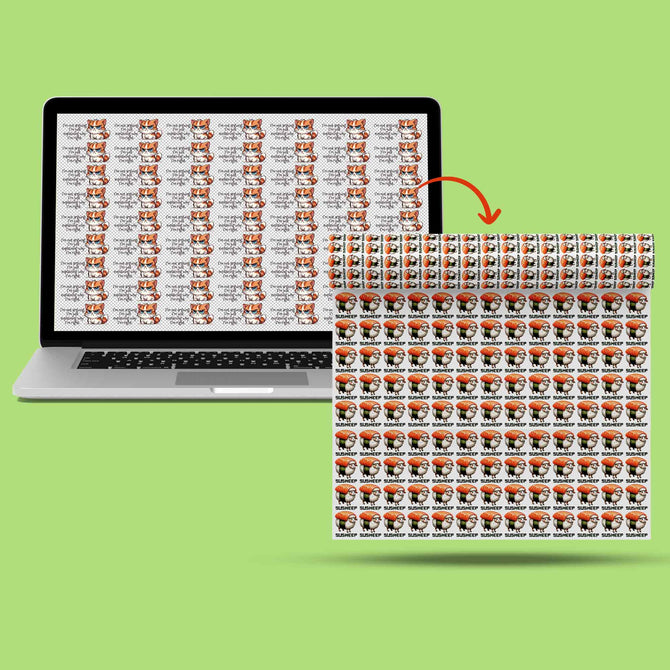
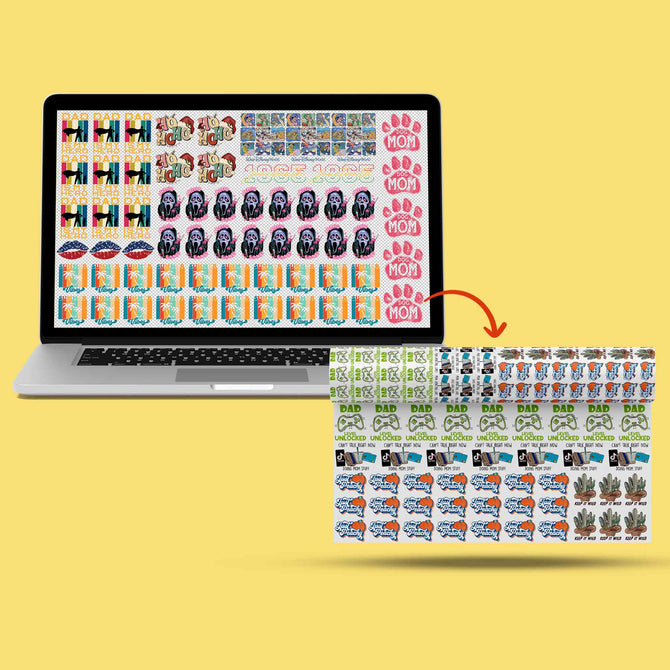
Inventory management is the second pillar of your ROI. Traditional screen printing forces you to stock massive amounts of pre-printed inventory to make the setup costs worth it. This ties up your cash in shirts that might not sell. The "Gang Sheet" revolution has changed the math. By using dtf gang sheets, you can print on-demand. You stock blank apparel and apply the transfers as orders come in. This lean strategy minimizes waste and ensures your capital stays liquid. It's the most effective way to scale from a small studio to a high-capacity powerhouse.
Small Batch vs. Bulk Order ROI
The numbers don't lie. For orders under 24 pieces, DTF is the undisputed champion of profit. Screen printing setup fees, often ranging from $15 to $75 per color in 2026, make small multi-color runs a losing game. The break-even point for screen printing usually lands between 24 and 48 units. Below that range, the agility of digital transfers is superior. You can group multiple logos, neck labels, and sleeve prints on a single film roll. This maximizes every square inch of material and slashes your per-unit cost. For complex, high-detail designs, the cost-to-quality ratio of dtf vs screen printing supplies favors digital every time.
Labor and Training Requirements
Scaling a shop requires a capable team. Training a new hire to manage screen tension and emulsion consistency takes months of trial and error. In contrast, operating a heat press is a simple, repeatable action. You can reduce your overhead by outsourcing the technical printing to a professional hub. Many growing DFW brands use custom dtf transfers to launch entire collections with zero heavy machinery. This removes the intimidation factor from the production process. Ready to see the ROI difference in your own shop? You can buy custom DTF gang sheets today and start printing high-detail designs with zero setup fees.
Sourcing DTF Supplies in the Dallas-Fort Worth Metroplex
Reliability is the foundation of a profitable shop. If you're running a business in Plano, Frisco, or Dallas, you know that a single missed deadline can damage a client relationship forever. This is where the local advantage changes your strategy for dtf vs screen printing supplies. National shipping carriers are unpredictable. Local sourcing isn't. Richardson, TX has emerged as the primary hub for professional DTF technology in North Texas, offering a strategic base for shops that need to move fast.
Time is your most valuable asset. Same-day pickup for transfers and supplies is the ultimate safety net for urgent client deadlines. You don't have to wait three days for a roll of film or a bottle of white ink to arrive from across the country. Beyond the logistics, a local partner provides technical support that understands the specific demands of the DFW market. You get expert advice, high-capacity production, and the peace of mind that comes with a "ready-to-work" partnership.
Iris DTF: Your Richardson Partner for Quality
We've spent 10 years mastering the digital transfer industry. Our commitment is simple: we provide the highest-grade dtf ink and wholesale supplies to keep your presses running. We don't just sell products; we provide the engine for your growth. By offering specialized dtf printing in Richardson, TX, we help local brands scale without the massive overhead and chemical mess of traditional screen printing. Whether you're a seasoned pro or transitioning from analog methods, we ensure your results meet the 2026 durability and vibrancy standards your customers expect.
Ready-to-Press vs. DIY Supplies
Your production model should match your goals. If you've invested in your own machinery, stocking premium PET films and powders is essential for consistent output. However, many successful Dallas-area decorators choose a hybrid approach. They order custom gang sheets for complex designs to save on labor and maintenance. This allows you to focus on sales while we handle the technical printing. Our local pickup option in Richardson means you can grab your transfers and start pressing within hours. It's the most efficient way to manage dtf vs screen printing supplies in a competitive market. Ready to see the quality for yourself? Get started with a high-quality sample and experience the professional precision that defines the modern DFW print landscape.
Scale Your Business with 2026 Printing Technology
Choosing the right production model defines your profit margins. You've seen how digital agility eliminates the setup bottlenecks that drain your time. When evaluating dtf vs screen printing supplies, the goal is clear: maximize your output while minimizing your manual labor. High-durability 2026 ink technology has officially bridged the quality gap, delivering a soft-hand feel that withstands over 50 wash cycles. It's the essential shift for any shop looking to stay competitive and responsive to modern design trends.
Success in the DFW market requires a partner that moves as fast as you do. We bring over 10 years of professional printing expertise to every project. Why wait for shipping when you can take advantage of our fast local pickup in Richardson, TX? It's time to stop worrying about emulsion and start focusing on scaling your brand with professional precision and speed. Your next high-detail design is ready to be pressed and delivered to your customers.
Order Your Custom DTF Gang Sheets from Iris DTF Today! Let's get to work and build your legacy together.
Frequently Asked Questions
Is DTF cheaper than screen printing for small orders?
DTF is significantly more cost-effective for small runs. Traditional screen printing setup fees in 2026 can reach $75 per color, making a simple four-color design expensive before you even print one shirt. DTF has zero setup costs. For orders under 80 pieces, the digital route protects your margins and speeds up your delivery time.
Do DTF transfers feel like plastic on the shirt?
Modern 2026 supplies have solved the plastic feel. When you use premium TPU powders and fine-grind inks, the result is a thin, flexible layer that moves with the fabric. Proper application techniques like halftoning can further increase breathability. It's a professional finish that rivals the softness of high-end water-based screen prints.
Can I use a regular heat press for DTF transfers?
Yes, a standard professional heat press works perfectly. You need consistent pressure and digital temperature accuracy to ensure the adhesive powder melts correctly into the fibers. Avoid using home irons. They lack the even heat distribution required to hit a 50-wash durability rating. A solid clamshell or swing-away press is your best tool for success.
How many washes do DTF transfers last compared to screen printing?
Professional DTF transfers are rated for 50+ wash cycles without cracking or fading. While traditional screen printing can last the entire life of the garment, modern digital transfers are now durable enough for heavy retail and commercial use. High-quality dtf vs screen printing supplies ensure your designs maintain their integrity. Curing time and temperature are the deciding factors for longevity.
What supplies do I need to start DTF printing at home?
You need a dedicated DTF printer, PET transfer films, TPU adhesive powder, and specialized textile inks. A curing oven or a heat press with a hovering function is also required to gel the powder before the final press. Starting with professional-grade components prevents head clogs. It ensures your final product meets the standards your customers expect from day one.
Is screen printing more eco-friendly than DTF in 2026?
DTF is often the cleaner choice for smaller shops. Traditional screen printing requires chemical emulsions and high water usage for reclaiming screens. While DTF generates PET film waste, it eliminates the toxic wash-off associated with analog setups. Many 2026 supplies now meet GOTS 8.0 sustainability standards, utilizing safer, water-based ink chemistry for a lower environmental impact.
Can I apply DTF transfers to polyester and nylon?
Absolutely. DTF is the superior choice for synthetic fabrics. Unlike screen printing, which often suffers from dye migration on polyester and nylon, DTF acts as a natural barrier. This prevents the fabric color from bleeding into your white ink or design. It's the go-to solution for performance wear, sports jerseys, and high-stretch synthetic blends.
Where can I buy wholesale DTF supplies in Dallas or Richardson?
Iris DTF is the local expert for wholesale dtf vs screen printing supplies in the Dallas-Fort Worth area. Based in Richardson, we offer same-day local pickup for inks, films, and powders. This local access eliminates shipping delays and keeps your production line moving. We support DFW brands with the professional-grade supplies they need to scale their operations quickly.