
DTF Printing on Difficult Fabrics: 2026 Professional Guide

What Is This Article About?
Most printers treat nylon and spandex like standard cotton. That's why their transfers fail before the first wash. You've likely seen the results; logos peeling off performance gear or heat press marks ruining expensive synthetic blanks. It's frustrating to watch a crisp white logo turn pink due to dye migration on dark polyester. You need a production process that works every time, not just on easy cotton tees.
Mastering dtf printing for difficult fabrics is a chemistry problem. It requires the right balance of adhesive flexibility and low-temperature precision. This 2026 professional guide promises to turn those technical headaches into repeatable wins. You'll learn exactly how to achieve durable, high-stretch results that meet the standards of premium clothing brands. We're diving into specialized TPU powder selections, heat press settings for sensitive textiles, and the specific transfer strategies that guarantee a flawless finish.
Key Takeaways
- Understand why traditional heat settings fail on low-melt synthetics and how to protect delicate fibers from damage.
- Discover the critical role of premium TPU powder in achieving maximum stretch recovery and a permanent fabric bond.
- Master the specialized technical settings for dtf printing for difficult fabrics to eliminate peeling and dye migration.
- Adopt the "Low and Slow" pressing philosophy to prevent unsightly heat press marks on premium performance wear.
- Leverage local Richardson expertise and professional-grade supplies for consistent, high-capacity production results.
Identifying Difficult Fabrics: Why Standard Printing Fails
Cotton is predictable. It's the industry baseline for a reason. However, the modern apparel market thrives on performance. When you move into the world of technical textiles, the rules change. Standard settings often result in scorched fibers or prints that peel after a single gym session. This happens because most printers treat every fabric like a heavy cotton fleece. That's a recipe for ruined inventory. High heat. Scorched fibers. Failed adhesion. These are the risks you face when mastering dtf printing for difficult fabrics.
Success starts with understanding the core process. What is DTF Printing exactly? It's a method that relies on a thermoplastic bond between the ink and the garment. On cotton, this bond is straightforward. On synthetics, it's a chemistry battle. Traditional screen printing often lacks the stretch required for compression gear. Sublimation is limited by fabric color. DTF bridges this gap, but only if you account for the textile's melting point and surface energy. If the fabric reacts to heat before the adhesive melts, the print will never be permanent.
Common Textiles That Challenge DTF Adhesion
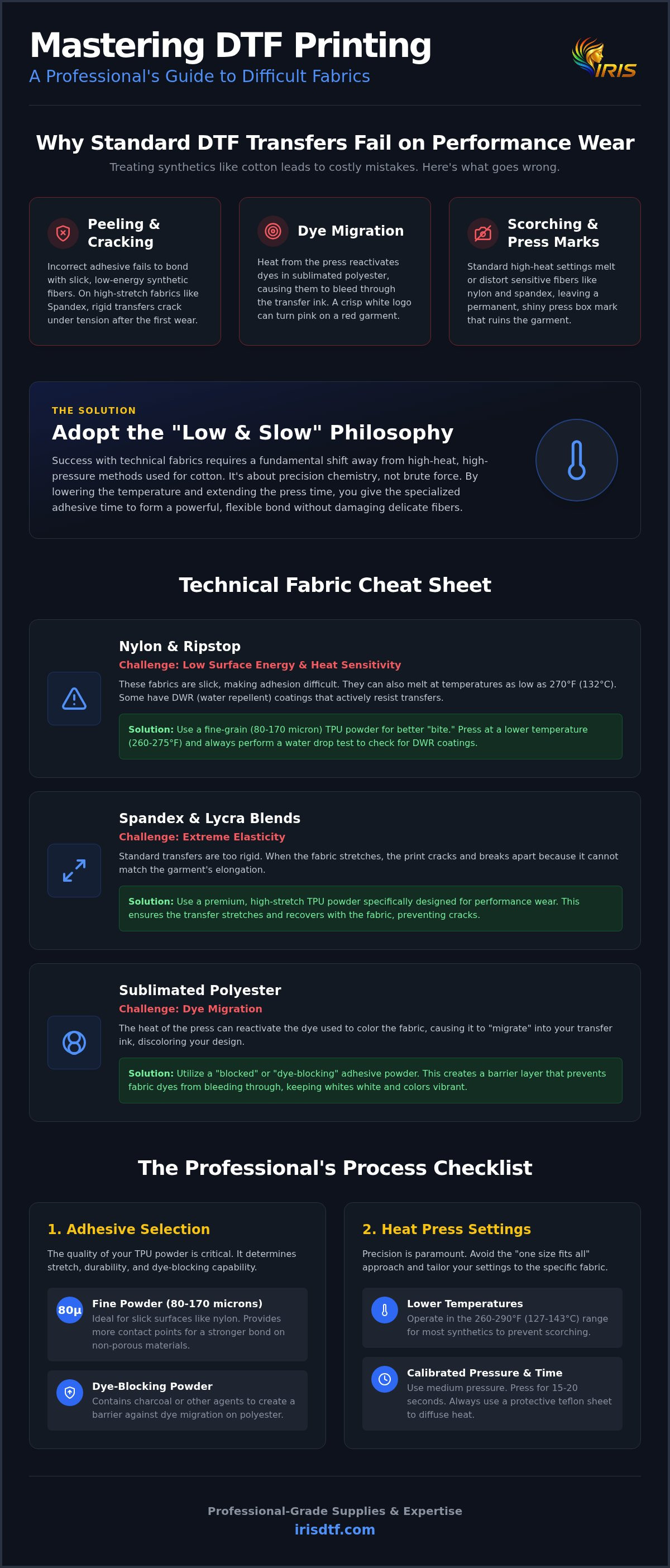
Nylon and ripstop are notoriously difficult. Their low surface energy makes them slick. It's like trying to apply tape to a wet window; the adhesive simply won't grab. You need specialized powders to bite into these fibers. Spandex and Lycra present a different hurdle: extreme elasticity. These garments are designed to grow and shrink. If your transfer doesn't have the same elongation properties, it will crack under tension. Then there's the threat of dye migration on sublimated polyester. The heat from your press can reactivate the fabric dyes, pulling them straight through your white ink and ruining your vibrant logos.
The Role of Blank Selection in Printing Success
Your choice of garment is your foundation. Premium brands like Shaka Wear provide consistent, high-quality surfaces that handle heat more gracefully than budget alternatives. High-end blanks are often manufactured with better quality control, ensuring fewer chemical residues that might interfere with your transfer.
Watch out for "unprintable" coatings. Many performance items feature DWR (Durable Water Repellent) finishes. These are designed to shed liquids. Since your adhesive starts as a molten liquid during the press, a heavy DWR coating will literally push the print away. Always perform a water drop test. If water beads up and rolls off, your transfer likely will too. Testing fabric compatibility is a non-negotiable step before committing to a bulk production run. It saves time. It saves money. It protects your brand's reputation for quality.
The Science of Adhesion: Stretch, Texture, and Dye Migration
Adhesion isn't magic. It's chemistry. Thermoplastic Polyurethane (TPU) is the engine behind every successful transfer. It melts under heat, flows into the fabric's microscopic valleys, and solidifies into a permanent bond. When you're tackling dtf printing for difficult fabrics, the quality of this powder determines if your print survives the first wear. It's the difference between a professional finish and a logo that peels off like a sticker.
Technical research into polymer-to-textile adhesion shows that the bond depends on how the molten polymer interacts with synthetic strands. Unlike cotton, which absorbs moisture and adhesive easily, synthetics like nylon are non-porous. You aren't just printing on top of the fabric. You're engineering a physical lock between the TPU and the polymer fibers. If the adhesive doesn't "bite" into the slick surface, the transfer will fail during the first stretch cycle.
Adhesive Chemistry for Technical Textiles
Powder grain size matters. Fine powder (80-170 microns) is typically the gold standard for high-detail work on slick surfaces like nylon. It provides more contact points on the fabric's surface. Coarse powder is often reserved for porous, heavy textures where deep penetration is required. You also need a "blocked" adhesive system. This acts as a physical barrier. It prevents the fabric's dyes from bleeding into your design. This is vital because DTF ink must bond perfectly with the adhesive to remain vibrant without shifting colors. If you're seeing your white logos turn pink on red polyester, your adhesive isn't blocking the dye migration.
Managing Heat Sensitivity and Scorching
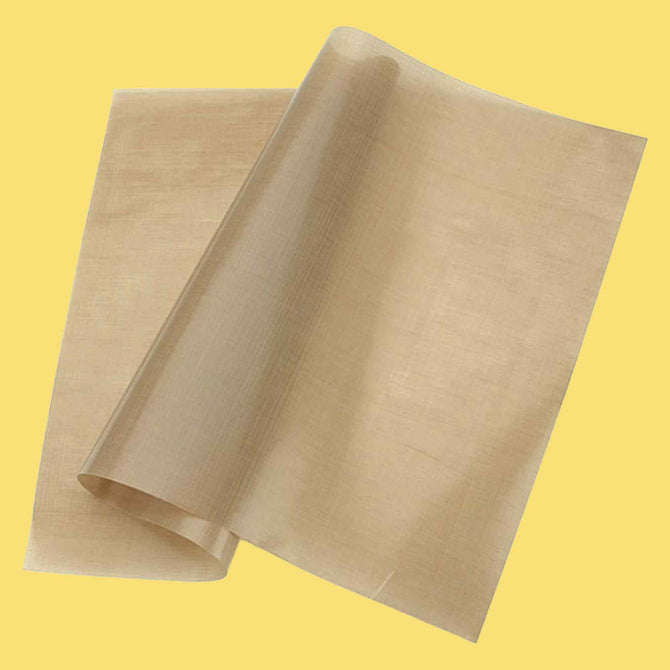
Every synthetic has a "Scorch Zone." While polyester can often handle 300°F, some nylon blends begin to distort or melt at 270°F. You have to stay below that threshold. Use a protective Teflon sheet or parchment paper to diffuse the heat. It saves the fibers from that tell-tale "shiny" heat press mark. Pressure calibration is equally important. Excessive pressure on mesh fabrics forces the molten adhesive through the holes. This leaves a mess on your platen and creates a weak bond on the garment. If you want to ensure your prints stay put on high-performance gear, it's time to invest in professional-grade TPU supplies specifically engineered for stretch recovery.
Stretch recovery is the final test. An athlete's movements are explosive. The print must move with them. High-elongation TPU powders allow the transfer to stretch up to 200% of its original size and snap back without cracking. This elasticity is what separates premium activewear from cheap, stiff imitations.
Material-Specific Strategies: Nylon, Spandex, and Performance Blends
A one-size-fits-all approach is the fastest way to burn through your profit margins. If you apply the same 300°F setting to a delicate nylon shell that you use for a heavy cotton hoodie, you'll fail. 90% of production errors in dtf printing for difficult fabrics stem from a refusal to adjust for the specific garment construction. Each textile has a unique tolerance for heat and pressure. You have to respect those limits to get professional results.
Understanding the science of printing on synthetic fabrics reveals why these materials require a customized touch. Synthetics are non-porous. They don't have the natural tooth of cotton. This makes the mechanical bond more fragile. To overcome this, you must match your technique to the fiber. It's not just about getting the ink to stick; it's about making sure it stays there through heavy use and repeated wash cycles.
Nylon and Waterproofed Material Guide
Nylon is a heat-sensitive beast. It glazes easily. To avoid that shiny, melted look, lower your temperature to a range of 250°F to 265°F. This lower heat requires a longer dwell time, often 15 to 20 seconds, to ensure the adhesive fully activates. Always pre-heat the garment for 5 seconds before applying the transfer. This removes hidden moisture and helps open the synthetic fibers for better penetration. If the material has a light water-repellent coating, this pre-heat is your best chance at securing a permanent bond.
Spandex and High-Stretch Performance Wear
Compression gear demands flexibility. If your transfer cracks when the athlete puts it on, you've used the wrong supplies. You need high-elongation transfers specifically designed for spandex and Lycra. A cold peel is mandatory here. Peeling while hot can distort the graphic on such an elastic surface. Once you've peeled the film, use a post-press for 5 seconds. This flattens the edges and provides the soft-hand feel that premium brands expect. It also ensures the adhesive is fully embedded in the weave.
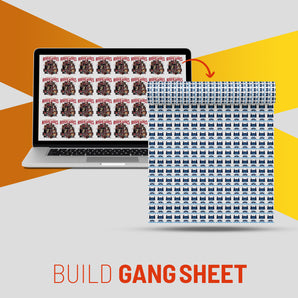
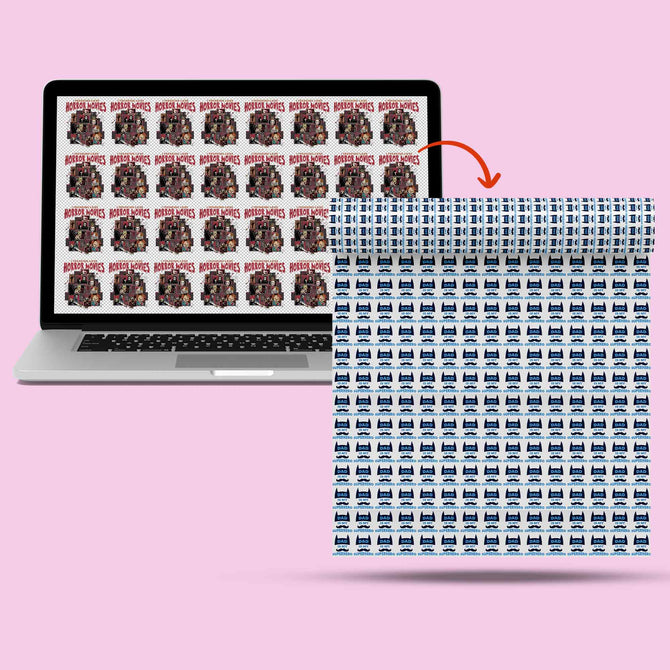
Efficiency is just as important as quality. When handling high-volume orders for technical gear, utilizing professional gang sheets allows you to maximize your material usage. You can group different logos and sizes onto a single roll, ensuring consistent results across your entire production run. For textured materials like ripstop, employ the Double-Press technique. Press once to set the adhesive, peel cold, and then press a second time with a finishing sheet. This forces the ink into the texture for maximum durability and a retail-ready finish.
Mastering the Press: Step-by-Step Settings for Technical Textiles
Precision is your only safeguard against ruined inventory. When you're managing dtf printing for difficult fabrics, the standard "320°F for 15 seconds" rule doesn't apply. It will melt your nylon and scorch your spandex. You need a "Low and Slow" philosophy. This approach prioritizes fabric integrity while ensuring the adhesive reaches its full liquid state. It's the secret to achieving retail-grade durability on synthetic performance gear.
Pressure calibration is the next hurdle. Too much pressure creates the dreaded "heat press box" mark, a permanent shiny rectangle that screams amateur production. You want medium pressure, just enough to drive the TPU into the weave without crushing the synthetic fibers. Speed matters, but accuracy wins. If you rush the press or skip the cooling phase, your prints won't survive the first wash cycle. Follow a methodical SOP every time.
The Essential Technical Pressing Checklist
- Step 1: Perform a 5-second pre-press. This flattens the fibers and vents any trapped moisture that causes bubbling.
- Step 2: Position the custom DTF transfer carefully. Use heat-resistant tape to prevent ghosting or shifting during the press.
- Step 3: Press at 260°F for 15 to 20 seconds. Use medium pressure to allow the adhesive to flow without distorting the garment.
- Step 4: Allow the garment to cool completely. Room temperature is the goal. Hot peeling difficult fabrics is dangerous; it pulls the adhesive out of the fibers before it sets.
Troubleshooting Common Application Errors
Solving "Peeling Edges" usually identifies cold spots on your heat press. Use an infrared thermometer to verify even heating across the entire platen. If the edges are lifting, your press likely has uneven pressure or temperature drops at the perimeter. Fixing "Fabric Discoloration" is a matter of heat distribution. Always use a Teflon sheet or parchment paper as a barrier. This diffuses the direct heat and prevents the metal platen from glazing the synthetic strands.
Addressing "Bubbling" requires a better pre-heat. If you see tiny air pockets under the film, the fabric was likely damp or treated with a heavy finish. A longer pre-press or a "Double-Press" after the peel will secure the edges for 50 or more wash cycles. Don't settle for inconsistent results. Order your high-performance DTF supplies today to ensure every technical garment leaves your shop with a flawless, professional finish.
Professional Results in Dallas: How Iris DTF Simplifies Difficult Printing
Your brand's reputation depends on durability. In the fast-moving Dallas-Fort Worth market, there's no room for transfers that crack or peel. Richardson and Plano clothing brands trust Iris DTF because we've spent over 10 years mastering the technical nuances of dtf printing for difficult fabrics. We don't just provide transfers. We provide a competitive edge for performance apparel lines that demand perfection. We understand that your customers expect gear that survives the gym, the field, and the wash cycle.
Accessing high-performance TPU powder transfers shouldn't be a logistical headache. Our Richardson facility is engineered for speed and precision. We help you move from concept to finished product without the expensive trial-and-error phase that drains your budget. By utilizing our local DTF services, you gain access to a partner who understands the specific stresses placed on athletic gear and technical textiles. We're a high-capacity powerhouse that maintains a commitment to personalized, local service.
Local Expertise for DFW Clothing Brands
We believe in a "ready-to-work" attitude. This means our team is available for in-person consultations at our Richardson facility. We don't just guess which settings work. We're happy to discuss fabric testing to ensure the bond is permanent before you commit to a bulk run. Whether you're a local startup or an established industry leader, we offer the scalability you need. From massive orders for Dallas sports teams to small-scale premium drops, our quality control remains consistent. The Texas market moves fast. Our local presence ensures your turnaround times keep pace with that energy.
Next Steps for Your Technical Apparel Line
Ready to scale your production? The process is streamlined for maximum efficiency. Start by evaluating your fabric types against our specialized transfer options. We engineer our gang sheets with the specific elongation properties required for spandex and nylon blends. If you're unsure about compatibility, you can utilize our blank apparel catalog. These items are pre-vetted to ensure they provide the ideal surface for our high-stretch adhesives.
Don't let technical textiles intimidate your creative vision. Our expert team is here for custom troubleshooting and support. We've perfected the science of adhesion so you don't have to worry about the technical hurdles. Contact us today to secure the professional-grade supplies your brand deserves. Let's build something durable together. Your next successful production run starts right here in the DFW metroplex.
Elevate Your Performance Apparel Production
Mastering dtf printing for difficult fabrics isn't just a technical skill; it's a competitive advantage for your brand. You've learned how to navigate the "Scorch Zone" and the critical role of specialized TPU powder in ensuring stretch recovery. By moving away from a one-size-fits-all approach and adopting "Low and Slow" pressing techniques, you protect your inventory and your reputation. Flawless, durable prints on nylon and spandex are now within your reach.
Don't let technical hurdles slow your momentum. Our local Richardson, TX facility is ready to support your most demanding projects with transfers tested for 50+ wash cycles. We use specialized high-stretch TPU powders to ensure your designs move with the athlete and stay vibrant through every challenge. Your production line deserves the reliability of professional-grade supplies engineered for the toughest textiles in the industry.
Order Your Professional Technical Transfers from Iris DTF Today
Frequently Asked Questions
Can I use DTF transfers on 100% nylon jackets?
Yes, you can print on nylon jackets by using a "low and slow" approach. Standard settings will melt the shell, so stay within the 250°F to 265°F range. This ensures the bond is permanent without compromising the fabric's integrity or causing unsightly glazing marks.
How do I prevent dye migration on dark polyester gym shirts?
Stop dye migration by using a specialized sub-blocking layer or a "blocked" adhesive system. This barrier prevents the polyester's unstable dyes from traveling into your ink underbase. It's the only way to keep your white logos crisp and bright on dark, sublimated performance shirts.
What is the best heat press temperature for spandex fabrics?
Set your press between 260°F and 275°F for spandex. High-heat settings cause synthetic fibers to lose their memory or "glaze" permanently. Lower temperatures protect the fabric's stretch recovery while the adhesive sets into a permanent bond.
Do I need a special adhesive powder for high-stretch leggings?
High-stretch leggings require specialized TPU powder with high-elongation properties. Standard adhesives are too brittle for activewear and will crack when the garment is put on. You need a bond that stretches and recovers exactly like the spandex fibers it's attached to.
Why is my DTF transfer peeling off my performance mesh?
Peeling on mesh often happens when the adhesive doesn't penetrate the fabric's weave. You need medium-to-heavy pressure to force the molten powder into the texture of the mesh. Ensure you're allowing the garment to cool completely before peeling to lock that bond into place.
How many washes will a DTF transfer last on technical textiles?
When you master dtf printing for difficult fabrics, your results should last 50 or more wash cycles. Durability is a direct result of using professional-grade supplies and precise heat settings. Cheap powders fail early; premium TPU stays locked through heavy athletic use.
Can I apply DTF transfers to waterproof or DWR-coated fabrics?
Waterproof or DWR-coated fabrics are challenging because they're designed to repel liquids. A heavy pre-press can sometimes help open the fibers, but you must test every garment individually. If the coating is too thick, the adhesive simply won't find a surface to grab onto.
Is a cold peel or hot peel better for difficult synthetic materials?
Cold peel is the professional standard for technical synthetics. It gives the adhesive time to reach its final hardened state and solidify within the fibers. Hot peeling can pull the graphic away from slick synthetic surfaces before the bond is fully secured.