




DTF Ink: The 2026 Professional Guide to Chemistry, Quality, and Performance

What Is This Article About?
Your dtf ink is more than just a liquid supply. It's a high-performance hardware insurance policy. When you choose the wrong chemistry, you aren't just losing color vibrancy; you're risking a costly printhead replacement. It's frustrating to deal with frequent clogs and dull, cracking prints that fail after a few washes.
We know you want retail-ready apparel that feels soft and stays bright through 50 or more wash cycles. You need a setup that works as hard as you do, with minimal maintenance and maximum output. This guide helps you navigate the technical world of pigment quality and stretchability so you can produce professional results every time.
We'll dive into the critical science of micron-filtered pigments, the July 8, 2026 CPSC compliance deadline, and the specific white ink strategies that prevent sedimentation. You'll learn exactly how to balance chemistry and performance to keep your business moving fast.
Key Takeaways
- Understand how 2026 aqueous pigment formulas create a soft hand feel that bonds directly to fibers instead of feeling like a thick plastic sticker.
- Master the daily circulation routines required for white dtf ink to prevent titanium dioxide sedimentation and protect your high-performance printheads.
- Learn why matching ink chemistry to specific printheads like the i3200 or XP600 is non-negotiable for long-term hardware reliability.
- Discover the 6-month rule for supply management to ensure every print maintains its 50+ wash cycle durability without fading or cracking.
- Leverage local Dallas-based sourcing to eliminate shipping delays and access the same production-proven supplies used by industry experts.
What is DTF Ink? Understanding the Chemistry of 2026 Formulations
Professional grade dtf ink is a highly specialized aqueous pigment suspension. It is not a generic liquid. It is a precision-engineered chemical solution designed to bond with PET film and react with TPU adhesive powder. This unique chemistry allows the print to remain flexible on the film before it is permanently fused to a garment. The entire Direct-to-film printing process relies on this ink's ability to maintain its liquid state until the exact moment of curing.
Your CMYK set provides the high-gamut color foundation. These pigments must be vibrant enough to stand out but stable enough to mix without bleeding. White ink plays an even more critical role. It acts as the opaque bridge. It creates a solid background that allows colors to pop on dark fabrics. Without high-opacity white ink, your designs would simply sink into the fibers and disappear.
The most important factor for your printer's health is micron-filtration. This process ensures that pigment particles are small and uniform. Large particles lead to rapid sedimentation. They settle in the lines. They clog the nozzles. Choosing an ink with superior filtration determines if your printhead lasts for months or just a few days of heavy production. At Iris DTF, we use these exact formulations in our Richardson facility to ensure our own custom transfers meet retail standards.
Pigment Loading vs. Viscosity
High pigment concentration is the key to deep blacks and brilliant neons. However, more pigment usually means higher viscosity. If the ink is too thick, it won't fire through the microscopic nozzles of an i3200 or XP600 head. "Watered-down" inks might flow easily, but they result in dull colors and poor wash fastness. Modern 2026 formulas achieve a "wet-on-wet" stability. This allows the white layer to sit on top of the CMYK layer without mixing, even during high-speed production runs.
The Secret Ingredient: Binders and Humectants
Binders are the chemical glue of the system. They facilitate the ink-to-powder crosslinking that happens during the heat press cycle. This bond is what gives the print its 50+ wash cycle durability. Humectants are the moisturizers of the ink system. They prevent the ink from drying and skinning over inside the nozzles when the printer is idle. Without the right balance of humectants, you'll spend more time performing head cleanings than actually printing shirts. It's the difference between a streamlined workflow and constant maintenance headaches.
Performance Metrics: Vibrancy, Stretch, and Washability
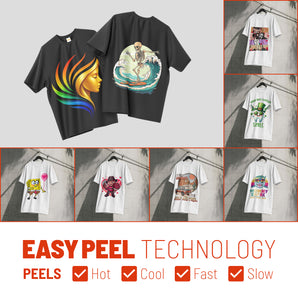
Quality isn't a guess. It's a measurable result. When you choose professional dtf ink, you're investing in three specific outcomes: vibrancy, elasticity, and durability. Your customers don't want a graphic that feels like a heavy plastic shield. They want a soft, retail-ready finish that moves with the fabric. If your prints feel stiff or rubbery, your ink chemistry is likely falling short of modern 2026 standards.
Premium inks achieve a soft hand feel by striking a balance between pigment density and layer thickness. High-quality pigments allow for thinner deposits while maintaining rich color saturation. This is the difference between a "budget" print and a premium garment. To ensure your brand's reputation stays intact, testing should follow standard test methods for colorfastness and durability. We verify every batch in our Richardson facility to guarantee 50+ wash cycles without fading, peeling, or cracking.
Achieving Retail-Quality Color Gamut
Color consistency is the backbone of a professional production house. We use custom ICC profiles to bridge the gap between your monitor and the physical print. This ensures a design looks exactly as intended every single time. High-density white ink is the secret to this consistency. It provides a neutral, opaque base that prevents the garment's color from muddying your design. Professional brands across the DFW metroplex rely on Iris DTF for this level of precision and repeat accuracy.
Elasticity and Fabric Compatibility
Not all fabrics are created equal. Your ink needs to stretch. Whether you're printing on 100% cotton or high-stretch spandex, the ink layer must expand without snapping. This elasticity prevents the micro-cracking often seen in lower-grade supplies. The "stretch test" is your best tool for quality control; if the ink doesn't snap back to its original shape, it won't survive daily wear.
Polyester presents a unique challenge known as dye migration. This occurs when the garment's dye bleeds into your white ink, turning a crisp white print into a dull pink or gray. High-performance formulas are specifically designed to block this migration. If you want to see these performance metrics in action without managing the equipment yourself, check out our Custom DTF Transfers: Professional Quality for Your Brand. It's a simple way to access production-proven results for your business immediately.
The White Ink Challenge: Maintenance and Clog Prevention
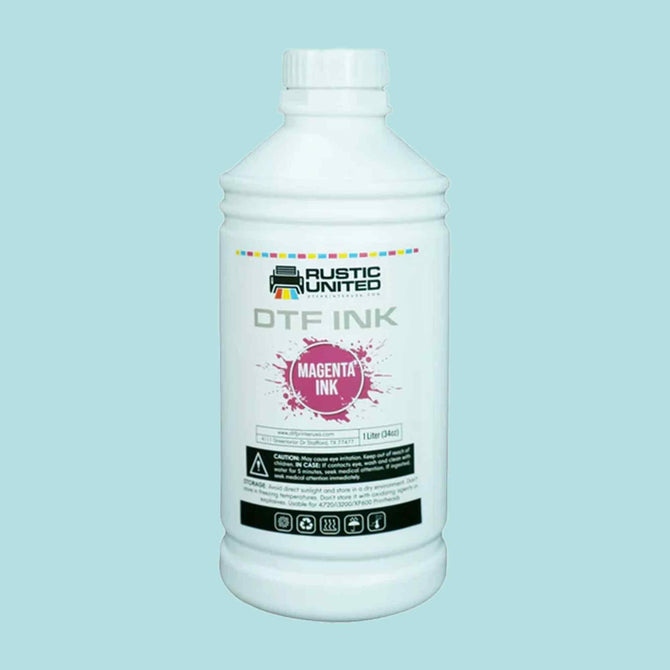
White ink is the most demanding component of your dtf ink system. While CMYK pigments are relatively stable, white ink is a different beast entirely. It relies on titanium dioxide to achieve the opacity needed for dark garments. This mineral is incredibly effective for coverage, but it's also physically heavy. White ink is 2.5x heavier than CMYK pigments. Because of this weight, the pigment doesn't stay suspended naturally. It wants to sink to the bottom of your tanks, dampers, and printhead nozzles the moment the machine stops moving.
Sedimentation is your biggest enemy. If your printer sits idle for more than 24 hours, the titanium dioxide begins to settle. This creates a thick, sludge-like layer in your lines. If this sludge reaches the printhead, you're looking at a permanent clog. High-end professional systems use active circulation pumps to fight this. These pumps keep the ink in constant motion, even when you aren't printing. Without an active system, you must manually intervene to protect your hardware investment.
A daily maintenance checklist is non-negotiable. It only takes five minutes, but it saves thousands in repair costs. Start every morning with a gentle shake of your ink tanks. Run a test print to ensure every nozzle is firing perfectly. If you see deflection or missing lines, address it immediately. Don't wait for a small gap to become a total blockage.
Preventing the Dreaded Clog
Environment matters more than most operators realize. In North Texas cities like Richardson or Dallas, humidity can fluctuate wildly. Your workspace needs to stay between 40% and 60% humidity. If the air is too dry, the ink in your capping station will skin over and seal your nozzles shut. Always perform a nozzle check before starting a production run. If the check isn't perfect, run a cleaning cycle. Use a dedicated cleaning solution only for stubborn clogs; for daily maintenance, simply running fresh ink through a standard cleaning cycle is usually enough to keep the system primed.
White Ink Circulation vs. Agitation
Don't confuse tank agitation with full-line circulation. Many entry-level machines only stir the ink inside the main tank. This prevents the tank from settling, but it does nothing for the ink sitting in the long tubes leading to the carriage. Professional 2026 setups prioritize constant motion throughout the entire fluid path. This ensures that the ink reaching the printhead always has the correct pigment-to-liquid ratio. Consistent motion is the only way to maintain the high-opacity results your customers expect from every transfer.

Buying Guide: Choosing the Right DTF Ink for Your Setup
Choosing your supplies is a high-stakes decision. Your choice of dtf ink dictates your daily maintenance routine and your final product quality. Don't fall for the "one size fits all" marketing often found on discount sites. Your printhead has specific needs based on its nozzle architecture and firing frequency. If you're running an industrial i3200 head, you require a different viscosity than a converted XP600 desktop unit. Using the wrong formula leads to ink starvation during high-speed runs, which causes banding and ruins expensive film.
Freshness is another critical factor. Never buy more ink than you can realistically use in 6 months. Even with proper agitation, the chemical binders begin to break down over time. This degradation affects how the ink bonds with the powder, leading to poor wash fastness. In 2026, compliance is also a major business driver. The July 8, 2026 CPSC deadline means your supplies must meet strict safety standards. Look for OEKO-TEX or Eco Passport labels to guarantee your garments are safe for retail and children's apparel.
The cheapest liter on the market often carries the highest hidden costs. It lacks the precision micron-filtration required to keep your nozzles clear. Think of premium ink as a service contract for your printer. It keeps you in production while others are stuck in endless cleaning cycles. Investing in quality upfront is the only way to ensure your brand survives 50+ laundry cycles without fading.
Evaluating Ink Suppliers
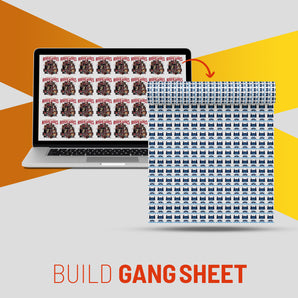
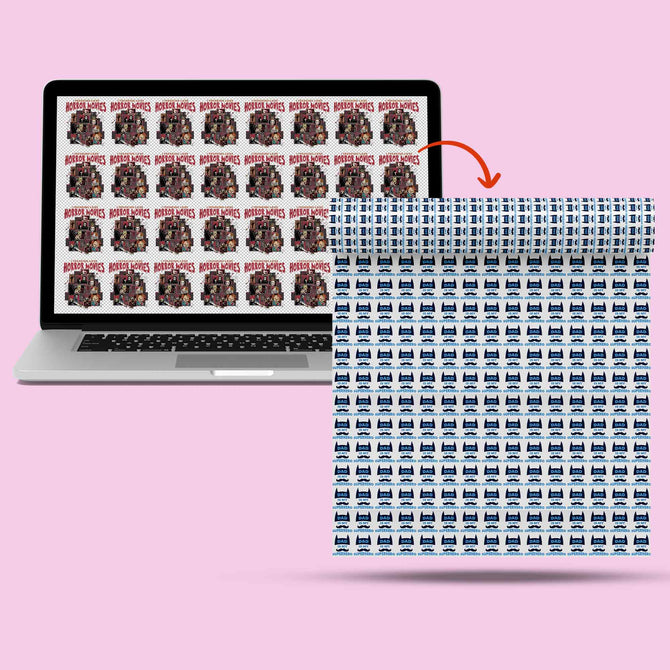
Beware of unverified sources selling "rebranded" mystery inks. These batches often lack quality control and vary wildly between orders. Batch consistency isn't just about color; it's about how the ink reacts with the powder and heat. If the chemistry shifts, you'll have to recalibrate your entire curing process. We recommend buying from a supplier that actually runs a production shop. Iris DTF uses the same supplies we sell for our own high-volume transfers. This ensures your prints in May will match your prints in November. For those looking to maximize their output, check out our guide on Mastering DTF Gang Sheets to get the most value from every drop.
Storage and Handling Best Practices
Keep your bottles in a cool, dark place away from direct sunlight. UV exposure can trigger premature curing or chemical separation inside the bottle. When it's time to refill your tanks, follow the "Shake Before Use" rule, but do it gently. Rolling the bottle between your hands is better than vigorous shaking because it prevents air bubbles from entering your dampers. Air bubbles are a frequent cause of "ghost" clogs that frustrate operators. Ready to upgrade your production? Order your professional DTF Supplies today for local Dallas pickup or fast shipping.
Sourcing DTF Ink in Dallas: The Iris DTF Advantage
Your production schedule doesn't wait for coastal shipping. When you run out of dtf ink mid-run, every hour of downtime is lost revenue. That's why having a local partner in the DFW metroplex is a competitive necessity. We operate from a central warehouse in Richardson. This location allows us to serve printers in Plano, Frisco, and Dallas with unmatched speed. You aren't just buying a bottle of pigment; you're securing a local supply chain that understands the urgency of your business.
We only sell what we use. Every liter of ink on our shelves is the exact same formula we use for our high-capacity custom transfer production. We've already done the testing for you. We know how it reacts to different humidity levels. We know exactly how it cures on various fabric blends. This production-proven approach eliminates the guesswork that usually comes with switching suppliers. You get the same consistency we demand for our own retail-grade output.
Expert support is part of the package. We aren't just a fulfillment center. We are operators. If you're struggling with a specific clog or a color matching issue, you can talk to someone who actually runs the machines. We provide troubleshooting help based on over 10 years of industry expertise. This level of technical insight is something you simply won't find with international or discount vendors. We help you solve problems so you can get back to printing.
Serving the DFW Metroplex
Reliability is the foundation of a wholesale partnership. We provide fast shipping and local pickup options for businesses in Garland, McKinney, and Carrollton. If you have an urgent production run, you can't afford to wait 4 to 6 days for a delivery from California or New York. Richardson-based brands trust us because we maintain a deep, ready-to-ship inventory. We keep your shop running when others are stuck waiting for a tracking number to update.
The Iris DTF Quality Guarantee
We don't settle for "good enough" results. Our high-opacity white dtf ink is engineered for maximum coverage on the darkest substrates. We perform rigorous testing on every batch to ensure color accuracy and a 50+ wash cycle durability. This commitment to quality means your customers get retail-ready apparel that lasts. Don't let a supply shortage or poor-quality chemistry stall your growth. Shop Premium DTF Supplies and Ink at Iris DTF and experience the difference of a local, expert-led partnership.
Scale Your Production with Professional Chemistry
Your equipment deserves a high-performance fuel that doesn't compromise on durability or color. We've explored how the right dtf ink chemistry prevents clogs while delivering vibrant, stretchable results that survive 50+ wash cycles. From managing titanium dioxide sedimentation to meeting the July 2026 CPSC safety standards, your choice of supplies is the foundation of your brand's reputation. Quality isn't just a metric; it's your competitive edge in a fast-paced market.
Don't let shipping delays or unverified batches stall your momentum. Our Richardson, TX facility provides the DFW metroplex with production-proven supplies and expert technical support from people who operate these machines every day. We remove the intimidation from technical maintenance and replace it with guaranteed results. You focus on the creativity while we provide the engine for your commercial success. Our local presence ensures you stay in production without the wait.
Ready to upgrade your output? Order Professional-Grade DTF Ink and Supplies Today and keep your shop running at peak capacity. Let's get to work and build something great together.
Frequently Asked Questions
How long does DTF ink last once the bottle is opened?
Most professional dtf ink formulations last approximately 6 months after opening. White ink is particularly sensitive because the heavy titanium dioxide pigments begin to settle and can eventually clump. We recommend purchasing only what you can consume within a 90-day window. This strategy ensures the chemical binders remain active and provides the best possible adhesion during the curing process.
Can I mix different brands of DTF ink in my printer?
You should never mix different brands of ink in your system. Every manufacturer uses a specific chemical "recipe" for viscosity, surface tension, and binder concentration. Mixing these formulas can trigger a chemical reaction that causes the ink to thicken or coagulate. This leads to immediate and often permanent printhead clogs. Always flush your lines completely with a compatible cleaning solution before switching to a new brand.
Why is my DTF white ink coming out yellowish or dull?
Yellowish or dull white ink is usually a sign of pigment sedimentation or dye migration. If you don't agitate your ink tanks daily, the heavy white pigment sinks to the bottom. This leaves a watery, translucent liquid in your lines that lacks opacity. If the yellowing happens after heat pressing, it's likely dye migration from a polyester garment. Using high-opacity ink and lower curing temperatures can help solve this issue.
Does DTF ink work on all types of fabric, including 100% polyester?
Yes, DTF transfers are compatible with 100% polyester, cotton, nylon, and various synthetic blends. The ink layer is incredibly versatile and bonds well to most fibers. For dark polyester, you must use a high-quality ink and powder combination to prevent the garment's dye from bleeding into the design. This makes it a superior choice for athletic jerseys and performance wear that require high elasticity.
How often should I run a cleaning cycle to prevent ink from drying?
You should perform a nozzle check every single morning before starting production. If the test print is perfect, there's no need for a deep cleaning. However, if you see missing lines or deflection, run a standard cleaning cycle immediately. Don't let your printer sit idle for more than 48 hours. Regular movement is the best way to prevent the binders from drying and skinning over inside the nozzles.
What is the ideal humidity level for a room with a DTF printer?
The ideal humidity level for a DTF workspace is between 40% and 60%. If your room is too dry, the ink will dry out rapidly in the printhead and capping station. If it's too humid, your film may become tacky, which causes excess powder to stick to the non-printed areas. Use a digital hygrometer to monitor your shop. A simple humidifier can prevent thousands of dollars in hardware damage during dry Texas winters.
Is DTF ink safe for children’s clothing?
DTF ink is safe for children's apparel if it carries OEKO-TEX Eco Passport or similar safety certifications. These certifications ensure the chemistry is free from harmful levels of lead, phthalates, and other toxins. Following the July 8, 2026 CPSC compliance deadline, it's more important than ever to verify your supplies. Always request safety data sheets from your supplier to ensure your finished garments are safe for retail sale.
Where can I find DTF ink for local pickup in the Dallas area?
You can pick up professional-grade dtf ink at the Iris DTF facility in Richardson, TX. We serve the entire DFW metroplex, providing local printers with a reliable, same-day supply chain. Our inventory is production-proven because we use the exact same ink for our own custom transfer services. Local pickup allows you to avoid shipping delays and get expert troubleshooting advice from our experienced Richardson-based team.