DTF Transfer Durability: The Ultimate Guide to 50+ Wash Longevity

What Is This Article About?
Why do some custom shirts look brand new after a year while others peel after a single cycle? You've likely felt the sting of customer complaints or the cost of wasted inventory because of poor dtf transfer durability. It's frustrating to see your creative work crack and fade before the season even ends. You deserve a production process that guarantees professional results every time.
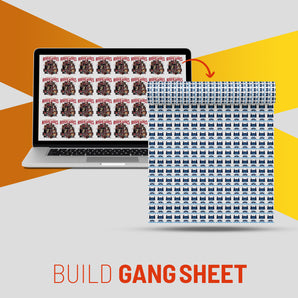
This guide shows you how to achieve commercial-grade longevity that survives 50+ laundry cycles without fading. We're breaking down the exact heat press settings and local Richardson-based supply secrets you need to produce apparel that stands the test of time. You'll learn to master the pressing process and select the high-performance chemistry your brand requires. From precise temperature control to the convenience of ready-to-press gang sheets, we'll give you the tools to sell with total confidence. It's time to turn your workshop into a high-capacity powerhouse that customers can rely on for years to come.
Key Takeaways
- Learn why the 50-wash benchmark is the industry standard for professional-grade custom transfers.
- Discover how specialized chemistry and fabric selection dictate your dtf transfer durability.
- Compare the superior flexibility of DTF against the heavy feel of screen printing and vinyl.
- Master the "Second Press" secret and laundering protocols to stop prints from cracking or peeling.
- Partner with a Richardson-based expert to ensure your inventory survives every laundry cycle.
Understanding DTF Transfer Durability: Science and Expectations
High-performance apparel starts with high-performance science. True dtf transfer durability isn't just about making a design stick. It is about the chemical synergy between ink flexibility and adhesive strength. When these two elements work in harmony, the print integrates into the fabric weave rather than sitting on top of it. This level of quality is achieved through the modern process of Direct-to-film (DTF) printing, which has redefined longevity in the custom garment industry.
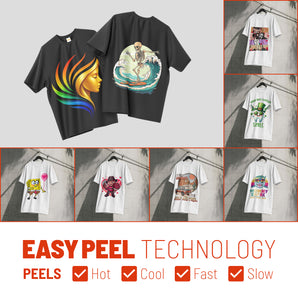
Leading indicators of a long-lasting print are "hand feel" and "stretchability." If a transfer feels like a heavy sheet of rigid plastic, it is already failing. Brittle prints crack under the stress of daily wear and body heat. A soft, flexible finish proves the ink can move with the garment fibers. PET film quality also plays a critical role in this foundation. Premium films ensure a clean, consistent release during the peeling process. This leaves behind a solid, undisturbed bond that won't lift at the corners after a few weeks of use.
The 50-Wash Industry Benchmark
Why is 50 washes the magic number? It is the gold standard for commercial reliability and professional-grade results. During a standard laundry cycle, heat and detergents work to dissolve adhesives at a molecular level. While traditional heat transfer vinyl (HTV) often fails as its plasticizers migrate and cause peeling, premium DTF remains resilient. We define durability as the ability to maintain 95% color density after 50 cycles. If your prints cannot hit this mark, your brand reputation is at risk.
The Chemistry of Adhesion: Ink and Powder
The secret to a permanent bond is TPU (Thermoplastic Polyurethane) powder. This adhesive acts as a permanent bridge, melting into the fabric fibers during the curing process to lock the ink in place. It is not just glue; it is an industrial-strength bond, a concept central to the work of polymer experts like Plastiques Elastomères. High-quality ink complements this by offering "stretch and rebound" properties. This ensures the design expands and contracts with the wearer without microscopic fractures. Low-quality powders often "yellow" and become brittle over time, leading to premature peeling. Stick to premium chemistry to ensure your work stays vibrant, intact, and ready for the long haul.
Factors That Determine How Long Your DTF Transfers Last
Durability isn't a happy accident. It's the result of controlling specific variables during the production cycle. While many hobbyists blame their heat press temperature for failures, the real culprit behind poor dtf transfer durability is often hidden. Moisture trapped in the garment fibers is the #1 silent killer of prints. Without a proper pre-press to evaporate this water, the adhesive cannot form a deep bond. You're left with a print that looks great today but peels after three washes.
The curing oven is another critical factor. It must "gel" the powder correctly without scorching the film. If the powder isn't fully melted, it won't bite into the fabric. If it's over-cured, it becomes brittle and loses its ability to stretch. Precision in this gelling stage ensures the transfer remains supple and resilient throughout its life.
Quality of Inks and Adhesive Powders
Your ink is the soul of the design. Standard white inks often lack the opacity or flexibility needed for high-wear items. High-stretch white inks are engineered to move without snapping. This is why Iris DTF uses specialized dtf ink to maintain maximum vibrancy and elasticity. Pigment suspension matters too. If the ink settles, you get inconsistent coverage and weak spots in the design. Powder grain size also dictates the "bite." Finer powders are better for detail, but a balanced grain ensures the transfer anchors firmly into the garment weave.
Fabric Type and Surface Texture
Cotton is the gold standard for stability. Its natural fibers provide an ideal landscape for the TPU powder to grip. Performance wear and high-polyester blends present a different challenge: dye migration. This occurs when the garment's dye bleeds into the transfer during heating, ruining the color. This is why blank apparel selection is a vital part of your brand strategy.
Recent scientific research on textile durability highlights how polyurethane coatings protect prints from mechanical stress during washing. This confirms why DTF, which uses a PU-based adhesive, outperforms older methods. To get the best results, always match your transfer chemistry to your fabric. If you want to ensure your prints never fail, switching to commercial-grade custom transfers is the fastest way to guarantee dtf transfer durability for your customers.
DTF vs. Screen Printing vs. Vinyl: The Ultimate Durability Showdown
Choosing the right printing method is a high-stakes decision. You need a solution that balances cost, speed, and long-term performance. While screen printing has long been the industry gold standard, modern dtf transfer durability has changed the game. For orders under 100 pieces, DTF is almost always the more cost-effective choice. It offers savings of 60 to 80 percent for small runs of 1 to 25 pieces. You get vibrant, multi-color designs without the expensive setup fees or the heavy feel of traditional plastisol transfers. In a 50-wash test, DTF transfers showed only minor edge softening around the 40-wash mark, while multi-layer vinyl began cracking much earlier.
Heat Transfer Vinyl (HTV) struggles with complexity. Layering multiple colors of vinyl creates a thick, uncomfortable patch on the garment. These layers often peel or crack at the edges after just a few washes because the adhesive isn't integrated into the fabric. DTF eliminates this issue. It delivers a single, flexible layer that moves with the fabric fibers. This superior flexibility ensures your designs don't snap when the wearer moves. It's the difference between wearing a rigid sticker and wearing a part of the shirt.
DTF vs. Traditional Screen Printing
Screen printing is durable, but it's prone to fading if water-based inks are used. Plastisol inks are tougher but can become brittle and crack over time. Modern custom dtf transfers provide a middle ground. They offer the professional look of a screen print with the flexibility of a digital process. While screen printing might show zero degradation after 50 washes in industrial tests, DTF holds its own with high color density retention. It's the smarter play for on-demand branding. Speed and precision are non-negotiable. No minimums. No massive setup costs.
UV DTF Durability on Hard Surfaces
Durability isn't just for shirts. Hard-surface branding requires a different kind of toughness. UV DTF stickers offer exceptional scratch resistance. Completely waterproof. High-performance markings. These aren't your standard paper labels. They are engineered to survive daily handling on tumblers, equipment, and electronics.
For Richardson businesses, uv dtf transfers have become the preferred choice for outdoor applications. Traditional vinyl decals often fade or lift when exposed to the Texas sun and rain. UV DTF uses a specialized curing process that creates a permanent, three-dimensional bond. It's a set it and forget it solution for branding that needs to stay sharp under pressure. Whether you're printing on cotton or stainless steel, the goal remains the same: a professional finish that lasts.

The Pro’s Checklist for Maximizing Transfer Longevity
Execution is everything. You can have the best chemistry in the world, but poor technique will still kill your dtf transfer durability. To reach that professional 50-wash milestone, your workflow must be disciplined. The most common mistake is skipping the finishing press. This "Second Press" secret is mandatory. It drives the ink deeper into the fabric grain, ensuring the design doesn't just sit on the surface. Without this final lock, your prints are vulnerable to mechanical stress and edge lifting.
Chemical damage is another silent threat. While the bond is industrial-strength, harsh laundry additives like bleach and fabric softeners act as solvents. They slowly break down the TPU adhesive from the inside out. Educating your customers on proper care is part of your brand's value proposition. Turn the garment inside out. Use cold water. Stick to low heat for drying. These simple steps protect your hard work and keep your designs looking sharp for years.
Precision Pressing Techniques
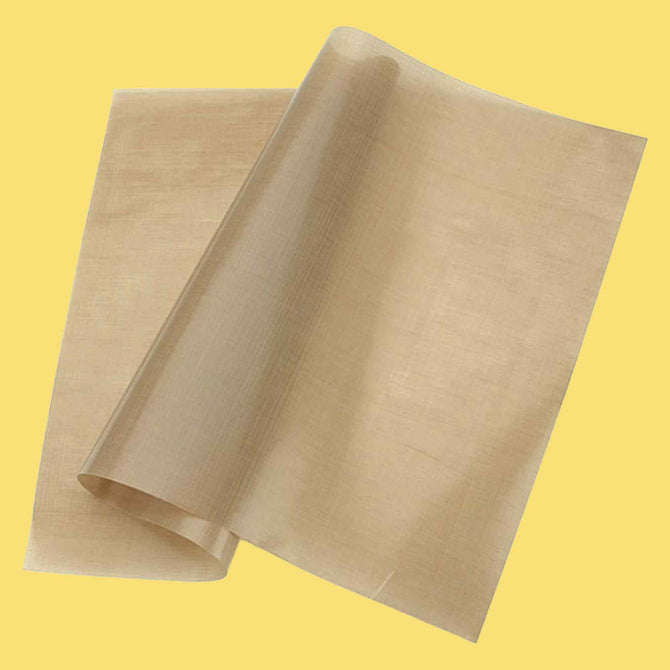
Accuracy starts before the transfer even touches the shirt. Calibrate your heat press frequently. You need consistent, heavy pressure across the entire platen to avoid weak spots. Always perform a 5-second "pre-press" to remove moisture and flatten the fibers. This creates a bone-dry, smooth landscape for the adhesive to grab. During the finishing press, use a Teflon sheet or parchment paper. This protects the ink and gives the print a professional matte or semi-gloss finish while sealing the edges permanently.
DFW Environmental Factors: Heat and Humidity
Living in North Texas means battling the environment. Richardson and Plano shops face high humidity levels that can wreak havoc on your supplies. TPU powder is hydroscopic. It drinks moisture from the air. If stored incorrectly, your powder will "clump," leading to uneven coverage and failed bonds. Keep your PET film and dtf gang sheets in a climate-controlled space. Stable film is happy film.
For Dallas brands managing high-volume summer production, humidity control in the workshop is non-negotiable. If your film feels "tacky" or the powder isn't flowing like sand, your durability will suffer. Don't leave your inventory in a hot garage or a damp warehouse. If you want to eliminate the guesswork and start with perfectly cured, ready-to-press products, order your custom transfers from Iris DTF today. We handle the environmental precision so you can focus on the press.
Why Iris DTF is the Standard for Durable Transfers in Richardson
High-stakes branding requires a partner who doesn't cut corners. Reliability is the cornerstone of any successful apparel business. Iris DTF isn't just another online vendor. We are a Richardson-based powerhouse with a 10-year legacy serving the Dallas-Fort Worth metroplex. We've spent a decade perfecting the science of dtf transfer durability. Our facility is the behind-the-scenes engine for thriving brands in Allen, Frisco, and Plano. We understand the local climate and the commercial demands of North Texas creators. We don't just ship transfers; we build partnerships.
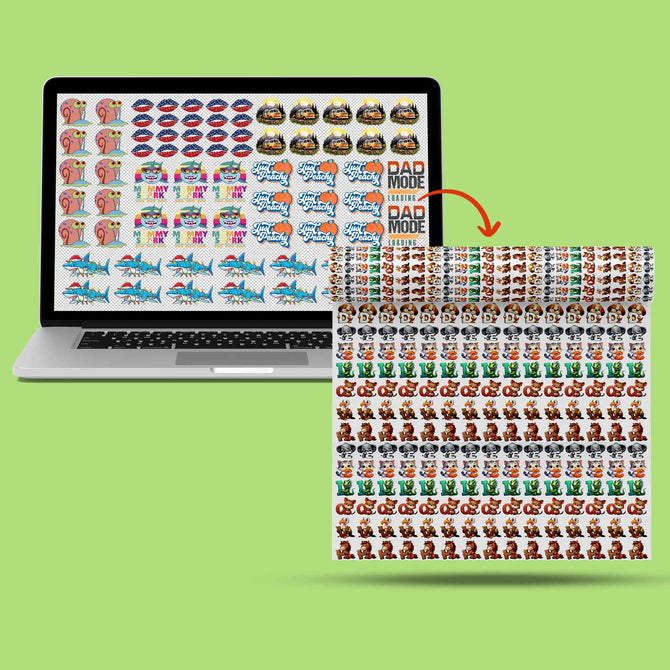
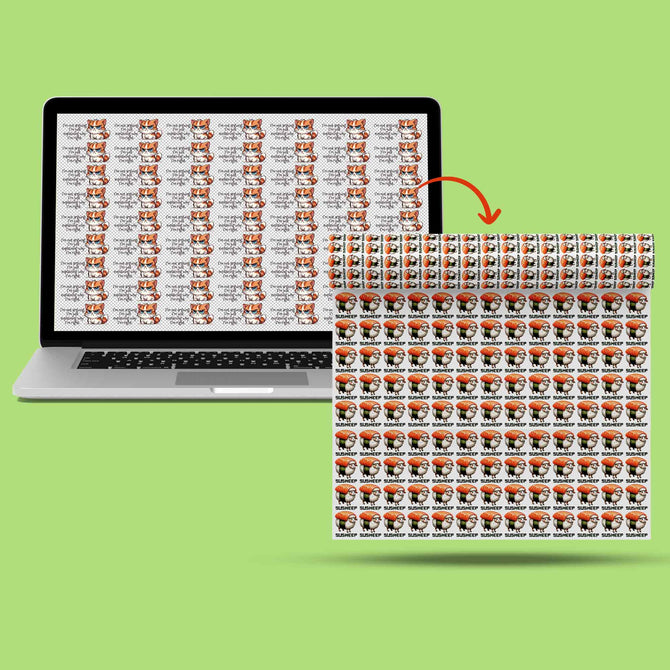
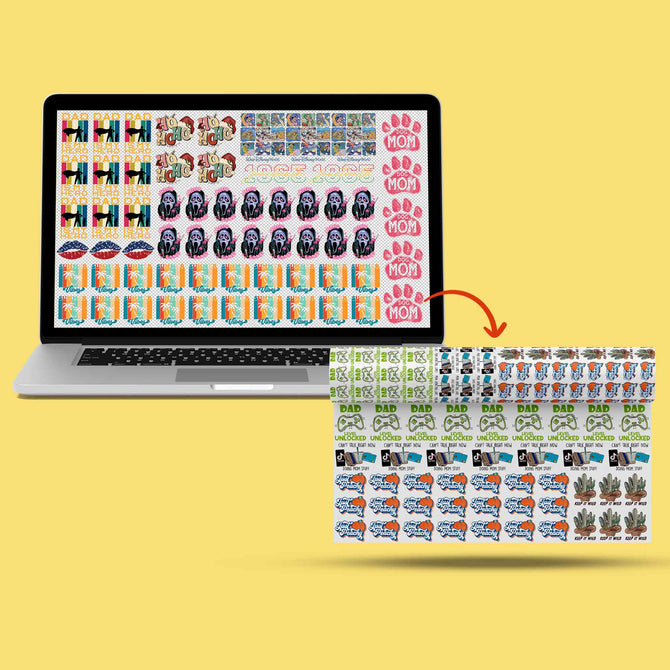
Local production means total accountability. You aren't waiting on a shipment from across the country that might arrive damaged or improperly cured. We maintain direct oversight of every variable. From temperature-controlled storage to precision ink agitation, we control the process. This level of care ensures your transfers arrive ready to work. It's about confidence. The confidence to sell a shirt knowing it will look just as sharp after fifty washes as it did on day one. Our "ready-to-press" gang sheets are engineered for the industrious creator who values speed and precision.
Commercial-Grade Quality Control
Consistency is the enemy of failure. We don't guess. We measure. Our multi-step inspection process scrutinizes every gang sheet for color accuracy and adhesive integrity. Local Richardson brands trust our consistent ink-to-powder ratios because we use specialized chemistry formulated for high-capacity output. We offer a 24-hour local pickup option for DFW businesses that need to meet urgent deadlines with professional-grade results. It's fast. It's reliable. It's the Iris DTF standard. We remove the intimidation from technical printing and replace it with guaranteed satisfaction.
Ready to Scale Your Brand?
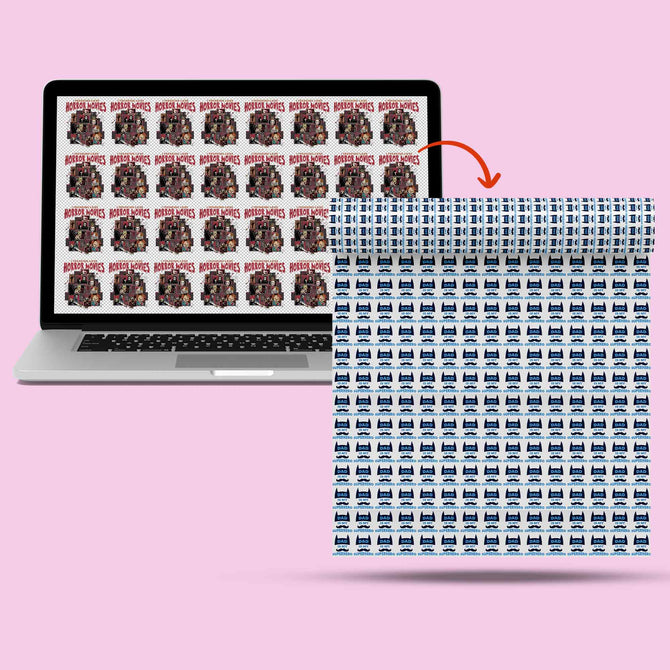
Scaling your business requires tools that respect your time. Our online gang sheet builder is designed for speed. It allows creators in Garland and Irving to organize their designs for maximum efficiency and minimum waste. No complex software. No steep learning curve. Just a high-energy workflow that gets your designs from the screen to the press in record time. Whether you're handling a massive commercial order or a small-scale creative project, our system is built to support your growth.
You've mastered the science of durability. Now it's time to put it into practice. Don't settle for "good enough" when commercial excellence is within reach. Leverage our decade of expertise to build a brand that stands the test of time. Order your Custom DTF Transfers today and experience the difference of professional-grade North Texas production. Let's get to work.
Future-Proof Your Apparel Brand Today
Your brand's reputation is only as strong as your last print. Achieving professional dtf transfer durability isn't a matter of luck. It's the result of combining commercial-grade chemistry with disciplined pressing techniques. By mastering the second press and controlling your shop's environment, you eliminate the risk of peeling and cracking. You transition from a hobbyist to a professional powerhouse who delivers excellence every time.
Iris DTF is here to fuel that growth. Our Richardson-based facility brings 10+ years of expertise to every project. We've tested our transfers to survive 50+ laundry cycles so you can sell with total confidence. Need your supplies fast? We offer DFW local pickup to keep your production moving at the speed of business. It's time to stop worrying about quality and start focusing on your creative vision.
Build Your High-Durability Gang Sheet Now
Success is waiting. Let's get to work and create something that lasts.
Frequently Asked Questions
How many washes do DTF transfers actually last?
High-quality DTF transfers can withstand over 50 wash cycles without significant fading or cracking. Some industrial tests even show durability up to 100 washes. The key to this longevity is the synergy between premium ink and correctly cured TPU powder. When applied with professional equipment, the print becomes an integrated part of the garment rather than a surface layer. This ensures your designs remain vibrant through years of regular use.
Why is my DTF transfer peeling after the first wash?
Peeling is usually caused by insufficient heat, weak pressure, or trapped moisture in the garment. If you skip the pre-press, water vapor prevents the adhesive from bonding. A failed "second press" also leaves the edges vulnerable to lifting during the agitation of a wash cycle. Ensuring your press is calibrated to the correct 280 to 300°F range is vital for preventing these early failures and protecting your inventory.
Can you put DTF transfers in the dryer?
You can put them in the dryer, but you must use low heat settings. High heat can soften the adhesive bond over time and cause the print to become brittle. For maximum dtf transfer durability, tumble drying on a delicate cycle is the safest professional recommendation. Excessive heat is the enemy of any heat-applied transfer. Keeping the temperature moderate preserves the flexibility of the ink and the strength of the bond.
Do I need to turn the shirt inside out when washing DTF?
Turning the shirt inside out is mandatory for long-term protection. This simple step prevents the printed design from rubbing against other garments or the washing machine drum. Reducing mechanical friction is the easiest way to prevent microscopic surface scratches and edge wear. It's a small habit that significantly extends the life of your custom apparel. Always advise your customers to follow this protocol for the best results.
What is the best temperature to press DTF transfers for maximum durability?
The recommended heat press temperature is 280 to 300°F (155 to 160°C) for 9 to 13 seconds. Using a precise, calibrated press ensures the TPU powder melts completely into the fabric fibers. Always follow up with a finishing press to seal the design permanently. This multi-step process is what separates hobbyist results from commercial-grade apparel. Consistency in heat and pressure is the foundation of a permanent bond.
Is UV DTF durable enough for car decals or outdoor signs?
UV DTF stickers are exceptionally durable and waterproof, making them suitable for hard-surface outdoor use. They offer high scratch resistance and hold up well against the Texas sun. While they aren't a replacement for automotive-grade wraps, they are perfect for windows, tumblers, and industrial equipment. If you are looking for long-term vehicle care beyond simple decals, you can explore Window Tinting from professionals like D3 Auto Care LLC to enhance both style and UV protection. These stickers provide a permanent, three-dimensional branding solution that survives harsh handling and environmental exposure without lifting or fading.
Can I use a home iron to apply DTF transfers and expect them to last?
No, a home iron cannot provide the consistent pressure and heat required for industrial-grade durability. Irons have hot spots and lack the mechanical force to drive the adhesive into the fabric weave. For results that last 50+ washes, a professional heat press is a non-negotiable requirement. Using an iron often results in prints that peel after just one or two laundry cycles. Professional tools produce professional results.
How does fabric softener affect the life of a DTF print?
Fabric softeners contain chemicals that can act as mild solvents, slowly degrading the bond between the ink and the adhesive. Over time, these additives make the print feel greasy and may lead to premature cracking. Stick to standard detergents to keep your designs vibrant and intact. For the best dtf transfer durability, avoid liquid softeners and dryer sheets. They interfere with the ink's flexibility and can cause the design to break down.