Best Blank Hoodies for DTF: The 2026 Professional Buying Guide

What Is This Article About?
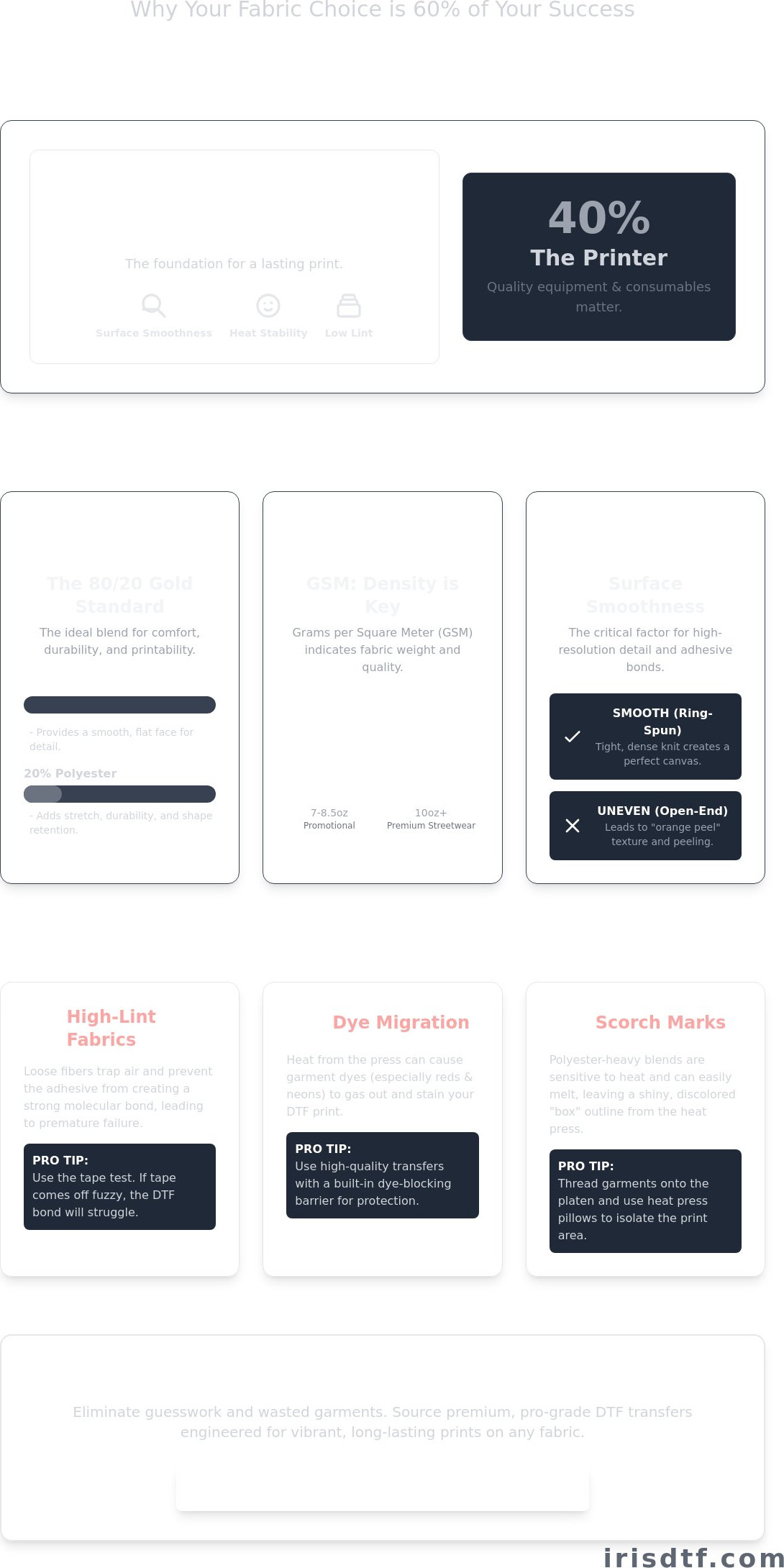
Your DTF printer is only 40% of the equation. The other 60% depends entirely on the fabric you choose to press. It's a hard lesson many shops learn only after a batch of hoodies peels after just three washes. You've likely felt that frustration firsthand. Finding the best blank hoodies for dtf isn't just about snagging the lowest price. It's about surface smoothness and heat stability. If the garment can't handle the adhesive or the press temperature, your professional-grade print simply won't last.
We know the headache of inconsistent sizing and those stubborn heat press marks on polyester-heavy blends. This 2026 guide ends the guesswork. You'll discover the exact hoodie fabrics and brands that ensure your DTF transfers bond perfectly and stay vibrant for years. We're breaking down high-GSM heavyweight staples and budget-friendly fleece options to help you achieve retail-quality results that rival screen printing. Let's streamline your production and eliminate the waste starting now.
Key Takeaways
- Learn why surface smoothness is the critical factor for high-resolution detail and long-lasting adhesive bonds.
- Master the 80/20 rule to select cotton-dominant blends that provide the perfect balance of comfort and heat resistance.
- Identify the best blank hoodies for dtf from industry leaders like Gildan and Comfort Colors to ensure consistent results.
- Eliminate scorch marks and visible "box" outlines by implementing professional pressing techniques like threading and using heat pillows.
- Optimize your production workflow by sourcing premium blanks and custom transfers locally for faster turnarounds.
Why Your Choice of Blank Hoodie Can Make or Break a DTF Transfer
The success of Direct-to-Film (DTF) printing relies on a chemical handshake between the hot-melt adhesive and the garment fibers. It's not just about the printer. In 2026, professional decorators know that the substrate is 60% of the battle. If the fabric weave is too loose or the surface is uneven, the adhesive can't create a uniform seal. This leads to the dreaded "orange peel" texture or, worse, premature cracking after a few wash cycles. The best blank hoodies for dtf feature a tight, dense knit that provides a flat, stable landing pad for the transfer film.
Surface smoothness is your absolute priority for high-resolution detail. Think of it as painting on a brick wall versus a smooth canvas. If you're pressing intricate logos or fine text, even minor fabric bumps will distort the print. A truly "DTF-Ready" hoodie is defined by its finish. It must be low-lint, high-density, and capable of withstanding 310°F without scorching or losing its shape. When the surface is smooth, the ink sits flatter. This produces a retail-ready finish that rivals traditional screen printing in both look and feel.
The Problem with High-Lint Fabrics
Loose fibers are the primary enemy of a clean, permanent press. When you apply heat, high-lint fabrics trap air and moisture between the adhesive powder and the actual fabric base. This prevents a true molecular bond. Ring-spun cotton is the superior choice over open-end cotton because the fibers are twisted and thinned, creating a much smoother surface. Before you commit to a bulk order of the best blank hoodies for dtf, try the tape test. Press a piece of high-tack tape to the fabric and pull it off. If the tape is covered in fuzz, your DTF adhesive will struggle to stay locked down long-term.
Heat Sensitivity and Color Bleeding
Heat sensitivity can ruin a batch of hoodies in seconds. Red, maroon, and neon garments are notorious for dye migration. This occurs when the heat press turns the garment's dye back into a gas, which then seeps into your DTF ink. Your crisp white logo suddenly takes on a pink or muddy hue. While high-quality blank apparel uses more stable dyes, your transfer choice is the ultimate safety net. Iris DTF transfers are engineered with a specialized barrier to combat these difficult fabrics. They remain bright and opaque even on temperamental polyester blends that typically cause bleeding issues.
The Technical Specs: GSM, Fabric Blends, and Heat Resistance
GSM stands for Grams per Square Meter. It measures the weight and density of the fabric. In the world of garment decoration, this number dictates the "hand feel" and the structural integrity of your finished product. A higher GSM typically indicates a tighter, more compact knit. This is crucial because a dense surface provides a superior landing pad for adhesive powder. High fabric density prevents DTF ink from sinking too deeply into the fibers, maintaining higher opacity and color vibrance.
The 80/20 rule remains the industry standard for a reason. This blend, consisting of 80% cotton and 20% polyester, offers the best of both worlds. The high cotton content provides the smooth, flat face necessary for high-resolution detail. Meanwhile, the polyester adds the essential stretch and durability that prevents the garment from losing its shape. When you're sourcing the best blank hoodies for dtf, this ratio ensures the transfer moves with the fabric instead of cracking under tension.
Natural fibers like cotton offer excellent breathability and a premium feel. Synthetic fibers like polyester are more durable but come with unique challenges under a heat press. Balancing these fibers is key to print longevity. When evaluating new suppliers, many professionals look toward AATCC quality control standards to understand how specific fabric weights will react to repeated industrial wash cycles. If you're looking to elevate your brand, testing your blanks with pro-grade DTF transfers is the most efficient way to guarantee a retail-ready result.
Heavyweight vs. Midweight Hoodies
Heavyweight blanks, often exceeding 10oz or 350-450+ GSM, are the current favorite for premium streetwear brands. They offer a structured, "boxy" fit that customers associate with high-end fashion. Midweight options, ranging from 7 to 8.5oz, provide more versatility for promotional events or local Dallas school spirit wear. While midweight hoodies are more cost-effective, heavyweight fabrics generally offer better durability for the DTF bond. The thicker material doesn't stretch as aggressively, which significantly reduces the mechanical stress on the transfer adhesive over time.
Polyester Content and the Scorch Zone
Polyester has a much lower melting point than natural cotton. Pressing 100% polyester at standard temperatures often results in "shining" or permanent scorch marks. For these synthetic garments, you must use low-temperature DTF films and shorter press times. 50/50 blends are more resilient and typically handle the standard 310°F to 320°F range without issue. To avoid the dreaded "box" outline on synthetic blends, always use a heat press pillow. This levels out the pocket and hood seams, ensuring even pressure without crushing the synthetic fibers into a permanent, shiny mark.
Top-Rated Blank Hoodies for DTF Printing in 2026
Choosing the right canvas is as critical as the transfer itself. The market has evolved rapidly. While some shops stick to legacy favorites, the best blank hoodies for dtf in 2026 must balance surface smoothness with modern retail appeal. You need a garment that doesn't just look good on a hanger but maintains its integrity after dozens of laundry cycles.
The Gildan 18500 remains the undisputed industry workhorse. It's predictable. It's affordable. Its 50/50 cotton-poly blend handles standard press temperatures without flinching. For brands chasing a "vintage" aesthetic, the Comfort Colors 1567 is the current king. The garment-dyed fabric provides a soft, lived-in look that pairs perfectly with the matte finish of high-quality DTF inks. It creates a high-end, boutique feel that customers are willing to pay a premium for.
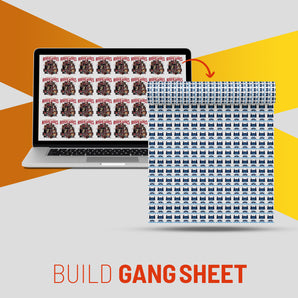
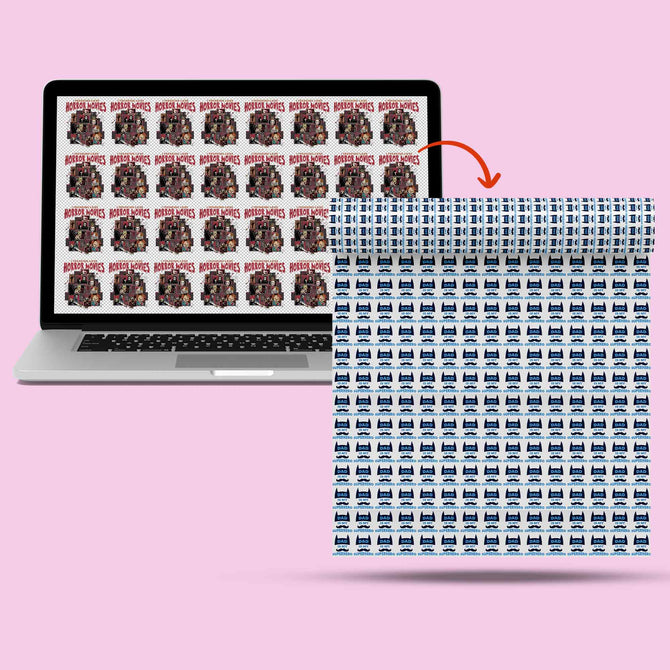
If you're pressing large back-pieces using gang sheets, Shaka Wear Heavyweight is your ultimate canvas. These 13.5oz garments provide a massive, stable surface that won't pucker or pull under heavy ink loads. Conversely, the Bella + Canvas 3719 offers a refined sponge fleece finish. It's incredibly soft and popular for lifestyle brands. Decorators should be aware that the high-loft fleece requires precise pressure settings to avoid "crushing" the fabric's signature texture during the press.
Budget-Friendly Winners for Bulk Orders
Gildan and Jerzees often go head-to-head for high-volume jobs. While both are reliable, the Gildan 18500 typically offers a slightly flatter print surface, which is better for fine detail. For Richardson-based businesses, local sourcing keeps cost-per-unit low and turnaround times fast. Don't overlook the Next Level 9301. It's a hidden gem in the budget category. It features a 100% cotton face that provides superior clarity for intricate designs that might get lost on fuzzier blends.
Premium Blanks for High-End Streetwear
Premium brands demand more than just a place to stick a logo. Lane Seven has emerged as a leader by offering a sustainable choice with a tightly knit surface that's arguably the smoothest in the industry. Then there's the Independent Trading Co. IND4000. Professionals call it the best blank ever for a reason. Its 10oz weight and 70/30 blend create a massive, durable substrate that holds a DTF bond for years. You can find these premium blanks in our collection to start your next high-end project with total confidence.
Avoiding 'The Box': How to Press Hoodies Without Scorch Marks
Scorch marks are the hallmark of an amateur shop. You've seen the "box" outline on a finished garment. It's usually a result of improper pressure or excessive heat on sensitive fibers. To get professional results on the best blank hoodies for dtf, you must master the mechanics of the press. It starts with threading. Don't just lay the hoodie flat on the platen. Slide the garment onto the lower platen so only the print area is exposed. This isolates the fabric. It keeps the back of the hoodie, the hood, and the drawstrings away from the heating element. It's a simple move that prevents ghosting and uneven heat distribution.
Hoodie pockets and thick seams are bond-killers. They create "low spots" where the heat plate can't reach the transfer. Use a heat press pillow. Insert the pillow inside the threaded hoodie to lift the print area above the kangaroo pocket and side seams. This ensures the heating element makes 100% contact with the transfer film. In 2026, film technology has shifted the temperature debate. While 320°F was the old standard, many high-performance films now bond perfectly at 285°F. Lowering your temperature is your best defense against scorching synthetic blends. Always use the "Double Press" method. Press for 12 seconds. Peel. Press again for 5 seconds with a finishing sheet. This secondary hit drives the adhesive deep into the heavy fleece fibers for maximum wash-fastness.
Pressure and Placement Logistics
Medium-heavy pressure is non-negotiable for a permanent bond. On a hoodie, this feels much tighter than on a t-shirt due to the fabric thickness. You should feel a distinct "snap" when locking the press. Finding the center point is easier than you think. Align the shoulder seams or use the edges of the front pocket as your guide. If you're working with full-zip blank hoodies, protect the hardware. Use a smaller lower platen or a specialized heat pillow to keep the zipper teeth from melting or causing a pressure imbalance. Precision here prevents wasted inventory.
Post-Press Care for Professional Results
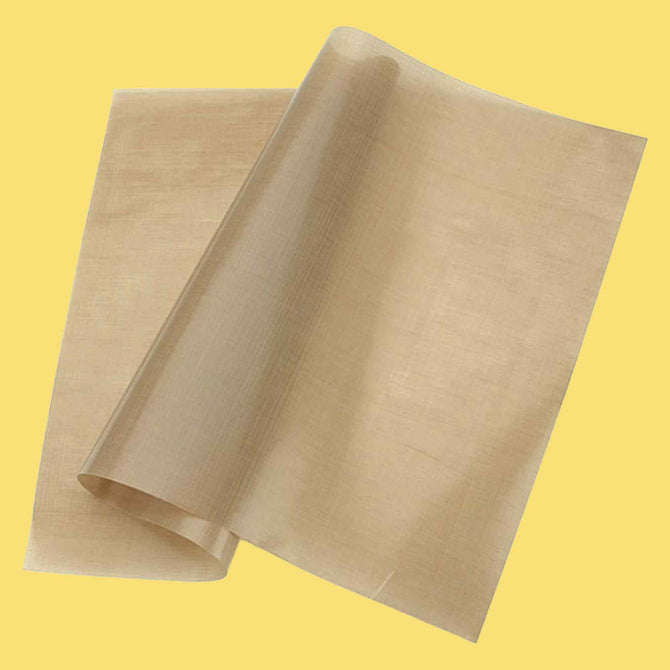
The choice between cold and hot peel depends on your production speed and the fabric pile. Hot peel is a massive time-saver for high-volume orders. However, cold peel is often safer for high-pile fleece because it allows the adhesive to fully set before you disturb the fibers. Use parchment paper for the "Finish Press" to achieve a high-end matte look. If a slight "heat ring" appears, don't panic. A quick burst of steam or a light brush with a lint roller usually resets the fibers. Ready to test these techniques on your next batch? Order your custom DTF transfers and see the difference a pro-grade bond makes.
Sourcing Premium Blanks and Custom Transfers in the Dallas Metroplex
Speed is a massive competitive advantage in 2026. Waiting for coast-to-coast shipping kills your momentum and eats into your margins. Local Richardson sourcing means you move from customer order to final delivery in record time. DFW brands need this agility to stay ahead of market trends. By eliminating the transit gap, you reduce the risk of stockouts and shipping damage. You get to work faster. You get paid faster.
Iris DTF is the preferred partner for Dallas-area garment decorators because we understand the specific needs of the local market. We don't just provide supplies. We offer a streamlined engine for your business growth. When you combine the best blank hoodies for dtf with our high-resolution gang sheets, you maximize your profit per press. Our transfers are engineered for the heavy fleece and high-density knits popular in today's streetwear. We ensure the chemistry between the adhesive and the fabric is perfect every time.
Your brand's reputation is only as good as the canvas you print on. A high-end transfer on a subpar hoodie is a wasted opportunity. It leads to returns and lost trust. We help you bridge that gap by providing both the technical expertise and the premium materials required for retail-ready results. From the initial press to the final wash, your prints will remain vibrant and durable.
Streamlining Your Production in Richardson
Local pickup is a total game-changer for shops in North Texas. If you operate in the Plano or McKinney corridor, you can skip the shipping delays entirely. You have the unique ability to bundle your blank apparel orders directly with your custom transfers. This one-stop approach eliminates logistical friction. Our Richardson facility is built for efficiency. We provide expert support for local creators who need to troubleshoot specific fabric blends or press settings on the fly. It's about building a reliable supply chain that works as hard as you do.
Getting Started with Your Next Hoodie Project
Success starts with a controlled test. Order your first gang sheet to dial in your heat press settings on different GSM weights. The 2026 checklist for a perfect hoodie drop includes verifying fabric smoothness, checking for dye migration on dark colors, and ensuring your pressure is calibrated for thick seams. Don't leave your quality to chance. Shop our curated collection of DTF-ready blanks now and launch your next collection with the confidence of a seasoned pro.
Scale Your Hoodie Production with Confidence
Your brand deserves more than just a decent print. It needs a permanent bond that survives the real world. By mastering the 80/20 blend rule and implementing professional threading techniques, you've separated your shop from the amateurs. You now know that the best blank hoodies for dtf are those that prioritize surface smoothness and heat stability over the lowest price point. Choosing the right substrate is the ultimate insurance policy for your creative work.
We're ready to help you execute your next big collection. At Iris DTF, we bring over 10 years of DTF printing expertise to the Dallas-Fort Worth metroplex. Our team specializes in high-durability digital transfers designed to outlast the garment itself. Our Richardson facility provides fast local pickup and professional support to keep your production line moving without delays. Whether you're scaling a streetwear line or handling local school orders, we have the tools you need to succeed.
Ready to elevate your quality? Browse the Best Blank Apparel for Your Next DTF Project and start building a brand that lasts. Let's get to work on your next masterpiece today.
Frequently Asked Questions
What is the best fabric blend for DTF transfers on hoodies?
An 80% cotton and 20% polyester blend is the industry gold standard for hoodie decoration. This specific ratio provides a smooth, ring-spun face that allows the DTF adhesive to create a perfect bond. It's the most reliable option for the best blank hoodies for dtf because the polyester content adds necessary stretch, while the cotton prevents the transfer from feeling stiff or plastic-like. This balance ensures your prints remain vibrant and crack-free over time.
Can I use a home iron to apply DTF transfers to heavy hoodies?
You shouldn't use a home iron for professional DTF applications on heavy garments. Irons lack the surface area and calibrated pressure needed to drive the adhesive into thick fleece. Without the consistent 310°F heat and medium-heavy pressure of a dedicated press, the transfer will likely peel after the first wash cycle. Investing in a professional heat press is the only way to guarantee a bond that meets retail standards and satisfies customers.
How do I prevent my heat press from leaving a square mark on the hoodie?
Prevent heat press marks by using a high-quality heat press pillow and threading your garment onto the platen. The pillow lifts the print area above the seams and kangaroo pockets, ensuring the plate only makes contact where it is needed. This prevents the edges of the press from crushing the fabric into a permanent "box" shape. Threading the hoodie onto the lower platen also isolates the fabric, protecting the rest of the garment from unnecessary heat exposure.
Should I wash blank hoodies before applying DTF transfers?
Never wash your blank apparel before pressing your designs. Pre-washing can introduce lint, fabric softener, or moisture that prevents the DTF adhesive from grabbing the fibers correctly. Wholesale blanks are shipped in a "ready-to-print" state. Instead of washing, simply perform a 5-second pre-press at your production temperature. This removes any residual moisture and flattens the fabric for a much cleaner, more durable application that will stand up to industrial laundry cycles.
Why are my DTF transfers cracking on heavyweight cotton hoodies?
Cracking on heavyweight cotton is usually a sign of insufficient pressure or a lack of a finishing press. Heavyweight fabrics have deep, textured knits that require the adhesive to be driven deep into the weave. If the transfer only sits on the surface, it will snap when the garment stretches during wear. To fix this, increase your pressure and always perform a second 5-second press with a protective sheet to lock the ink into the fibers and increase flexibility.
What is the difference between a midweight and heavyweight blank for printing?
The primary difference is the fabric density, measured in GSM or ounces. Midweight hoodies (7-8.5oz) are versatile and better for year-round wear or promotional events. Heavyweight blanks (10oz+) offer the structured, premium feel that high-end streetwear brands demand. From a printing perspective, heavyweight fabrics provide a more stable, non-stretch surface. This stability helps large back-piece transfers maintain their integrity and prevents the design from puckering or distorting over time as the garment is worn.
Where can I buy wholesale blank hoodies in Dallas without a tax ID?
You can find several local distributors in the Dallas-Fort Worth area that offer over-the-counter sales to the public. While some large-scale warehouses require a tax ID for wholesale pricing, many local suppliers in Richardson and the Design District cater to smaller brands and individual creators. It's best to call ahead and verify their current walk-in policies. This local access is a massive advantage for DFW decorators who need to grab blanks for testing or small-batch production runs.
How many washes will a DTF transfer last on a high-quality hoodie?
A professional-grade DTF transfer will typically last between 50 and 60 washes when applied correctly. This level of durability often means the print will outlast the life of the garment itself. To ensure your best blank hoodies for dtf stay looking new, advise customers to wash them inside out on a cold cycle. Avoiding high-heat drying is the best way to maintain the vibrant colors and soft hand feel of the digital transfer for the entire life of the hoodie.