

DTF Transfer Paper: The Ultimate Guide to Professional PET Film

What Is This Article About?
Calling it dtf transfer paper is technically a lie. It isn't paper at all. It's a high-tech PET film where the chemical coating determines whether your brand looks like retail quality or a cheap DIY project. If you've dealt with ink bleeding on low-grade film or powder sticking where it doesn't belong, you know the wrong carrier ruins a perfect design instantly.
It's frustrating to watch a print fail after a few washes or struggle with the confusion between hot and cold peel. You need vibrant colors that pop and a soft-hand feel that keeps customers coming back. This guide will help you master the technical nuances of professional film to ensure retail-ready apparel prints every time. We've built this resource to remove the intimidation from the process and replace it with guaranteed results.
You'll learn how to achieve 50+ wash cycle durability and streamline your production for maximum efficiency. From understanding PET coatings to perfecting your heat press settings, you're about to turn your printing process into a high-capacity powerhouse. Let's get to work on making your designs stand out.
Key Takeaways
- Professional results start with high-grade PET film. Learn why the coating is more important than the base for retail quality.
- Choose between hot peel for rapid production or cold peel for maximum detail and durability.
- Identify premium dtf transfer paper features like anti-static coatings that stop white speckles on dark garments.
- Master the scratch test and RIP software density settings to ensure vibrant colors and a soft-hand feel.
- Source professional-grade supplies backed by a decade of expertise to guarantee 50+ wash cycle durability.
What is DTF Transfer Paper? (The Truth About PET Film)
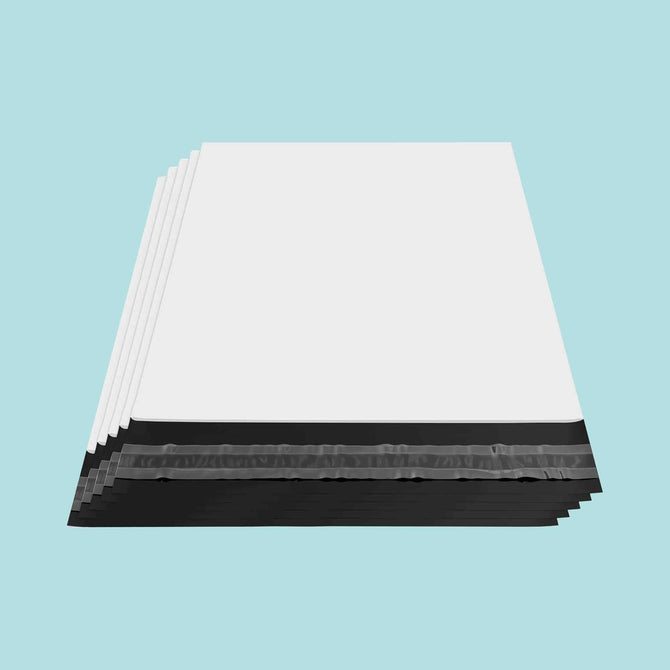
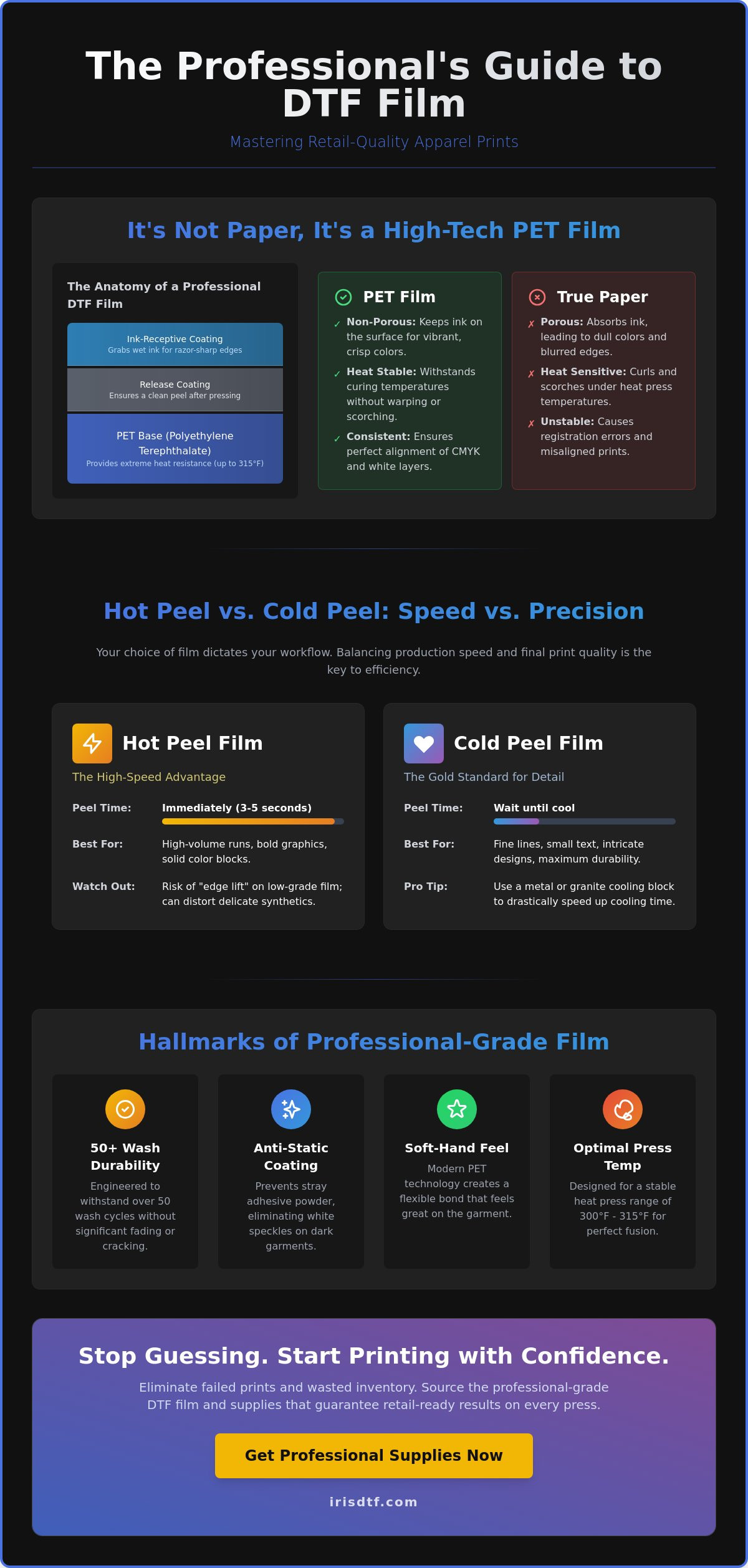
Let's get one thing straight. The term dtf transfer paper is a bit of a misnomer. It isn't paper at all. It's actually a high-tech PET film. While many in the industry use the word "paper" as a carryover from older heat transfer methods, the material you're holding is a sophisticated multi-layered plastic. It acts as a temporary carrier for your digital designs, holding the ink and powder in perfect suspension until they are fused to the fabric.
A professional DTF sheet consists of three critical layers that work in tandem. First, there's the Polyethylene Terephthalate (PET) base. This plastic is chosen for its extreme heat resistance. It allows the film to withstand the 300 to 315°F temperatures required during the Direct-to-film (DTF) printing process without warping or melting. On top of this base sits a release coating. This layer ensures the design peels away cleanly after pressing. Finally, the ink-receptive coating grabs the wet ink and prevents it from running, ensuring your edges stay razor-sharp.
The Evolution of Direct-to-Film Media
We've come a long way from early screen print transfers. Those older methods often felt heavy and "plastic-y" on the garment. Modern digital PET technology has changed the game. It allows for high-resolution graphics that maintain a soft-hand feel. DTF has surpassed traditional heat transfer paper in durability because it creates a more flexible bond. Industry data shows that professional-grade transfers are now rated to withstand over 50 wash cycles without significant fading. This evolution has turned DTF from a niche alternative into a primary production solution for 70% of professional print shops as of early 2026.
Paper vs. Film: Clearing the Confusion
Why doesn't true paper work for this process? The answer lies in the physics of ink absorption. Real paper is porous. It drinks up the ink, which leads to dull colors and blurred edges. Coated PET film is non-porous. The chemical coating keeps the ink sitting on the surface, ensuring every detail remains crisp and vibrant.
Standard paper also fails in high-heat curing environments. It tends to curl or scorch when subjected to the temperatures needed to melt DTF adhesive powder. You can identify high-quality PET film by its consistent transparency and thickness. Premium rolls, which typically retail between $140 and $180 for a 24-inch by 328-foot roll, provide the stability needed for your printer's rollers to move the media with precision. This stability is what prevents registration errors and ensures your white backing aligns perfectly with your CMYK colors every time.
Cold Peel vs. Hot Peel: Choosing Your Production Speed
Your workflow efficiency depends entirely on how you remove the carrier sheet. The chemical release coating on your dtf transfer paper (PET film) dictates whether you peel while the garment is scorching or wait until it's stone cold. Getting this wrong leads to ruined shirts and wasted inventory. For high-volume Dallas clothing brands, this choice is the difference between shipping 500 shirts a day or struggling with 50. It's about finding the balance between output speed and final print quality.
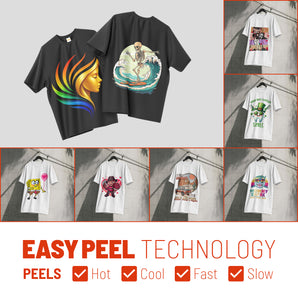
Hot peel film is engineered for momentum. You remove the film immediately, usually within three to five seconds of opening the heat press. Cold peel film requires patience. You must wait for the adhesive to fully solidify and the garment to cool to room temperature before stripping the film. While the industry continues to see innovations in DTF technology that push the boundaries of these coatings, your choice should always align with your specific design and fabric type.
Hot Peel Film: The High-Speed Advantage
Speed is the primary driver here. Hot peel is the go-to for large-scale production runs involving bold graphics and solid blocks of color. It eliminates the bottleneck of waiting for garments to cool. To ensure the design doesn't lift, you must maintain consistent pressure. If you're using lower-quality supplies, an immediate peel can cause "edge lift" where the design pulls away with the film. Be careful with delicate synthetics. The high heat combined with an aggressive pull can occasionally distort polyester fibers if the film isn't released properly.
Cold Peel Film: Precision and Detail
Cold peel remains the gold standard for high-detail work. If your design features fine lines, small text, or intricate halftones, cold peel is non-negotiable. Waiting for the "set time" allows the adhesive powder to fully bond with the fabric fibers, creating a mechanical lock that hot peeling sometimes misses. You can speed this up by using a metal cooling block or a granite slab to draw the heat away instantly. This method ensures that even the thinnest lines stay anchored to the shirt. If you're looking for consistent results, checking out professional-grade DTF supplies can help you find the right film for your specific equipment setup.
Ultimately, the best peel type for your shop depends on your heat press capacity and your customer's expectations. Many shops keep both types of film on hand to handle different job requirements. Whether you prioritize the rapid-fire output of hot peel or the surgical precision of cold peel, understanding the chemistry of your film is what makes you a pro. It turns a manual task into a streamlined, repeatable system.
Key Features of Professional-Grade DTF Sheets
Not all film is created equal. The technical specs of your dtf transfer paper determine if your finished product looks like a high-end retail garment or a botched experiment. High-performance sheets are engineered with specific chemical layers to handle the rigorous demands of modern Direct-to-film (DTF) printing. You need to prioritize dimensional stability. This ensures the film doesn't warp or "potato chip" while it's in the curing oven at 300°F. If the film curls under heat, your print head might strike the surface, ruining both the design and your hardware.
Ink absorption capacity is another critical factor. Professional film must hold a heavy layer of white ink without bleeding or "swimming." If the coating is too thin, the white backing will merge with the CMYK layer, resulting in muddy colors and poor opacity. You're looking for a sheet that can handle high-density settings in your RIP software while maintaining razor-sharp edges. Double-sided matte film is often the preferred choice for industrial printers. The extra texture on the back provides the friction needed for printer rollers to grip the media, preventing the skewing or slipping that often happens with single-sided glossy options.
The Importance of Anti-Static Layers
Static electricity is the enemy of a clean print. Without a dedicated anti-static coating, the TPU adhesive powder will cling to non-printed areas of the film. This creates a "white speckle" effect that is painfully visible on black or navy shirts. You can perform a "clean background" test by flicking the back of the film after powdering; if white dust remains in the margins, your film lacks proper anti-static properties. Managing static is especially vital in the dry climate of Dallas-Fort Worth. Use a humidifier in your print room and always source dtf transfer paper with a verified anti-static treatment to keep your backgrounds pristine.
Matte vs. Glossy Finish Options
The coating on your film dictates the final texture of the transfer. Most modern streetwear brands demand a retail-ready matte finish. It provides a soft, non-reflective look that mimics screen printing. Glossy film is less common but serves a purpose for specific promotional products or vibrant "plastic-look" designs. Most professionals stick to matte because it offers a superior hand-feel on the garment. It's flexible, durable, and doesn't have the sticky sensation often associated with cheaper heat transfers. Choosing the right finish is a simple way to align your output with current market trends and customer expectations.
How to Use DTF Transfer Paper for Retail Results
Retail quality isn't an accident. It's the result of a precise, repeatable process. To master your dtf transfer paper, you must focus on the technical execution of every step. It starts with identifying the print side. Use the "Scratch Test" on a corner. The side that leaves a mark or feels slightly rough is your coated side. Don't guess. Printing on the wrong side leads to immediate ink rejection and a messy cleanup that halts your production.
Next, prep your artwork. Your files must be high-resolution, specifically 300 DPI in PNG format with a transparent background. Mirror your image in your RIP software before hitting print. This is where you set your ink density. You need enough white ink to create a solid base but not so much that it pools and bleeds. Once printed, apply your TPU adhesive powder immediately while the ink is wet. Shake off the excess. Your goal is an even, "orange peel" texture across the entire design area.
Curing is the most critical stage for durability. Set your equipment to 300 to 315°F. You're looking for the powder to melt into a smooth, slightly glossy finish. If it's still grainy, it's under-cured. If it's yellowing or brittle, it's over-cured. Finally, press the transfer to your garment using firm pressure for 10 to 15 seconds. If you want to skip the printing hassle and get straight to pressing, you can order custom DTF transfers that are ready for immediate application.
Curing the Film: Oven vs. Heat Press
Dedicated curing ovens are the gold standard for high-volume Richardson shops. They provide 360-degree heat that melts powder consistently without scorching the PET film. If you're using a heat press, use the "hover" technique. Position the heating element about an inch above the film for 2 to 3 minutes. Watch for the melt. Consistency here prevents the dreaded "tackiness" that ruins wash fastness and leads to customer returns.
Troubleshooting Common Transfer Issues
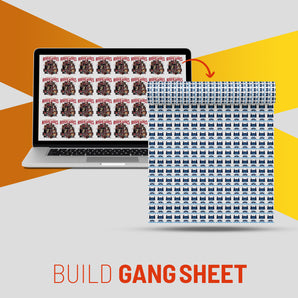
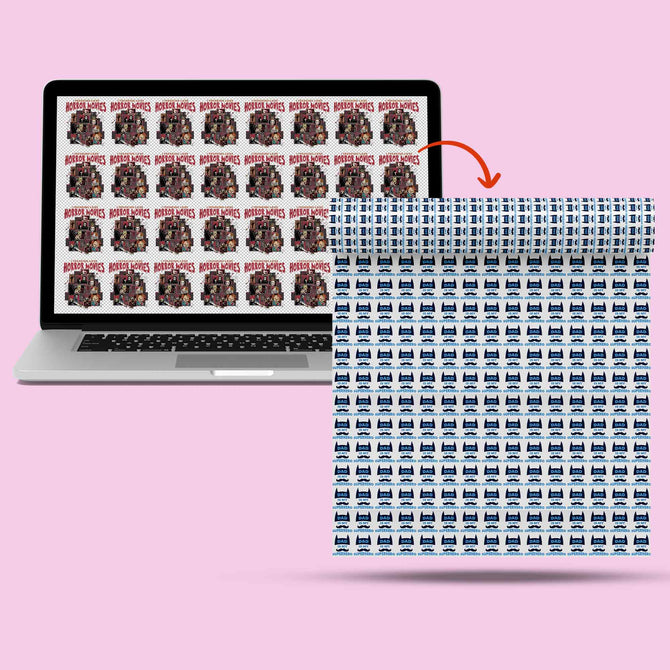
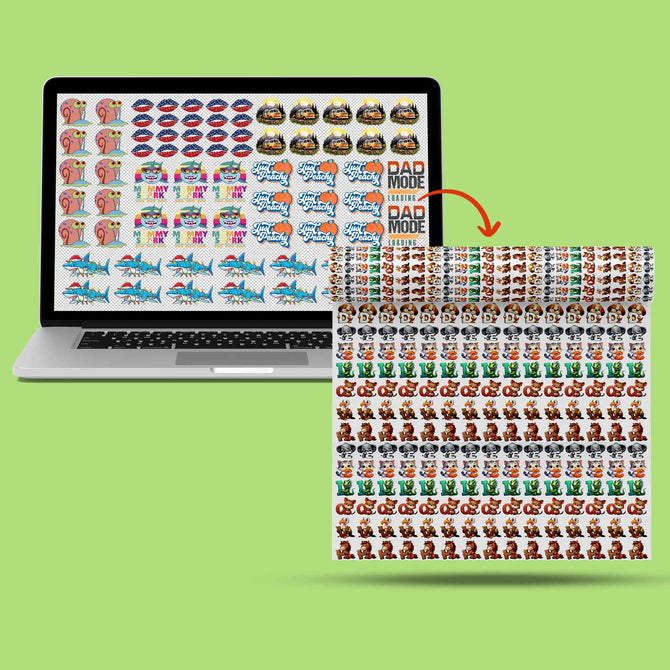
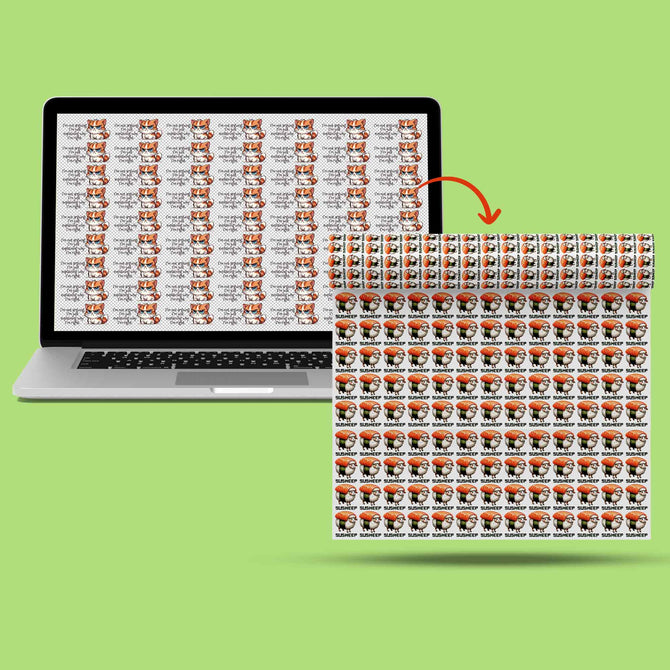
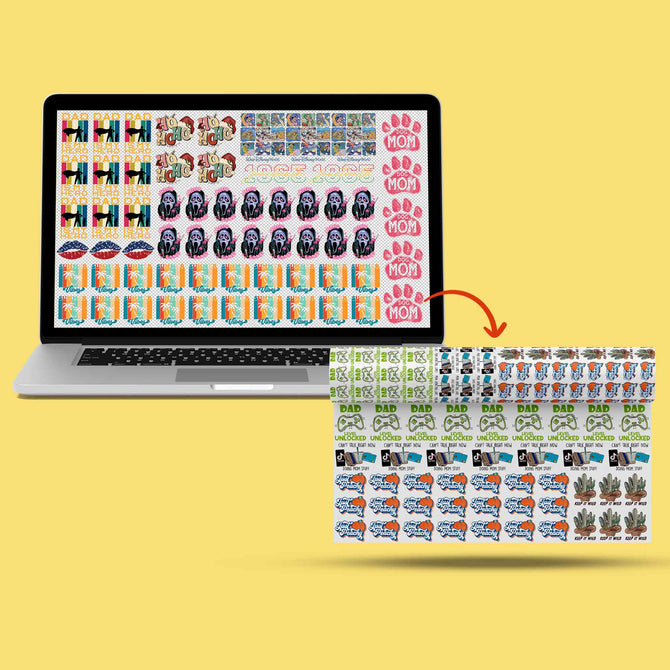
Oily residue on your prints after curing usually points to over-curing or poor ink chemistry. It can interfere with the bond, so dial back your time settings in small increments. If your film is slipping in the printer feed, check your media type. Double-sided matte film provides the grip your rollers need to maintain registration. For perfect gang sheets, ensure your artwork is aligned with at least a 0.25-inch margin between designs to allow for fast, easy cutting during the finishing process.
Why Iris DTF is the Trusted Source for Dallas-Fort Worth Brands
Success in the apparel industry requires more than just a printer. It requires a partner who understands the high-stakes nature of production. Iris DTF operates out of a dedicated Richardson facility, serving as a central hub for brands across Plano, Frisco, and the greater Dallas area. We aren't a new player in the game. With over 10 years of expertise in the US market, we've earned our "pioneer" status by navigating the technical evolution of the industry from its early stages to the modern era.
We provide a dual-track solution for your business. Whether you need wholesale dtf transfer paper and supplies to run your own shop or professional custom gang sheet services to scale your output, we have the capacity to meet your demands. Our local presence ensures fast turnaround times that outpace national competitors. We understand that in the Dallas market, speed is just as important as quality. We're built to keep your production moving without the delays of international shipping or coastal logistics.
Professional Supplies for DIY Printers
If you're running your own equipment, you need media you can trust. We source premium PET film, high-density inks, and durable powders directly from our Richardson hub. We only sell the exact same high-grade dtf transfer paper and supplies that we use for our own professional custom orders. This means your DIY projects benefit from our rigorous internal testing. Local DFW businesses can also take advantage of our local pickup options. This allows you to restock your inventory instantly and eliminate shipping costs entirely. It's about giving you the tools to succeed with the same precision we demand of ourselves.
Custom Printing: When to Outsource Your DTF
Scaling a brand doesn't always mean buying more machines. It means working smarter. Our custom printing services allow you to grow without the overhead of maintaining complex hardware. By utilizing our custom DTF transfers and gang sheets, you maximize your profit margins and focus on sales rather than maintenance. We handle the technical heavy lifting, from ink density management to precision curing. Every order comes with the Iris DTF quality guarantee. You get vibrant colors that pop and 50+ wash cycle durability that keeps your customers satisfied. Whether you need a single sheet or a massive production run, we scale with you. Ready to elevate your brand? Let's get to work.
Elevate Your Apparel Production Today
Mastering the shift from basic paper to high-performance PET film is what separates a hobbyist from a professional brand. You now understand that the technical coating on your dtf transfer paper is the primary engine behind vibrant colors and long-term durability. Whether you are optimizing for high-volume speed with hot peel or surgical precision with cold peel, your choice of media determines your final retail quality. Consistency is the key to scaling any business in the Dallas-Fort Worth market.
Iris DTF provides the stability you need to grow with confidence. Our Richardson-based local facility combines 10+ years of industry expertise with proprietary high-durability coatings that ensure your prints stand the test of time. We use the same premium supplies for our custom orders that we ship to our DIY partners; ensuring you get professional results every time you press. There is no room for guesswork when your brand's reputation is on the line.
Ready to streamline your workflow and boost your profit margins? Shop Premium DTF Supplies and Custom Transfers at Iris DTF to get the high-capacity tools your business deserves. Your designs are ready for the big stage. Let's make sure they stay there with prints that pop and feel incredible.
Frequently Asked Questions
What is the difference between DTF transfer paper and sublimation paper?
Sublimation paper dyes the garment fibers while DTF film creates a physical layer on top of the fabric. Sublimation is restricted to light-colored polyester; but DTF works on any color or material. Sublimation requires high-heat gas conversion. DTF relies on pigment ink and a melted adhesive powder bond. This makes DTF much more versatile for custom apparel shops handling various garment types.
Can I use a regular inkjet printer with DTF transfer film?
You cannot use a standard inkjet printer because it lacks the white ink channels and specialized pigment ink required for this process. DTF printing requires a modified system that can lay down a white base layer behind your colors. Without this white layer, your designs will be transparent and invisible on dark fabrics. Attempting to use regular ink will also ruin the film coating.
Which side of the DTF film do I print on?
Always print on the dull, matte side of the film which contains the ink-receptive coating. You can easily identify this side by performing a quick scratch test in the corner; the coated side will leave a visible mark. The glossy side is the back of the PET carrier and will not hold ink. Printing on the wrong side leads to immediate ink pooling and a difficult cleanup.
Do I need a special heat press for DTF transfers?
A standard professional heat press is perfectly fine as long as it provides even heat and firm pressure. You don't need a specialized machine; but you must ensure your press can maintain a temperature between 300 and 315°F. Consistent pressure is vital for pushing the melted adhesive into the fabric fibers. This creates the durable, retail-ready finish that customers expect from high-end apparel brands.
How long do DTF transfers last on a t-shirt?
Professional-grade transfers are rated to survive over 50 wash cycles without cracking or losing their color vibrancy. This longevity matches or exceeds traditional screen printing results. To maximize this life span, wash the garments inside out and avoid using harsh chemicals or high-heat drying cycles. The flexibility of the cured adhesive allows the print to stretch with the fabric without breaking the bond.
Why is my DTF film not releasing properly after pressing?
Improper release is typically the result of peeling the film at the wrong temperature for your specific dtf transfer paper. If you are using cold-peel film, you must wait until the garment is completely cool to the touch before removing the carrier. If the design still lifts, you may need to increase your press pressure or verify that your curing temperature reached at least 300°F.
Can I use DTF transfer paper on 100% polyester?
Yes, you can use dtf transfer paper on 100% polyester, cotton, nylon, and various fabric blends. This versatility is the primary reason why 70% of professional print shops now offer DTF as a standard service. Unlike sublimation, which only works on polyester, DTF creates a mechanical bond that adheres to almost any textile surface; including dark-colored performance wear and heavy canvas bags.
How should I store my unused DTF transfer sheets?
Store your unused sheets in a climate-controlled environment with low humidity to prevent the coating from absorbing moisture. High humidity can cause the film to become tacky or lead to powder sticking to non-image areas. It is best to keep the film in its original resealable bag or a flat storage bin. Proper storage ensures the anti-static properties remain effective for your next production run.