


DTF Hats: The Professional Guide to Custom Headwear Transfers in 2026

What Is This Article About?
Why are so many shops still struggling with scorched brims and peeling seams when the global headwear market is projected to hit $39.4 billion in 2026? High-end custom headwear isn't just about the transfer quality; it's about mastering the complex geometry of the press. If you've ever dealt with a design that won't sit flat on a six-panel crown, you know that dtf hats require a specific level of technical finesse. It's time to stop guessing and start producing.
We know you're looking for that perfect balance of speed and retail-grade quality. You need designs that stay crisp and vibrant, matching the rugged durability of traditional embroidery without the high setup costs. This guide shows you how to master the art of applying high-quality transfers to any hat style with professional precision. We'll take you from scorched brims to flawless finishes by covering heat-resistant alignment tricks and efficient gang sheet production. You'll learn how to turn difficult curved surfaces into your biggest competitive advantage.
Key Takeaways
- Master the "2.5-inch rule" to ensure your designs fit perfectly on structured crowns without distortion or alignment issues.
- Learn why a curved platen is non-negotiable for retail-quality headwear and how it prevents common application failures.
- Use heat-resistant tape and specific pre-heating techniques to eliminate moisture and lock your transfers in place.
- Discover how dtf hats allow for complex gradients and fine details that traditional embroidery simply cannot reproduce.
- Maximize your production ROI by utilizing high-capacity gang sheets designed for professional-scale output and rapid turnaround.
Why DTF Transfers are Dominating Custom Headwear in 2026
The custom headwear market is moving at breakneck speed. In 2026, dtf hats are no longer a niche alternative. They are the industry standard. But What is DTF Printing exactly? It is a specialized process where digital designs are printed onto a high-quality film and heat-applied to headwear with a specialized adhesive. This isn't just a logo on a cap. It's a technical leap forward. It allows for retail-grade precision that older methods simply can't match. No screens. No digitizing. Just pure, vibrant results.
Traditional embroidery has its limits, though it remains a staple for luxury branding. While you can find excellent digital patterns from Embroidery n Sewing for machine work, needles and thread can't reproduce photo-realistic gradients or ultra-fine 2pt font lines. DTF captures every pixel with high-energy vibrancy. For brands that want complex mascots or detailed landscapes to pop, this is the only viable path. The color depth is unmatched. You get colors that stay bright and lines that stay sharp. It is the difference between a basic cap and a professional piece of merchandise.
Efficiency is the engine of your business success. Running a small batch of custom hats in Dallas? Embroidery setup fees can destroy your margins before you even start. DTF eliminates those barriers. It's a smarter choice for low-volume runs and high-capacity production alike. Versatility is the other half of the equation. One transfer type handles it all. Whether you're pressing onto foam truckers, acrylic beanies, or 5-panel campers, the results stay consistent. You get a professional finish every single time.
DTF vs. Traditional Hat Decoration
Screen printing on structured foam crowns is often a nightmare. The ink bleeds. It fails to bridge the center seam properly. DTF solves this problem. It provides a solid, opaque layer that sits perfectly over any texture. There is also a major comfort advantage. Heavy embroidery makes a hat feel weighted and stiff. DTF transfers are incredibly light. They keep the cap breathable and flexible. For local Richardson businesses, the speed is the real winner. You go from a digital file to a finished product in minutes. It's fast. It's reliable. It works.
Durability and Washability Standards
Adhesive technology has seen massive upgrades. By 2026, the bonding agents used in professional dtf hats are engineered specifically for high-performance polyester and cotton blends. These transfers don't just sit on the fabric. They integrate with the fibers. This is vital for sweat resistance. Whether it's an intense gym session or a long day on a construction job site, the designs won't bleed, crack, or peel. Our standards now meet the 50+ wash cycle benchmark. Your hats will look as good on day 500 as they did on day one. High-capacity durability meets professional results.
Designing for the Curve: Sizes, Faux Patches, and Placement
Designing for dtf hats is a game of geometry. You aren't working on a flat canvas. You're working on a curve that fights back. Many shops make the mistake of following generic size guides. They try to slap a 5-inch tall design on a standard cap. It doesn't work. It leads to creasing and poor adhesion at the edges. If you want retail-grade results, you have to respect the physical limits of the hat's structure.
The 2.5-inch rule is your new best friend. On structured hats, height is far more critical than width. If your artwork exceeds 2.5 inches in height, you'll struggle to get even pressure across the entire surface. The top and bottom of the transfer will likely peel because the heat press platen can't make full contact. Keep your width between 4.5 and 5 inches for a balanced look that wraps cleanly around the crown. This ensures your design stays visible from the front without disappearing into the side panels.
You also need to account for the 'seam gap.' While modern DTF Printing Technology is resilient, physics still wins. Avoid placing ultra-fine details or tiny text directly over the center seam. The physical dip in the fabric can swallow small elements or cause the adhesive to bridge poorly. Design your art so the most critical details sit on the flat panels. If you have a logo that must cross the seam, make sure the lines are bold and thick enough to maintain their integrity.
The Faux Patch Aesthetic
In 2026, the "faux patch" is the gold standard for premium branding. You don't need a physical leather or embroidered patch to get that look. By designing a thick, textured border with digital "stitching" into your custom dtf transfers, you create a high-end visual effect that mimics traditional headwear. Use muted, vintage tones and drop shadows in your artwork to create depth. It's a faster, more cost-effective way to achieve a luxury feel without the bulk of real embroidery. Our high-definition transfers make these fine details look incredibly realistic.
Placement Strategy for Different Hat Styles
Success requires a tailored approach for every style. Don't use a one-size-fits-all strategy.
- Trucker Hats: High-profile foam crowns are perfect for bold, centered designs. For a modern streetwear vibe, try an off-center placement on the lower left panel.
- Beanies: These require extra care because the ribbing stretches when worn. Apply the transfer with slightly less pressure to avoid crushing the knit, and choose designs with a slightly thicker base to handle the expansion.
- Dad Hats: Because these are unstructured, the fabric shifts easily. Use heat-resistant tape to lock the transfer in place before pressing. This prevents the "ghosting" effect caused by the film moving during the heat cycle.
The Gear You Need: Hat Presses vs. Handheld Irons
Professional results require professional tools. If you want to scale your brand, a standard flatbed press won't cut it. For dtf hats, a curved platen is non-negotiable. It mirrors the natural shape of the crown. This ensures even heat and pressure across the entire design. Without it, you're fighting physics. You'll end up with cold spots and peeling edges that kill your reputation.
Handheld hat presses have their place. They're affordable and portable. For hobbyists or one-off gifts, they work fine. But for high-volume Plano orders? They're risky. You can't guarantee consistent pressure across 50 units. One slight slip leads to a ruined blank. If you're serious about retail quality, invest in a dedicated industrial hat press. It's the only way to ensure every cap in your run looks identical.
Don't forget the essentials. Success is in the details. You'll need these accessories to maintain a professional workflow:
- Heat-resistant tape: This is vital for locking the transfer onto the curve so it doesn't shift.
- Foam inserts: These level out the surface and protect the hat's internal structure.
- Parchment paper: A simple barrier that prevents direct heat from scorching sensitive fabrics.
Why Pressure is the Secret Ingredient
Structured crowns have a natural "bounce." You need enough pressure to compress the fabric and force the adhesive to bond. Foam pillows are essential here. They level out center seams and help the platen make full contact. Calibrating your press is key when working through high-capacity dtf gang sheets. Consistency is what separates a garage setup from a professional powerhouse. It's about repeatable precision.
Temperature and Timing for Hat Fabrics
Different materials require different settings. Don't guess. Polyester truckers need lower temperatures. High heat causes "scorching" or ugly shiny marks on the foam. Cotton twill can handle more heat. Higher temps ensure the adhesive penetrates deep into the fibers for dtf hats that last. Always use the "Double Press" method. The first press sets the transfer. The second press, done after peeling the film, locks the design in for maximum longevity. It's a one-step action that guarantees a retail finish.
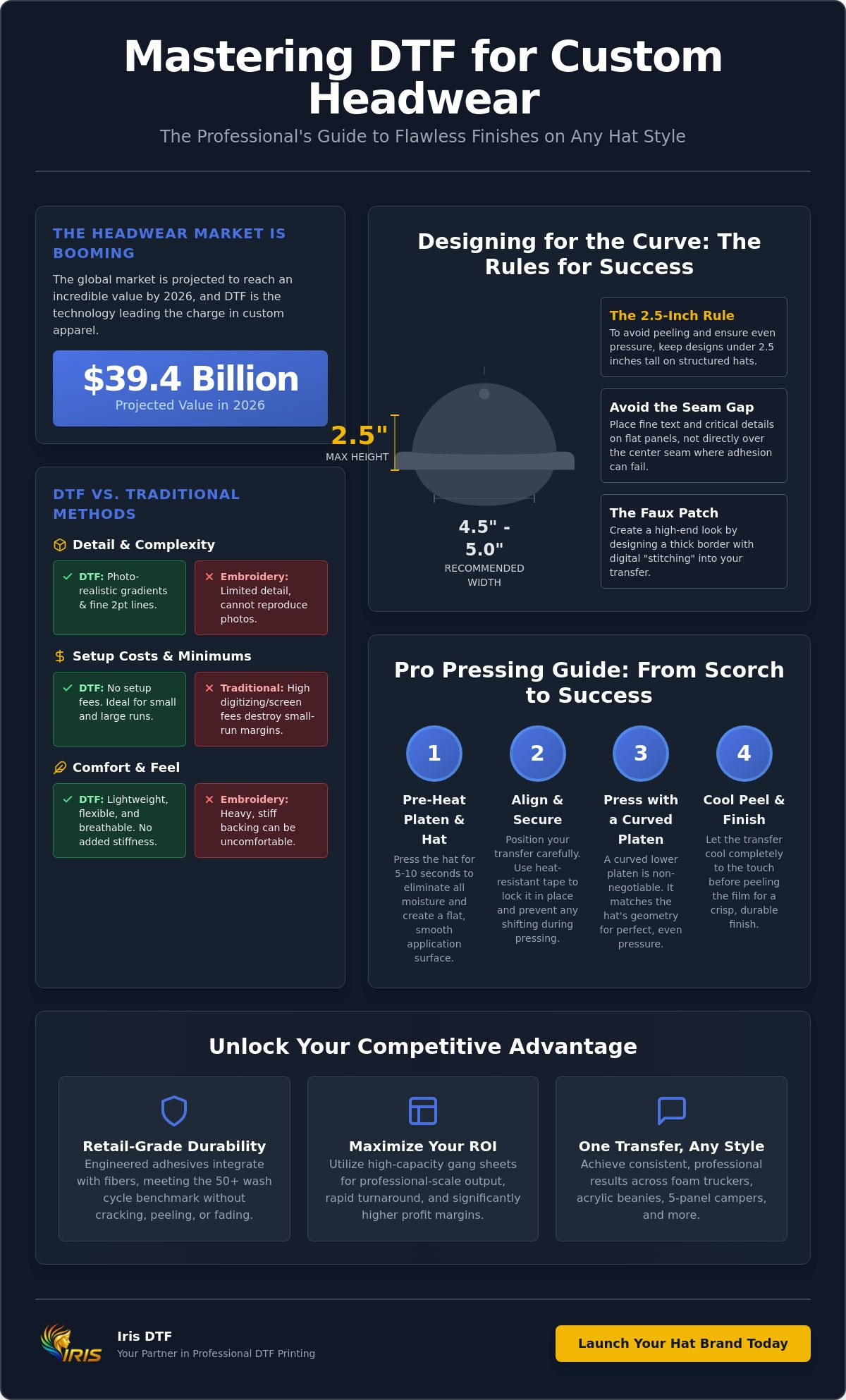
Pro Pressing Guide: How to Apply DTF to Hats Without Scorching
Execution makes the brand. You can have the best gear in Texas, but if your application is sloppy, your hats will fail. Applying dtf hats requires a methodical approach. It is about heat, time, and mechanical precision. Follow these steps for a retail-ready finish every time. No more excuses for peeling edges.
- Step 1: The Pre-Heat. Clamp the hat in the press for 5 to 8 seconds. This removes hidden moisture and flattens the crown. It creates the perfect foundation for bonding.
- Step 2: Alignment. Don't eyeball it. Use heat-resistant tape to lock the transfer onto the curve. This prevents the film from shifting or "ghosting" during the press cycle.
- Step 3: The First Press. Set your machine to 285°F. Apply heavy pressure for 12 seconds. Modern 2026 adhesive films are designed for lower temps to protect the fabric while ensuring a permanent bond.
- Step 4: The Cold Peel. Patience is a tool. Wait for the hat to be completely cool to the touch before removing the film. This prevents edge-lifting on textured fabrics.
- Step 5: The Finishing Press. Remove the film. Cover the design with parchment paper. Hit it again for 5 seconds. This "locks" the design into the fibers for maximum durability.
Success is found in the details. If you're ready to scale your output, you need consistent materials. Get started today with our professional DTF supplies and see the difference in your finish.
Solving the 6-Panel Seam Problem
The center seam is where most transfers fail. You need to "bridge" the gap. Keep the transfer film taut over the seam valley. Use high-pressure settings to force the adhesive into the dip. If the corners are stubborn, use the "thumb-press" trick. Immediately after the first press, while the film is still hot, use a heat-gloved thumb to press the film firmly into the seam. It ensures a 100% bond where machines sometimes miss. This creates a seamless, retail-grade look that customers expect.
Preventing Scorch Marks
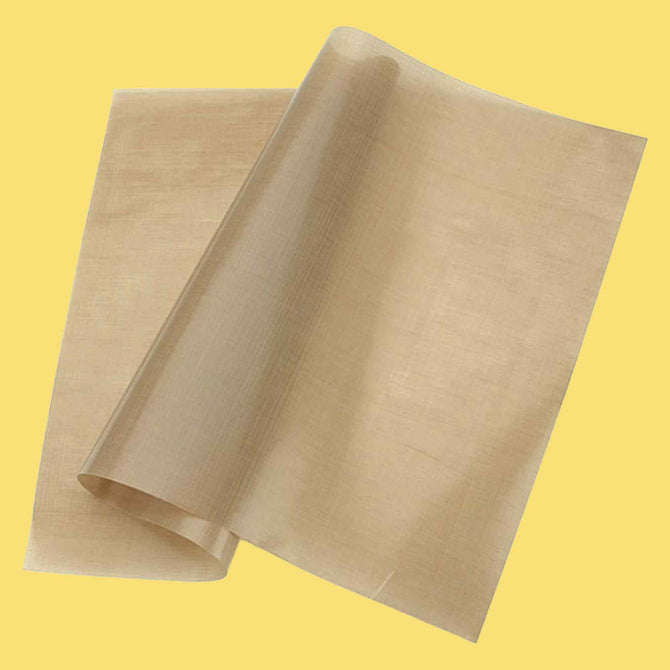
Scorching ruins your margins. Use a teflon sheet or butcher paper as a buffer. This protects light-colored fabrics from direct heat. Popular Richardson 112 models and other high-polyester truckers are notoriously heat-sensitive. If you notice a "shiny" mark or discoloration, reduce your dwell time by 2 seconds. You don't need excessive heat; you need consistent pressure. Identifying these sensitive brands early prevents wasted blanks and keeps your production line moving efficiently.
Launch Your Hat Brand with Iris DTF’s Professional Gang Sheets
Success in the North Texas apparel market depends on speed. Richardson and Dallas brands choose Iris DTF because we understand the urgency of retail. We provide the engine for your creative growth. When you're building a brand around dtf hats, you need a partner that delivers precision without the wait. We don't just print film. We power your production line. Our process is built for high-capacity output and professional reliability.
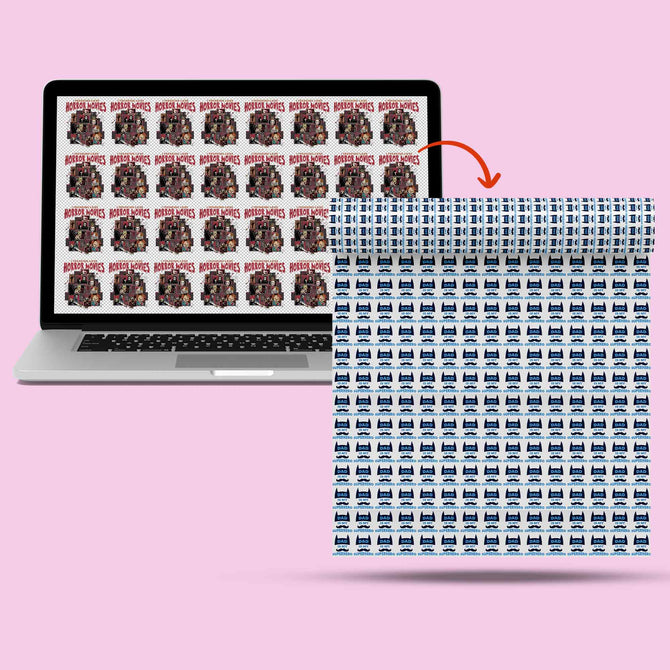
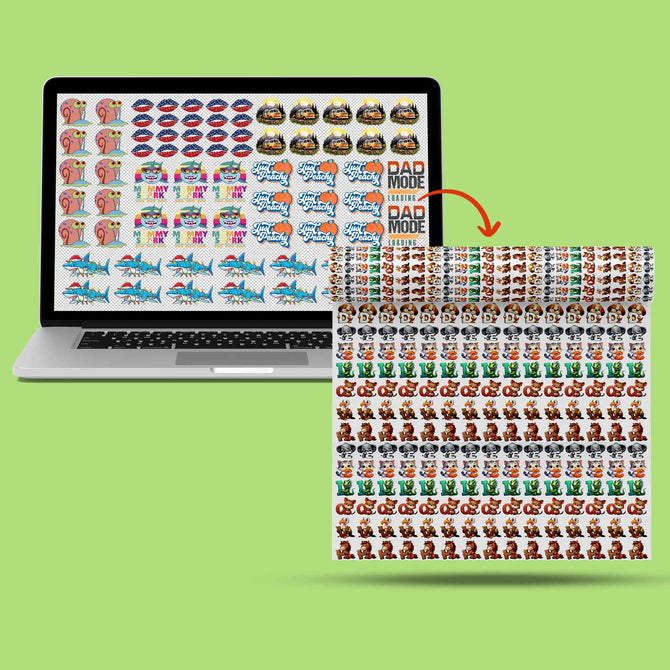
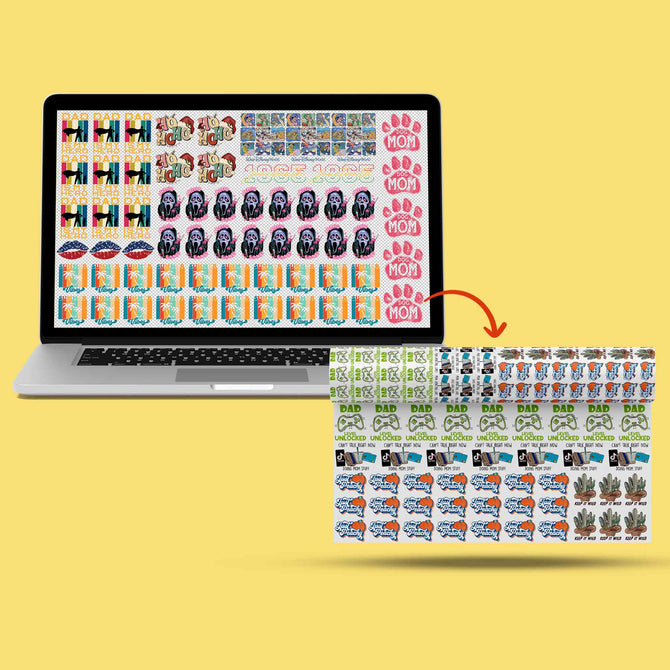
Maximizing your ROI starts with the layout. Efficiency is the goal. How many transfers can you fit? On a standard 22" x 24" sheet, you can often nestle 20 to 30 hat-sized logos. This drives your unit cost down significantly. It makes high-quality headwear accessible for any startup. We ensure every inch of that film is utilized. No wasted space. No unnecessary margins. Just pure production value that keeps your business profitable and competitive in a crowded market.
The Iris DTF advantage is local. We serve the entire DFW region with a focus on professional reliability. Whether you need transfers delivered to Plano, Frisco, or Irving, we have you covered. We move at the pace of your business. No overseas delays. No customs headaches. Your transfers arrive ready to press. They're crisp. They're vibrant. They're built for 2026 standards. We handle the technical heavy lifting so you can focus on sales.
Local Support for DFW Entrepreneurs
Our Richardson facility is more than a print shop. It's a resource for local creators. Visit us for expert advice on the nuances of dtf hats. We help you navigate the technical hurdles of structured crowns and heat-sensitive materials. Need your order immediately? We offer same-day or next-day pickup options for local businesses. This level of quality control is impossible with overseas vendors. You see the quality before it hits your press. It's about trust. It's about local roots. It's about being a partner in your success.
Scaling from 10 to 1,000 Hats
Growth requires a shift in mindset. You can't scale a business on individual cuts alone. It's time to transition to dtf gang sheets for your bulk orders. This move streamlines your entire workflow. It ensures absolute consistency across every batch. Whether you're pressing 10 hats for a local gym or 1,000 for a corporate event, our quality guarantee stands firm. We provide the same durable, retail-grade results on every single sheet. Don't let production bottlenecks hold you back. Order your custom hat gang sheets from Iris DTF today!
Scale Your Custom Headwear Brand with Professional Precision
Custom headwear is a high-margin game in 2026. You now have the technical blueprint to master it. From navigating the 2.5-inch rule to bridging that tricky center seam, you've learned that precision on the curve is what separates professional shops from hobbyists. Using industrial hat presses and methodical alignment strategies ensures your dtf hats stand up to the rigorous 50-plus wash cycle standard. It's about moving from trial and error to a repeatable, one-step production flow that guarantees retail-ready results every time.
Iris DTF is your behind-the-scenes engine for this success. We bring over 10 years of US-based printing expertise to every order. Our high-capacity Richardson facility is designed to handle massive commercial demands with vibrant, retail-ready quality. Don't let production bottlenecks or overseas delays slow your momentum. Ready to dominate the DFW market? Build Your Custom Hat Gang Sheet Now and experience the speed of a local partner committed to your growth. Your vision is ready for the press. Let's get to work.
Frequently Asked Questions
Can I use a regular t-shirt heat press for hats?
You cannot use a standard flatbed t-shirt press for professional headwear results. Hats require a curved platen to match the natural geometry of the crown. Attempting to use a flat press leads to creasing, air pockets, and uneven adhesion. For retail-ready quality, a dedicated hat press is essential to ensure full contact across the entire design surface.
What is the best size for a DTF transfer on a standard trucker hat?
The ideal size for most structured trucker hats is approximately 2.5 inches in height and 4.5 to 5 inches in width. Staying within these dimensions prevents the design from wrapping too far into the side panels or hitting the brim. This sweet spot ensures the transfer remains flat and visible without fighting the complex curvature of the foam crown.
How do I prevent the 'box' outline from showing on my hats after pressing?
You can prevent the box outline by using a protective buffer like a teflon sheet or parchment paper during the pressing cycle. This distributes heat more evenly and prevents the film edges from digging into the fabric. Additionally, performing a quick finishing press after the film is peeled helps blend the adhesive into the fibers, removing any residual pressure marks.
Do DTF transfers work on beanies and ribbed headwear?
Yes, DTF transfers work exceptionally well on beanies and ribbed headwear when applied with high pressure. Because these materials stretch, you should choose designs with a slightly thicker base to maintain integrity when worn. The adhesive bonds deeply into the knit, providing a durable finish that moves with the fabric without cracking or peeling under normal use.
What temperature should I use for DTF on polyester hats?
For polyester dtf hats, you should set your temperature between 275°F and 285°F. Polyester is sensitive to high heat and can scorch or develop a permanent shine if pressed too hot. Using a lower temperature for a slightly longer duration ensures a strong bond while protecting the integrity of the synthetic fibers and maintaining the hat's original color.
Can I apply UV DTF stickers to hats?
You should not use UV DTF stickers for headwear. UV DTF is engineered for hard, non-porous surfaces like glass or plastic and lacks the flexibility required for fabric. For hats, always use standard custom DTF transfers. These are designed to bond with textiles and provide the necessary stretch and durability to withstand the wear and tear of daily use.
How long do DTF hat transfers last compared to embroidery?
Professional DTF transfers are designed to match the lifespan of the hat itself, often exceeding 50 wash cycles. While embroidery is traditionally viewed as the benchmark for durability, modern DTF adhesive technology provides a bond that won't crack or peel. It offers a lighter feel and more detail than thread while maintaining the rugged performance required for workwear.
Where can I get custom DTF transfers for hats in Dallas?
You can get professional-grade dtf hats transfers at our high-capacity facility in Richardson, Texas. Iris DTF serves the entire Dallas-Fort Worth area with fast turnaround times and local pickup options. We specialize in high-volume gang sheets and retail-ready quality, providing DFW entrepreneurs with the reliable production engine they need to scale their custom headwear brands quickly and efficiently.