

DTF Transfer Sheets: A Professional Comparison for Scaling Your Brand in 2026

What Is This Article About?
The quality of your brand isn't determined by your heat press or even your printer. It's decided by the coating chemistry of your dtf transfer sheets. If you've dealt with prints cracking after three washes or wasted film due to poor ink absorption, you know the stakes. These technical failures don't just waste materials. They burn through your profit and damage your reputation. You need a solution that works as hard as you do.
Scaling a brand in 2026 requires speed and precision. You're likely weighing the choice between buying blank sheets for in-house production or ordering custom ready-to-press transfers to save time. With small print runs of fewer than 50 pieces making up 42 percent of the market, efficiency is everything. We'll help you identify the right transfer solution to guarantee everything from a vibrant, soft-hand feel to durability that lasts over 50 wash cycles. This comparison breaks down the technical differences between hot and cold peel options and reveals how the right sheet type can reduce your production time by as much as 40 percent.
Key Takeaways
- Master the science of PET film coatings to eliminate ink bleeding and ensure a professional, soft-hand finish every time.
- Compare the true ROI of printing in-house versus the streamlined convenience of ordering custom ready-to-press transfers to scale your brand.
- Choose between hot and cold peel dtf transfer sheets to optimize your workflow for either maximum speed or ultra-fine detail.
- Use gang sheets to consolidate your designs, slash material waste, and maximize your profit margins on every garment.
- Leverage local Dallas-Fort Worth sourcing for faster turnaround times and access to industrial-grade supplies that outperform generic online competitors.
What are DTF Transfer Sheets? The Science Behind the Film
Professional dtf transfer sheets are far more than simple pieces of plastic. They are multi-layered, engineered PET (Polyethylene Terephthalate) films designed to act as a temporary carrier for wet ink and TPU adhesive powder. In the world of Direct-to-film printing, the film is the foundation. It must hold high-density white ink without bleeding while ensuring a crisp, clean release once the heat press hits the fabric. If the film fails, the print fails. It is that simple.
The secret lies in the matte coating. This specialized chemical layer serves two critical purposes. First, it manages ink absorption, preventing the liquid from "puddling" or spreading. Second, it facilitates the release. A high-quality coating ensures that when you peel the film, every ounce of ink stays on the garment and none stays on the sheet. This is why standard transparency film is a recipe for disaster. Professional sheets are treated to withstand temperatures up to 325 degrees Fahrenheit without warping or melting. Using the wrong material results in ruined platens and wasted ink.
By 2026, industry standards have shifted toward thicker, more stable films. Most high-output shops now insist on a thickness of at least 75 to 100 microns. This ensures dimensional stability. Your design won't shift or shrink during the curing process, keeping your registration perfect for every single print.
The Anatomy of a Premium DTF Sheet
- Base PET layer: This is the backbone. It provides the heat resistance and structural integrity needed to survive the curing oven and the heat press.
- Anti-static coating: Static is the enemy of a clean print. This layer prevents adhesive powder from sticking to non-inked areas, ensuring your finished product has no "speckling" or stray glue.
- Ink-receptive layer: This is where the magic happens. It allows for vibrant CMYK+W color density, ensuring your blacks are deep and your whites are opaque.
Sheet Sizes: A3, A4, and Custom Roll Cuts
Choosing the right size is about efficiency. A4 sheets (8.3 x 11.7 inches) are perfect for left-chest logos or small accessories. A3 sheets (11.7 x 16.5 inches) are the standard for full-front t-shirt designs. However, as you scale, individual dtf transfer sheets may slow you down. This is when many brands move to continuous rolls. Whether you are using sheets or rolls, always match the film size to your heat press platen. This prevents edge-lifting and ensures even pressure across the entire design. Speed. Precision. Consistency. That is the goal.
Blank Printable Sheets vs. Custom Ready-to-Press Transfers
Deciding between blank dtf transfer sheets and custom ready-to-press transfers is a pivotal choice for your brand's ROI. If you own the hardware, buying blank supplies is the standard move. However, the sticker price of film is only one part of the equation. According to industry analysis by WhatTheyThink, the technological complexity of DTF means consumables and maintenance often account for 40 to 60 percent of total production costs. You have to look beyond the film itself.
DIY printing offers total control but introduces significant hidden expenses. You aren't just buying film. You're managing ink levels, adhesive powder humidity, and curing oven temperatures. If a printhead clogs or a curing cycle fails, your cheap blank sheet becomes expensive waste. Maintenance is a profit killer. Outsourcing to a professional facility in Dallas removes these variables. You get high-density prints and guaranteed wash fastness without the 15,000 dollar equipment hurdle. It's about trading technical headaches for streamlined production.
Quality control is the other major factor. Professional-grade transfers produced in a controlled environment use industrial-grade white ink. This results in better opacity and higher wash fastness. While entry-level home setups might struggle with ink absorption or cracking, professional transfers are built for durability. They can withstand 50 or more wash cycles without losing their vibrant edge. If you want to scale, you need consistency that home printers often fail to deliver.
When to Buy Blank DTF Sheets
This is the path for high-volume shops with dedicated hardware. If you're running printers daily, buying bulk dtf transfer sheets and professional DTF supplies makes sense. It gives you the freedom to handle late-afternoon rush orders without waiting for a delivery. Just remember that this requires deep technical knowledge. You must master color management and curing times to ensure your prints don't peel after the first wash. It is a high-reward path for those with the time to manage the gear.
When to Order Ready-to-Press Transfers
For brands in Plano or Irving looking to scale fast, ready-to-press transfers are the clear winner. You avoid the massive overhead of machinery and the constant headache of maintenance. You only pay for what you need. This eliminates the risk of wasted ink or ruined film. You gain access to industrial-grade precision that small desktop printers simply cannot match. It’s the fastest way to move from a small project to a commercial powerhouse without the financial risk.
Technical Specs: Hot Peel vs. Cold Peel DTF Sheets
Your production speed lives or dies by the peel. While earlier iterations of What is Direct-to-Film (DTF) Printing? relied heavily on patience, 2026 technology offers choices that match your specific business goals. Choosing between hot and cold peel dtf transfer sheets isn't just a preference. It is a strategic decision. One prioritizes the clock. The other prioritizes the touch. You need to know which tool to grab for the job at hand.
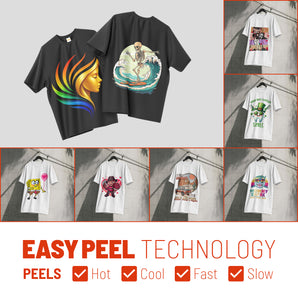
Hot peel film is the current industry favorite for high-volume Dallas shops. It allows you to rip the film away immediately after the press opens. Research shows this can reduce your total production time by as much as 40 percent. If you are churning out hundreds of shirts for a local event, every second counts. Cold peel film requires a cooling period. This allows the polymer to crystallize and grip the fibers. It takes longer but often delivers superior detail and a softer hand feel. By 2026, we are also seeing "Instant Peel" innovations. These hybrid sheets offer the speed of hot peel with the precision of cold peel. Always check the back of your film. If it has a textured, grid-like pattern, it’s likely a cold peel variant designed for high-detail fashion prints.
The Workflow Impact of Peel Temperature
Precision matters here. For hot peel settings, aim for 300°F to 320°F for 10 to 15 seconds. Peel it fast and smooth while it's still steaming. Cold peel requires discipline. Wait for the garment to reach room temperature before removing the film. If you peel too early on a cold-rated sheet, you'll see "ghosting" or "tearing" where the ink stays partially on the film. It ruins the garment. It wastes your time. If you see edges lifting, increase your pressure. Don't just increase the heat.
Surface Finish: Matte vs. Glossy Transfers
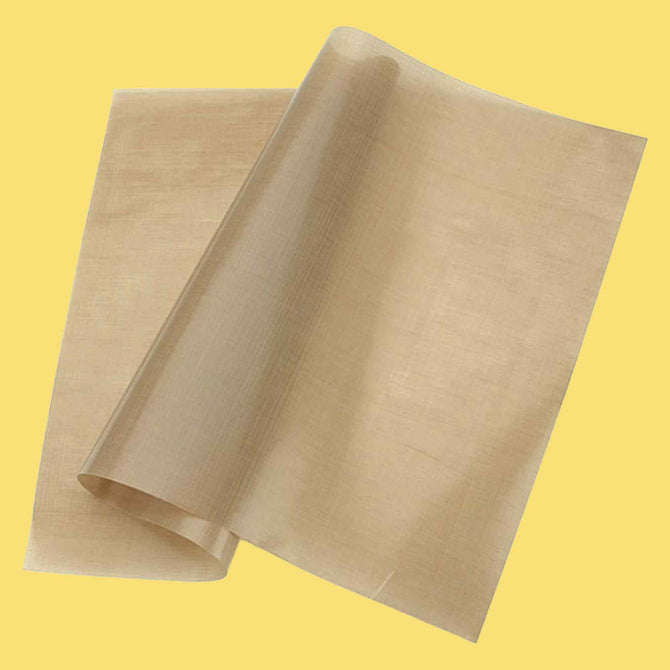
Matte is the undisputed standard for premium streetwear. It looks professional. It feels integrated into the fabric. Most high-quality dtf transfer sheets come with a matte coating by default. If you want to refine the texture further, use a secondary finishing press. Place a Teflon or parchment sheet over the design and press for another 5 seconds. This "sets" the ink and increases durability. While glossy coatings exist, they often feel "plasticky" and can show wear faster. Stick to matte for that retail-ready look that lasts over 50 wash cycles. It's the difference between a cheap knockoff and a professional brand.

Maximizing Value with DTF Gang Sheets
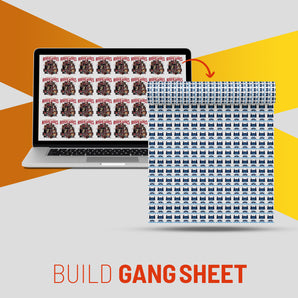
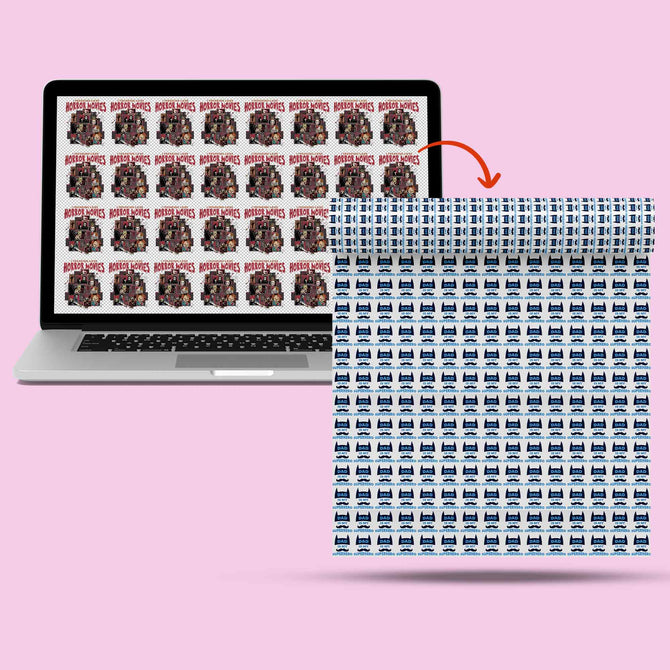
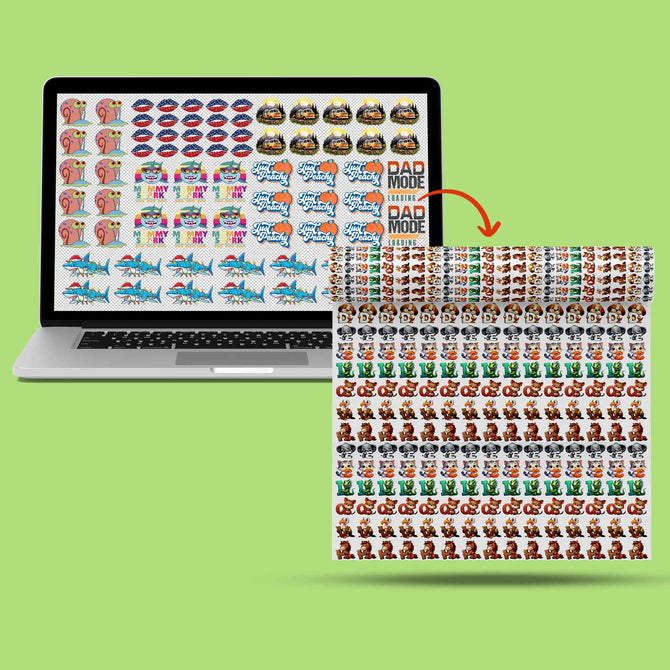
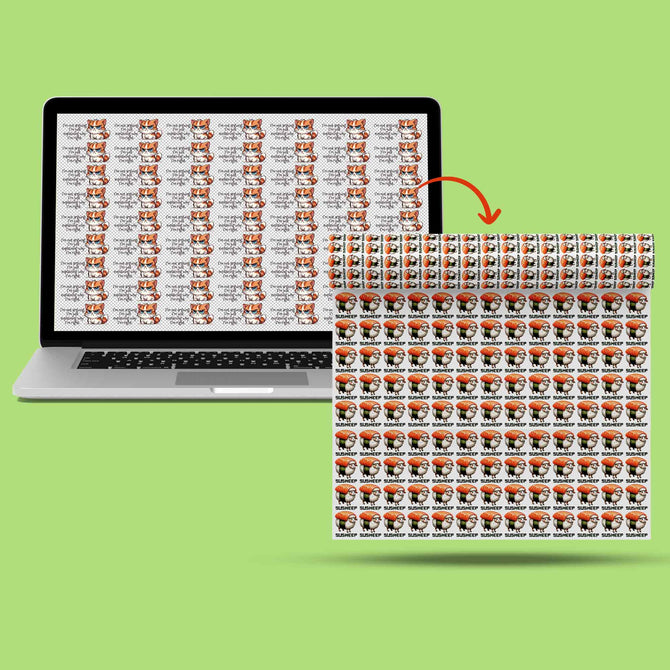
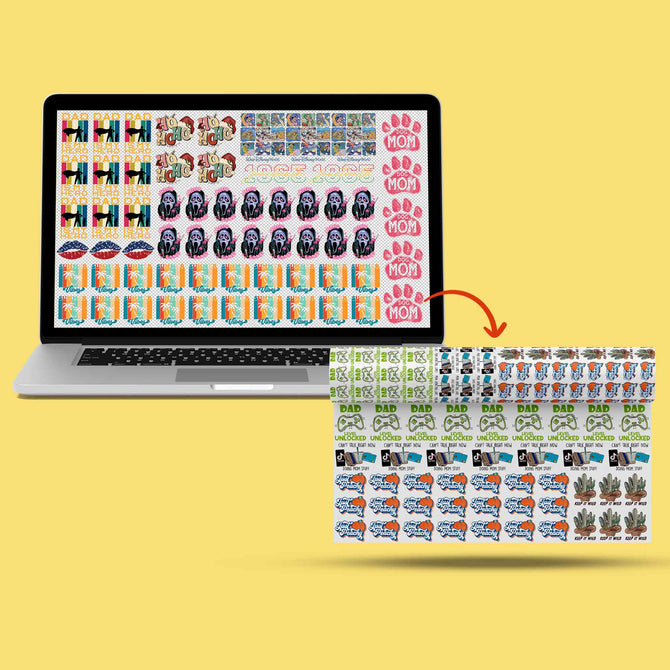
A gang sheet is the single most effective way to lower your overhead and increase your production speed. Instead of printing one design at a time, you consolidate multiple logos, neck labels, and sleeve prints onto a single continuous sheet. Most professional setups use a standard 22-inch width with custom lengths that can stretch for several feet. This approach transforms how you use dtf transfer sheets. It turns every square inch of film into potential profit. You aren't just buying a print. You're buying optimized real estate for your brand.
For local Dallas brands, the savings are immediate. When you group your designs, you eliminate the "dead space" that usually goes to waste with individual cuts. It is a game of math. Pro Tip: You don't have to stick to just one project. You can mix UV DTF stickers for hard surfaces and standard fabric transfers on the same order. This versatility allows you to stock up on branding materials for both apparel and promotional items in one move. It's about working smarter, not harder. You get exactly what you need without the shipping bloat of multiple small orders.
Designing Your Gang Sheet for Success
Technical precision is the key to a clean result. A resolution of 300 DPI is non-negotiable. Anything lower results in pixelated edges that look amateur under a heat press. Stick to PNG files with transparent backgrounds to ensure your white ink base prints exactly where it should. Leave at least 0.25 inches between designs. This margin prevents the "overlap nightmare" when you go to cut your individual transfers. If they are too close, you risk clipping a neighboring design. Precision at the design stage saves hours of frustration at the finishing stage.
The ROI of Gang Sheets for Small Businesses
The math is simple. Ordering ten individual dtf transfer sheets is almost always more expensive than one optimized gang sheet. You reduce your per-unit cost significantly as you scale. In the DFW metroplex, this method also slashes your turnaround time. Because you've already organized the layout, the production process is lightning fast. You get your transfers, cut them, and start pressing. Ready to maximize your margins? Build your custom DTF Gang Sheets today and stop paying for wasted film space.
Sourcing Premium DTF Transfer Sheets in Dallas-Fort Worth
Speed is the ultimate competitive advantage. In the Dallas-Fort Worth metroplex, waiting for a shipment from halfway across the country is a bottleneck your brand doesn't need. Local sourcing in Richardson provides a level of agility that generic online marketplaces simply can't match. You get same-day or next-day local pickup. This keeps your production line moving. It eliminates the anxiety of shipping delays and high freight costs for small, urgent orders. When your customers want their custom tshirts now, local sourcing makes it happen.
Switching suppliers is a common mistake for growing brands. Every manufacturer uses a slightly different chemical coating on their dtf transfer sheets. This often leads to frustrating color mismatches and inconsistent wash fastness. If you want your brand to look professional, you need a reliable partner who maintains the same industrial-grade film and ink chemistry for every single run. Consistency builds trust. We support local brands across Allen, Plano, and Frisco with more than just products. We provide expert pressing advice to ensure your transfers bond perfectly to your blank apparel every time.
Why Richardson Brands Trust Iris DTF
- 10+ Years of Expertise: We bring over a decade of industry knowledge in digital transfer technology to every project.
- Rigorous Wash Testing: Our transfers are engineered to survive 50+ wash cycles without fading, cracking, or peeling.
- Professional Supplies: Get direct access to the same industrial-grade DTF supplies, inks, and powders used by high-capacity print houses.
Ready to Press? Your Next Steps
Scaling your production has never been easier. The process is direct and methodical. Start by preparing your artwork at 300 DPI to ensure maximum clarity. Upload your designs through our portal to receive a custom quote today. Whether you are a creator in the DFW area needing local pickup or a national brand requiring fast shipping across the United States, we have the infrastructure to support your growth. Don't settle for "good enough" when you can have industrial precision. Order your custom DTF gang sheets from Iris DTF today!
Scale Your Brand with Industrial-Grade Precision
Scaling your brand in 2026 requires more than just great designs. It demands a technical foundation built on the right dtf transfer sheets. You now understand how coating chemistry dictates durability and how gang sheets maximize your profit margins. Whether you prioritize the rapid throughput of hot peel or the high-fashion detail of cold peel; your goal remains the same. You need professional results that don't crack. Efficiency is the engine of your success.
Stop losing time to equipment maintenance or inconsistent film quality. Leverage our 10+ years of printing expertise to streamline your production today. We provide guaranteed 50+ wash durability and the convenience of next-day shipping or local DFW pickup. It is time to stop troubleshooting and start growing. Get Professional DTF Transfers Ready to Press at Iris DTF. Your creative vision deserves a partner that works as hard as you do. Let's build something impressive together.
Frequently Asked Questions
Can I use a regular inkjet printer with DTF transfer sheets?
No, you cannot use a standard home or office inkjet printer. DTF printing requires specialized textile inks and a dedicated white ink channel to create the necessary base for the design. Standard inkjet inks won't bond with the adhesive powder and will simply puddle on the film surface.
How long do DTF transfers last on a t-shirt?
Professional-grade transfers typically last for 50 or more wash cycles before showing signs of wear. Their durability is one of their strongest selling points. When applied with the correct heat and pressure settings, the bond is incredibly resilient against cracking and fading.
What is the difference between DTF transfer paper and DTF film?
The term "paper" is often used incorrectly. Professional dtf transfer sheets are actually made of PET film, which is a specialized plastic. This film is necessary because it can hold the wet ink and withstand the high heat of the curing process without warping or tearing.
Do I need a heat press, or can I use a home iron for DTF sheets?
You must use a professional heat press to achieve a permanent bond. A home iron cannot provide the consistent, heavy pressure or the exact temperature control required to melt the adhesive powder into the fabric. Using an iron usually leads to the design peeling after just one wash.
How do I store unused DTF transfer sheets?
Store your unused sheets in a cool, dry place away from direct sunlight. Humidity is the biggest threat to the coating on the film. It's best to keep them in a sealed, moisture-proof bag with silica gel packs to prevent the film from absorbing environmental moisture.
Why is my DTF transfer not peeling correctly?
Peeling failures are usually the result of incorrect temperature or timing. If you're using cold peel dtf transfer sheets, you must wait until the garment is completely cool to the touch. If you're using hot peel and the design is lifting, your heat press pressure is likely too light.
What temperature and time should I use for DTF transfer sheets?
The standard industry setting is 300°F to 320°F for 10 to 15 seconds. These settings can vary slightly depending on your specific heat press and the type of fabric you're using. Always perform a test press on a scrap piece of material to ensure the adhesive has fully melted.
Can I use DTF transfers on 100% polyester or nylon?
Yes, DTF transfers are highly effective on both polyester and nylon. This versatility makes them superior to other methods like DTG or sublimation. Because the ink sits on top of the fabric and bonds via an adhesive, you get vibrant colors on almost any synthetic material.