




The Ultimate Guide to DTF Ink: Chemistry, Quality, and Performance in 2026

What Is This Article About?
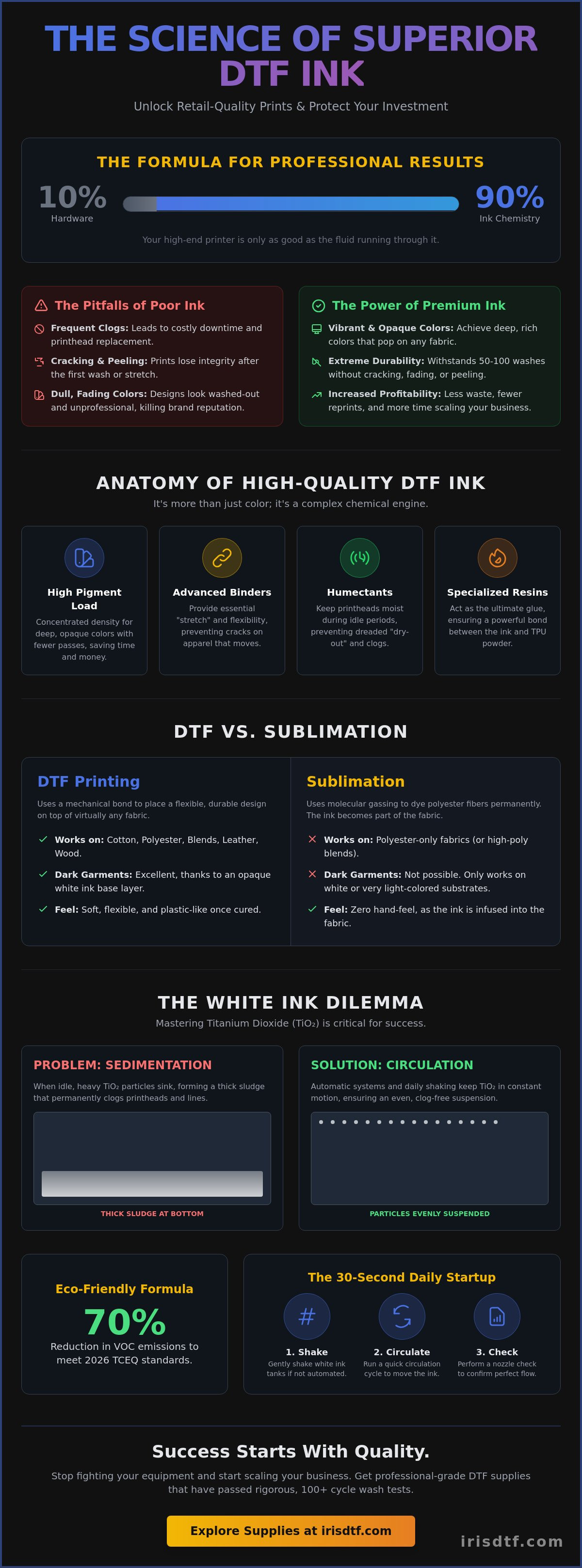
Your high-end printer is only as good as the fluid running through it. Professional-grade results are 10% hardware and 90% dtf ink chemistry combined with smart climate control. It's a simple fact. If you're fighting frequent printhead clogs or watching your vibrant colors turn dull after a single wash, you're not alone. Most shop owners struggle with ink cracking and compatibility confusion that eats into their margins and kills their momentum.
We know you need transfers that pop and apparel that lasts through 50 to 100 washes without fading. You want to spend your time scaling your business, not performing endless maintenance. This guide will help you master the science of dtf ink to achieve retail-quality results while protecting your equipment investment. We'll explore how water-based formulas reduce VOC emissions by 70% to meet 2026 TCEQ standards, the critical role of titanium dioxide in white ink opacity, and the exact steps to keep your production line moving fast.
Key Takeaways
- Understand the critical role of binders in water-based pigment chemistry to ensure your transfers remain flexible and vibrant.
- Master the management of titanium dioxide to achieve maximum white opacity while preventing costly printhead clogs.
- Learn how to match specific dtf ink viscosity to your printer’s hardware requirements, from desktop models to industrial i3200 systems.
- Discover the ideal temperature and humidity "Goldilocks Zone" to keep your production consistent regardless of North Texas weather shifts.
- Identify high-performance supplies that have passed rigorous wash tests to ensure your finished garments meet professional retail standards.
What is DTF Ink? Understanding the Textile Pigment Revolution
Think of dtf ink as the chemical engine of your apparel business. It isn't just liquid color. It is a highly specialized, water-based pigment ink engineered specifically for the PET film transfer process. While standard inkjet inks are designed to soak into paper, this ink is formulated to sit on a film surface just long enough to marry with a TPU adhesive powder. This unique relationship is what allows the design to eventually migrate from a temporary carrier to a permanent home on a garment. Understanding What is Direct-to-Film (DTF) Printing? starts with recognizing that this ink must remain wet on the film but become a flexible, plastic-like solid once cured.
The secret lies in the binders. These chemical agents hold the pigment particles in suspension while providing the essential "stretch" factor. Apparel moves, twists, and expands. If your ink is too rigid, the print cracks after the first wear. High-quality formulas ensure the finished transfer can handle 50 to 100 washes without losing its structural integrity. Standard inkjet or sublimation inks simply lack these elastic resins. They will either fail to bond with the adhesive powder or result in a brittle, dull print that peels away at the first sign of tension.
The Components of a High-Quality DTF Ink
Success in this industry is built on a high pigment load. A concentrated pigment density means you achieve deep, opaque colors with fewer passes, saving you time and money. Beyond color, humectants play a vital role. These chemicals keep your printhead moist during idle periods. They prevent the dreaded "dry-out" that leads to expensive clogs. Finally, specialized resins act as the ultimate glue. They ensure the dtf ink grabs the TPU powder with enough strength to survive the heat press and years of heavy use.
DTF Ink vs. Sublimation: Key Differences
Sublimation relies on molecular gassing. It only bonds with polyester fibers at high temperatures. This leaves cotton lovers in the dark. DTF technology changes the game by using mechanical bonding. It works on almost any fabric, including 100% cotton and dark blends. While sublimation is limited by the color of the substrate, DTF overcomes this with a robust white ink layer. This white base provides the necessary opacity to make colors pop on black hoodies or navy tees. It creates a vibrant canvas that sublimation simply cannot replicate on non-white garments.
The White Ink Dilemma: Opacity, Titanium Dioxide, and Circulation
White ink is the most critical variable in your production line. It is also the most difficult to master. High-quality dtf ink relies on Titanium Dioxide for its bright, opaque finish. This is a heavy mineral. It doesn't dissolve into the liquid; it stays suspended. When your printer sits idle for 24 hours, gravity takes over. The mineral particles sink to the bottom of your tanks and lines. This sedimentation creates a thick sludge that can permanently choke your printhead. You aren't just managing color; you're managing physics.
A solid white base layer is the secret to retail-quality apparel. CMYK pigments are naturally translucent. If you print them directly onto a black garment, the fabric color will bleed through. The white ink acts as a protective wall. It reflects light and ensures your colors remain vibrant and true to your digital design. Without this opaque foundation, your professional transfers will look like amateur DIY projects. The strength of this white wall determines the final impact of your brand.
Achieving the Perfect White Base
Finding the right viscosity is a balancing act. Your ink must be thick enough to provide total coverage but thin enough to pass through microscopic nozzles without resistance. If your white layer looks grey or translucent, your ink load is likely too low. This layer also dictates how well your TPU powder adheres. If the white ink dries too quickly before the powdering stage, the transfer will peel after one wash. Using premium dtf ink ensures your base stays receptive to the adhesive for a perfect bond. It’s the difference between a shirt that lasts and a shirt that fails.
Circulation Systems and Shaking Protocols
Manual shaking is a gamble. For professional shops in North Texas, automatic circulation systems are non-negotiable. These systems keep the Titanium Dioxide in constant motion within the tanks. They prevent the mineral from settling in the dampers or the lines. Your morning routine should take exactly 30 seconds. Gently shake your white ink tanks if they aren't automated. Run a quick circulation cycle. Perform a nozzle check to confirm flow. This small investment of time protects your printer and ensures every transfer is a winner. It keeps your hardware running and your customers coming back for more.
Choosing the Right DTF Ink for Your Printhead
"Universal" is a dangerous word in the printing world. In most cases, it's a marketing buzzword for "average." Your printhead is a precision instrument, not a generic engine. It has specific requirements for viscosity and surface tension. Using the wrong dtf ink is the fastest way to kill your production schedule and void your equipment warranty. Precision matters. Speed counts. You need a formula designed for your specific hardware to maintain a competitive edge.
Third-party inks offer a tempting price point, but they carry risks. Many low-cost options skip the rigorous filtration processes required for industrial heads. This leads to micro-clogs that a standard cleaning cycle won't fix. While OEM inks are the safe bet for warranty compliance, high-quality aftermarket supplies can provide better pigment density if they are matched correctly to your head's nozzle size. It's about finding the balance between cost-efficiency and hardware longevity.
Compatibility Guide for Common DTF Printers
Desktop conversions like the Epson L1800 or ET-8550 have microscopic nozzles. They require low-viscosity dtf ink to prevent immediate blockages. Industrial setups using i3200 or XP600 heads operate at much higher firing frequencies. These machines need ink that flows fast enough to prevent "ink starvation." This happens when the carriage moves across the film faster than the ink can refill the chambers. If you see horizontal banding at high speeds, your ink flow isn't keeping up with your ambition.
Color Profiles (ICC) and DTF Ink
Your ink choice dictates your color accuracy. You can't achieve professional branding for Dallas-area corporate clients using generic settings. Every brand of ink has a slightly different chemical makeup. This affects how the light reflects off the finished transfer. A custom ICC profile is essential. It tells your RIP software exactly how much ink to lay down for a perfect match. If you change your ink supplier, you must update your profiles. Don't guess on color. Use precise software limits to ensure your reds stay bold and your blacks stay deep. Consistency is what separates a hobbyist from a professional print shop.
Maintenance and Environment: Managing DTF Ink in North Texas
North Texas weather is a constant battle for print shops. Between the dry heat of Plano summers and the fluctuating humidity in Richardson, your dtf ink is under constant environmental stress. You need a stable climate to maintain professional output. If your shop temperature swings or your humidity drops, your ink chemistry changes. This leads to inconsistent curing and wasted film. Control your environment to control your profits.
Aim for the "Goldilocks Zone" of 70 to 80 degrees Fahrenheit and 40% to 60% humidity. When humidity falls below 40%, the ink starts "skinning" inside the nozzles. This creates micro-clogs that ruin your morning nozzle checks. In 2026, many local shops are switching to water-based formulas to meet Title 30 TAC Chapter 115 regulations. These inks reduce VOC emissions by 70%, but they are even more sensitive to dry Texas air. Don't let your investment evaporate into the AC system.
Shelf life is another critical factor. Don't fall into the trap of overbuying. While bulk discounts look great on paper, white ink has a limited lifespan due to its heavy mineral content. Storing ink for more than six months often leads to irreversible separation. Buy what you can use in a 90-day window. Fresh ink flows better, cures faster, and protects your hardware from unnecessary wear.
Managing Humidity in the DFW Metroplex
Place a digital hygrometer directly next to your printer. It is the most important tool in your shop. Texas air conditioners are designed to strip moisture from the air. This is great for your comfort but terrible for your dtf ink. During the summer, you may need a dedicated humidifier to keep levels above 40%. In the winter, heaters create the same dry-air problem. Consistent moisture ensures the ink stays fluid in the head and tacky on the film.
Advanced Troubleshooting for Ink Issues
- Banding vs. Clogging: Banding is usually a flow issue caused by air in the lines or ink starvation. Clogging is a physical blockage of the nozzle.
- Wet Capping: If you aren't printing for more than 48 hours, use a wet cap. Fill your capping station with specialized cleaning solution to keep the head submerged.
- System Flushing: Never use generic window cleaners. Use a pH-balanced flush designed for pigment inks to break down sediment without damaging the delicate internal membranes of the printhead.
Success requires the right tools and a controlled environment. If you are struggling with clogs or need high-performance supplies that handle the Texas heat, order your professional DTF supplies here to keep your production line moving.
Success Starts with Quality: Iris DTF Supplies
Owning the right printer is only half the battle. To win in the custom apparel market, you need a supply chain that never lets you down. Local Dallas brands trust Iris DTF because we don't just sell products; we sell reliability and performance. Our dtf ink is the result of years of testing and refinement. We understand that your business depends on transfers that pop and garments that last. That's why every batch we stock undergoes a rigorous quality control process at our Richardson facility before it ever reaches your shop.
We verify our supplies through real-world stress tests. We don't guess on durability. We confirm it. By conducting 50 to 100 cycle wash tests, we ensure our ink maintains its vibrant color and flexible bond. This commitment to quality means you spend less time troubleshooting and more time fulfilling orders. When you use premium supplies, you reduce the risk of the clogs and cracking discussed in previous sections. You gain the peace of mind that comes from professional-grade consistency.
Professional Grade Supplies for Growing Brands
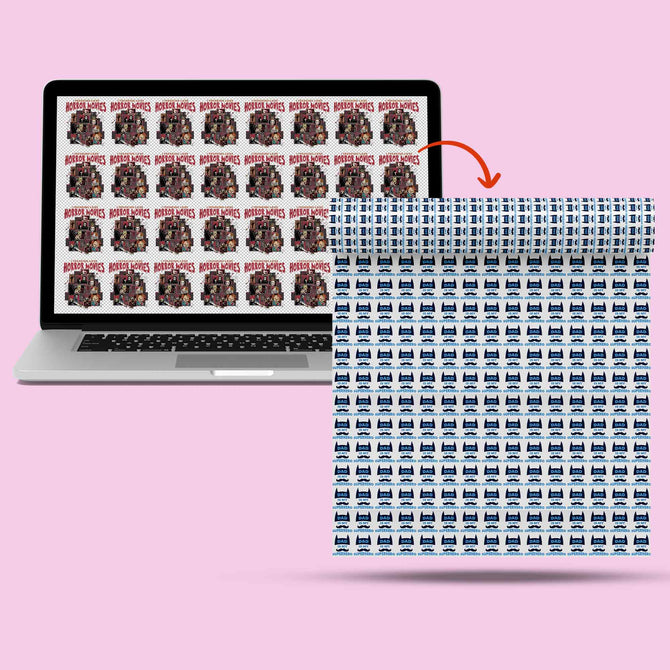
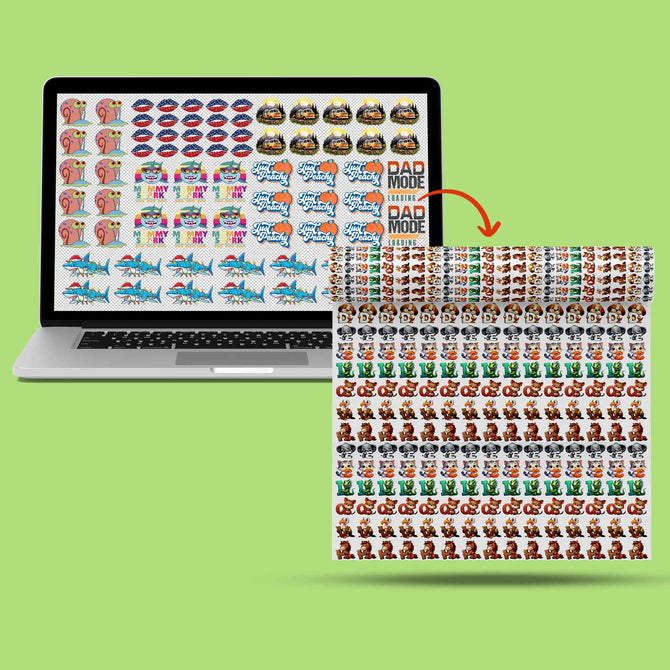
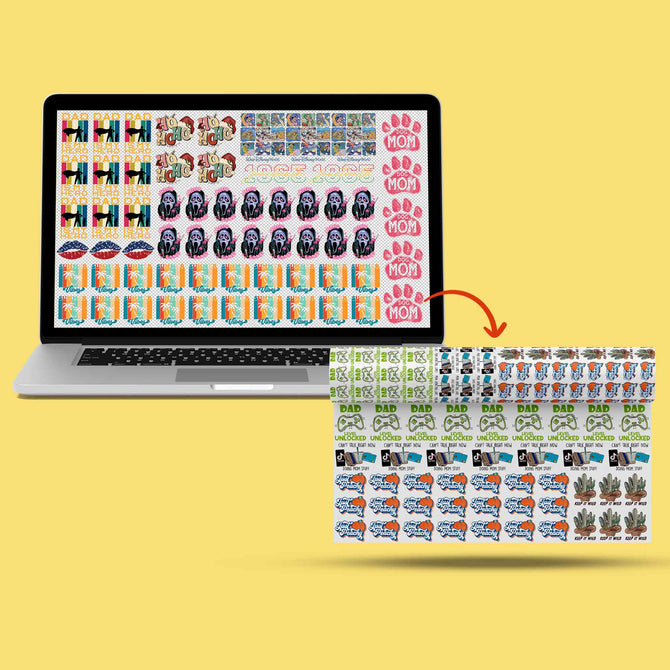
Scaling a print shop in Plano or Frisco requires high-volume solutions that don't compromise on detail. Our vibrant CMYK sets are engineered for maximum wash durability and color depth. We prioritize a high pigment load so you can achieve retail-quality results with fewer passes. Our ultra-opaque white dtf ink is specifically formulated to stay in suspension longer, which directly minimizes the sedimentation issues that plague lower-quality brands. Whether you're printing small custom tshirts or massive gang sheets, our supplies deliver the same high-impact finish every time.
The Iris DTF Advantage
Local support is your secret weapon in the DFW Metroplex. When the Texas humidity shifts and your settings need a tweak, you don't have to wait for an overseas email. Our team brings over 10 years of DTF experience to every conversation. We know the local climate and how it affects your production line. We also value your time. We offer same-day local pickup for our customers in Richardson, Garland, and Dallas. This eliminates shipping delays and keeps your machines running during peak seasons.
- Get expert technical support from a team that actually uses the equipment.
- Enjoy consistent ink batches that eliminate the need for monthly re-profiling.
- Streamline your entire workflow with perfectly compatible films, powders, and inks.
Don't let inferior supplies slow your momentum. Partner with a local leader that understands your needs and your hardware. Stock up on premium DTF supplies today and see the difference that professional-grade chemistry makes for your brand.
Elevate Your Print Production Today
Mastering the science of dtf ink is the fastest way to stabilize your shop and protect your hardware. You now understand how pigment load, environmental control, and correct viscosity work together to produce vibrant, wash-fast apparel. Consistency is the hallmark of a professional. By applying these standards, you move from troubleshooting problems to scaling your creative vision.
Iris DTF supports your journey with over 10 years of DTF expertise and a DFW-based facility for immediate local help. Our supplies are wash-tested for 50+ cycles to ensure your transfers survive the real world. We handle the technical details so you can focus on your customers. Shop Professional DTF Ink and Supplies to secure the high-performance tools your business deserves. Your next great project starts with the right foundation. Let's get to work.
Frequently Asked Questions
How long does DTF ink last on a t-shirt?
DTF prints typically last between 50 to 100 washes before you see any significant fading or wear. This impressive longevity depends on high-quality ink chemistry and a perfect heat press cure. If you follow professional laundry instructions, the transfer often outlasts the garment itself. It is currently the most durable digital transfer method available for modern apparel shops.
Can I use regular pigment ink for DTF printing?
You cannot use standard inkjet pigment ink for a professional DTF setup. While both are water-based, dtf ink contains specific resins and binders that allow it to grab onto TPU adhesive powder. Standard inks will simply soak into the film or fail to bond with the fabric. This leads to immediate peeling and ruined garments after the first wash.
How do I stop my white DTF ink from clogging?
Prevent white ink clogs by using a printer with an active circulation system and performing daily nozzle checks. Titanium dioxide is heavy and will settle in your lines within hours if left sitting. Gently shake your ink tanks every morning for 30 seconds to keep the minerals in suspension. Consistent movement is your best defense against expensive printhead damage.
What is the shelf life of opened DTF ink bottles?
Opened bottles of dtf ink should generally be used within three to six months for optimal performance. White ink has a shorter reliable lifespan because the heavy pigments eventually clump together and settle. CMYK colors are more stable but still degrade over time. Always store your bottles in a cool, dark place and check for separation before refilling your tanks.
Does DTF ink work on 100% polyester fabrics?
DTF technology works perfectly on 100% polyester, cotton, and all common fabric blends. Unlike sublimation, which requires a chemical reaction with polyester fibers, DTF uses a mechanical bond via adhesive powder. This versatility allows you to print on high-performance athletic gear and dark hoodies with the same high-quality results. It is a true multi-substrate solution for your business.
What temperature should I store my DTF ink at in Texas?
Store your supplies in a climate-controlled environment between 70 and 80 degrees Fahrenheit. Texas heat can cause chemical separation, while extreme cold can change the ink's viscosity and flow. Keep your bottles away from direct sunlight and floor-level AC vents. Maintaining a steady temperature ensures your ink remains ready for high-speed production without any unexpected chemistry shifts.
Do I need a special RIP software for my DTF ink?
You absolutely need specialized RIP software to manage the white ink layering and color profiles. Standard printer drivers cannot tell the machine to lay down a CMYK layer followed by a precise white underbase. Modern options like Dotdigital version 2026.2.1 provide the necessary control over ink limits and powder adhesion zones. This software acts as the brain of your entire printing operation.
Why is my DTF ink cracking after washing?
Cracking is usually caused by under-cured adhesive powder or using ink with poor elastic properties. If the TPU powder isn't fully melted into a smooth orange peel texture, the bond will be brittle. High-quality inks are designed to stretch with the fabric fibers. If your prints feel stiff or break when pulled, you should review your curing temperature and dwell time immediately.