What is a DTF Transfer? The Complete Guide to Direct-to-Film Printing in 2026

What Is This Article About?
Did you know that 70% of professional print shops now offer DTF as a standard service? It's the fastest-growing technology in the industry for a reason. If you've felt the sting of expensive screen printing setups for small orders or spent late nights weeding intricate vinyl, you're not alone. You're likely asking, what is a dtf transfer and why is everyone switching? You want vibrant, retail-ready apparel without the massive overhead or the constant maintenance of a DTG machine. You need a solution that keeps up with your ambition.
This guide breaks down the mechanics of direct-to-film printing and why it's the ultimate tool for scaling your apparel brand in 2026. These transfers offer the durability of screen printing with the simple ease of a 15-second heat press application. Vibrant colors. Retail quality. Zero hassle. It's about working smarter, not harder. We'll explore how the technology works, why it outperforms older methods, and how you can use it to slash production times. You're about to discover how to produce high-quality garments that look and feel professional every single time.
Key Takeaways
- Understand exactly what is a dtf transfer and how this digital process delivers retail-ready results without the need for complex pre-treatment.
- Eliminate the frustration of weeding and unlock the ability to produce incredibly intricate, multi-color designs that traditional vinyl cannot handle.
- Compare DTF against screen printing and DTG to see why it's the most cost-effective solution for small-to-medium runs and high-detail artwork.
- Learn how to apply professional-grade graphics to almost any fabric, including cotton, polyester, and performance blends, using a standard heat press.
- Maximize your profit margins by utilizing gang sheets to print multiple designs simultaneously, slashing your production time and material waste.
What is a DTF Transfer? Defining the Technology
A DTF transfer is a heat-applied digital print that bonds to nearly any fabric. It represents a massive shift in how apparel is made. For years, decorators had to choose between the high setup costs of screen printing or the labor-intensive process of cutting and weeding vinyl. Those days are over. Direct-to-Film (DTF) is a digital printing process using specialized ink on PET film. It allows you to produce full-color, high-resolution graphics that feel soft and last for dozens of washes. If you're wondering exactly what is a dtf transfer, think of it as the ultimate bridge between digital design and physical garments. It’s a versatile tool that handles complex artwork without breaking a sweat.
The technical process is straightforward but precise. Using specialized inkjet printers, designs are mirrored onto a thin, translucent film. Unlike traditional methods, Direct-to-film (DTF) printing utilizes a unique combination of water-based inks and a hot-melt adhesive powder. This powder is applied to the wet ink, then cured with heat. This creates a durable, flexible transfer. The process involves a printer, specialized adhesive powder, and a heat source to finalize the bond. Because the adhesive only sticks to the ink, there is no weeding required. This allows for incredibly intricate designs, including floating text and fine lines that would be impossible with vinyl. It’s efficient. It’s fast. It’s professional.
The 'Direct-to-Film' Meaning Explained
The name tells the story. "Direct" means the image is printed straight onto a translucent film carrier. There are no intermediate steps or screens to burn. "To-Film" identifies the PET film as the temporary medium that holds the ink until you're ready to apply heat. This creates a ready-to-press transfer that can be stored for months. You can print your designs today and press them onto shirts as orders come in. This flexibility is a game-changer for inventory management. It’s about total control over your production schedule.
Why the Industry is Switching to DTF in 2026
In 2026, the shift toward DTF has reached a tipping point. With 70% of professional print shops now offering this service, the benefits are undeniable. One major driver is unmatched color accuracy. Modern DTF setups use advanced printheads like the Epson i3200 to produce vibrant gradients and photographic details that screen printing can't match. There is also a remarkably low barrier to entry for Richardson and Dallas startups. You don't need a massive warehouse or a six-figure budget to get started. The ability to print high-detail photos and complex gradients effortlessly means you can say yes to every customer request. Whether it's a single custom t-shirt or a bulk order of 500, the quality remains consistent. It’s the most scalable solution available today.
The Anatomy of a High-Quality DTF Transfer
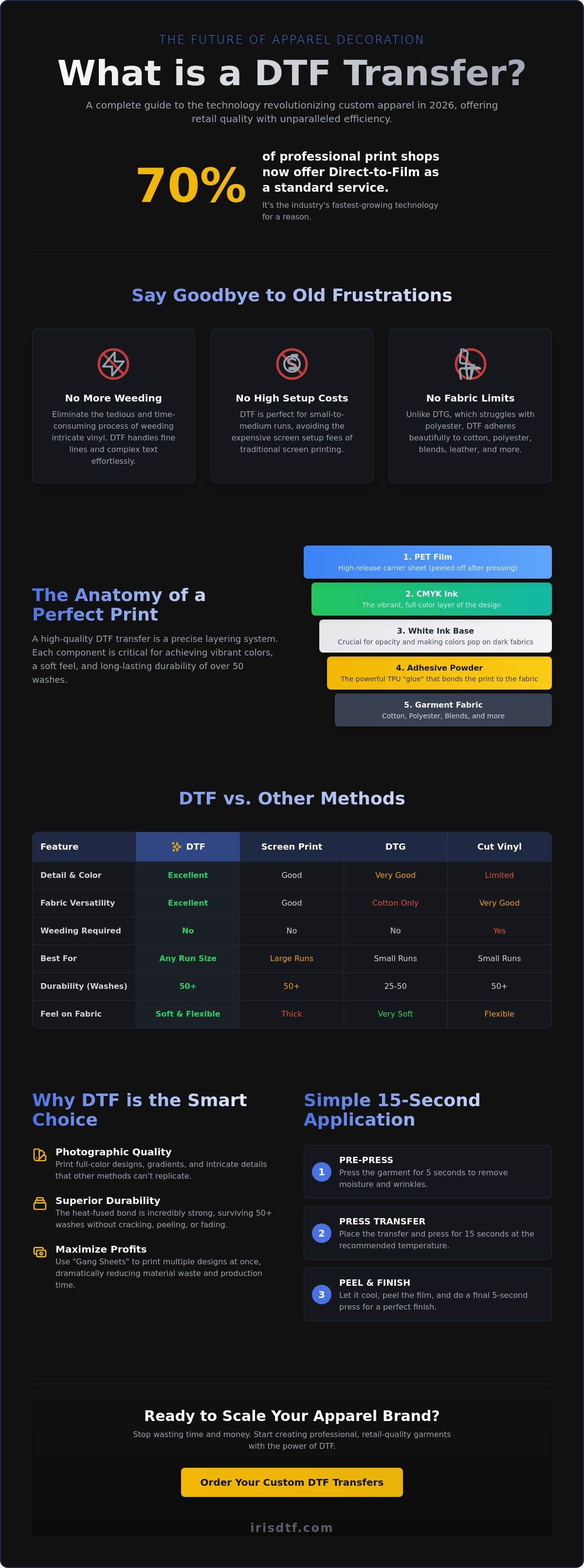
Excellence in apparel decoration isn't an accident. It's chemistry. To truly understand what is a dtf transfer, you have to look at the four critical components that create a professional result: Film, Ink, Powder, and Heat. When these four elements work in perfect sync, you get a print that looks better and lasts longer than traditional alternatives. It's a precise layering system designed for maximum durability. If one component is low-grade, the entire garment fails. We don't settle for "good enough" because your brand depends on reliability.
The foundation is the PET Film. This isn't standard plastic. It's a high-release carrier treated with a specialized coating. This coating ensures that when you apply heat, the ink leaves the film completely and bonds to the fabric. Next is the ink. DTF uses a CMYK base for vibrant colors, topped with a thick layer of white ink. This digital foundation is essential for printing on dark garments. Finally, there is the TPU adhesive powder. This is the "glue" that ensures your design survives 50 or more washes without cracking or peeling. Heat acts as the catalyst, melting the powder and fusing the ink into the fibers of the shirt. This comparison between printing technologies highlights how this specific material bond offers superior flexibility compared to older methods.
The Role of White Ink Circulation
White ink is the backbone of every high-quality transfer. It provides the opacity needed for designs to pop on black hoodies and dark tees. Professional-grade transfers use high-density white ink to create a soft but solid feel. This prevents any "show-through" from the garment color underneath. Without a strong white base, your bright yellows and pinks would look muddy on a navy shirt. It’s the difference between a retail-ready product and a cheap imitation.
Hot Peel vs. Cold Peel Films
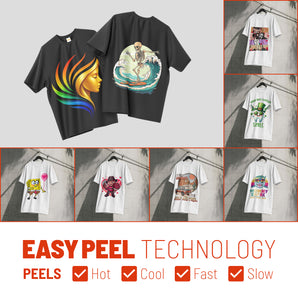
The type of film you use dictates your production speed. Hot Peel film allows for the immediate removal of the carrier sheet while the garment is still on the press. This is built for speed and high-volume shops. Cold Peel film requires the garment to cool completely before removal. While it takes longer, it often provides a more matte, high-end finish. At Iris DTF, we utilize premium films to ensure maximum production efficiency for every order. If you want to see this quality in action, consider ordering custom DTF transfers that utilize these exact professional-grade components.
Consistency is everything. High-quality TPU powder remains flexible after it cures. This means the design stretches with the fabric instead of snapping. It’s why DTF has become the preferred choice for performance wear and activewear. You get a soft hand-feel that rivals water-based screen printing but with the detail of a digital photograph. It’s a win for the printer and a win for the customer.
DTF vs. Screen Printing vs. DTG: A Comparison
Choosing a printing method used to be a series of trade-offs. Screen printing is the undisputed titan for massive bulk orders. It's fast and durable, but the high setup fees and strict color limits are major roadblocks for modern, agile brands. If you're only printing twenty shirts, screen printing just doesn't make financial sense. Then there's Direct-to-Garment (DTG). It offers incredible detail and photographic quality, but it chains you to high-cotton blends and requires messy, time-consuming pretreatments. Now that you understand what is a dtf transfer, you can see how it systematically dismantles these limitations.
DTF provides the all-fabric versatility that screen printing lacks while maintaining the industrial durability professionals demand. It combines the best of both worlds. You get the high-resolution, full-color capabilities of digital printing without the fabric restrictions of DTG. Whether you're working with 100% cotton, stubborn polyester, or complex nylon blends, DTF bonds perfectly every time. There is no pretreatment required. There are no screens to burn. It’s a streamlined process built for the speed of 2026.
Durability and Washability Standards
Quality matters more than ever. DTF transfers are engineered to withstand 50 to 100 laundry cycles without cracking or fading. This industrial-grade resilience makes them a top choice for brands that prioritize longevity. The stretchability of DTF is another massive advantage. It moves with the fabric, making it ideal for performance wear, spandex, and activewear. You also get a superior "hand-feel" that is remarkably soft to the touch. Unlike thick vinyl, a DTF print actually softens further after the first wash, blending into the garment for a premium, retail look.
Cost and Production Speed in Dallas-Fort Worth
Efficiency is the lifeblood of your business. Because there is no screen setup involved, we can offer much faster turnarounds for Plano and Frisco businesses. You aren't waiting days for screens to dry or colors to be mixed. This leads to a significantly lower cost per print for small to medium-sized orders. It’s the perfect solution for "on-demand" printing. You can test new designs without the risk of sitting on thousands of dollars in unsold inventory. For shops in the Dallas-Fort Worth area, this means you can go from a digital file to a finished, high-quality garment in a fraction of the time. It’s about keeping your brand moving at the pace of your customers.
- Screen Printing: Best for 500+ pieces with limited colors; expensive setup.
- DTG: Best for high-cotton items; requires pretreatment; slower production.
- DTF: Best for any fabric; no pretreatment; high durability; cost-effective for any run size.
Where Can You Use DTF Transfers?
Versatility is the defining superpower of this technology. While older methods limit you to specific fabric types or flat surfaces, DTF breaks those barriers wide open. Cotton remains the classic choice for t-shirts and heavy hoodies. The ink bonds deeply with the fibers, creating a finish that feels like part of the garment. But the real magic happens when you move beyond basics. Polyester and synthetic blends, once the nightmare of the printing world, are now easy targets. Whether it's moisture-wicking gear or high-stretch leggings, these transfers hold firm without cracking. You aren't just printing shirts; you're building a full-scale apparel line. It starts with understanding what is a dtf transfer and ends with applying it to almost anything you can imagine.
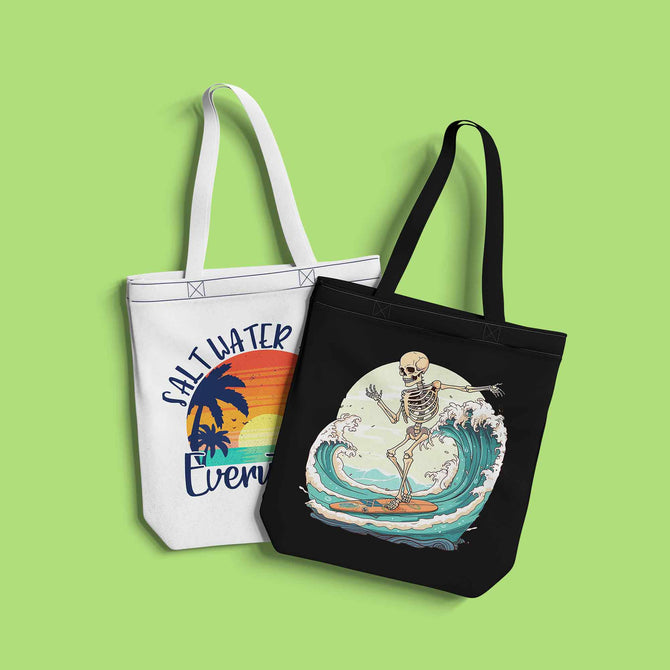
Heavy-duty materials like denim and canvas also benefit from this process. Custom denim jackets and rugged tote bags are high-margin items that demand durable graphics. DTF delivers. The adhesive powder creates a mechanical bond that stands up to the rough texture of canvas. Beyond soft goods, specialized UV DTF stickers allow you to brand hard surfaces like tumblers, laptops, and water bottles with the same vibrant quality. This expands your product catalog instantly. You can offer a complete branding package to your clients without investing in five different types of machinery.
Performance Wear and Activewear
DTF is the preferred choice for Irving and Garland sports teams for one reason: reliability. High-performance polyester is notorious for dye migration, where the garment color bleeds through the print. DTF solves this. The low-temperature application and specialized white base prevent bleed through entirely. High elasticity ensures the print moves with the fabric. It stretches. It recovers. It won't snap when an athlete is in motion. This makes it the gold standard for jerseys, compression gear, and sideline apparel. If you're ready to upgrade your production, buy custom DTF transfers designed for high-performance use.
Unique Applications: Hats, Bags, and More
Stop limiting your designs to the center of a chest. Use these transfers on unconventional areas like sleeves, collars, and even pockets. These small, high-value placements are exactly what retail customers look for. Using a hat press, you can brand headwear with professional precision, hitting the curved surfaces of trucker hats or beanies with ease. This technology works perfectly on premium blank apparel from brands like Shaka Wear or Comfort Colors. You get the heavy-weight feel of a high-end garment paired with a print that matches its quality. It’s about total creative freedom. If you can fit it under a heat press, you can brand it.
How to Order and Apply Custom Transfers with Iris DTF
You don't need to invest in a twenty-thousand-dollar industrial printer to scale your apparel brand. Most guides focus on selling you expensive hardware. We focus on delivering your results. Now that you understand what is a dtf transfer and why it beats traditional methods, the final step is getting those graphics onto your garments. Our process is built for speed and precision. We take the technical burden off your shoulders so you can focus on design and sales. It is a streamlined path to retail-ready apparel that starts at our local facility and ends at your heat press.
Getting started is a simple, four-step journey. First, upload your artwork or create a gang sheet to get the most out of your budget. Second, our team handles the professional printing at our Richardson facility. We bring over 10 years of expertise to every single order, ensuring the ink density and powder application are perfect. Third, you can choose local pickup in the Dallas metroplex or opt for fast shipping straight to your door. Finally, you apply the transfer. Set your heat press between 300°F and 320°F. Press for 15 seconds with medium-to-firm pressure. It is a one-step action that transforms a blank shirt into a high-end product.
The Advantage of DTF Gang Sheets
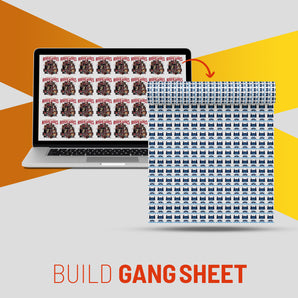
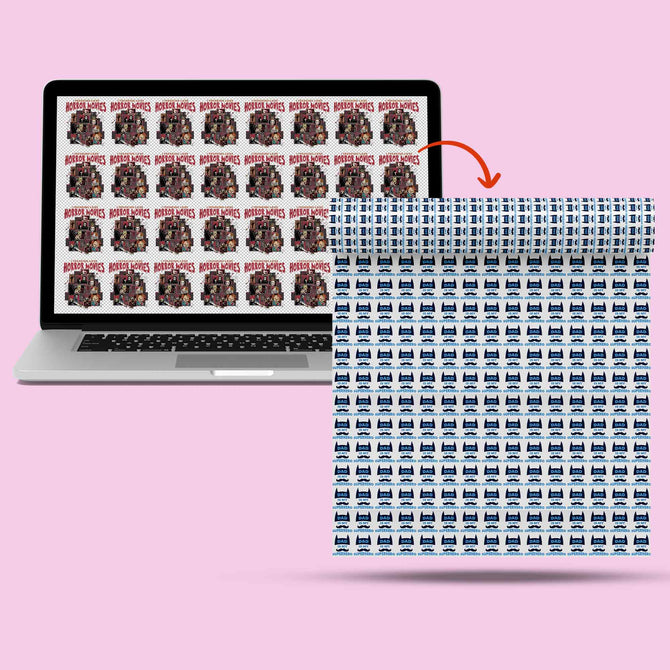
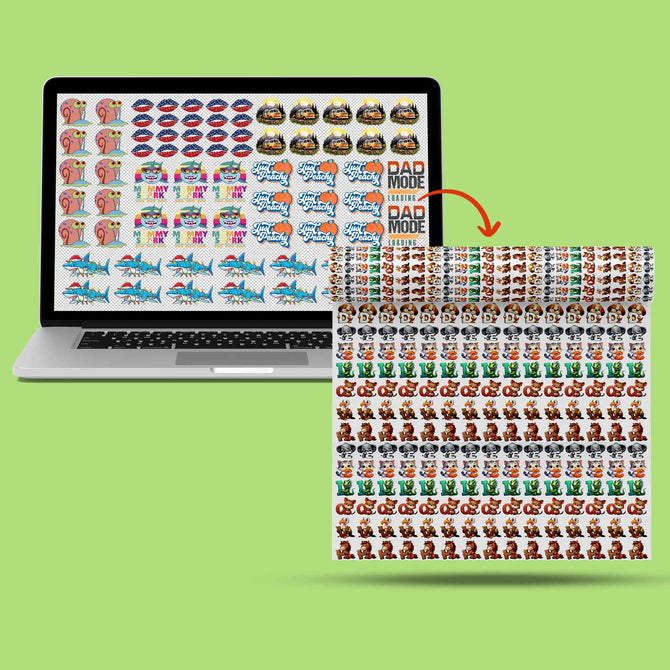
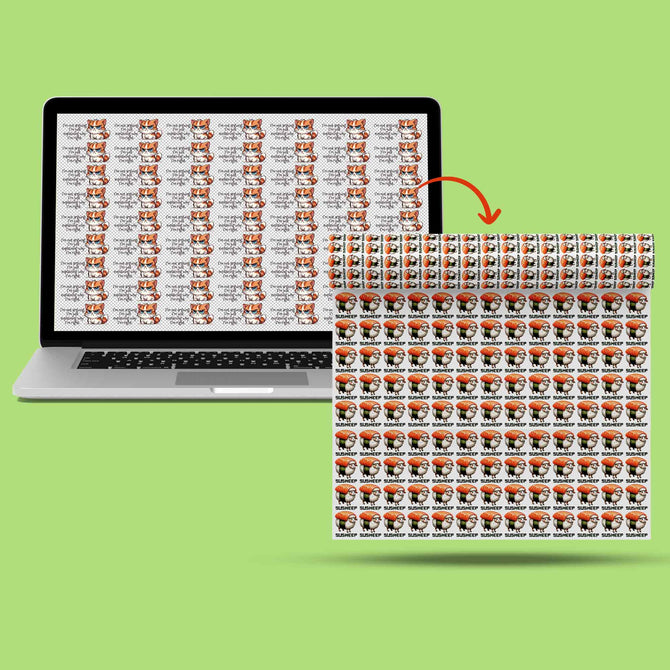
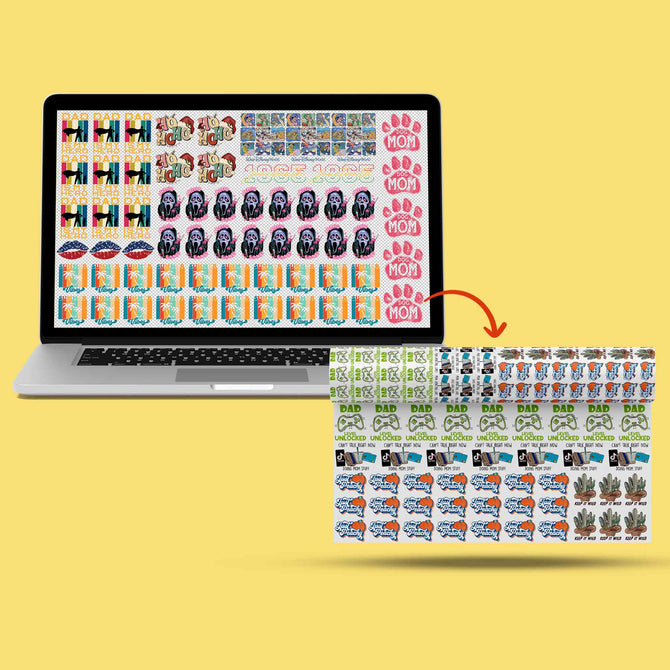
Smart brands maximize their budget by fitting multiple designs onto a single roll. This is the ultimate way to handle small logo hits, neck labels, and large back prints all at once. You aren't paying for empty space. These sheets are incredibly easy to cut and store for future orders. They stay fresh for months, allowing you to press on-demand as your customers buy. It’s about total efficiency and zero waste. You can explore our DTF Gang Sheets page to see how bulk savings can transform your profit margins.
Local Service for North Texas Brands
Richardson and Plano brands trust Iris DTF because we understand the local market. We know you have deadlines to meet and customers waiting. By choosing a local partner, you avoid the long shipping wait and the risk of damaged goods in transit. Our DFW pickup options mean you can have your transfers in hand faster than anywhere else. We act as your behind-the-scenes engine, providing the high-capacity power you need with the personal touch of a local shop. Stop waiting on overseas shipping and start producing. Order your custom DTF transfers today and start creating!
Consistency is the hallmark of a professional brand. When you use our transfers, you get the same vibrant colors and durable bond on every garment. Whether you are pressing your first shirt or your ten-thousandth, the quality never wavers. We’ve refined the chemistry so you don’t have to. You get the durability of screen printing with the ease of a digital workflow. It’s time to grow your business with a partner that values your time as much as you do.
Scale Your Brand with Professional DTF Printing
The apparel industry is moving faster than ever. You need a printing method that keeps pace without sacrificing quality or durability. DTF transfers are that solution. They provide the industrial strength of screen printing with the photographic detail of a digital workflow. Whether you are working with cotton hoodies, polyester jerseys, or heavy-duty canvas bags, these transfers deliver retail-ready results every time. You get vibrant colors. You get extreme flexibility. Most importantly, you get a product that survives the wash and keeps your customers coming back for more.
Understanding what is a dtf transfer is the first step toward scaling your creative business. The next step is choosing a partner that can handle your growth. Based in Richardson, Texas, Iris DTF brings 10+ years of industry expertise to your project. We specialize in high-capacity production designed to meet the most demanding commercial needs. Our team is focused on modern, innovative solutions that remove the technical intimidation from your workflow. We are ready to act as your essential, behind-the-scenes engine for success.
Ready to elevate your brand? Order Custom DTF Transfers from Iris DTF today!
Take control of your production schedule and start creating garments that stand out. Your vision deserves the best technology available. Let's get to work.
Frequently Asked Questions
Is a DTF transfer the same as a heat transfer?
Yes, it is a type of heat transfer but uses a much more advanced digital process. Unlike traditional screen-printed transfers or vinyl, it utilizes water-based inks and a specialized adhesive powder. This results in a thinner, more flexible finish that works on virtually any fabric type. It represents the modern evolution of heat-applied graphics for professional apparel brands.
Can I apply DTF transfers with a home iron?
We do not recommend using a home iron for professional results. A standard iron cannot provide the consistent, high pressure and even heat distribution required to properly melt the TPU adhesive powder. For a retail-ready bond that won't peel, you need a professional heat press. This ensures the graphic fully fuses with the garment fibers for maximum durability.
Do DTF transfers feel like plastic on the shirt?
No, high-quality DTF transfers have a soft, flexible hand-feel that rivals screen printing. While they might feel slightly more structured than the fabric when first pressed, they soften significantly after the first wash. The ink is designed to stretch and move with the garment. This prevents the heavy, plastic-like sensation often associated with thick heat-transfer vinyl.
What is the best temperature and time for pressing DTF?
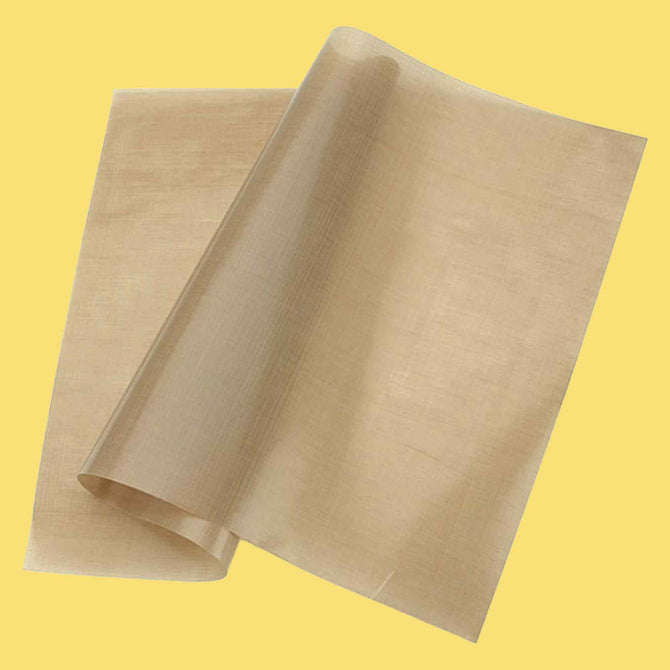
The standard industry recommendation is to press at 300°F to 320°F for 15 seconds. Use medium-to-firm pressure to ensure the adhesive penetrates the fabric fibers. We also suggest a second finishing press for 5 to 10 seconds with a protective sheet. This extra step locks in the design and gives the print a more professional, integrated appearance on the garment.
How long do DTF transfers last in the wash?
Professional DTF transfers are engineered to last for 50 to 100 laundry cycles when applied correctly. They are highly resistant to cracking and fading over time. To maximize the lifespan of your apparel, we recommend washing garments inside out in cold water. This protects the print surface and maintains the vibrant color accuracy for the life of the shirt.
Do I need special software to create a DTF gang sheet?
You don't need expensive industry software to set up your files. Most designers use standard tools like Adobe Illustrator, Photoshop, or even free alternatives like Canva. The key is ensuring your artwork is high-resolution at 300 DPI and has a transparent background. Once your designs are ready, you can simply arrange them on a single artboard to maximize your printing space.
What is the difference between DTF and UV DTF?
The main difference lies in the application surface. Standard DTF is designed for porous materials like cotton and polyester apparel. UV DTF is a specialized sticker technology for hard, non-porous surfaces like tumblers and laptops. While both are digital processes, UV DTF uses ultraviolet-cured inks that don't require a heat press for application. Both are essential tools for a complete branding package.
Why is my DTF transfer peeling after the first wash?
Peeling is almost always caused by improper heat, pressure, or cooling. If you are asking what is a dtf transfer failure, it usually boils down to the adhesive not fully melting into the fibers. Ensure your heat press is calibrated correctly and that you are using firm pressure. Also, verify if your film is hot-peel or cold-peel to avoid damaging the bond during removal.