Best DTF Printing Shirts: 2026 Professional Guide

What Is This Article About?
A high-quality DTF transfer is only as good as the surface it bonds to. Choosing the wrong blank is the fastest way to flush your profit margin down the drain. You have likely felt the frustration of transfers peeling off polyester blends or watching vibrant whites turn grey due to dye migration. It is a waste of time, ink, and money that no growing brand can afford. Finding the best shirts for dtf printing should not be a guessing game of trial and error.
We understand that you need a reliable "house" shirt that delivers retail-quality finishes without the headache. You want prints that stay locked on through dozens of washes and colors that pop against any fabric. This 2026 guide cuts through the noise to identify the top-rated blanks for maximum adhesion and long-lasting durability. We will explore the specific GSM weights that work best and the industry favorites that consistently outperform the rest. From heavyweight streetwear staples to premium soft-style cotton, you will discover exactly how to reduce production waste and scale your clothing brand with confidence.
Key Takeaways
- Master the science of adhesion by choosing 100% ring-spun cotton for the smoothest possible print surface and maximum durability.
- Identify the best shirts for dtf printing from industry leaders like Bella+Canvas and Gildan to match your brand's specific price point and quality needs.
- Navigate the critical differences between lightweight and midweight fabrics to ensure your transfers remain stable and flat during the heat press process.
- Learn how to prevent common production failures like dye migration and peeling by matching fabric composition with the right heat and pressure settings.
- Boost your profit margins and speed up production by sourcing premium blanks locally in Richardson to eliminate high shipping costs.
Why Your Choice of Blank Apparel Determines DTF Durability
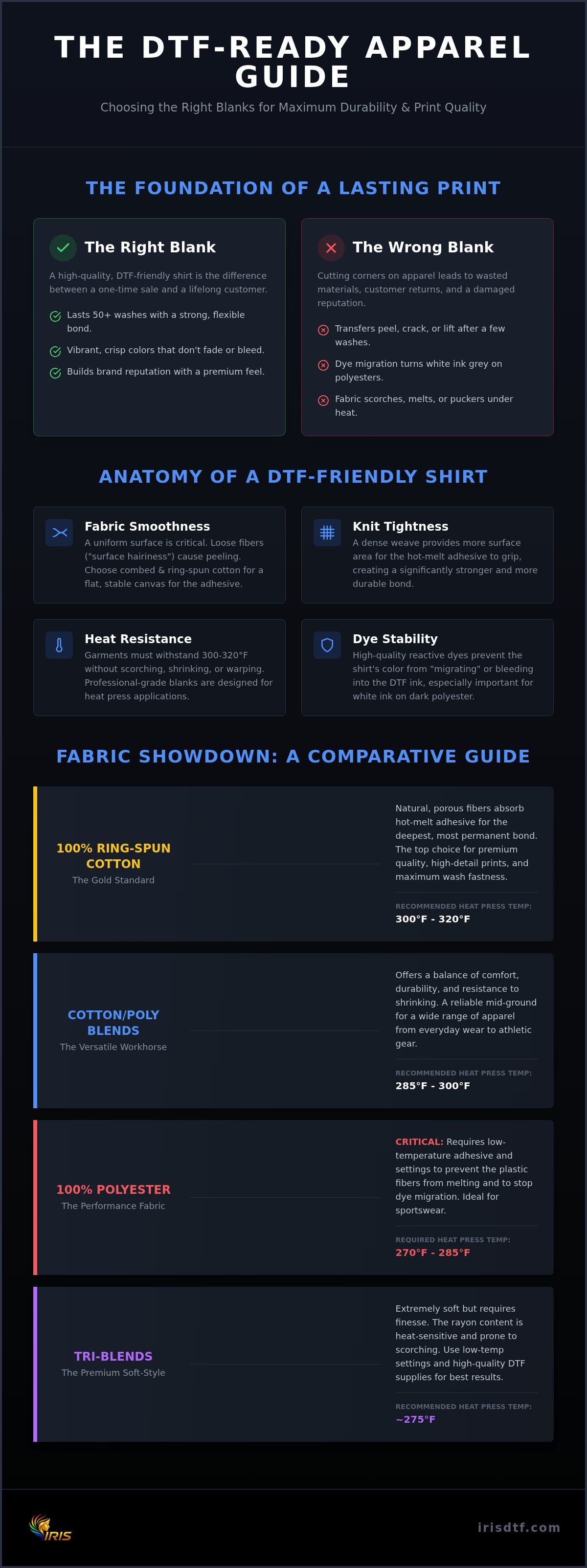
Direct to Film printing is a chemical bond. It is not just about laying ink on a surface. The process relies on a hot-melt adhesive powder that must liquefy and anchor itself into the fabric fibers. If those fibers are loose, rough, or inconsistent, the bond will fail. The best shirts for dtf printing provide a stable, flat canvas that ensures the adhesive bites deep and stays there. High-quality construction is the difference between a shirt that lasts for 50 washes and one that peels after two.
Smoothness is the key to professional results. Low-quality blanks often have "surface hairiness," which consists of tiny, loose fibers. These fibers act like levers. When the shirt pills, those fibers lift up and take your transfer with them. Premium blanks often use enzyme washes to strip away these micro-fibers. This creates a uniform surface for a crisper, more detailed print that won't lift over time. It is a simple equation: smoother fabric equals a more uniform bond.
Heat resistance is non-negotiable. Standard DTF applications require temperatures between 300°F and 320°F. Low-grade fabrics can scorch, melt, or shrink unevenly under this intense heat. A professional-grade blank is designed to withstand these temperatures without losing its shape or compromising the integrity of the knit. This ensures the garment looks as good after the press as it did before. You don't want to explain to a customer why their new shirt looks warped after the first wear.
What Makes a Shirt 'DTF-Friendly'?
Knit tightness is your primary metric. Denser weaves offer more surface area for the adhesive to grab. It is like the difference between building on solid ground versus loose sand. Moisture content is another critical factor. Every garment holds ambient humidity. If you skip the pre-press, that moisture turns into steam under the heat. This causes bubbles and weak spots in the transfer. Dye stability is equally vital. High-quality reactive dyes prevent "migration," ensuring the shirt's color doesn't bleed into your white ink and ruin your design.
The Cost of Choosing Cheap Blanks
Cutting corners on apparel costs usually leads to customer returns. Cheap fabrics often lack the structural integrity to handle heavy DTF designs, leading to "puckering" where the fabric bunches around the print. They also suffer from poor wash-fastness, meaning your hard work literally washes away. Your reputation depends on the physical product your customer holds. Premium blank apparel quality acts as the foundation for your brand’s reputation. Investing in the right base layer is the most efficient way to scale your business without the constant drain of production waste.
Fabric Breakdown: Cotton, Polyester, and the Blends in Between
Fabric choice is the foundation of your production workflow. It dictates your heat settings, your pressure, and your final wash-fastness. The best shirts for dtf printing balance wearer comfort with chemical compatibility. You can't treat a performance jersey like a heavy cotton tee. Understanding how fibers react to heat and adhesive is the only way to guarantee a retail-grade product.
The 100% Cotton Advantage
100% Ring-spun cotton is the industry gold standard for a reason. It's natural. It's porous. It's stable. These fibers absorb the hot-melt adhesive more deeply than synthetic materials, creating a permanent bond that survives the laundry. Combed and ring-spun variants provide the smoothest possible "print bed," which is essential for high-detail custom dtf transfers. When the fabric surface is smooth, your artwork stays crisp and vibrant without the texture of the weave showing through.
Cotton/poly blends, such as 50/50 or 60/40 mixes, offer a versatile middle ground. They're durable and resist shrinking better than pure cotton. However, tri-blends require more finesse. The rayon content in tri-blends is heat-sensitive and prone to scorching. If you're moving into these premium fabrics, sourcing high-quality DTF supplies with lower melting points is a critical first step to avoid ruined stock.
Printing on Synthetics and Blends
100% polyester is essentially plastic. It melts under standard cotton heat settings. To succeed here, you must use a low-temp adhesive powder. This allows you to press at 270°F to 285°F, staying below the threshold where the fabric shines or scorches. This lower temperature range also prevents "dye migration," a common nightmare where the shirt's pigment bleeds into your white ink. This is especially prevalent with red, maroon, or neon performance wear.
Hoodies and fleece present a different structural challenge. The high "pile" or fuzziness of the fabric can interfere with a clean bond. Always pre-press for at least 10 to 15 seconds. This flattens the fibers and removes trapped moisture that causes bubbling. Increase your pressure slightly to ensure the transfer bites through the thickness of the material. Consistency is everything in this game. Get the fabric right, and the rest of the process falls into place.
Top 5 Best Shirt Brands for DTF Transfers in 2026
Selecting the right brand is a strategic business decision. You need a blank that matches your design complexity and your customer's expectations. In 2026, the market has split into distinct niches. Some brands crave ultra-soft retail styles, while others demand the boxy, rugged feel of modern streetwear. These five brands represent the best shirts for dtf printing across every price point and aesthetic category.
- Bella+Canvas 3001: The industry favorite for soft-feel retail fashion. It utilizes 100% Airlume combed cotton for an exceptionally smooth surface.
- Gildan 5000/64000: The reliable workhorse for high-volume promotional events. These are cost-effective, durable, and easy to source in bulk.
- Comfort Colors 1717: The king of the vintage look. Its garment-dyed process provides a unique, lived-in aesthetic that premium brands love.
- Shaka Wear Max Heavyweight: The top choice for high-end streetwear. It offers a dense, 7.5 oz canvas that handles large transfers with ease.
- Next Level 3600: A high-quality alternative to Bella+Canvas. It provides a consistent fit and excellent color retention for long-term wear.
Streetwear Excellence with Shaka Wear
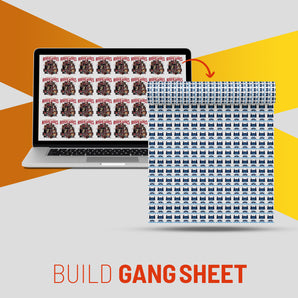
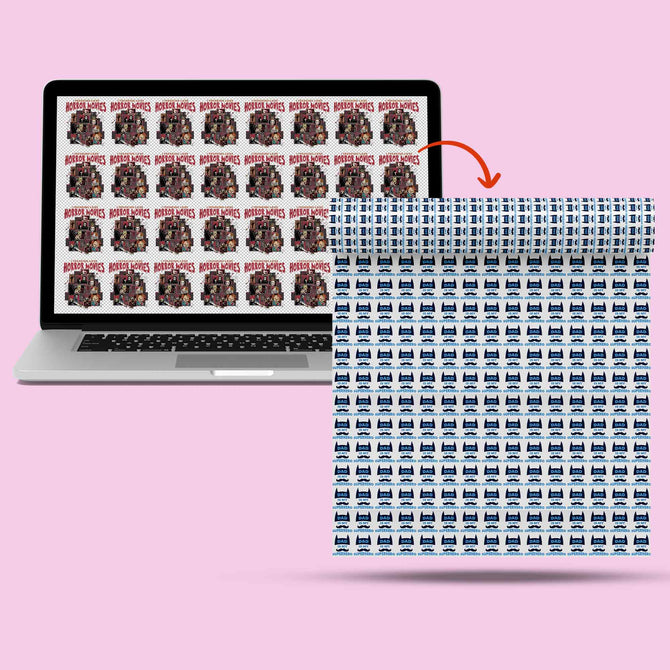
Modern streetwear brands in 2026 demand substance and structure. Shaka Wear Max Heavyweight delivers this with a massive 7.5 oz cotton density. This thick fabric provides a rigid, premium canvas that is perfect for applying large, complex dtf gang sheets. The dense knit prevents the transfer from stretching or cracking during heavy use. It holds its shape wash after wash, ensuring your artwork stays centered and intact. Shaka Wear is the preferred choice for Richardson-based streetwear startups because it provides the heavy, boxy silhouette that customers currently demand.
Retail Softness with Bella+Canvas and Next Level
Construction details are critical if your brand targets the retail fashion market. Bella+Canvas and Next Level use side-seamed construction rather than tubular fits. This keeps the shirt from twisting in the wash and ensures your design placement remains perfect. These brands prioritize 30/1 singles yarn count. This is much finer than the 20/1 singles used in budget blanks. A higher singles count creates a tighter, smoother weave that acts as a superior print bed. This smooth surface allows the DTF adhesive to bond uniformly. You get a vibrant finish with a soft hand-feel that won't irritate the skin. Consistency in sizing and color across every order means fewer production surprises and higher customer satisfaction.
Weight Matters: Choosing Between Lightweight and Heavyweight
Fabric weight is a structural decision. It dictates how the garment moves. A common mistake is pairing a thick, solid-fill transfer with a flimsy 3.0 oz tee. The result is a stiff, plastic-feeling chest piece that sags and pulls. Choosing the best shirts for dtf printing requires matching your artwork's density to the fabric's GSM. You need balance to ensure the final piece feels like a high-end retail product rather than a cheap promotional giveaway.
Lightweight options (3.0 to 4.5 oz) are excellent for athletic wear and high-heat summer collections. They offer breathability but require minimalist designs to avoid distortion. Midweight blanks (5.0 to 6.0 oz) remain the commercial standard for band merchandise and corporate apparel. They provide a predictable, stable surface. However, the heavyweight category (6.5 to 9.0 oz) is where the industry is seeing the most growth. These luxury weights offer a structured silhouette that doesn't collapse under the weight of a complex gang sheet.
Matching Design Size to Fabric Weight
Physics dictates your success. Large, solid-fill designs work best on mid-to-heavyweight fabrics. The thicker material supports the transfer, preventing the fabric from puckering or distorting around the edges. If you're printing small chest logos or pocket prints, lightweight blanks are safe. Proper weight selection prevents the dreaded "bacon neck." It ensures the collar stays flat even after the heat press tension is released. The best shirts for dtf printing always account for the drape of the finished garment.
The 2026 Trend: The Return of the Heavy Tee
Dallas-area brands are leading a massive shift back to the heavy tee. We see Richardson startups moving toward 6.5 oz and 7.5 oz blanks for every drop. It's a play for perceived value. Customers associate physical weight with premium quality. A heavier shirt feels substantial. It justifies a higher retail price point. Durability is the other side of the coin. These shirts maintain their boxy shape after 50 or more wash cycles. Lighter alternatives often stretch and warp under the same conditions.
Ready to scale your production? Explore our curated selection of blank apparel specifically tested for DTF durability.
Sourcing and Pressing Your DTF Shirts in Richardson and Dallas
Logistics can make or break your profit margins. Waiting for blank apparel to ship from across the country delays your launch and adds unnecessary costs. Local sourcing in Richardson, TX eliminates these bottlenecks. When you pick up your blanks and transfers in person, you keep your momentum high and your overhead low. This proximity allows Plano and Garland businesses to move from design to finished product in a fraction of the time required by national competitors.
Iris DTF acts as more than just a vendor. We are your local production partner. We have already done the heavy lifting by testing the best shirts for dtf printing on our own commercial equipment. You don't have to guess which fabric will scorch or which weave will cause a transfer to peel. We provide the curated blanks and the high-durability transfers in one stop. This "Ready-to-Press" model is designed for speed and precision.
The Iris DTF Advantage for DFW Brands
Our Richardson facility is a hub for local creators. We offer a curated selection of blanks from brands like Shaka Wear and Comfort Colors, all tested specifically for our dtf printing in Richardson, TX. This ensures that the adhesive chemistry is perfectly matched to the garment fibers. We offer same-day or next-day turnaround for local gang sheet orders, giving you the agility to handle last-minute customer requests. If you are using a home heat press, our team provides expert advice on the exact temperature and pressure settings needed for your specific fabric choice. We want your first press to be a success.
How to Order Your Blanks and Transfers Together
Efficiency is the engine of a successful clothing brand. Streamlining your workflow by ordering blanks and transfers from a single source reduces administrative errors and shipping fees. You won't have to coordinate multiple deliveries or worry about mismatched arrival dates. Richardson clothing brands can also access bulk pricing secrets that aren't available to the general public. By bundling your apparel and transfer needs, you secure a more competitive price per unit.
Before you hit "print" on your next collection, run through this final checklist:
- Verify Stock: Ensure your preferred Shaka Wear or Comfort Colors sizes are in our local inventory.
- Check Your Art: Match your design density to the fabric weight discussed in previous sections.
- Schedule Pickup: Coordinate your Richardson pickup to align with your production window.
- Calibrate Your Press: Confirm your heat press is reaching the target 300°F to 320°F range for cotton.
This localized approach turns a complex manufacturing process into a simple, manageable routine. You focus on the creative vision. We handle the technical infrastructure and supply chain.
Scale Your Brand with the Right Foundation
Your choice of blank apparel is the single most important variable in your production line. We have explored how surface smoothness and knit density determine the success of every transfer. Whether you are opting for the retail softness of Bella+Canvas or the rugged structure of Shaka Wear, matching your fabric to your design is essential. Finding the best shirts for dtf printing doesn't have to be a trial-and-error process that eats into your profits. By prioritizing 100% ring-spun cotton and proper fabric weights, you ensure every piece that leaves your shop is retail-ready.
Iris DTF is here to streamline your workflow. Our Richardson-based facility brings over 10 years of expertise directly to your doorstep. We offer local pickup for the entire DFW metroplex, helping you skip the shipping delays and high costs. Every blank we stock has been rigorously tested for compatibility with our high-durability transfers. It is time to stop guessing and start growing.
Shop Premium Blanks and Custom DTF Transfers at Iris DTF and experience the difference that expert-tested quality makes for your business. Let's get to work on your next collection.
Frequently Asked Questions
Is 100% cotton really the best for DTF printing?
100% ring-spun cotton is the gold standard because its natural fibers provide the most reliable bond for the adhesive powder. The smooth surface of combed cotton allows for high-detail transfers without the texture of the weave interfering with your design. While other fabrics work, cotton remains the safest and most durable foundation for the best shirts for dtf printing. It withstands standard 300°F heat press temperatures without losing its structural integrity.
Can I use DTF transfers on polyester athletic shirts?
You can certainly use DTF on 100% polyester, but it requires a specialized approach. You must use a low-temperature adhesive powder to prevent the fabric from scorching or melting under the press. We recommend pressing between 270°F and 285°F to avoid dye migration, where the shirt color bleeds into your print. Using these specific settings ensures that even performance fabrics maintain their vibrant colors and moisture-wicking properties after the transfer is applied.
How do I prevent DTF transfers from cracking on heavy shirts?
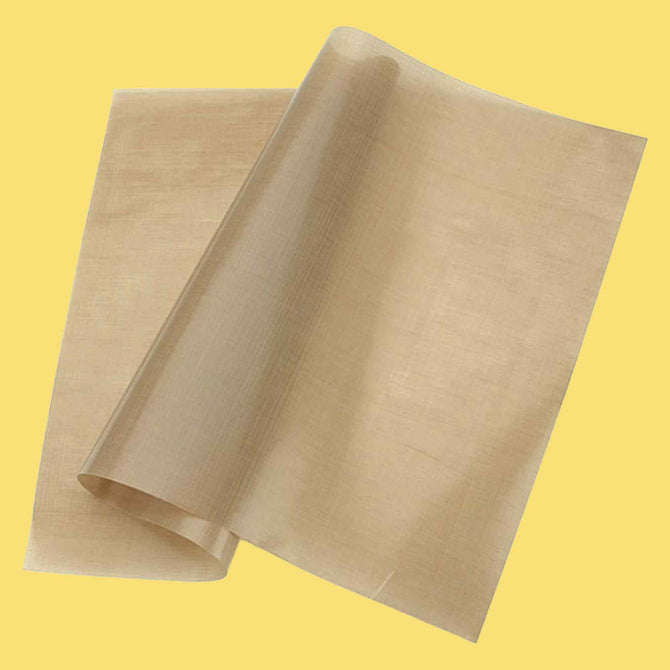
Cracking is usually caused by insufficient pressure or low-quality adhesive, not the fabric weight itself. In fact, heavyweight shirts often prevent cracking because the dense material provides a more stable base that doesn't stretch excessively. To ensure a permanent bond, always perform a second finishing press with a Teflon sheet for 5 to 10 seconds. This flattens the print into the fibers, creating a flexible, retail-quality finish that moves with the garment.
What is the best shirt brand for a streetwear startup in 2026?
Shaka Wear Max Heavyweight is currently the premier choice for streetwear startups in the DFW area. Its 7.5 oz density provides the boxy, oversized silhouette that modern customers demand. This fabric weight handles large, solid-fill designs perfectly without puckering or sagging. For brands looking for a slightly softer retail feel, the Bella+Canvas 3001 remains the industry leader for fashion-forward collections. Both represent the best shirts for dtf printing in their respective niches.
Do I need to pre-wash shirts before applying DTF transfers?
Pre-washing is generally unnecessary and can actually introduce moisture or lint that interferes with the bond. Instead, focus on a thorough 10 to 15 second pre-press. This step is critical because it removes trapped humidity and flattens the fibers. For garment-dyed brands like Comfort Colors, this pre-press is even more important to ensure a clean, dry surface. Skipping this step often leads to bubbling or premature peeling after the first wash cycle.
Can I pick up blank shirts and transfers locally in Richardson?
Yes, Iris DTF offers local pickup at our Richardson facility for both custom transfers and premium blank apparel. This service is a game-changer for businesses in Dallas, Plano, and Garland. Picking up locally eliminates shipping delays and high freight costs, allowing you to move from order to production in 24 hours. We stock the most popular brands like Comfort Colors and Shaka Wear to keep your workflow moving without any technical interruptions.
What temperature should I use for pressing DTF on Comfort Colors?
Comfort Colors 1717 shirts are 100% cotton, so you should typically press at 300°F to 320°F. Because these are garment-dyed, they can hold more moisture than standard blanks. We recommend a longer pre-press to ensure the fabric is completely dry before application. Always follow the specific instructions provided with your DTF transfers, as the melting point of the adhesive powder is the primary factor in determining your final heat settings.
How much does fabric weight (GSM) affect the quality of the print?
Fabric weight directly influences the drape and stability of the final print. Heavier fabrics, typically above 200 GSM, provide a rigid canvas that keeps large transfers flat and crisp. Lightweight fabrics, below 150 GSM, are more prone to puckering if the design is too dense or solid. For professional results, match your artwork's size to the garment's weight. Heavyweight tees are the safest bet for high-value streetwear, while midweight remains the standard for general merchandise.