DTF vs Sublimation: The Ultimate 2026 Comparison for Apparel Brands

What Is This Article About?
Why are you still limiting your brand to white polyester when your customers are asking for cotton, blends, and dark colors? You've likely felt the frustration of turning away orders or watching vibrant sublimation prints fade after just a few cycles in the wash. It's expensive to maintain specialized gear that only works on half your inventory. This dtf vs sublimation debate isn't just about tech; it's about your bottom line. We know you want a printing method that offers total versatility without the technical headaches. You're looking for designs that stay vibrant through 50+ washes and a workflow that doesn't eat up your entire afternoon.
In this guide, you'll discover the technical and commercial differences between these two methods so you can choose the right path for your business growth. We'll break down durability, color vibrancy on dark fabrics, and how to streamline your production workflow for maximum efficiency. Whether you're a local DFW brand or scaling a national label, understanding the shift to DTF is the key to staying competitive in 2026. Let's get to work.
Key Takeaways
- Learn why DTF offers universal compatibility with cotton, nylon, and dark fabrics, while sublimation remains restricted to high-polyester blends.
- Discover the secret to prints that last 50+ washes with a soft-hand feel that rivals high-end retail apparel.
- Analyze the direct cost comparison of dtf vs sublimation to identify which method provides the highest profit margins for your brand.
- See how professional-grade DTF gang sheets can streamline your production workflow and eliminate the maintenance burden of in-house equipment.
- Get a definitive 2026 verdict on which technology wins for your specific business model and fabric requirements.
Understanding the Technology: DTF vs. Sublimation Basics
Choosing between dtf vs sublimation starts with understanding how ink meets fabric. One method relies on a chemical bonding process. The other uses a mechanical adhesive. Both produce stunning results, but their technical foundations dictate what you can actually sell to your customers. Understanding these basics prevents you from investing in a workflow that limits your creative options.
How Sublimation Bonds with Fabric
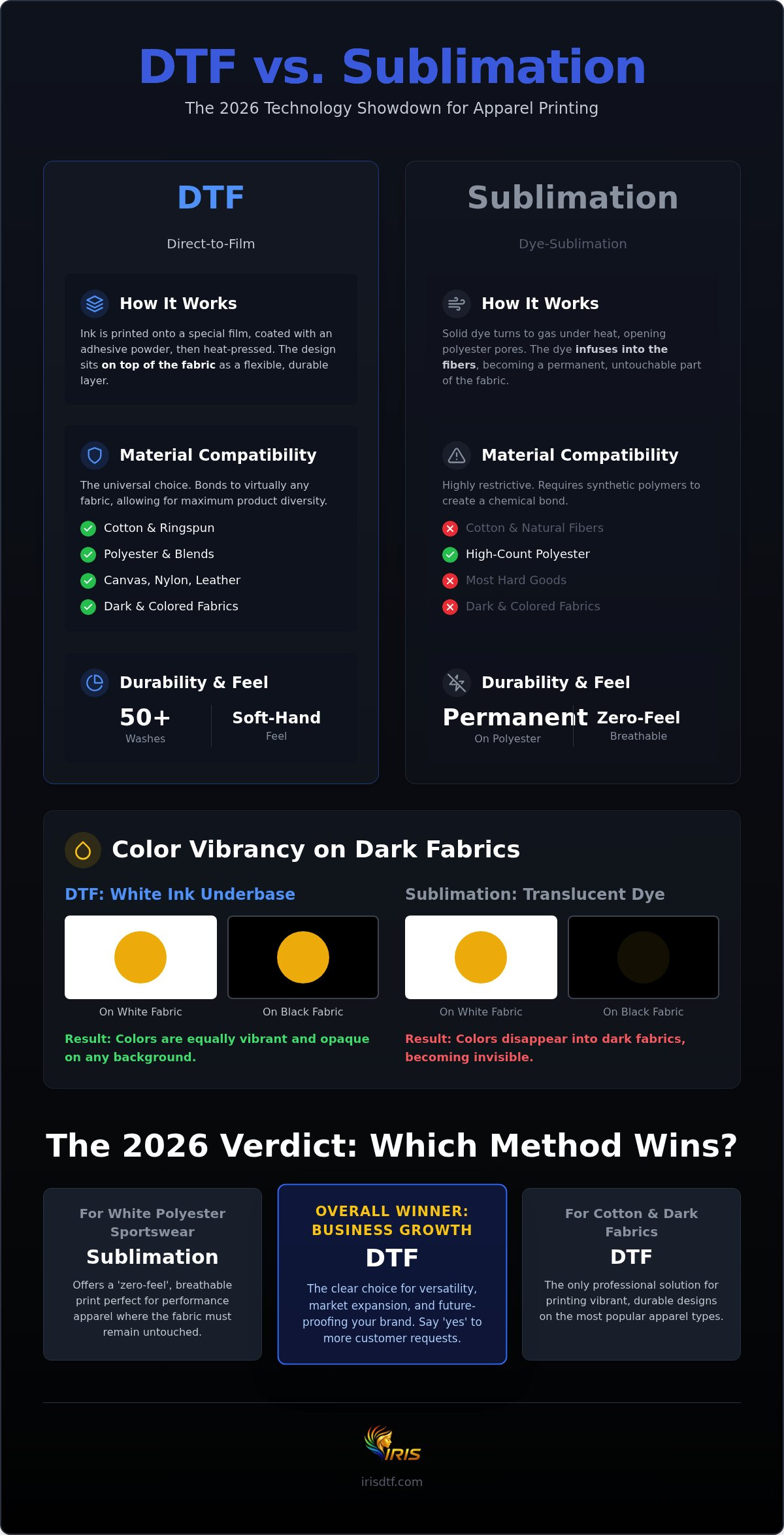
Sublimation is a process of chemical transformation. When you apply heat, the solid dye turns directly into a gas. This gas opens the pores of the polyester fibers and settles inside the material. The ink becomes part of the shirt rather than a layer on top. This creates a "no-feel" print that is incredibly durable. However, this science comes with a strict catch. The dye only bonds with synthetic polymers. You need at least 65% polyester content for a clear image. Because the ink is translucent, it also requires white or very light-colored garments. If you try to sublimate on a black cotton tee, the design simply disappears into the dark fabric.
The DTF Transfer Advantage
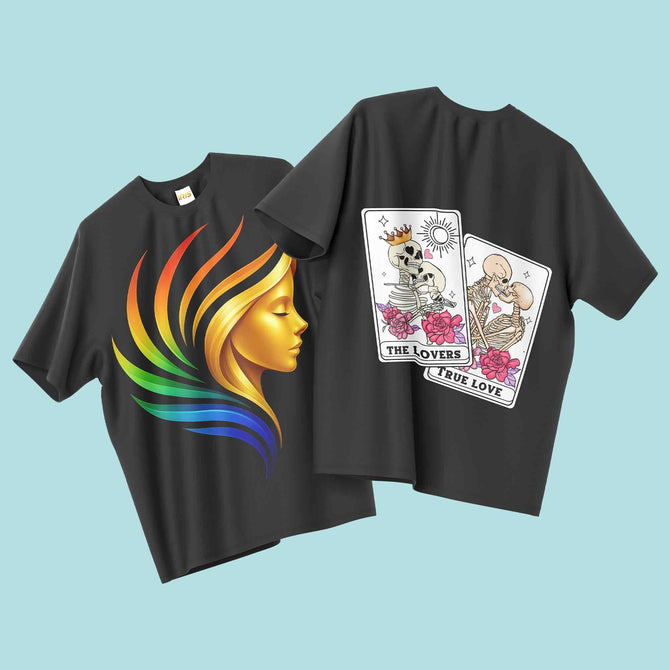
Direct-to-Film (DTF) uses a multi-step printing process that prioritizes versatility. We print your design onto a specialty PET film and then apply a unique hot-melt adhesive powder. When you heat press the transfer, the powder melts and creates a powerful bond between the ink and the fabric. Unlike sublimation, DTF is the universal transfer for all colors and material types. The design sits on top of the fibers. This allows it to work on 100% cotton, heavy canvas, and even leather. It removes the fabric barriers that have traditionally held small brands back from diversifying their product lines.
The real secret to success in the dtf vs sublimation comparison is the white ink underbase. In a standard digital print, there is no way to make colors pop on dark backgrounds. DTF solves this by printing a solid layer of white ink behind your CMYK design. This acts as a primer. It ensures that a bright red logo looks just as vibrant on a black hoodie as it does on a white tank top. At Iris DTF, our 2026 standard for high-resolution digital transfer precision ensures every detail is captured. We have spent over 10 years refining this process at our Richardson facility. Our goal is to give you the sharpest, most reliable transfers in the industry. You get the speed of digital printing with the opacity and pop of traditional screen printing.
Material Compatibility: Why DTF is the Universal Choice
Stop letting your fabric choice dictate your business growth. The biggest hurdle in the dtf vs sublimation debate is material limitation. Sublimation requires a high polyester count to work. If you aren't printing on at least 65% polyester, your results will be dull or temporary. DTF eliminates this bottleneck entirely. It bonds to almost anything. This flexibility allows you to say yes to every customer request.
The Cotton vs. Polyester Dilemma
100% cotton is the undisputed king of streetwear in 2026. Customers want that premium, natural feel. Sublimation simply can't deliver here. When you try to sublimate on cotton or low-poly blends, the ink has nothing to grab onto. The result is a design that looks "vintage" after one wash and disappears after five. DTF transfers thrive on high-quality blank apparel like heavyweight cotton hoodies or ring-spun tees. It offers a professional finish that stays crisp and intact, regardless of the fiber content.
Color Versatility and Dark Substrates
Sublimation has an "invisible print" problem. Because the dye is translucent, it relies on the background color of the shirt to show through. This limits you to white or very pale pastels. Try sublimating a vibrant logo onto a black or navy shirt; you'll see nothing but a faint shadow. DTF uses a high-opacity white ink backing. This acts as a portable canvas. It ensures your colors remain accurate and vivid regardless of the garment shade. Whether it's a neon green on a charcoal hoodie or a white logo on a red tank, the vibrancy is guaranteed.
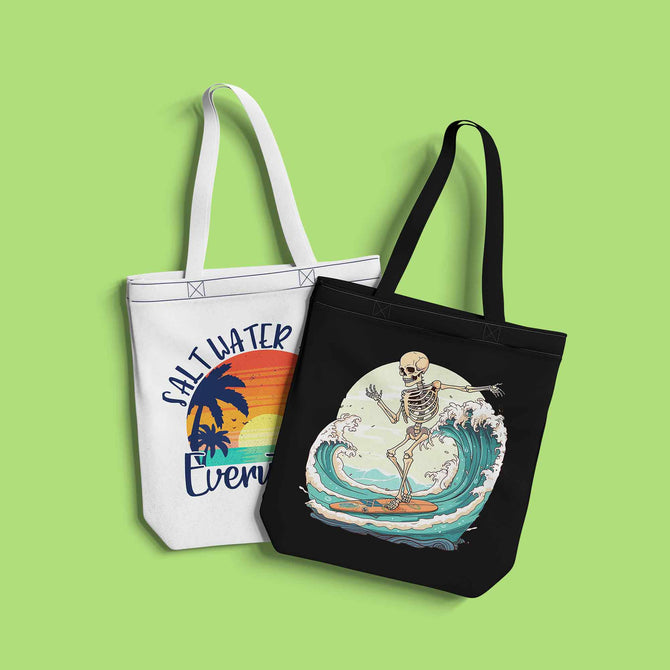
Local Richardson brands are using this versatility to expand their catalogs far beyond standard t-shirts. They aren't just sticking to cotton. They are applying transfers to nylon windbreakers, canvas tote bags, and even leather patches. This flexibility is why DFW shops are moving toward a DTF-first model. You can offer a massive range of products without investing in five different types of specialized equipment. It's a streamlined way to scale your brand. If you want to see how these transfers handle your specific fabrics, you can order custom DTF transfers to test on your own samples today.
- Cotton: DTF wins (Sublimation fails)
- Polyester: Tie (Both work well)
- Dark Fabrics: DTF wins (Sublimation fails)
- Nylon/Canvas: DTF wins (Sublimation is inconsistent)
Print Quality and Durability Showdown
Quality isn't just about the first wear. It's about how the garment looks after a year of heavy use. The dtf vs sublimation debate often centers on how the design feels against the skin and how it stands up to the laundry. In 2026, the gap between these two technologies has narrowed significantly. Modern professional transfers now offer a soft-hand feel that rivals traditional screen printing while maintaining incredible detail. You no longer have to sacrifice comfort for complexity.
Hand-Feel and Breathability
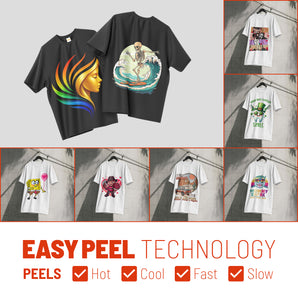
Sublimation will always have the "zero-feel" advantage on white polyester because the ink resides inside the fibers. However, the myth that DTF is a stiff, plastic sheet is dead. By using advanced halftoning and smart art preparation, we create breathable designs that move with the fabric. Our Richardson-based production uses premium films that ensure the transfer remains thin and flexible. You get a professional finish without the heavy feel of low-quality DIY setups. It's about precision and the right chemistry.
Long-Term Durability and Fading
Durability is where professional DTF truly shines. Our transfers are engineered to last 50+ laundry cycles without cracking or peeling. While sublimation is durable on polyester, it can't handle the high-friction or high-stretch areas of modern athletic wear as well as DTF. The adhesive used in our process provides superior stretch and recovery. It won't snap when the fabric pulls. This makes it the ideal choice for outdoor Texas events where garments face intense heat and constant movement. UV resistance is built into our process to ensure your designs don't wash out or sun-bleach after a few weekends.
Color accuracy is the final piece of the quality puzzle. Achieving specific DFW brand Pantones requires high-grade dtf ink. Unlike the translucent nature of sublimation, our DTF process uses a dense white underbase to ensure every color pops exactly as intended. It doesn't matter if you're printing a complex gradient or a solid corporate logo. The result is a vibrant, UV-resistant design that won't fade under the harsh sun. We've spent over 10 years refining this chemistry at Iris DTF to ensure your brand's reputation stays as bright as your prints. We don't just print; we build designs that last.
Business Efficiency: DIY Setup vs. Ready-to-Press Transfers
Speed is the currency of the apparel industry. In the dtf vs sublimation comparison, efficiency determines whether you’re generating profit or just managing a hobby. While sublimation seems affordable upfront, the hidden costs of specialized blanks and slow pressing times quickly erode your margins. DTF transfers offer a streamlined alternative. They allow you to focus on growing your brand rather than troubleshooting hardware. You get professional results without the technical overhead.
Startup Costs and Equipment
DIY is often a trap for growing brands. A high-end sublimation setup requires a dedicated printer, specialized inks, and a constant supply of expensive polyester-coated blanks. If you try to build a DIY DTF rig, you’re looking at a full-time repair job. Clogged print heads and humidity control issues can stall your production for days. Our Richardson facility removes that burden entirely. By ordering ready-to-press transfers, you skip the equipment investment and ventilation requirements. We even offer local pickup for those urgent Dallas event orders that can’t wait for a shipping truck. It’s the fastest way to get to work.
Workflow and Turnaround Times
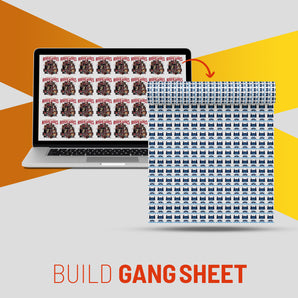
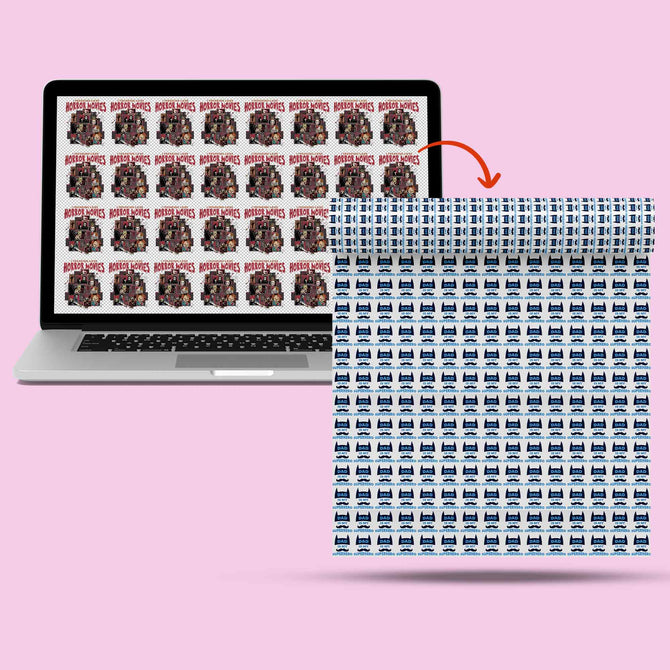
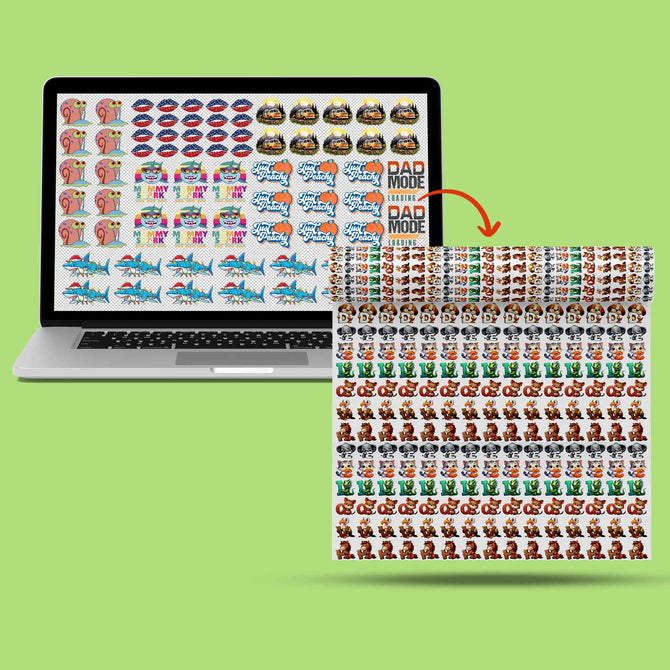
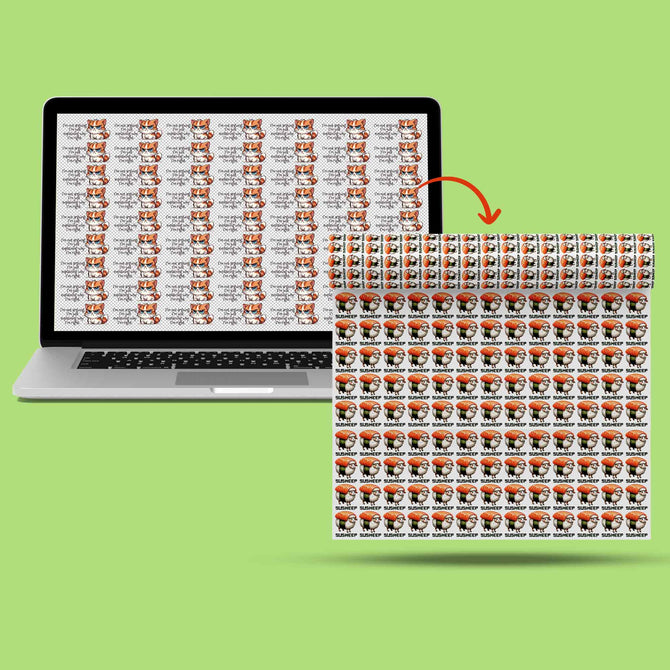
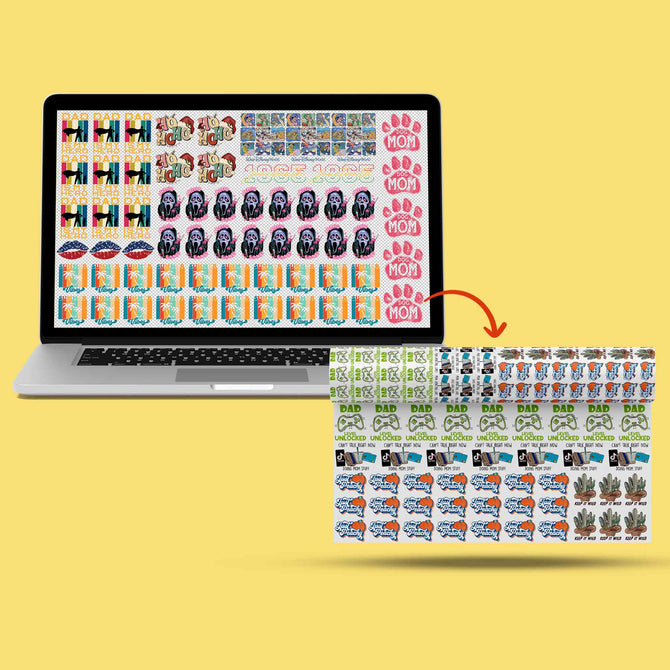
Time at the heat press is money. Sublimation typically requires a full 60 seconds of press time at high temperatures. DTF finishes in just 15 seconds. That means you can produce four shirts in the time it takes to make a single sublimation garment. You can maximize this value by using dtf gang sheets. We pack your designs onto a single roll, allowing you to prep dozens of logos at once. This workflow eliminates the "clogged head" downtime that plagues in-house printers. You spend your time pressing and shipping, not cleaning nozzles.
Scaling for a 1,000-shirt corporate order in DFW shouldn't be a nightmare. With the Iris DTF model, you don't need a massive factory. You just need a reliable heat press and our professional transfers. We handle the technical precision and ink chemistry in our Richardson shop so you can scale from 10 units to 1,000 without breaking a sweat. It’s about working smarter and moving faster. Ready to see how easy your production can be? Order your custom DTF transfers and start scaling your brand today.
Final Verdict: Which Printing Method Wins in 2026?
The dtf vs sublimation debate has a clear winner for most modern apparel brands. While sublimation remains a powerful tool for specific niches, DTF has claimed the top spot for general production. You need a method that grows with your brand. You need total versatility. Sublimation is a specialized tool; DTF is your universal production engine.
The Right Tool for the Job
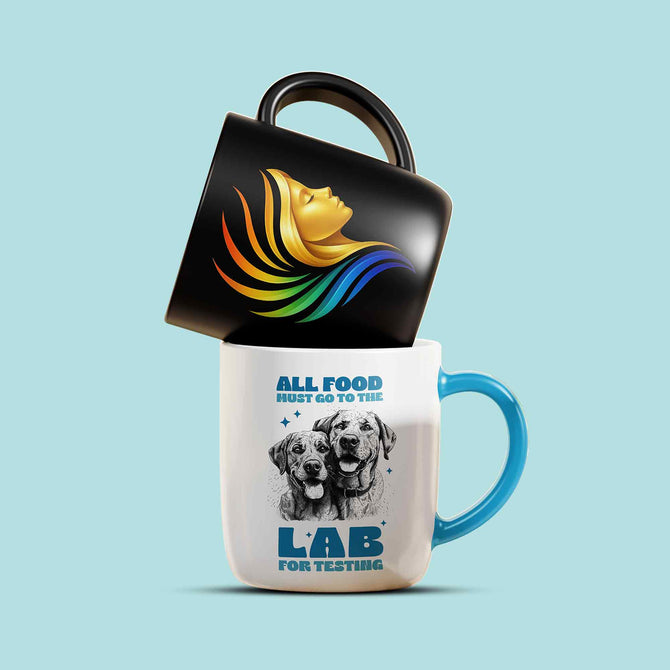
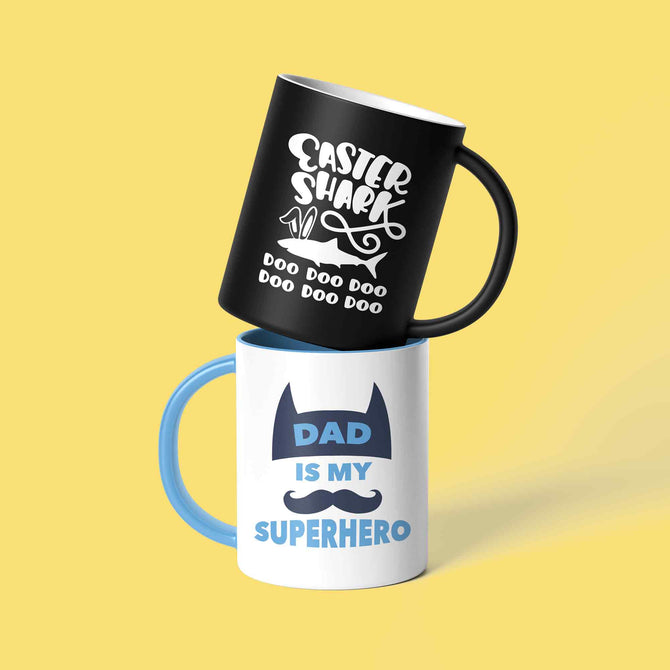
Choose sublimation if you specialize in white, 100% polyester garments or all-over designs. It is perfect for performance athletic wear and promotional items like ceramic mugs. However, for everything else, DTF is the superior choice. It allows you to print on the fabrics your customers actually want. Cotton. Blends. Heavyweight hoodies. Dark colors. This flexibility is why custom dtf transfers are the definitive 2026 industry standard for professional apparel branding.
Decision Framework for Small Businesses
Evaluate your current orders. Are you turning away business because you can't print on black cotton? If so, your printing method is costing you money. Calculate your ROI on a per-press basis. DTF allows for faster production and lower inventory costs. You don't need to stock expensive, specialized blanks. You can use standard apparel from the brands you already love. Many successful DFW shops use a hybrid approach. They keep a small sublimation setup for specialized items but rely on DTF for 90% of their apparel volume. It’s about efficiency and profit.
Partnering with Iris DTF for Local Success
Success in the DFW market requires a partner who understands the local pace. Iris DTF is a Richardson-based pioneer with over 10 years of industry expertise. We provide high-capacity production with the personal touch of a local shop. When you choose dtf printing in Richardson, TX, you get more than just transfers. You get rapid support and quality assurance from experts who know the craft. We remove the intimidation from the tech so you can focus on your designs.
Ready to streamline your workflow? Our Richardson facility is built to handle massive commercial demands and small-scale projects with equal precision. Don't waste another day fighting with temperamental hardware or limited fabric options. Upload your first gang sheet today and experience the speed of professional DTF. We are ready to get to work.
Scale Your Brand with Universal Printing
Choosing between dtf vs sublimation is the first step toward a more versatile and profitable business model. Are you ready to stop turning away orders because of fabric limitations? You've seen how DTF technology removes the barriers that once limited your creativity. Cotton. Blends. Dark fabrics. No limits. Our Richardson, TX facility is ready to support your growth with industry-leading wash-test results and no minimum order requirements. We prioritize your speed and precision so you never miss a deadline.
Success in 2026 requires a production partner that moves as fast as you do. Order Your Custom DTF Gang Sheets from Iris DTF Today and experience the difference of professional-grade transfers. We handle the technical precision and ink chemistry in our local shop so you can stay focused on your designs and your customers. Your next successful collection starts with a single press. It's time to take your brand to the next level. Let's get to work.
Frequently Asked Questions
Is DTF better than sublimation for dark shirts?
Yes, DTF is significantly better for dark shirts. Sublimation ink is translucent and relies on the garment color to show through, which makes it invisible on black or navy fabrics. In the dtf vs sublimation comparison, DTF wins on dark substrates because it uses a high-opacity white ink underbase. This layer acts as a primer, ensuring your colors stay vivid and sharp regardless of the shirt's original shade.
Can I use a sublimation printer for DTF transfers?
You cannot use a standard sublimation printer for DTF. Sublimation relies on dye-based inks that turn into gas, while DTF requires specialized pigment inks and a white ink channel. Sublimation printers lack the mechanical ability to print the heavy white base layer needed for the adhesive powder to bond. Attempting to swap inks will likely clog your print heads and ruin your equipment. Stick to dedicated DTF hardware.
Does DTF feel like plastic on the t-shirt?
Modern professional DTF doesn't feel like a thick sheet of plastic. While low-quality DIY setups can feel heavy, our Richardson-produced transfers are engineered for a soft-hand finish. The film is thin and stretches with the fabric. If you're worried about breathability, you can use halftoning or distressed art styles to reduce the ink density. This creates a lightweight print that feels similar to high-end retail screen printing.
Which printing method lasts longer in the wash?
Both methods offer excellent longevity, but they excel in different ways. Sublimation is permanent because the dye lives inside the polyester fibers. However, professional DTF transfers are the 2026 standard for washability on cotton and blends. They are rated for 50+ laundry cycles without cracking or peeling. If you follow proper pressing instructions, your design will likely outlast the garment itself. It's built for the long haul.
Is sublimation cheaper than DTF for small orders?
Sublimation is often more expensive for small orders because of the blank bottleneck. You are forced to buy specialized polyester garments that cost more than standard cotton blanks. When comparing dtf vs sublimation for small runs, DTF gang sheets are the more economical choice. You can fit multiple designs on one sheet and press them onto affordable cotton tees you already have in stock. This maximizes your profit margins instantly.
What fabrics cannot be used with sublimation?
Sublimation is incompatible with 100% cotton, leather, and dark-colored fabrics. The chemical process requires synthetic polymers to open and accept the gas-state dye. Natural fibers like cotton or wool don't have these pores, so the ink just sits on the surface and washes away. If you try to sublimate on dark fabric, the translucent ink won't be visible. For these materials, DTF is the only reliable digital solution.
Do I need a special heat press for DTF transfers?
You don't need a specialized heat press, but you do need a high-quality commercial unit. A standard swing-away or clam-shell press that provides even pressure and accurate heat is sufficient. Most professional DTF transfers require a temperature between 280°F and 320°F. The key is consistent pressure across the entire platen. Cheap craft presses often have cold spots that can lead to improper bonding and premature peeling after washing.
Can I apply UV DTF transfers to t-shirts?
You shouldn't apply UV DTF transfers to t-shirts or any other apparel. These are essentially high-durability stickers designed for hard, non-porous surfaces like tumblers, laptops, or glass. They don't have the flexibility or breathability required for fabric. If you apply a UV DTF sticker to a shirt, it will crack and peel the first time the fabric stretches. For all wearable items, always use our standard custom DTF transfers.