


Best DTF Powder for Vibrant Prints: 2026 Supply Guide

What Is This Article About?
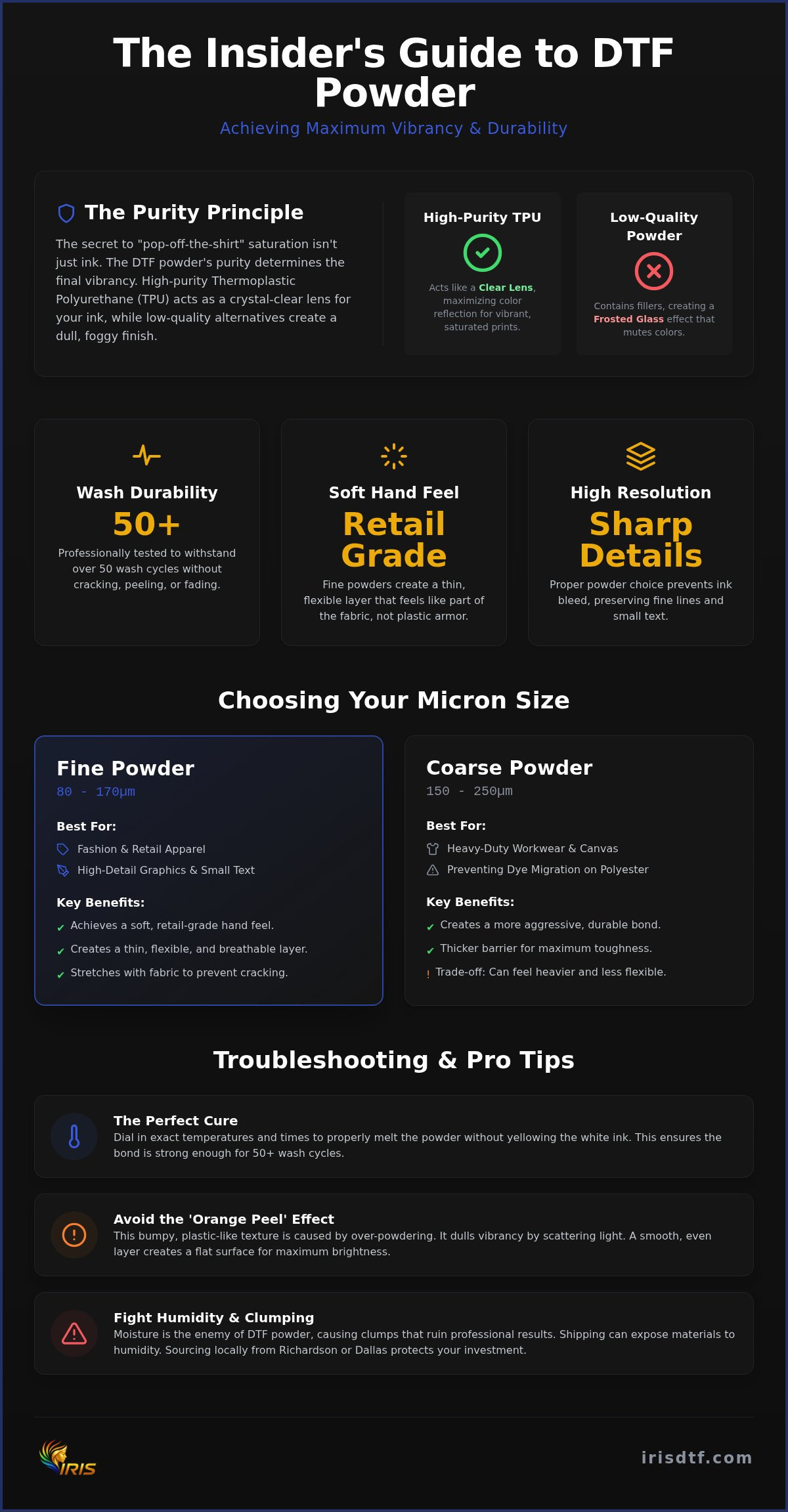
What if the secret to "pop-off-the-shirt" saturation isn't actually your ink, but the adhesive powder you use to seal it? We've all seen transfers that look great on the film but turn muted and dull after the press. It's frustrating when fine lines peel or a finished garment feels like plastic armor. You want retail-grade durability. You need a soft hand that customers love. Finding the best dtf powder for vibrant prints is about more than just stickiness. It's about choosing a high-purity TPU chemistry that acts as a clear lens for your ink.
This 2026 guide breaks down micron sizes, curing ranges, and why sourcing supplies locally in Richardson or Dallas prevents the moisture clumping that ruins professional results. We'll show you how to achieve the 50+ wash cycle durability we demand in our own Richardson production facility every day. You'll learn to balance melting points with stretchability to ensure your designs never crack or fade. It's time to stop guessing and start printing with confidence.
Key Takeaways
- Understand how high-purity TPU chemistry acts as a transparent lens to preserve maximum color saturation during the heat press.
- Learn why fine micron powders (80-170um) are the industry standard for achieving high-resolution details and a soft, retail-grade hand.
- Identify the exact curing temperatures and times required to prevent white ink yellowing and ensure 50+ wash cycle durability.
- Discover why choosing the best dtf powder for vibrant prints requires production-tested supplies that resist moisture clumping.
- Protect your materials from humidity by utilizing local pickup in Richardson or Dallas to avoid shipping-related moisture issues.
The Science of Vibrancy: Why the Best DTF Powder Matters
Vibrancy starts with chemistry. Most printers focus solely on ink, but the adhesive is what actually carries your design to the garment. DTF powder is a Thermoplastic Polyurethane (TPU) adhesive specifically engineered to melt, flow, and bond. During the Direct-to-film (DTF) printing process, this powder creates a bridge between the ink and the textile fibers. If that bridge isn't crystal clear, your colors will never truly "pop" off the shirt. Finding the best dtf powder for vibrant prints means looking for high-purity TPU that avoids the "foggy" finish caused by cheap alternatives.
Low-quality powders often contain recycled polymers or chemical fillers. These impurities don't melt cleanly. Instead, they create a semi-opaque layer that sits over your ink like a thin sheet of frosted glass. This "transparency factor" is the difference between a retail-ready shirt and a hobbyist project. High-purity TPU ensures that light passes through the adhesive layer, hits the ink, and reflects back with full saturation. When the adhesive remains clear, your ink's true pigments shine through without distortion.
Adhesion vs. Color Preservation
The powder must work in perfect sync with your dtf ink to maintain sharp edges and deep blacks. It acts as a structural barrier, preventing wet ink from bleeding into the fabric before it sets. Melt-flow rate refers to the speed and consistency at which the polymer liquifies under heat, directly impacting how cleanly the adhesive encapsulates the ink without blurring fine lines. A balanced melt ensures the ink stays exactly where you printed it, preserving the integrity of small text and intricate details.
The 'Orange Peel' Effect and Visual Clarity
Visual texture tells the story of your print's quality. Over-powdering leads to a heavy, plastic-like feel and a bumpy "orange peel" texture that kills light reflection. Under-powdering leaves gaps in the bond, causing colors to look spotty or washed out after the first wash. A smooth, clear adhesive layer creates a flat surface for light to bounce off, which naturally enhances brightness. Professional shops prioritize "soft feel" powders because they offer this clarity while maintaining the high-end, flexible hand that retail brands demand. We use these exact chemistries in our Richardson facility to ensure every transfer meets this standard before it leaves the shop.
Choosing Micron Sizes: Fine vs. Coarse Adhesive Powders
Micron size defines the texture, stretch, and performance of your transfer. It isn't just a technical spec. It's the difference between a shirt that feels like a sticker and one that feels like part of the fabric. Most powders fall between 80um and 200um. Choosing the right one depends entirely on your specific custom dtf transfers project. Fine powder (80-170um) is the industry gold standard for modern apparel. Coarse powder (150-250um) provides the heavy "bite" required for rugged materials like canvas or thick hoodies.
At our Richardson facility, we test both sizes across 50+ wash cycles. We've found that the best dtf powder for vibrant prints is usually a fine-grind TPU. It offers the precision needed for high-resolution graphics while maintaining a soft hand. However, the substrate always dictates the supply choice. You wouldn't use the same adhesive for a lightweight tri-blend that you'd use for a heavy-duty polyester work jacket.
Fine Powder for High-Detail Vibrant Prints
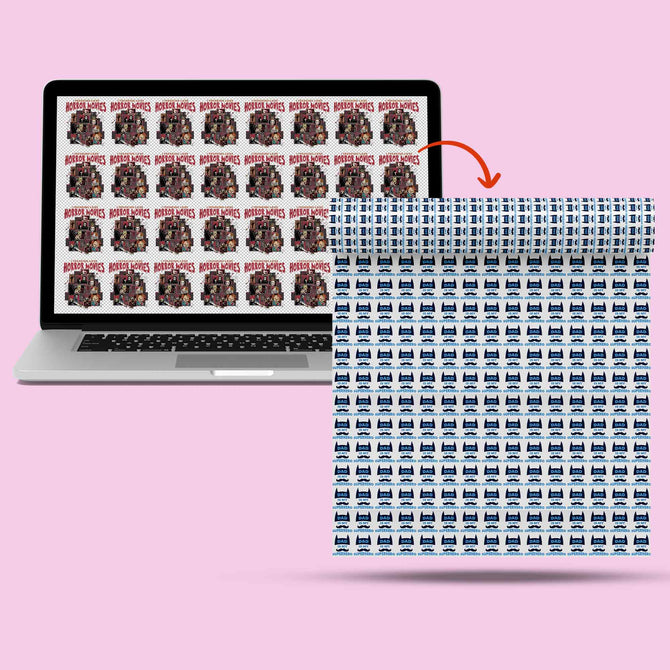
Fine powder is essential for small text and intricate gradients. The smaller particles settle into the wet ink with higher density. This creates a thinner, more flexible adhesive layer. When you combine fine powder with high-volume dtf gang sheets, you maximize efficiency without sacrificing quality. It significantly improves garment breathability. The result is a retail-grade finish that stretches without cracking. It's the go-to choice for fashion brands and high-end promotional gear.
When to Use Coarse Powder for Durability
Heavier fabrics need a more aggressive bond. Coarse powder is built for textured polyester blends and heavy-duty workwear. Its larger particles create a thicker physical barrier between the ink and the fabric. This is critical for preventing dye migration on dark, sublimated garments. There is a trade-off, though. Coarse powder can sometimes mute fine details if your curing settings aren't dialed in perfectly. It's a specialized tool for specific, high-durability applications.
Safety remains a top priority when handling these chemicals. Since TPU powders are polyurethanes, professional shops must be aware of the health effects of isocyanate exposure during the heat-curing process. Always ensure your workspace has dedicated ventilation. If you're ready to upgrade your results, you can source the same production-tested DTF supplies we use for our own Dallas-area clients.
Troubleshooting Dull Prints: Supply-Side Failures and Fixes
Even the best dtf powder for vibrant prints can't overcome poor environmental control. Success in 2026 production requires more than just high-purity TPU. It demands a rigorous approach to storage and handling. Moisture is the primary enemy. It acts as a silent killer that ruins both color saturation and bonding strength. When powder absorbs humidity, it clumps during application and creates a textured, uneven surface that scatters light instead of reflecting it. This results in the "muted" look that many shops struggle to fix.
Static electricity is another frequent culprit. It causes ghosting and speckling by pulling fine powder particles into areas where they don't belong. This is often a result of low-quality film or a workspace that is too dry. Maintaining a balanced environment is critical. We production-test every batch in our Richardson facility to ensure it handles the unique DFW climate. Consistent results come from controlling these variables before you ever hit the press.
Identifying Moisture Contamination
Symptoms of "wet" powder are easy to spot if you know what to look for. You'll see bubbling, pitting, or an uneven "cratered" look after the melt. In Richardson and Dallas, our local humidity can spike, quickly compromising open containers. Perform a simple clump test daily. If the powder sticks to itself or forms small balls inside the bag, it has likely absorbed too much moisture. Using compromised adhesive leads to prints that look dull and feel rough to the touch.
Over-Curing vs. Under-Curing
Curing is the bridge that completes the Direct-to-film (DTF) printing process. The visual difference between a "melted" and "scorched" adhesive is distinct. Over-curing leads to the "yellowing" problem, where the heat actually scorches the white ink base and dulls the colors. Under-curing is equally dangerous. It leaves the powder in a semi-solid state that peels off during the first wash cycle. A perfectly cured transfer should have a uniform, slightly glossy "orange peel" texture that looks like melted sugar. Finding that sweet spot ensures your prints stay vibrant for 50+ wash cycles without losing their retail-grade pop.
Proper storage protocols are your best defense. Keep your adhesive in an airtight container with desiccant packs. Store it in a cool, dark place away from direct sunlight or heat sources. By protecting your supplies, you ensure your 2026 production runs remain efficient and high-quality. Taking these steps prevents waste and keeps your shop running at peak performance.
The Perfect Cure: Temperature and Time for Maximum Pop
Curing temperature is the bridge between loose powder and a durable transfer. It is the final step where the best dtf powder for vibrant prints transforms into a permanent, flexible bond. For most premium TPU powders, 325°F for 90-120 seconds in a dedicated oven is the industry baseline. This ensures a full melt without scorching the ink. If you are using a heat press instead of an oven, the "hover" technique is your best option. Lower the top platen to within 1-2 inches of the film. Let the heat radiate for the full duration to ensure an even cure across the entire design.
Patience during the cooling phase is just as important as the heat itself. Most high-saturation films are "cold peel" for a reason. Peeling the film while it is still warm can lift the adhesive or distort the ink layer. This leads to a jagged finish and reduced vibrancy. Allow the transfer to reach room temperature before removal. This gives the TPU time to fully solidify and lock the pigments into the fibers for maximum durability.
Ovens vs. Heat Press Curing
Dedicated ovens provide a level of consistency that a standard heat press cannot match. This is particularly important for larger uv dtf transfers or high-volume gang sheets. Many entry-level heat presses suffer from hot spots. These uneven temperature zones over-cure some areas while leaving others tacky. This results in inconsistent vibrancy across your print run. Shop safety is also a factor. The curing process releases chemical vapors that require a dedicated ventilation system. Never cure in a closed room without proper air filtration.
Managing DFW Humidity in Your Shop
North Texas weather patterns directly impact your production quality. High humidity in Richardson or Dallas can extend your necessary curing times by 10 percent or more. Moisture in the air slows down the melting process and can lead to a duller finish. We use industrial dehumidifiers in our Richardson facility to keep our environment stable. This ensures our supplies perform exactly the same way every day. You must also adjust your press settings for different blank apparel fabrics. Heavyweight hoodies require more pressure and a slightly longer press than thin cotton tees to ensure the adhesive fully penetrates the weave.
Stop struggling with inconsistent results. Get the same production-tested DTF supplies we use to hit 50+ wash cycles for our own clients.
Sourcing Professional Supplies in Richardson and Dallas
High-performance printing requires a reliable supply line. You shouldn't settle for resellers who don't actually run production. Iris DTF is different. We are a high-capacity facility located right here in Richardson. We use the exact same powders, inks, and films we sell to our clients. This means every supply item is production-tested for 50+ wash cycles before it ever reaches your shop. When you buy from us, you're getting the "printer's choice" for quality and durability.
Sourcing the best dtf powder for vibrant prints is easier when your supplier understands the local climate. We've spent over 10 years in the Dallas metroplex mastering the variables that affect print quality. From humidity control to curing precision, we've done the legwork so you don't have to. Growing shops in Plano, Frisco, and Dallas need more than just a vendor. They need a partner that provides wholesale pricing without sacrificing retail-grade performance.
Local Pickup and Freshness Guarantee
Shipping is often the point where supply quality fails. TPU powder is highly sensitive to moisture during transit, especially in the Texas heat. Our local pickup option in Richardson eliminates these shipping risks entirely. You get fresh, dry supplies exactly when you need them. Supporting dtf printing in Richardson, TX strengthens our local small business ecosystem. It reduces lead times for critical items like white ink and premium adhesive, keeping your production floor moving. We also offer custom supply bundles tailored for DFW-based sports teams and event organizers who need consistent, high-volume results.
Wholesale Quality for Professional Shops
Professional shops require scale and consistency. We provide access to the same high-vibrancy supplies used in our own custom transfer service. This isn't entry-level hobbyist gear; it's industrial-strength chemistry designed for 2026 standards. We offer significant bulk discounts for 20kg+ powder orders to help you keep your production costs low. You aren't just buying a bag of adhesive; you're gaining access to a decade of expertise. We invite you to consult with our Richardson experts on your specific setup to ensure you're getting the most out of every print. Whether you're a small startup or a massive commercial shop, we have the capacity to fuel your success.
Master Your Production Workflow for 2026
Vibrant, retail-grade prints aren't the result of luck. They're the product of high-purity chemistry and precise environmental control. By selecting the best dtf powder for vibrant prints, you ensure your adhesive acts as a clear lens rather than a foggy barrier. Match your micron size to your substrate. Maintain a strict curing window. These small adjustments prevent yellowing and ensure every transfer meets professional standards. Controlling moisture in the DFW climate is the final step to consistent success.
Stop guessing. Start using the same supplies we trust in our own shop. We've tested our products for 50+ wash cycles in our Richardson facility to guarantee durability. Wholesale pricing for high-volume operations is available now. Local DFW pickup is ready whenever you need to restock without shipping delays. It's time to deliver the "pop-off-the-shirt" results your customers expect.
Shop Professional DTF Supplies at Iris DTF and take the intimidation out of your technical process. We're ready to work when you are.
Frequently Asked Questions
Does the type of DTF powder really affect print color?
Yes, the purity of the TPU chemistry determines the transparency of the lens sitting over your ink. Low-quality powders contain fillers that create a foggy, muted finish. High-purity TPU ensures maximum light reflection. This is why selecting the best dtf powder for vibrant prints is the most critical decision for retail-grade saturation. Clearer adhesive means sharper colors that truly pop off the fabric.
What is the best micron size for high-detail DTF prints?
Fine powder, typically in the 80 to 170um range, is the gold standard for high-detail printing. These smaller particles settle more densely into the wet ink. This allows for intricate lines and small text without a bulky feel. Using fine powder ensures a softer hand and better breathability on lightweight garments. It is the preferred choice for fashion brands in Plano and Frisco looking for modern results.
How do I prevent my DTF powder from yellowing during curing?
Yellowing is caused by over-curing, so you must calibrate your heat settings to avoid scorching the white ink base. Standard settings are 325°F for 90 to 120 seconds, but you should monitor for a glossy "melted sugar" look rather than a dark tint. If your transfers look yellow, reduce the time or temperature slightly. Consistent heat distribution in a dedicated oven prevents the hot spots that lead to local discoloration.
Can I use the same powder for both fabric and UV DTF stickers?
No, fabric DTF and UV DTF stickers require different adhesive chemistries to perform correctly. Fabric powder is a thermoplastic polyurethane (TPU) designed to bond with porous fibers and withstand laundry cycles. UV DTF stickers use a pressure-sensitive adhesive process that is not compatible with hot-melt powders. Using fabric powder on hard surfaces will lead to immediate peeling and poor durability for your brand labels and equipment stickers.
Why is my DTF powder not sticking to the white ink?
Adhesion failure usually stems from wet ink drying too fast or moisture contamination in your supply. If the white ink "skins over" before the powder is applied, the TPU particles cannot penetrate the layer. Check your humidity levels in your Dallas-area shop. Moisture-clumped powder also fails to bond properly. Ensure your ink is wet and your powder is dry for a reliable, production-tested bond every single time.
How should I store DTF powder in high-humidity areas like Dallas?
Store your powder in airtight containers with desiccant packs to combat North Texas humidity. DFW shops often face moisture issues that cause powder to clump and ruin print vibrancy. Keep your supplies in a climate-controlled room away from open windows or doors. Many professionals in Richardson use dehumidifiers to stabilize their production environment. Freshness is key to achieving the best dtf powder for vibrant prints in 2026.
What is the difference between black and white DTF powder?
Black powder is specifically designed to block dye migration on dark, sublimated polyester garments. It contains a carbon-based barrier that prevents the garment’s dye from bleeding into your white ink layer. Standard white powder is the versatile choice for cotton and light-colored fabrics where migration isn't a concern. Choosing the right color ensures your designs stay crisp and bright without the "grey-out" effect common on cheap, low-quality hoodies.
Where can I pick up professional DTF supplies in Richardson, TX?
You can pick up production-tested supplies directly from the Iris DTF facility in Richardson. We offer local pickup for Dallas, Garland, and Plano customers to help them avoid shipping delays and moisture contamination. Our inventory includes the same high-purity TPU powders and inks we use for our own 50+ wash cycle transfers. Skip the wait and ensure your shop has the professional tools needed for high-saturation results today.