
DTF Paper Guide 2026: Choosing the Right Film

What Is This Article About?
The most expensive printer in the world won't save a garment if you're feeding it the wrong film. You've likely felt the sting of a print that looked perfect on the heat press but started peeling after the very first wash. It's a common, costly hurdle. Many creators start out confusing dtf paper with sublimation sheets or wasting premium ink on low-quality film that simply won't release. We know you want retail-quality apparel that feels soft to the touch and stands up to 50 plus laundry cycles. We're here to make that happen. This guide reveals the technical secrets behind PET film coatings so you can achieve professional color vibrancy every time. We'll explore how to maximize your production with gang sheets and where to find the best local supplies in Richardson. From understanding ink absorption to mastering the release process, you're about to streamline your entire workflow. Let's get your production line moving with precision and confidence.
Key Takeaways
- Learn why the industry calls PET film dtf paper and how its specialized coating guarantees a flawless ink release.
- Master the choice between hot peel for speed and cold peel for precision to maximize your shop's daily output.
- Scale your brand faster by using ready-to-press transfers that eliminate the high maintenance and waste of DIY setups.
- Achieve retail-ready durability with prints engineered to withstand over 50 washes without cracking or fading.
- Reduce overhead and lead times by sourcing professional supplies and gang sheets directly from our Richardson facility.
What is DTF Paper? Understanding the PET Film Misnomer
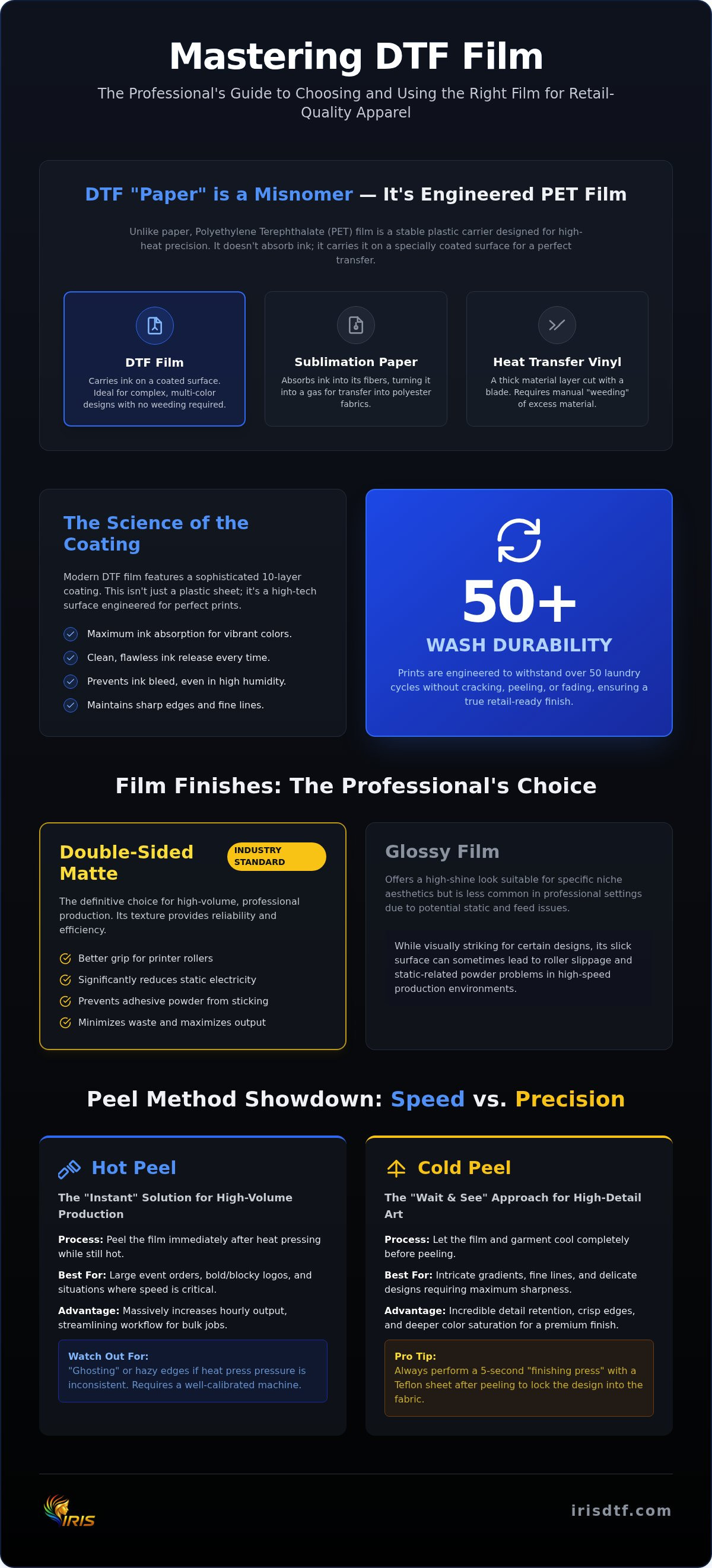
The industry often uses the term dtf paper, but this is a technical misnomer. You're actually working with Polyethylene Terephthalate (PET) film. Unlike standard paper, this plastic based carrier is engineered to withstand high temperatures without warping. Direct-to-film printing relies on this stability to move ink from the printer to your garment with absolute precision.
Sublimation paper absorbs ink into its fibers, while heat transfer vinyl (HTV) is a thick layer of material cut by a blade. DTF film sits between these worlds. It carries the ink on its surface, allowing for complex, multi colored designs without the weeding or fabric limitations of other methods. It's the essential engine for modern clothing brands that need speed without sacrificing quality.
The Science of the Coating
Modern PET film isn't just a plastic sheet. It features a sophisticated 10 layer coating designed for maximum ink absorption and a clean release. This technology is critical for shops in North Texas. High humidity in Richardson can cause ink to run or "oil bleed" on inferior films. Selecting high quality dtf paper means choosing a film that can handle high ink density while maintaining sharp edges. Our proprietary coatings lock the ink in place. From intricate fine lines to bold, solid blocks of color, the coating dictates the final result. This precision ensures that once you press the design, the final product has that coveted soft hand feel. It's durable. It's retail ready.
Matte vs. Glossy DTF Film: Which Should You Choose?
You'll encounter two main finishes in the market: matte and glossy. Glossy film offers a high shine look, which works for specific niche aesthetics. However, professional Richardson print shops have shifted almost entirely to double sided matte film. Why? It's about efficiency and reliability. Double sided matte provides better grip for printer rollers and significantly reduces static electricity. This prevents adhesive powder from sticking to non-image areas.
In 2026, double sided matte is the standard for high volume production. It ensures every gang sheet is crisp, clean, and perfectly registered. This setup minimizes waste and keeps your production line moving. Choosing the right film finish is the first step toward a retail quality product that lasts 50 plus washes.
Choosing the Right DTF Film: Hot Peel vs. Cold Peel
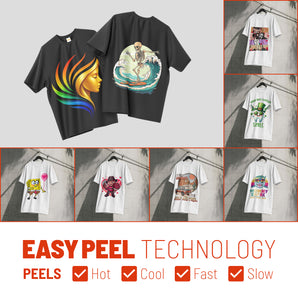
Peeling is the moment of truth. It's the point where your choice of dtf paper either pays off or costs you a garment. In 2026, the industry has shifted toward hybrid films that prioritize thermal stability. This ensures your PET carrier won't shrink or warp under the intense heat of the press. Without this stability, your registration will shift, and your multi colored designs will look amateur. You must decide which peeling method fits your production speed and design complexity.
When to Use Hot Peel Film
Hot peel is the "instant" solution. It's built for high volume shops in Richardson where speed is king. You press, you peel immediately, and you move to the next shirt. It's the perfect choice for large event orders and bold, blocky logos. Because you don't have to wait for the garment to cool, your hourly output skyrockets. To avoid ghosting, ensure your heat press provides consistent pressure across the entire platen. For those running fast paced operations, sourcing the right DTF supplies ensures your film releases cleanly every single time.
The Advantages of Cold Peel for High-Detail Art
Cold peel is a "wait and see" approach that yields incredible results. By letting the film cool completely before removal, the adhesive sets firmly into the fabric fibers. This preserves intricate gradients and hair thin lines that might otherwise lift during a hot peel. It's the secret to achieving a high end retail finish on delicate designs.
- Preserve Detail: Cold peel keeps fine lines sharp and prevents edge lifting.
- Workflow: Press several shirts at once, set them aside to cool, and peel them in a single batch.
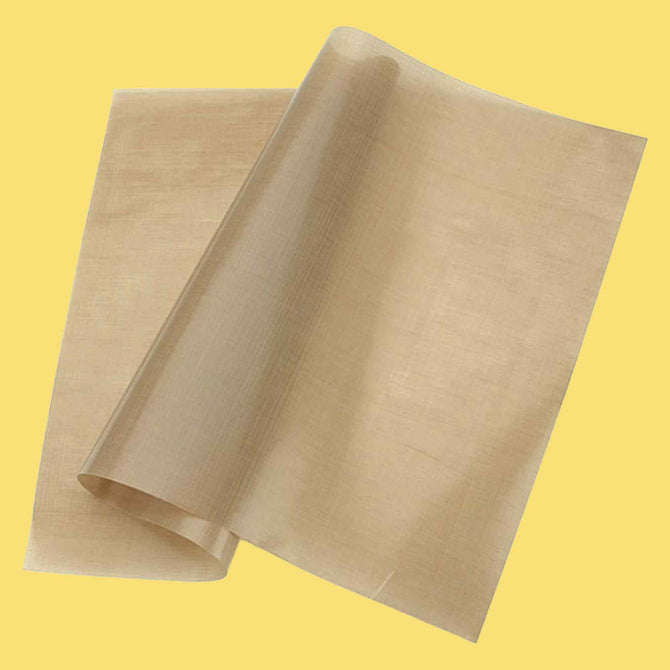
- Finishing Press: Always follow a cold peel with a second five second "finishing press" using a Teflon sheet to lock the design into the garment.
Small business owners often prefer cold peel for its reliability. It removes the guesswork and reduces the risk of ruined blanks. While it takes a few extra minutes, the crisp edges and deep color saturation are worth the wait. Whether you're printing for a local Dallas brand or a national label, the choice between hot and cold peel dictates your shop's efficiency and your customers' satisfaction. Hybrid dtf paper now gives you the flexibility to choose the best method for each specific project without swapping out your entire film roll.
DIY Printing vs. Custom DTF Transfers: A Cost-Benefit Analysis
Deciding whether to print in house or outsource is a pivotal moment for any growing apparel brand. While owning your own setup offers total control, the hidden costs can quickly erode your margins. You have to account for more than just the initial price of your dtf paper. Professional quality control at our Richardson facility ensures every transfer is retail ready, allowing you to focus on sales rather than troubleshooting hardware.
The True Cost of DTF Supplies
DIY printing seems cheaper on paper. However, the true price per square inch includes film, ink, adhesive powder, and most importantly, waste. White ink is notoriously difficult to manage. If a DIY printer sits idle for more than 48 hours, the white ink often settles and clogs the print heads. This leads to expensive repairs and wasted supplies. In the North Texas climate, Dallas humidity levels can also wreak havoc on your storage. If your PET film isn't kept in a climate controlled environment, the coating can degrade, leading to poor ink absorption and "oily" transfers. When you order from a professional, these environmental risks disappear.
Why Custom Gang Sheets are the Professional Standard
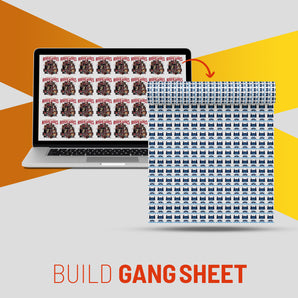
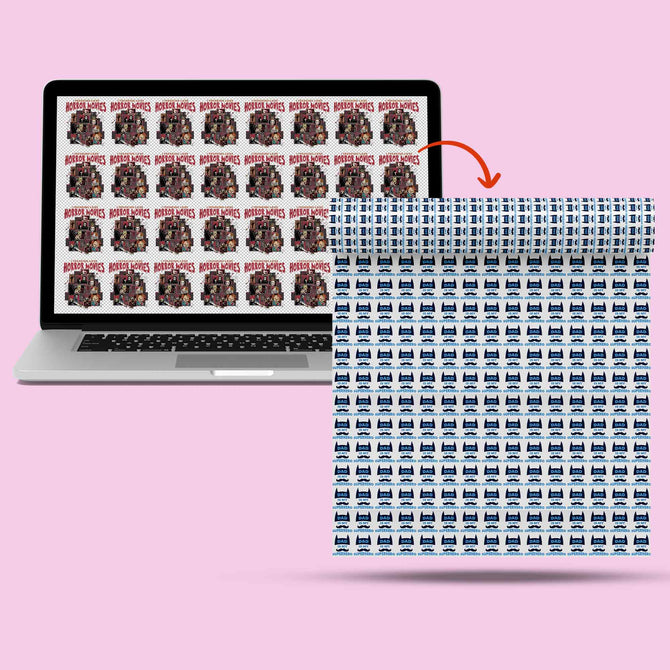
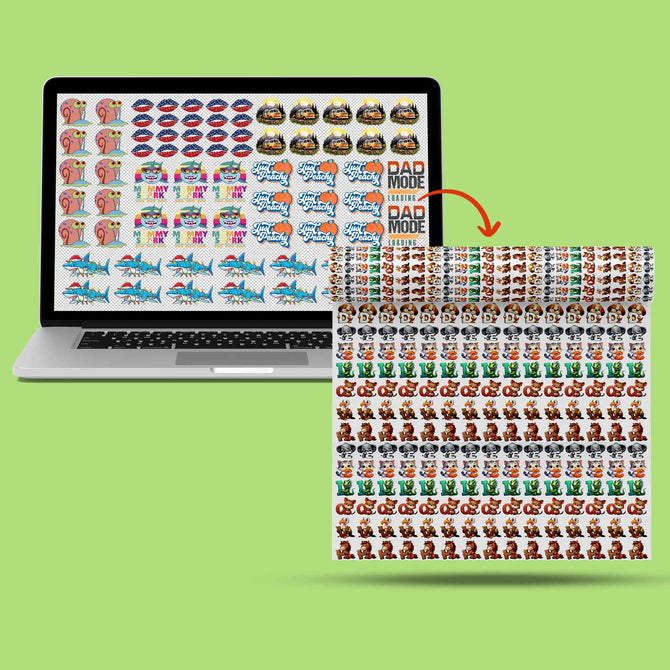
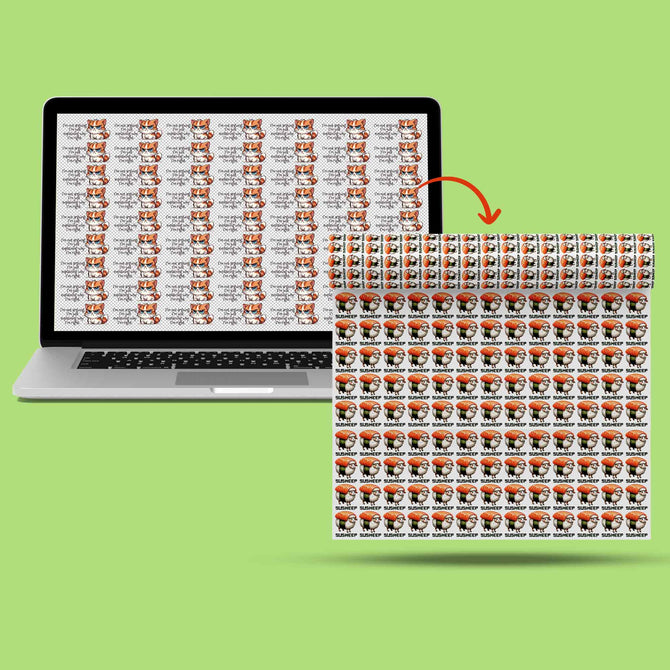
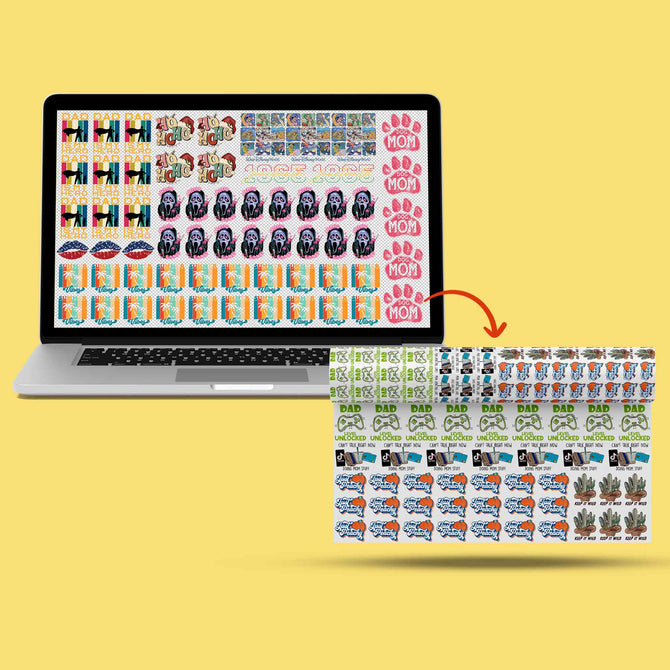
Efficiency is the engine of a successful clothing line. Custom gang sheets allow you to maximize every inch of a 22 inch or 24 inch roll. You can pack dozens of logos and designs onto a single sheet, significantly lowering your cost per garment. This is the ultimate "Ready to Press" advantage. Your transfers arrive cured, powdered, and ready for the heat press. There is no weeding. There is no mess. There is no maintenance.
For brands looking to scale, Mastering DTF Gang Sheets is the best way to secure bulk savings. You save hours of production time every week. Instead of spending your morning cleaning print heads and managing ink levels, you can press an entire collection in a fraction of the time. This shift from DIY to professional transfers is often the difference between a side hobby and a scalable business. Time is your most valuable asset. Spend it on growth, not maintenance.
Step-by-Step: How to Use DTF Paper for Perfect Results
Precision starts before the printer even fires. Your digital files must be high-resolution. Aim for 300 DPI with a transparent background to ensure crisp edges and vibrant colors. When printing on dtf paper, managing ink density is a technical balancing act. You need enough white ink to create a solid, opaque base. However, too much ink will cause pooling and ruin the design. Follow these prep steps for the best results:
- Verify Resolution: Ensure your file is at least 300 DPI at the final print size to avoid pixelation.
- Manage Transparency: Remove all stray background pixels to prevent unwanted white outlines.
- Monitor Density: Adjust your RIP software to prevent ink from pooling on the PET carrier surface.
This "wet" phase is where the transfer begins to take shape. Apply your TPU adhesive powder immediately while the ink is still tacky. Shake off any excess powder to prevent speckling on the non-printed areas of the PET film. Consistency here is the key to a clean finish.
Curing the Film: Oven vs. Heat Press Hover
You have two primary options for curing: a dedicated curing oven or hovering your heat press. The goal is to melt the powder until it achieves a uniform "orange peel" texture. This indicates the adhesive has fused with the ink. Be careful to avoid over-curing. Leaving the film under heat too long makes the transfer brittle and prone to cracking after a few washes. Proper curing is the single most important factor in ensuring your prints survive 50 plus laundry cycles. If the powder isn't fully melted, the design won't bond. If it's scorched, the adhesive layer fails entirely.
Pressing Instructions for Dallas Apparel Brands
Your heat press settings must match your specific substrate. Cotton typically requires higher heat, while polyester needs a cooler touch to prevent fabric scorching or "ghosting." Refer to our detailed guide on How to Apply DTF Transfers for exact time and temperature charts. Always perform a "finishing press" for five seconds after removing the PET film. Use parchment paper for a matte look or a Teflon sheet for a smoother finish. This final step locks the design into the fabric fibers and significantly improves the soft-hand feel. It's the difference between a homemade project and a retail-ready product.
Ready to skip the technical troubleshooting and get straight to pressing? Order your custom DTF transfers from our Richardson facility today and experience the professional difference.
Premium DTF Supplies and Transfers in Richardson, TX
Local businesses in Richardson don't just need a vendor. They need a partner. Iris DTF operates right here in the DFW metroplex, providing a level of reliability that national shipping only companies can't match. By choosing a local supplier, you eliminate the uncertainty of transit times and the risk of damaged goods. Brands in Dallas and Plano save significantly on shipping costs by utilizing our local pickup option. It's about keeping your production line moving without interruption.
Every sheet of dtf paper we sell or use for custom transfers undergoes rigorous inspection at our Richardson facility. We don't just ship boxes. We verify coatings, check for ink receptive consistency, and ensure every roll or sheet meets professional standards. Our local presence means we understand the specific environmental challenges of North Texas, from the summer heat to seasonal humidity shifts. We provide the technical support you need to keep your prints vibrant and your adhesive strong.
Supporting the DFW Apparel Community
We've spent over 10 years building deep roots in the Dallas metroplex. From Allen and Frisco to McKinney and beyond, we support the creative engines of our local community. We specialize in helping local startups make the transition from hobbyist projects to professional retail brands. Whether you're printing your first dozen shirts or managing a massive product launch, we provide the high capacity production you need. Our Richardson team is ready to help you navigate the technical side of PET film and ink density so you can focus on your designs. We succeed when your brand succeeds.
Order Your Custom DTF Transfers Today
Efficiency is our priority. We've streamlined our ordering process to ensure Richardson and Dallas customers get their transfers with lightning speed. Our facility is equipped for high capacity production, making us the go to choice for event merchandise and bulk brand orders. You don't have to worry about the white ink headache or printer maintenance. We handle the technical heavy lifting so you can deliver a superior product to your customers. Ready to scale? Order your custom DTF transfers from Iris DTF and experience the professional difference. Your brand deserves the precision and durability that only a local expert can provide. Let's get to work.
Scale Your Apparel Brand with Professional Precision
Mastering the technical side of dtf paper transforms your production from a constant struggle into a streamlined engine of growth. You now understand how specialized PET film coatings dictate ink release and why your choice of peeling method is vital for detail. Consistency is the only path to retail quality apparel that lasts. Don't let hardware maintenance or North Texas humidity slow your momentum. We've spent over 10 years perfecting this process from our Richardson based local facility. We provide high capacity solutions with no minimums on custom gang sheets. It's time to stop troubleshooting and start pressing. Focus on your designs while we handle the technical heavy lifting. Your customers will notice the difference in every vibrant, soft-hand print. Shop Premium DTF Supplies and Custom Transfers at Iris DTF. Let's build your success together.
Frequently Asked Questions
Is DTF paper the same as sublimation paper?
No, they are fundamentally different. Sublimation paper absorbs ink into its fibers and only works on high polyester fabrics. In contrast, dtf paper, which is actually PET film, carries ink on its surface and uses adhesive powder to bond with almost any material. This includes cotton, nylon, and blends. While sublimation is limited to light colors, DTF allows for vibrant prints on dark substrates with total opacity.
Can I use a regular inkjet printer with DTF film?
You cannot use a standard home inkjet printer. DTF printing requires a specialized system that includes a white ink circulation path and a modified feeder to handle the PET film. Regular inkjet printers lack the opaque white ink necessary for dark garments. They also don't have the mechanical capability to manage the heavy ink loads required for professional transfers. Using the wrong hardware will lead to clogs and poor adhesion.
Which is better: Hot peel or cold peel DTF film?
The better choice depends entirely on your production goals. Hot peel film is designed for high volume shops in Richardson that need to move fast. You remove the carrier immediately after pressing to keep the line moving. Cold peel film is superior for intricate designs with fine lines or gradients. By letting the film cool, you ensure the adhesive has fully set into the fabric, providing a crisper, more detailed finish.
How should I store my DTF paper to prevent ink issues?
Proper storage is critical for maintaining the integrity of the film coating. Keep your dtf paper in a cool, dry place away from direct sunlight. Humidity is the biggest enemy of PET film in North Texas. High moisture levels can cause the coating to become tacky or lead to oil bleed during printing. Always store your rolls or sheets in their original moisture proof packaging or a sealed container when not in use.
Does DTF film work on 100% cotton and dark fabrics?
Yes, this is the primary advantage of the technology. Unlike sublimation, DTF transfers bond perfectly with 100% cotton, canvas, and heavy denim. Because the process uses a solid white ink base, colors remain vibrant even on jet black or navy blue fabrics. The white layer acts as a barrier, preventing the garment color from bleeding through the design. This makes it the most versatile solution for modern streetwear brands. It works on almost any substrate.
What side of the DTF film do I print on?
You must print on the dull, matte side of the film. This is the side with the specialized ink receptive coating. The glossy side is the back of the PET carrier and will not absorb ink. If you aren't sure which side is which, lightly scratch a corner; the coated side will feel slightly textured or toothy. Printing on the wrong side will result in ink running and a failed transfer. Always check before loading your printer.
How long do DTF transfers last on a t-shirt?
A professionally pressed transfer will last for 50 plus washes before you see any signs of wear. Durability depends on proper curing of the TPU powder and correct heat press settings. When these variables are managed correctly, the print becomes part of the fabric. It won't crack, peel, or fade like traditional screen print transfers. For the best longevity, wash garments inside out in cold water and tumble dry on low heat. It's built to last.
Can I use a household iron for DTF paper transfers?
We strongly advise against using a household iron. Professional results require heavy, even pressure and precise temperature control that an iron simply cannot provide. Without consistent heat across the entire design, the adhesive powder won't melt uniformly. This leads to patches that peel off after the first wash. A commercial heat press is necessary to achieve the bond required for retail quality apparel that stands the test of time. Don't risk your expensive blanks.