Custom DTF Transfers vs. Screen Printing: The 2026 Professional Buyer’s Guide

What Is This Article About?
Is your screen printing setup fee actually a hidden tax on your brand's growth? Choosing between custom dtf transfers vs screen printing shouldn't feel like a gamble with your profit margins. You've likely felt the frustration of paying for five different screens just to launch a single full-color design. It's a bottleneck that kills momentum. We agree that high minimums and cracking ink shouldn't be the industry standard anymore. Your customers want quality that lasts; you want a production partner that moves as fast as you do.
This 2026 professional guide settles the debate for good. You'll learn how to achieve retail-ready results with zero setup fees and incredible color depth. We're showing you how to secure a soft-hand feel that survives 50+ washes while keeping your production local. From complex, multi-color logos to rapid-response restocking, we will dive into the technical science and the exact math that helps Richardson apparel brands scale with confidence and speed.
Key Takeaways
- Understand why the financial math of custom dtf transfers vs screen printing favors digital transfers for brands looking to eliminate high setup fees.
- Discover the science behind polymerization that ensures your prints withstand 50+ laundry cycles without cracking or fading.
- Maximize your profit margins by using DTF gang sheets to manage inventory on-demand instead of sitting on dead stock.
- Master the 5-step success framework for high-resolution artwork and fabric selection to guarantee retail-ready results.
- Leverage local Richardson production for faster turnarounds and the reliability of a partner with 10+ years of DFW industry expertise.
Custom DTF Transfers vs. Screen Printing: The 2026 Comparison
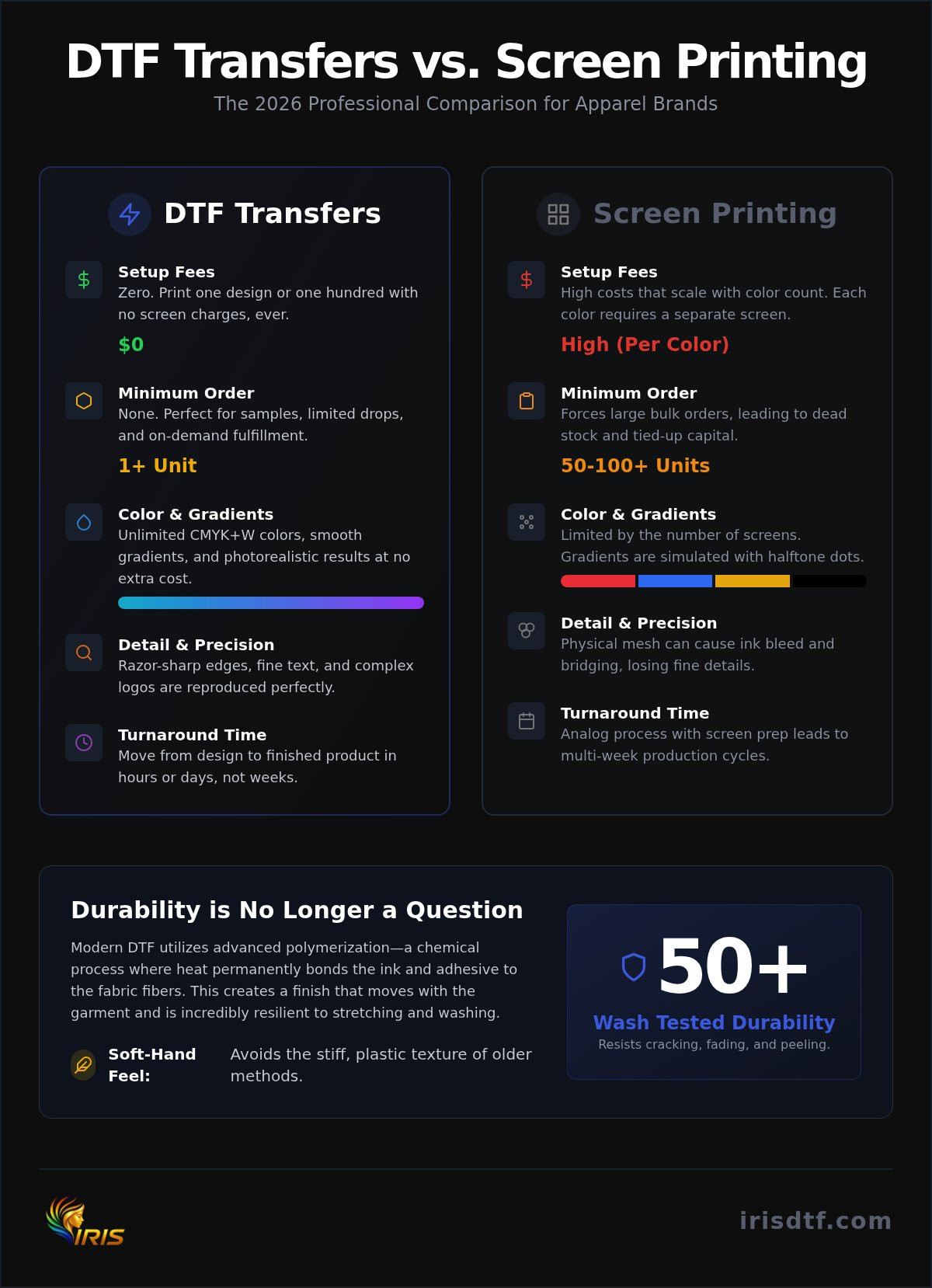
Traditional screen printing relies on physical mesh, darkrooms, and heavy chemistry. It's a bulky, analog process that hasn't changed much in decades. In contrast, custom dtf transfers represent the digital evolution of the industry. When comparing custom dtf transfers vs screen printing, the most immediate difference is the barrier to entry. Screen printing hits your wallet before the first shirt is even printed. You're paying for every screen burned. If your logo has six colors, that's six screens and six separate setup fees. DTF skips the chemistry lab entirely.
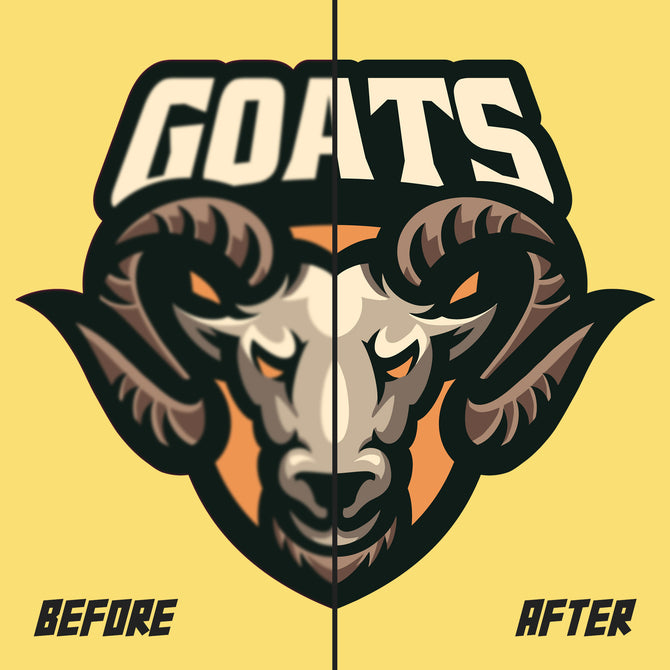
Color complexity is another major hurdle for traditional methods. Screen printing struggles with gradients and shading. It relies on halftones, which are tiny dots that try to trick the eye into seeing a fade. DTF uses high-fidelity CMYK+W ink profiling to produce photorealistic results with zero extra cost, regardless of the color count. While national screen printers often quote two to three weeks for delivery, local Richardson production allows for turnarounds measured in hours or days. Speed is the new currency in the 2026 apparel market. We've streamlined the workflow so you can move from design to finished product without the typical industry lag.
The End of Minimums and Setup Fees
Inventory is a liability. Bulk screen printing often forces you to order 50 or 100 units just to break even on those initial setup costs. This creates "dead stock" that gathers dust while tying up your capital. Digital transfers flip the script. You can print one sample for a photoshoot or 500 pieces for a local event without re-burning a single screen. It's the ultimate tool for rapid prototyping. Launch a limited drop today and restock only what actually sells tomorrow. You're scaling your brand on your own terms, not the printer's schedule. This flexibility allows you to pivot quickly when a design goes viral.
Detail and Gradients: Where Digital Dominates
Precision matters for professional branding. Screen printing ink can bleed or bridge small gaps in fine text because of the physical mesh limitations. Digital transfers maintain razor-sharp edges on lines as thin as 0.5 points. Complex brand logos with drop shadows, glows, and intricate patterns remain crisp and vibrant. You get photorealistic precision that analog methods simply can't touch. Your designs look exactly like your digital files. This ensures your brand identity stays consistent across every garment, from heavy hoodies to lightweight polyester performance tees. It's about delivering a retail-quality product every single time.
The Technical Standard: Why Durability is No Longer a Question
Durability used to be the primary argument against digital methods. That's no longer the case in 2026. The technical debate of custom dtf transfers vs screen printing now centers on the science of polymerization. This is the chemical process where heat curing creates a permanent bond between the ink, the adhesive, and the fabric fibers. Unlike older heat transfer technologies, modern DTF doesn't just sit on the surface. It integrates with the material. This creates a finish that is incredibly resilient to the mechanical stress of a washing machine.
We've set a high bar for performance. Our transfers are wash-tested for 50+ laundry cycles without showing signs of cracking or significant fading. This longevity matches or exceeds traditional methods. Stretch-test performance is equally vital. Because the cured TPU adhesive remains flexible, the print moves with the garment. It won't snap or peel when the fabric is pulled. This results in a soft-hand feel that avoids the stiff, plastic-y texture of the past. You get the comfort of a water-based screen print with the durability of heavy-duty industrial ink.
Advanced DTF Ink Chemistry
Retail-ready results require a solid foundation. High-opacity white ink is that foundation. It provides the necessary underbase to make colors pop on dark garments. Without it, you fall into the "dull print" trap where designs look muddy. Our professional CMYK profiling ensures high-fidelity color accuracy across every batch. To maintain this quality, our professional-grade machines utilize constant ink circulation. This prevents pigment settling and ensures every drop of ink performs exactly as intended from the first print to the last.
Powder Adhesion and PET Film Coating
The texture of your final product depends heavily on the TPU adhesive powder grain size. We use specific formulations to ensure a thin, breathable bond. This is paired with premium PET film coatings designed for clean releases. You won't find jagged edges or stray adhesive "halos" around your designs.
- Fine-grain TPU powder for a thinner, softer finish.
- Premium PET film for sharp, high-definition edges.
- Internal quality control for every Richardson-printed batch.
Commercial Logic: Scaling Your Brand with DTF and UV DTF
Scaling a brand requires lean operations. Choosing between custom dtf transfers vs screen printing is often a decision based on your balance sheet. Screen printing demands massive upfront investment in stock. You're guessing which sizes and colors will sell months in advance. DTF allows you to pivot instantly. You keep your blanks separate from your designs. This on-demand model means you never sit on dead inventory. It's about financial agility. You only press what you've already sold, which keeps your cash flow healthy and your workspace organized.
The fabric versatility is another major commercial win. Screen printing often requires different ink types or chemical additives for different materials. One DTF transfer works on cotton, polyester, and complex performance blends without changing your process. You don't need a massive industrial shop. You just need a heat press and a reliable Richardson partner. This efficiency is why DFW entrepreneurs are moving away from traditional analog methods. It's a faster, smarter way to build a retail-ready brand in 2026. You aren't just buying prints; you're buying a more efficient business model that values your time.
Mastering the Gang Sheet for Maximum Value
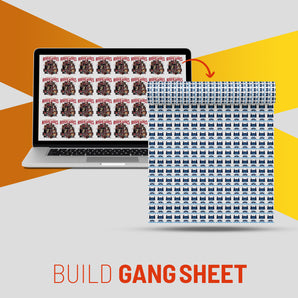
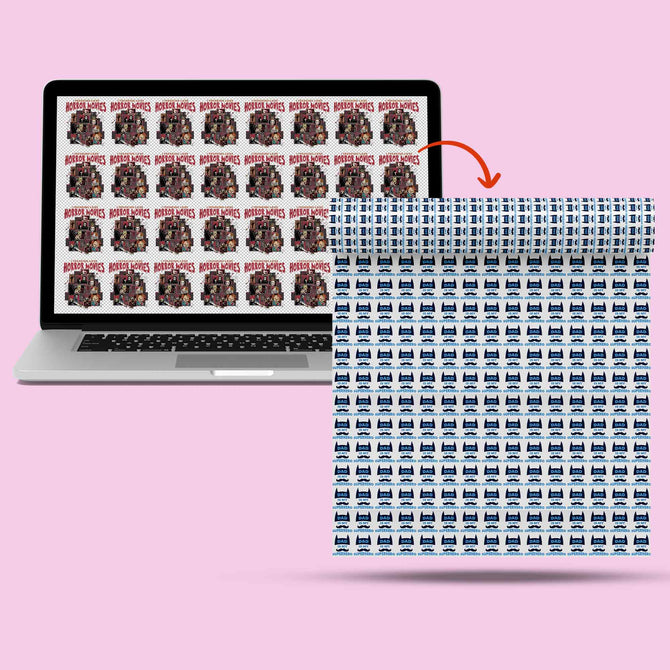
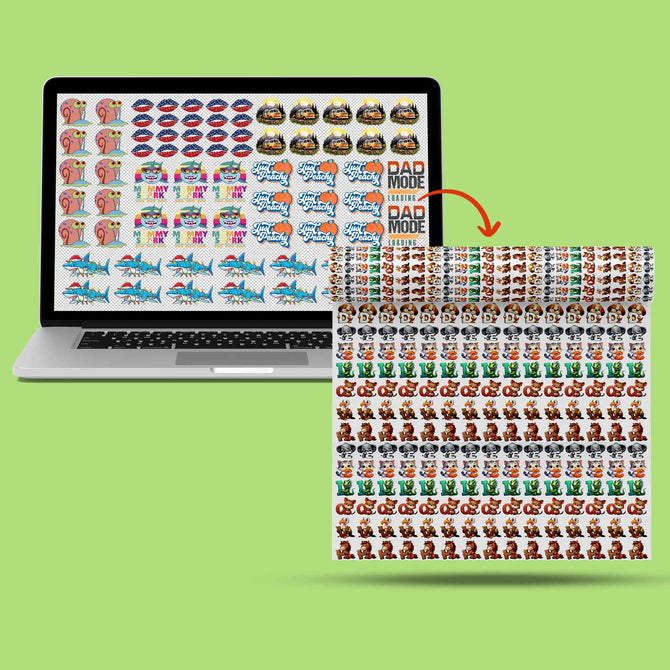
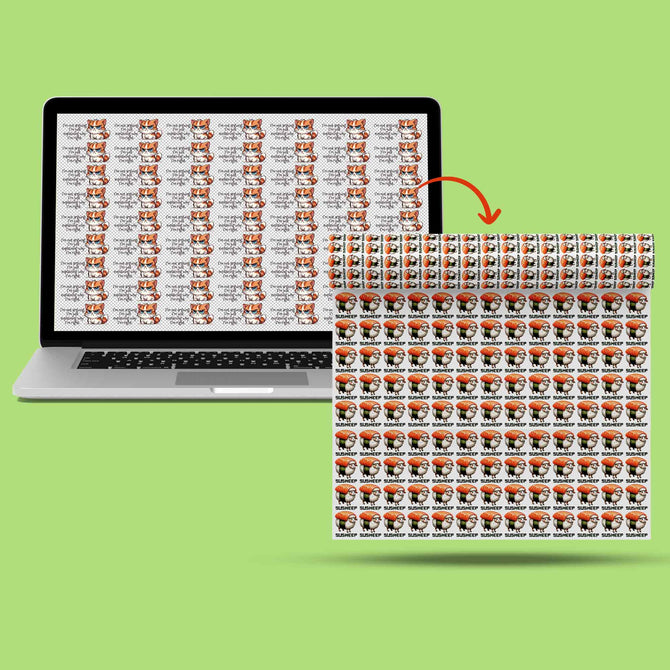
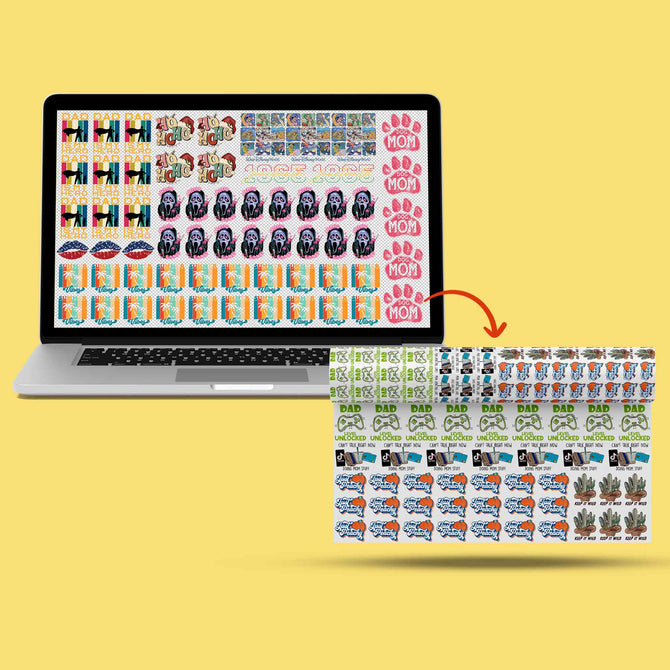
Efficiency starts with the digital layout. Using dtf gang sheets is the secret to maximizing your ROI. You arrange multiple logos, neck labels, and sleeve hits on a single film roll. This lowers your per-unit cost significantly. Don't make the mistake of overlapping designs or ignoring safety margins. We recommend keeping at least 0.25 inches between graphics to allow for quick, clean cutting. This "Ready-to-Press" advantage keeps your production line moving without interruption. It's high-volume output with low-volume risk. You're squeezing every cent of value out of every square inch of film.
UV DTF Transfers: Beyond Apparel
Branding doesn't stop at t-shirts. UV DTF stickers allow you to expand into hard goods without investing in expensive direct-to-substrate machinery. These transfers are perfect for tumblers, laptops, toolboxes, and glass. The application is a simple "no-heat" process. You peel, stick, and rub the design onto the surface. It's rapidly replacing traditional vinyl because it offers superior detail and a much stronger bond. These prints are scratch-resistant and waterproof. They stay vibrant on surfaces that take a beating. It's an essential tool for creating a cohesive brand experience across every customer touchpoint, from the hoodie they wear to the water bottle they carry.
The 5-Step Success Framework for Ordering Custom Transfers
Success in 2026 isn't about luck; it's about a repeatable system. When evaluating custom dtf transfers vs screen printing, the digital route offers a much simpler path to a finished garment. Screen printing requires a lab-like environment for burning screens and mixing emulsions. DTF requires a structured digital workflow. We've distilled our 10+ years of DFW expertise into a 5-step framework that guarantees professional results every time. It's about precision from the first pixel to the final press.
Step one begins with high-resolution artwork. Your file must be 300 DPI with a transparent background. Step two involves choosing the right blank apparel for your project. While DTF is versatile, the fabric weight and weave affect how the transfer sits on the garment. For step three, upload your designs. Whether you're using a single logo or a full gang sheet, our Richardson facility processes files with high-fidelity CMYK+W profiling. Step four is the heat press execution. This is where the science of polymerization happens. Finally, step five is the "second press." This final five-second hit locks the ink into the fibers for that 50+ wash durability we guarantee.
Professional Artwork Standards
Accuracy begins in the design software. CMYK color mode is non-negotiable. If you design in RGB, your physical prints won't match your screen. Check your files for "stray pixels." These are tiny, nearly invisible dots around your logo. Our printers see these and will lay down a white ink underbase for them, creating unwanted specks on your shirt. A clean, 300 DPI PNG ensures sharp, retail-quality edges that stand out in a crowded market. It's the difference between a garage-made look and a professional brand.
Heat Press Settings for 2026 Standards
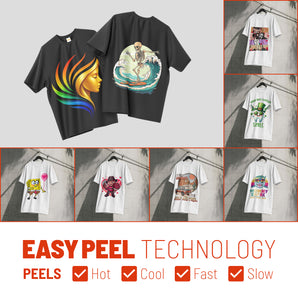
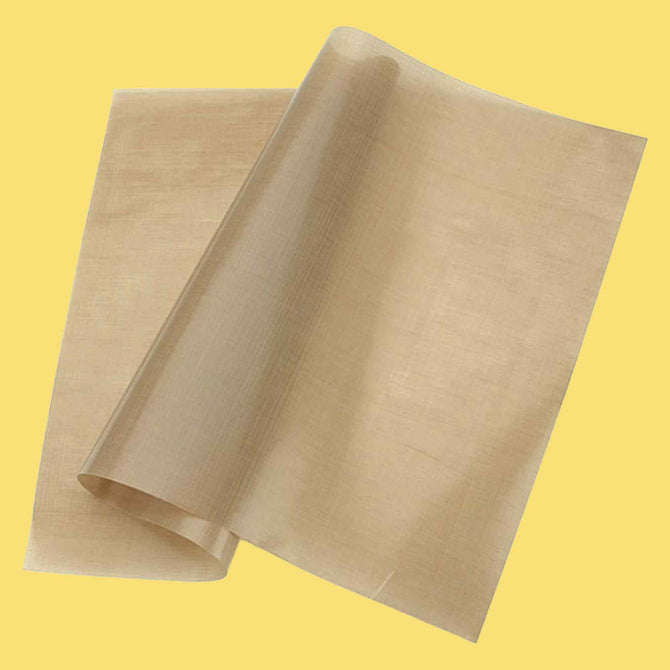
Temperature and time are vital, but pressure is the most overlooked factor in the shop. You need "firm" pressure to drive the TPU adhesive into the fabric weave. Follow the specific film rules: some require a "Hot Peel" immediately after pressing, while others need a "Cold Peel" to set properly. Always finish with a second press using parchment paper. This removes the plastic shine and creates a professional, soft-hand texture. It's a small step that makes a massive difference in the final feel of the garment.
Ready to start your next run? Upload your artwork now and let our Richardson team handle the precision printing for your brand.
Why DFW Brands Partner with Iris DTF in Richardson, TX
National aggregators can't compete with a local engine. When you weigh custom dtf transfers vs screen printing, proximity is your greatest asset. We've spent 10+ years as a pioneer in the North Texas printing scene. Our Richardson production facility isn't just a warehouse; it's a high-capacity powerhouse designed for precision. We serve as the "Ready-to-Work" partner for local sports teams and large-scale events that need results yesterday. You aren't just another order number in a national queue. You're a DFW neighbor with a brand to grow.
We've seen the industry evolve over the last decade. Many national firms treat the debate of custom dtf transfers vs screen printing as a race to the bottom on price. We treat it as a technical science. Our local facility allows for immediate quality control that national printers simply can't provide. If a file needs a minor adjustment or a color profile needs tweaking, we handle it with the expertise of a seasoned pro. That's the advantage of a partner with 10+ years of North Texas history. We aren't just shipping film; we're fueling the DFW economy one transfer at a time.
Local Pickup vs. National Lead Times
Why wait weeks for a shipment from across the country? Richardson businesses prefer dtf printing richardson tx because it eliminates the uncertainty of national lead times. We offer local pickup options for brands in Plano, Frisco, Garland, and Irving. This choice reduces your shipping costs and your carbon footprint. Whether you're handling regional corporate branding or a last-minute festival, local fulfillment keeps your production timeline tight. You can grab your transfers in the morning and have your apparel pressed by the afternoon. It's about maintaining momentum in a fast-paced market.
The Iris DTF Promise: Professional Reliability
Our approach is simple: no fluff, just high-fidelity results. We understand the high-capacity demands of commercial projects while remaining committed to the DFW creative community and small businesses. This pioneer expertise ensures that every batch meets our rigorous 50+ wash-test standard. We handle the technical science of ink chemistry and TPU adhesion so you can focus on your creative vision. It's time to stop gambling with overseas suppliers and start building with a partner who understands the North Texas market. Press with confidence; order your local custom transfers today and experience the speed of a true industry leader.
Build Your 2026 Apparel Empire with Local Precision
The landscape of apparel production has shifted. Choosing custom dtf transfers vs screen printing is no longer just about cost; it's about speed, agility, and versatility. You've seen how digital transfers eliminate the "dead stock" trap while providing retail-ready durability that survives 50+ washes. By following our success framework, you ensure every garment meets professional standards with razor-sharp edges and vibrant, high-fidelity colors.
Iris DTF brings 10+ years of printing expertise to your production line. Our Richardson, TX local facility provides the pro-grade color fidelity and rapid turnaround times your brand needs to stay competitive. We handle the technical science; you focus on the creative vision. It's time to stop waiting on national lead times and start scaling with a partner who understands the DFW market. Ready to work? Order Your Custom DTF Transfers from Iris DTF Today and experience the difference of pro-grade local production. Your brand's growth starts with a single press. Let's get to work.
Frequently Asked Questions
What is the minimum order quantity for custom DTF transfers?
There is no minimum order quantity for our transfers. You can order a single design or a full gang sheet depending on your current needs. This flexibility is a core advantage in the custom dtf transfers vs screen printing debate. It allows for rapid prototyping and limited edition drops without the financial burden of bulk inventory. You only pay for what you actually need, making it an efficient choice for growing brands.
How long do DTF transfers last after being pressed onto a shirt?
Professional DTF transfers are wash-tested to last for 50+ laundry cycles. This longevity is achieved through advanced polymerization where the TPU powder creates a permanent bond with the fabric fibers. The print remains vibrant and crack-resistant throughout the life of the garment. It's a durable solution that rivals traditional methods while maintaining a soft-hand feel that customers appreciate for daily wear. Your designs stay retail-ready for the long haul.
Can I apply DTF transfers with a home iron or do I need a heat press?
You should always use a professional heat press to ensure consistent results. While a home iron can generate heat, it lacks the heavy, uniform pressure required to drive the TPU adhesive into the fabric weave. Without firm, even pressure, the transfer may not bond correctly, leading to peeling or cracking after a few washes. A heat press guarantees the temperature and pressure needed for a professional, high-fidelity finish.
What file format is best for custom DTF printing?
The best file format is a high-resolution PNG with a transparent background. Your artwork should be set to 300 DPI to ensure sharp edges and fine detail in the final print. Designing in CMYK color mode is also vital for accurate color matching. Avoid using low-resolution JPEGs, as they lack transparency and will result in pixelated edges. Clean files are the foundation of a professional, high-fidelity product that stands out.
How do I know if I need a regular DTF transfer or a UV DTF sticker?
Choose regular DTF transfers for apparel and fabric items like hoodies, tees, or bags. If you are branding hard surfaces like tumblers, laptops, or glass, you need UV DTF stickers. UV DTF uses a no-heat application process that is scratch-resistant and waterproof. It's the ideal way to expand your brand identity beyond clothing and onto essential everyday hardware. Both options offer the same high-fidelity color profiling you expect from our facility.
Does Iris DTF offer same-day pickup for Dallas-Fort Worth customers?
We prioritize speed for our DFW partners, though pickup availability depends on current production volume. Most local orders are ready for pickup at our Richardson facility within 24 to 48 hours. This local access is a massive benefit when comparing custom dtf transfers vs screen printing lead times. Contact us directly to confirm your specific timeline and skip the national shipping delays that often slow down your business momentum.
What temperature and time should I use for pressing my transfers?
Most standard DTF transfers require a temperature of 300°F to 320°F for 12 to 15 seconds. Use firm pressure to ensure a complete bond with the garment. Always check if your specific film requires a hot peel or a cold peel after the initial press. We recommend a final five-second finishing press with parchment paper to lock in the texture and maximize the durability of the print for long-term wear.
Can DTF transfers be applied to polyester and nylon fabrics?
Yes, DTF transfers are exceptionally versatile and work on cotton, polyester, and nylon. Unlike screen printing, which often requires specific ink additives for synthetic materials, DTF adhesive bonds effectively to almost any fabric weave. This makes it the perfect choice for performance athletic wear, umbrellas, and windbreakers. You get consistent, high-quality results across your entire product line without changing your equipment or process. It's a truly universal branding solution.