Custom Heat Transfers: The Ultimate Reference Guide for Modern Apparel Brands

What Is This Article About?
Your brand's reputation shouldn't peel off in the wash. If you're still relying on bulky screen printing setups for every multi-color design, you're likely losing both time and money. High setup fees and slow turnaround times are the enemies of a growing apparel line. You need a solution that keeps pace with your creativity. High-quality custom dtf transfers have evolved into the industry's most versatile tool. They offer professional-grade results without the traditional equipment overhead.
We know the frustration of seeing a design crack or fade after just five laundry cycles. You want a reliable source for transfers that actually last. This guide will help you master the technical side of heat transfers so you can choose the most vibrant and cost-effective options for your business. We'll explore everything from 50+ wash durability standards to the critical 2026 CPSC compliance mandates. It's time to streamline your production and scale your brand with confidence.
Key Takeaways
- Understand why Direct-to-Film technology is replacing traditional vinyl and plastisol for high-detail, modern apparel branding.
- Learn how to use custom dtf transfers to eliminate high setup fees and complex weeding while maintaining professional-grade results.
- Master the specific time, temperature, and pressure variables required to achieve a 50+ wash durability rating on almost any fabric type.
- Discover how DTF Gang Sheets slash your production costs by optimizing your design layout for maximum material efficiency.
- Identify the operational benefits of partnering with a high-capacity production partner to ensure fast turnaround times for bulk orders.
Custom Heat Transfers: Defining the Modern Standard
Modern apparel branding moves at the speed of light. You need results now. In 2026, custom heat transfers represent the peak of digital decorating technology. They provide a bridge between complex digital designs and physical garments. This isn't just about sticking a label on a shirt. It's a precise chemical process that ensures your brand's identity remains intact through every wear and wash. For today's clothing lines, heat transfers are the primary engine for on-demand fulfillment. They allow for rapid scaling without the burden of unsold inventory.
The industry has shifted away from the heavy, plastic feel of the past. Traditional plastisol transfers and standard vinyl were once the only options. Now, custom dtf transfers have taken the lead. This technology utilizes a specific three-part system: a high-grade PET film carrier, specialized pigment inks, and a reactive adhesive powder. When heat is applied, the powder melts and creates a permanent bond with the fabric fibers. The result is a durable, high-resolution graphic that outperforms older methods in both detail and longevity.
The Evolution of Heat Applied Graphics
The transition from stiff graphics to "soft-hand" finishes has changed the consumer experience. Early transfers felt like a layer of cardboard on the chest. They were uncomfortable and prone to cracking. Digital printing has completely eliminated these issues. By removing the need for expensive screen setups and physical stencils, brands can now produce full-color imagery with zero setup fees. This shift has democratized high-end apparel production. Small boutiques and massive commercial brands now use the same high-resolution technology to achieve professional results.
Why Direct-to-Film (DTF) Dominates the Market
Efficiency is the ultimate competitive advantage. While traditional Heat Transfer Vinyl (HTV) is still useful for simple, single-color jobs, it fails when designs become complex. DTF technology removes the need for weeding. You don't have to spend hours picking tiny pieces of film out of a logo. It's a "press and go" workflow that slashes production time. Consider these benefits:
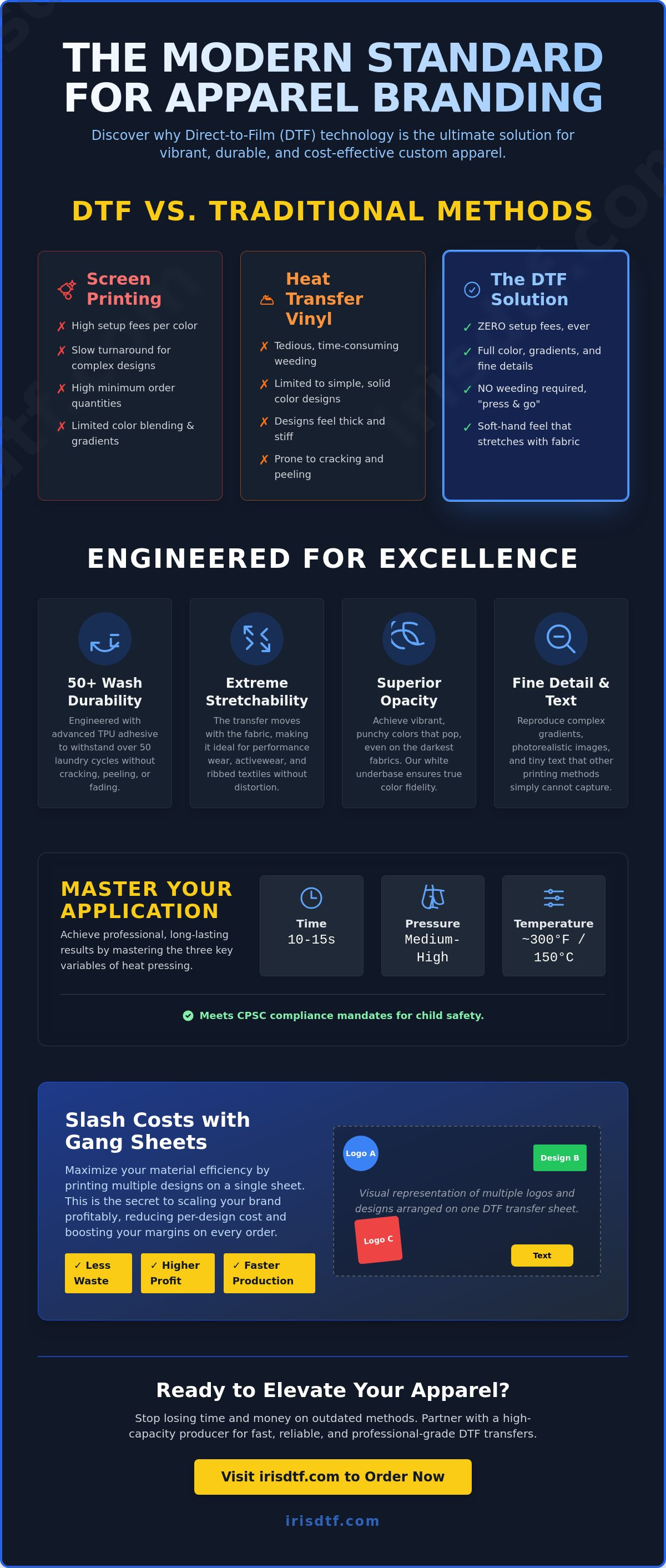
- Extreme Stretchability: The design moves with the fabric, making it perfect for activewear and performance blends.
- Superior Opacity: Colors remain vibrant and punchy even when applied to pitch-black garments.
- Wash Durability: Premium custom dtf transfers are engineered to withstand 50+ laundry cycles without fading.
- Fine Detail: Capture gradients, shadows, and small text that other methods simply can't replicate.
The secret lies in the TPU (Thermoplastic Polyurethane) adhesive powder. Unlike older adhesives that sit on top of the fabric, TPU creates a flexible, resilient link between the ink and the textile. This ensures the design won't peel or flake away after a few trips through the dryer. It's the reliable, professional-grade solution that modern brands demand.
DTF vs. Traditional Methods: Finding the Best Fit for Your Brand
Choosing your production method determines your profit margins. If you print 50 different designs, screen printing is a nightmare. If you print 5,000 of one design, it might make sense. But for the modern brand owner, flexibility is king. Custom dtf transfers bridge the gap between small-batch agility and bulk-order efficiency. They handle the complexity that traditional methods simply can't touch. This versatility allows you to test new designs without committing to massive inventory levels or high upfront costs.
DTF vs. Screen Print Plastisol Transfers
Screen printing relies on physical screens. Each color needs a separate setup. That translates to high minimums and expensive fees. DTF bypasses this entirely. You get CMYK precision without mixing a single drop of ink. Regarding durability, premium transfers now rival direct screen prints. They are engineered to meet strict federal safety requirements for consumer apparel. This ensures your designs stay vibrant and bonded for over 50 washes.
The Death of Weeding: DTF vs. Heat Transfer Vinyl (HTV)
Labor is your biggest hidden cost. If you're still using vinyl, you're spending hours weeding away excess material. It's a slow, manual process that limits your daily output. DTF eliminates weeding completely. It's a "press and go" system. You can print gradients, shadows, and thousands of colors in a single pass. Vinyl is often limited to solid blocks of color. DTF offers an unlimited palette, giving your designers complete creative freedom.
Adhesion is another critical factor. Vinyl often struggles with performance fabrics like nylon or high-stretch polyester. The TPU adhesive used in custom dtf transfers is specifically designed to flex. It creates a mechanical bond that doesn't peel. If you're ready to stop weeding and start scaling, looking into professional transfer solutions is a smart move. This shift allows you to focus on growing your brand rather than picking at scraps of vinyl and losing valuable production time.
Hand-feel determines a customer's first impression. Modern DTF has a lightweight, breathable finish. It doesn't feel like a thick sticker. It feels like part of the garment. This soft-hand quality is essential for high-end streetwear and athletic brands that prioritize comfort. You want your customers to focus on the design, not the texture of the print. By choosing the right method, you ensure every piece in your collection feels like a premium product that people actually want to wear.
The Technical Reference Guide: Application, Fabrics, and Durability
Precision is the difference between a professional garment and a DIY project. To achieve retail-quality results with custom dtf transfers, you must master the relationship between three critical variables. Time, temperature, and pressure aren't just suggestions. They're the blueprint for a permanent bond. If one variable is off, the transfer may fail. We focus on a "one-press" mindset to ensure your production line stays moving without costly reworks.
Temperature and Time Settings for Every Material
Most standard heat presses should be set between 300°F and 320°F for 10 to 15 seconds. This range works perfectly for 100% cotton and common poly-blends. However, performance synthetics require a lighter touch. Lowering the temperature to 280°F prevents garment scorching or "bruising" on delicate athletic fabrics. Always use medium-to-firm pressure. High pressure forces the adhesive into the textile's weave, ensuring the graphic won't lift after the first wear. Consider this compatibility matrix for your next run:
- 100% Cotton: 310°F for 15 seconds; firm pressure.
- Polyester Blends: 300°F for 12 seconds; medium pressure.
- Tri-Blends: 290°F for 12 seconds; medium pressure to avoid fabric sheen.
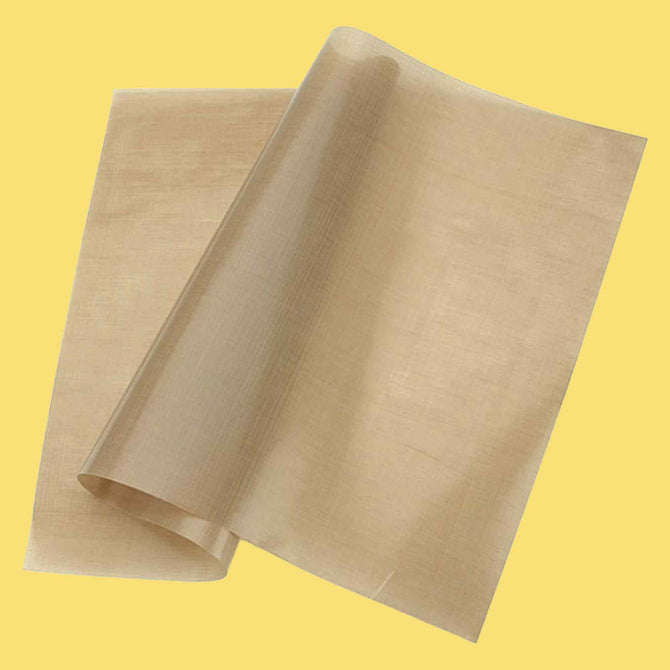
- Nylon and Spandex: 280°F for 10 seconds; use a protective finishing sheet.
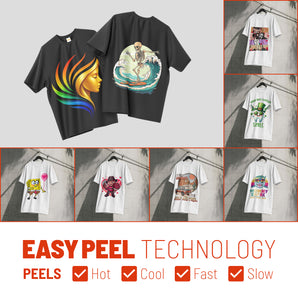
The choice between hot peel and cold peel depends on the specific film used. Hot peel films allow for immediate removal, which speeds up high-volume production. Cold peel requires the garment to reach room temperature before the film is lifted. Regardless of the peel type, the "second press" secret is non-negotiable. After removing the film, press the design again for 5 seconds using a finishing sheet. This final step softens the hand-feel and locks the edges down for a seamless finish.
Ensuring Long-Term Washability
Durability isn't accidental. Premium custom dtf transfers are engineered to withstand 50+ laundry cycles when applied correctly. This longevity is rooted in the chemistry of the adhesive. The ink-to-fiber bond occurs when the TPU adhesive melts into the fabric's weave, locking the pigment into the material rather than letting it sit on the surface. This mechanical link prevents the cracking and peeling seen in older transfer technologies. It's a professional-grade solution built for the real world.
To maximize the life of the print, advise your customers on proper care. Washing garments inside out protects the graphic from the abrasive action of the washing machine drum. Using low-heat drying or air-drying further preserves the elasticity of the bond. These simple steps ensure the design looks as vibrant on the fiftieth wash as it did on the first. It's about delivering a product that lasts as long as the brand itself.
Maximizing Value: Gang Sheets and Wholesale Solutions in DFW
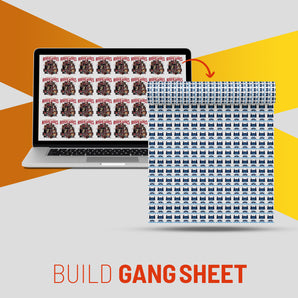
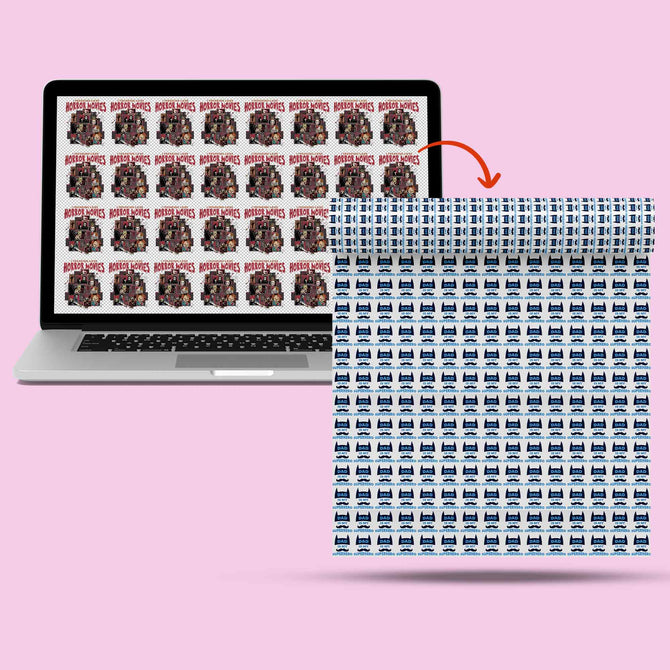
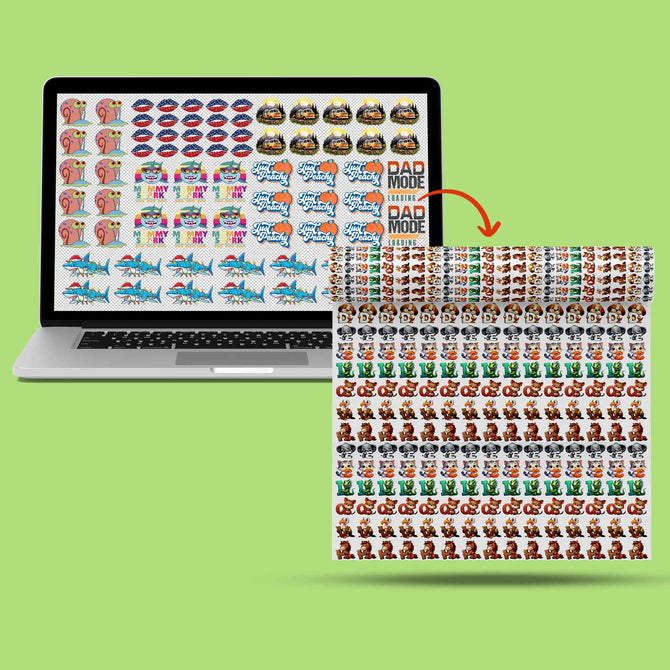
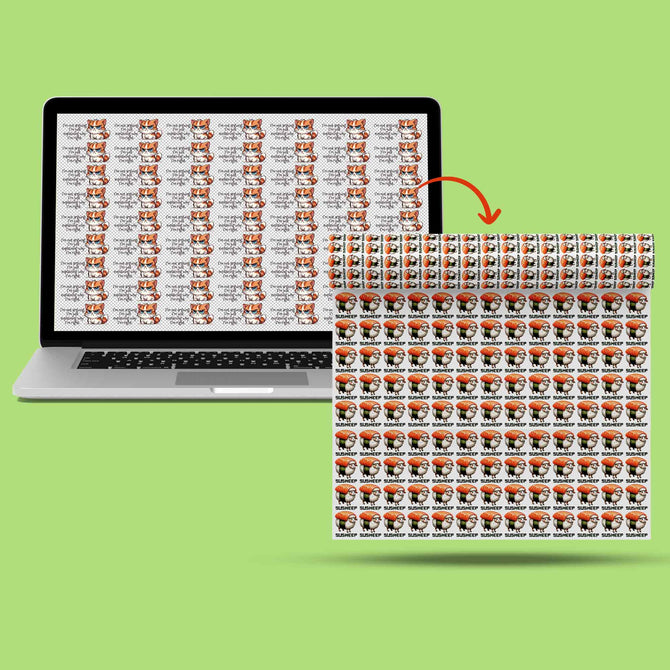
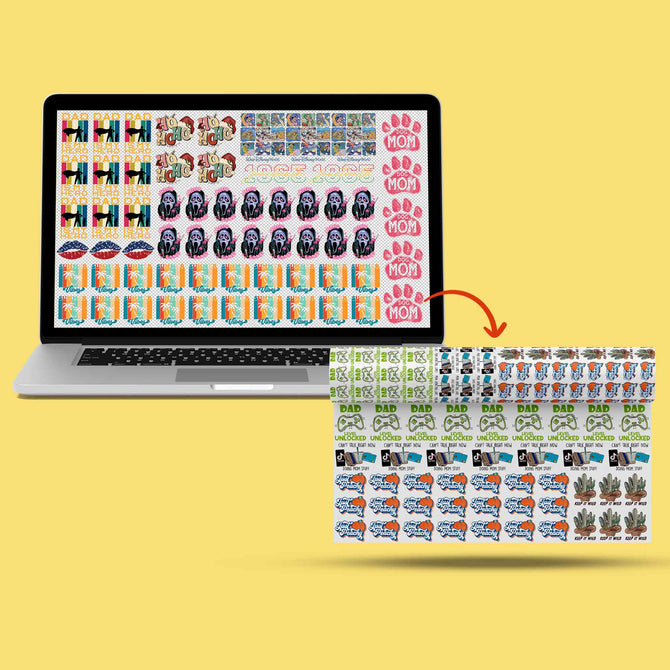
Efficiency is the key to scaling. Stop paying for empty space. Gang sheets allow you to group multiple designs on a single roll of film. This approach slashes your cost-per-print and maximizes every square inch of material. For Richardson-based clothing startups, this is the fastest way to build a diverse inventory without a massive upfront investment. You aren't just buying prints. You're buying production speed. By utilizing custom dtf transfers in a gang sheet format, you eliminate the waste associated with single-image orders.
Strategic layout is essential. Don't just throw logos on a page. Organize your sheet to include neck labels, sleeve prints, and chest logos in one run. This methodical approach ensures your "Ready-to-Work" inventory is always stocked. It's about working smarter. If you have a large chest piece, tuck smaller pocket logos into the negative space around it. This maximizes your film usage and provides you with extra branding assets for free. It turns every order into a high-capacity production run.
Designing Your Perfect Gang Sheet
Professional results require professional files. Your artwork must be at least 300 DPI for crisp edges. Low-resolution files will result in pixelated prints that damage your brand's reputation. Use transparent backgrounds to avoid unwanted borders or white boxes. We recommend working in the CMYK color space to ensure what you see on the screen matches the final print. Leave at least a half-inch safety margin between designs. This makes cutting and heat pressing much easier. Got small gaps? Fill them with tiny "bonus" logos or social media handles. Every inch is an opportunity for branding.
UV DTF Stickers for Hard Goods
Expand your brand beyond the hanger. UV DTF stickers allow you to apply high-quality branding to almost any hard surface. No heat press is required. These are "peel and stick" transfers designed for tumblers, laptops, and glass. They are incredibly durable. They resist scratches and water, making them perfect for outdoor gear or high-touch items. Cross-selling custom accessories alongside your apparel line is a proven way to increase your average order value. It creates a cohesive brand experience that goes wherever your customers do, and for businesses looking to extend this quality to custom packaging and commercial collateral, Micro Printing provides the necessary expertise.
Wholesale solutions in the DFW area are designed to support high-capacity production. As your volume increases, your costs should decrease. We offer tiered solutions that reward growth. This allows you to scale from a few dozen shirts to thousands of units without changing your workflow. If you want to maximize your production budget, build your custom gang sheet today and see how much you can save.
Partnering with Iris DTF: Premium Transfers from Richardson
Your production schedule doesn't have room for delays. Results matter. Speed is everything. Local DFW brands choose Iris DTF because we understand the pressure of a deadline. Based in Richardson, we've spent over 10 years perfecting the art of the print. We aren't just a vendor. We're a partner in your success. Our "Ready-to-Work" commitment means you receive high-quality custom dtf transfers that are ready for immediate application. No guesswork. No excuses. Just precision.
We've built our reputation on reliability. As a pioneer in the Richardson market, we've seen the industry evolve from basic vinyl to the advanced digital solutions of today. This history gives us a unique perspective. We know how to handle massive commercial demands. We also know how to support small-scale individual projects. It's about flexibility. It's about having a can-do spirit that turns your creative ideas into physical products. Our internal processes are just as streamlined as our communication. We use the latest technology to ensure your brand is durable and compliant with modern standards. We handle the technical complexity so you don't have to.
DFW Local Pick-up and Rapid Shipping
Proximity is a competitive edge. Serving Dallas, Plano, Frisco, and the entire metroplex, our Richardson facility offers local pick-up to eliminate shipping costs entirely. For Texas-based brands, this means faster lead times and lower overhead. Why wait for a cross-country shipment? You can visit our facility and see a professional-grade partnership in action. We provide the speed you need to keep your inventory fresh and your customers happy. It's streamlined. It's efficient. It's built for your growth.
Blank Apparel Synergy
Success requires a perfect match. We combine premium custom dtf transfers with the industry's best blank apparel. From the heavy-duty weight of Shaka Wear to the vintage feel of Comfort Colors, we source the garments your customers actually want. This one-stop-shop approach ensures your transfers bond perfectly with high-quality fabrics. You get consistent results every time. Don't settle for mediocre prints on cheap shirts. Order your custom transfers today from Iris DTF and experience the difference that 10 years of pioneer expertise makes for your brand. We're ready to work.
Scale Your Apparel Brand with Professional Precision
Your brand's success depends on the quality you deliver to your customers. You now have the technical roadmap to master heat application and fabric compatibility. You understand how gang sheets maximize your budget and how the right adhesive chemistry ensures a permanent bond. It's time to stop worrying about peeling designs and start focusing on growth. High-quality custom dtf transfers provide the versatility and durability required to compete in today's fast-paced apparel market.
Partner with a seasoned expert who shares your commitment to excellence. With over 10 years of DTF expertise and a Richardson-based local production facility, we're built to handle your high-capacity needs. Every print comes with our 50+ wash-tested durability guarantee. We remove the guesswork from your production line. We're ready to work on your next project. Upload Your Art and Order Custom DTF Transfers Now. Let's build a clothing line that stands the test of time and looks great after every wash.
Frequently Asked Questions
How long do custom DTF transfers last on a t-shirt?
Premium transfers are engineered to withstand 50 or more laundry cycles without significant fading or cracking. This durability comes from the mechanical bond between the ink and the fabric fibers. To maximize this lifespan, wash garments inside out and avoid high-heat drying. It is a professional-grade solution built for the real world. Your designs will stay vibrant and intact for the life of the garment, ensuring your brand maintains its premium look.
Can I apply DTF transfers with a home iron?
We don't recommend using a home iron for professional results. A standard heat press is essential for consistent temperature and heavy, even pressure. Home irons often have uneven heat distribution and lack the force needed to drive the adhesive into the fabric fibers. For a reliable bond that survives the wash, always use a professional-grade heat press. It ensures your branding won't peel or lift after the first wear.
What is the best temperature for pressing custom heat transfers?
The standard temperature range for pressing custom dtf transfers is between 300°F and 320°F. This setting works perfectly for 100% cotton and most polyester blends. If you're working with heat-sensitive synthetics, you should drop the temperature to 280°F to avoid garment scorching. Always press for 10 to 15 seconds with medium-to-firm pressure. Precise temperature control is the secret to a permanent, professional finish that won't fail your customers.
Do I need to weed custom DTF transfers like I do with vinyl?
You never have to weed a DTF transfer. This is one of the biggest advantages of the technology. The design is printed directly onto the film with the adhesive already applied only to the inked areas. You simply press the film and peel it away. This "press and go" workflow saves hours of labor compared to traditional vinyl. It allows you to focus on scaling your brand instead of picking at scraps. You get complex, multi-color results with zero manual effort.
What file format do I need for high-quality custom heat transfers?
High-quality results require a high-resolution PNG file with a transparent background. Your artwork must be at least 300 DPI to ensure crisp edges and fine detail. We recommend working in the CMYK color space to achieve the most accurate color reproduction in the final print. Avoid low-resolution JPEGs, as they often result in pixelated graphics and unwanted white borders. Professional files lead to professional garments every time, maintaining your brand's authority in the market.
Will DTF transfers work on 100% polyester athletic wear?
Yes, custom dtf transfers work exceptionally well on 100% polyester and other performance synthetics. The TPU adhesive used in the process is highly flexible, allowing the design to stretch with the fabric without cracking. This makes it the ideal solution for jerseys, leggings, and moisture-wicking gear. Lower your press temperature to 280°F for these materials. It ensures a strong bond while protecting the delicate fibers of the athletic wear from heat damage.
What is a gang sheet and how does it save me money?
A gang sheet is a single roll of transfer film that contains multiple designs grouped together. By filling every square inch of the film with logos and labels, you slash your cost-per-print. This method eliminates the waste of single-image orders and maximizes your production budget. It is the most efficient way for DFW brands to source diverse inventory. You aren't just buying prints; you're buying a streamlined wholesale solution designed for rapid brand growth.
How do I know if my heat press pressure is high enough?
You should feel significant resistance when closing your heat press. If the handle snaps shut too easily, your pressure is too low. A perfect press often leaves the faint texture of the fabric weave visible in the design after the second press. This indicates the ink has been driven deep into the fibers for a permanent bond. Proper pressure is critical; it ensures the adhesive creates a mechanical link that won't fail or peel in the wash.