DTF Transfer vs. Iron-On: Which Is Better for Your Apparel Brand in 2026?

What Is This Article About?
How much is a "cheap" iron-on actually costing your brand when customers demand a refund after the third wash? You likely started with iron-ons because they're accessible. Weeding vinyl and pressing at the kitchen table is a rite of passage for many creators. But as you scale for 2026, the hours spent picking out tiny details and the complaints about thick, "plastic-y" designs are holding you back. You need to know if the dtf transfer vs iron on debate is just industry hype or a necessary evolution for your business.
We know the frustration of seeing your hard work peel away. You want vibrant, full-color designs that feel like part of the fabric. Retail quality matters. This guide delivers the critical facts on durability, feel, and production speed so you can make the right call for your shop. We'll look at the technical shift from simple heat adhesion to the professional chemical bonds that define modern apparel. Stop weeding. Start growing. It's time to build a brand that lasts.
Key Takeaways
- Stop settling for thick, plastic-like textures and discover how DTF creates a soft, retail-ready feel that bonds directly to the fabric.
- Compare the longevity of each method and see why professional transfers are rated for over 50 industrial wash cycles without cracking or peeling.
- Eliminate the weeding bottleneck by understanding the massive production advantages of a dtf transfer vs iron on for bulk orders and gang sheets.
- Learn why a professional heat press is the non-negotiable tool for securing a permanent bond that home irons simply cannot match.
- Scale your DFW apparel brand faster by leveraging local expertise and precision quality control for every custom order.
Defining the Technology: What is DTF vs. Traditional Iron-On?
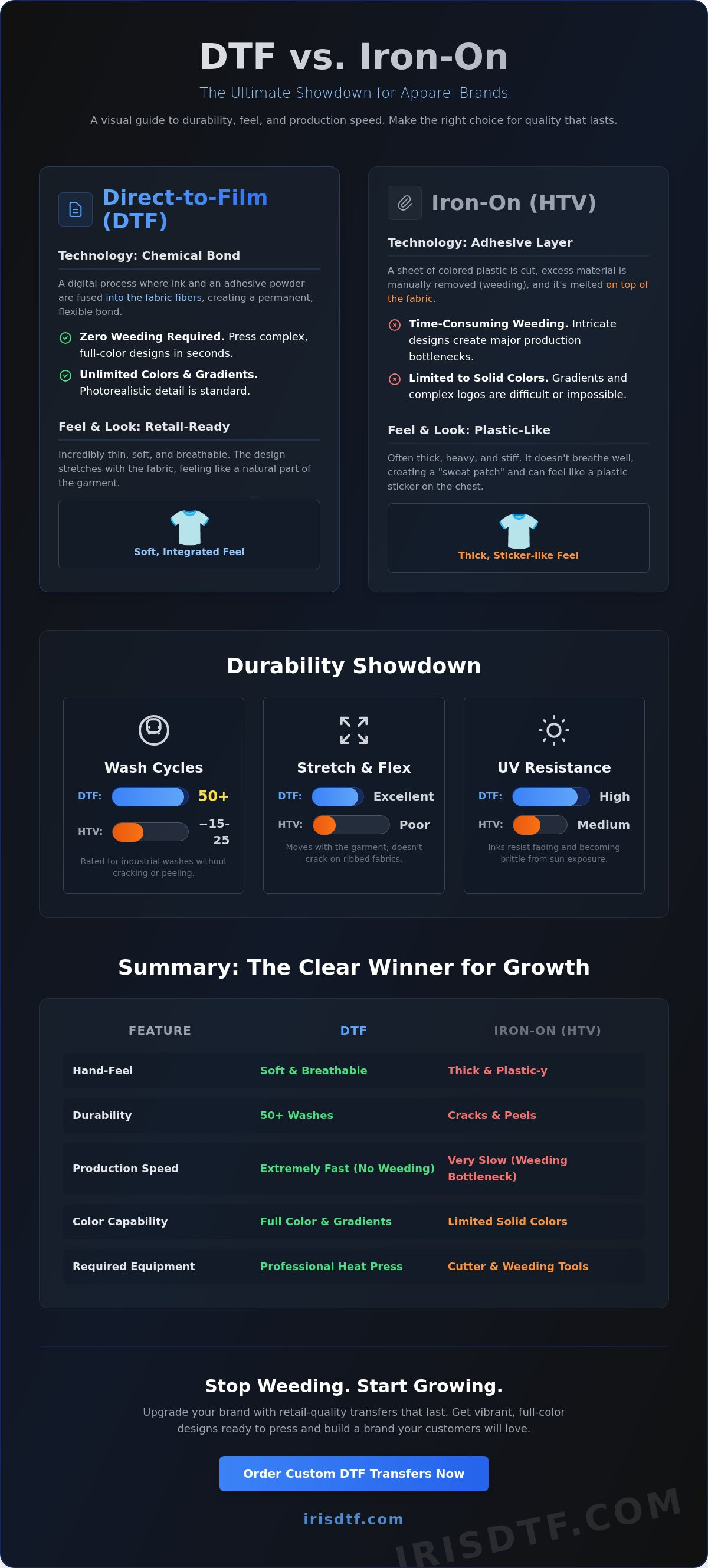
Understanding the dtf transfer vs iron on comparison starts with identifying exactly what you are pressing. Traditional "iron-on" usually refers to Heat Transfer Vinyl (HTV). This is a solid sheet of colored plastic that a plotter cuts into shapes. You then spend hours "weeding," which means peeling away the excess material by hand. Then there is DIY iron-on paper. You print on it with a standard home inkjet, but it often leaves a stubborn, visible "box" of clear adhesive around your graphic. It looks amateur. It feels cheap.
Direct-to-Film (DTF) flips this script entirely. It is a digital process where specialized ink is printed onto a clear, coated film. A Thermoplastic Polyurethane (TPU) adhesive powder is applied to the wet ink and cured. By 2026, the market has shifted almost entirely toward DTF because it handles complex, full-color designs with zero weeding required. You get pixel-perfect accuracy without the manual labor.
The Anatomy of a Heat Transfer
HTV relies on a physical adhesive layer pre-melted onto the back of the vinyl. It sits on top of the fabric like a heavy sticker. DTF is different. The TPU powder creates a chemical bond that fuses the ink into the fibers of the garment. For DFW apparel startups, the biggest win isn't just the bond; it is the time saved. Weeding is the #1 production bottleneck. If your design has small text or intricate lines, weeding can take ten minutes per shirt. With DTF, you just press and peel. It is that simple.
Visual and Tactile Differences
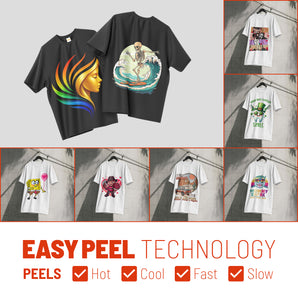
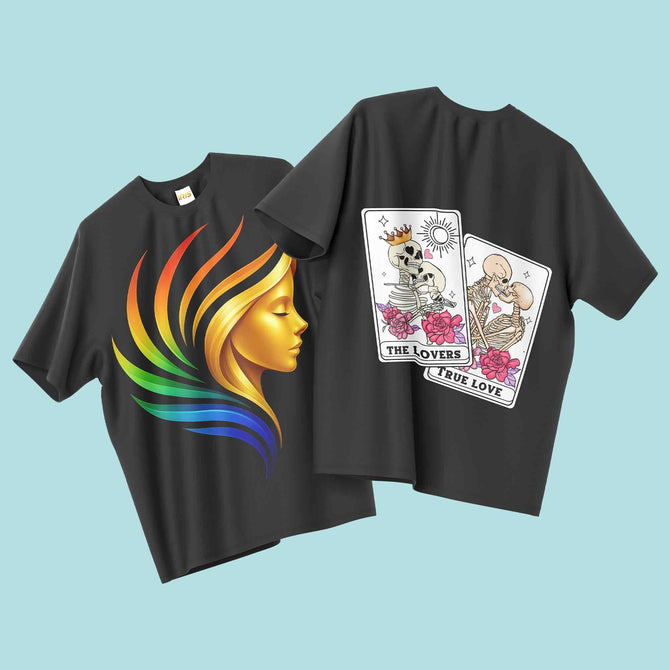
The "hand-feel" is where your customers notice the difference immediately. Iron-ons often feel thick and heavy. They don't breathe, which leads to the "sweat patch" effect under the design. DTF transfers are incredibly thin. They stretch and move with the fabric. Because it is a digital print, you get stunning color depth. Gradients and high-resolution photos that are impossible with vinyl become standard. Plus, DTF allows for "floating" elements. You can print a complex logo with dozens of separate pieces, and they all transfer perfectly without a clear background or a connecting "bridge" of vinyl. Your brand deserves that retail-ready finish.
Durability Showdown: Wash Tests and Longevity
Your brand's reputation lives or dies in the laundry room. A shirt that looks great on day one but peels by month three is a customer service nightmare. When comparing dtf transfer vs iron on, durability is the primary differentiator. Professional Direct-to-Film (DTF) printing is rated to withstand 50+ industrial wash cycles without fading or losing its bond. It is built for the long haul. It stays vibrant while other methods wash out.
DTF also wins the "Stretch Test." While traditional vinyl often buckles or snaps on ribbed fabrics and spandex, DTF moves with the garment. It doesn't crack under tension. For brands in Dallas, UV resistance is equally critical. Our high-intensity sun can bake iron-ons until they become brittle and flake away. DTF inks are formulated to resist this environmental stress. This makes them the superior choice for outdoor events, high-performance activewear, and local team sports.
Why Iron-Ons Crack and Peel
Heat-cycle degradation is the silent killer of heat transfer vinyl. Every time a garment goes through a hot dryer, the adhesive on the back of the vinyl gets slightly more brittle. Large, solid designs eventually feel like a rigid "shield" on the chest. This lack of breathability and flexibility leads to the edges lifting. Eventually, you see the colors bleed into the fabric or the design simply snap in half. If you have seen a logo look like a cracked desert floor, you have seen the limits of DIY iron-ons.
The DTF Advantage in the Laundry Room
DTF stays flexible because the ink itself is elastic. Whether you use a "hot peel" or "cold peel" film, the initial bond is just the start. The ink remains pliable through dozens of drying cycles. To lock in this performance, always perform a "second press." Cover the design with parchment paper and press for five seconds after the film is removed. This drives the adhesive deep into the fabric fibers. It is a small step that guarantees a professional finish. If you're tired of designs failing your customers, switching to custom DTF transfers is the most efficient upgrade you can make.
Production Efficiency: Speeding Up Your DFW Business
Efficiency isn't just a buzzword. For an apparel brand in the Dallas-Fort Worth metroplex, it is the difference between profit and burnout. When you weigh the dtf transfer vs iron on options, the conversation usually starts with cost. However, savvy business owners in Richardson are looking at the clock. Time is your most valuable asset. If you spend three hours weeding a single batch of shirts, you aren't a business owner; you are a manual laborer.
The shift toward professional transfers is driven by the need for speed. Traditional iron-ons require physical cutting paths and manual intervention. DTF is a digital-first workflow. You send a file, and the printer handles the complexity. There are no blades to calibrate. No scrap vinyl to toss. You get high-speed output that keeps your production line moving. This is how local brands are scaling without adding more staff.
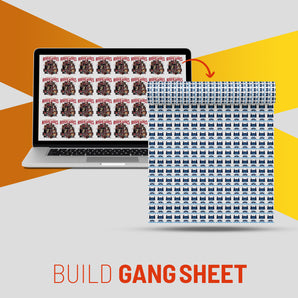
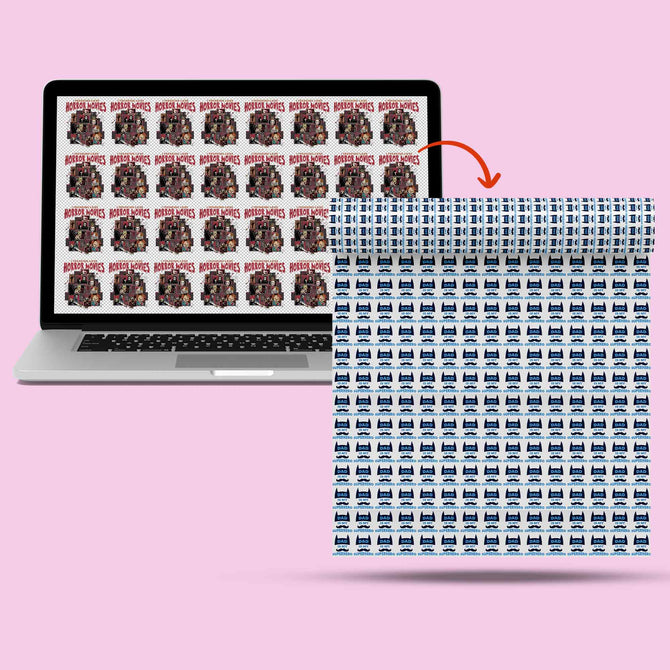
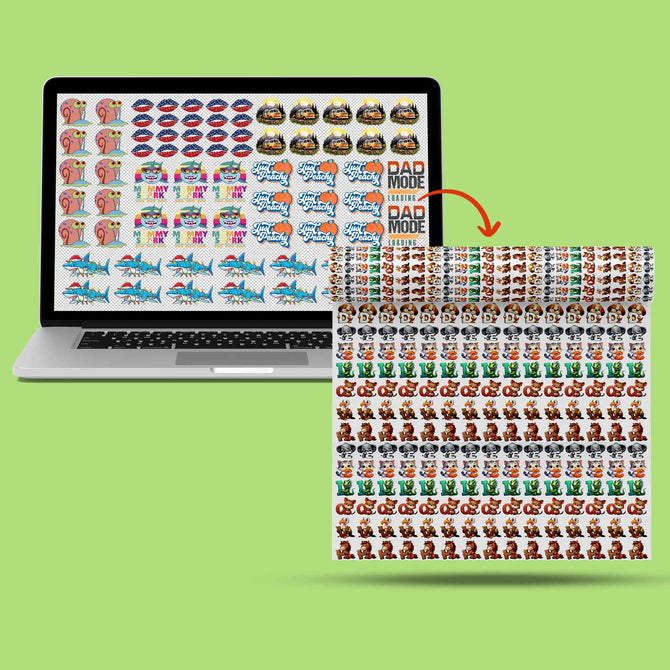
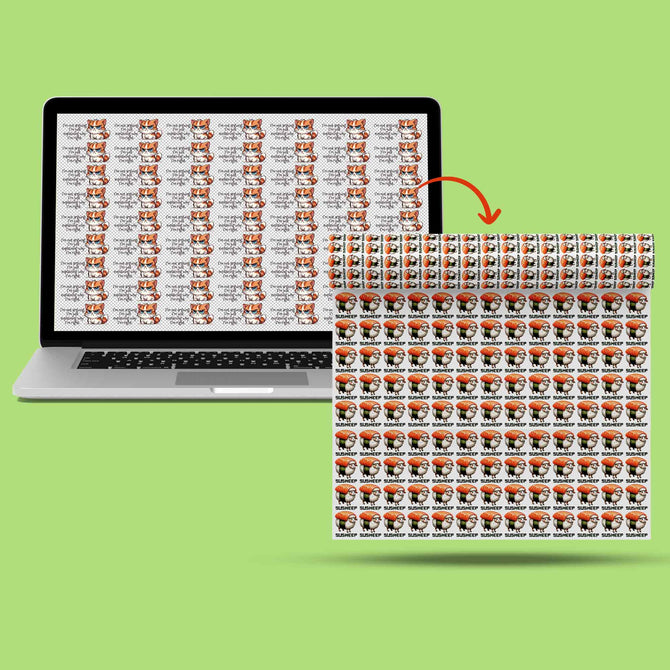
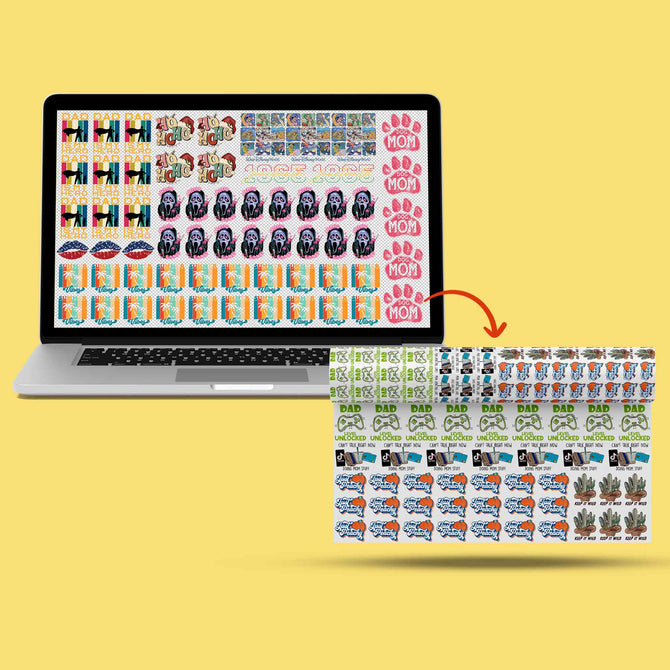
ROI increases exponentially with DTF Gang Sheets. Instead of processing one logo at a time, you can gang 50 or 100 designs onto a single sheet. This maximizes every inch of film. It slashes your cost-per-print. For a growing brand, this versatility is essential. You can mix different logos, sizes, and colors on one roll. It is a streamlined solution for a fast-paced market.
The 'No-Weed' Revolution
Stop the pick-and-pull madness. DTF eliminates the weeding process entirely. This isn't just about saving time; it's about design freedom. Iron-on vinyl struggles with fine lines and tiny text. If the blade can't cut it, you can't sell it. DTF handles intricate details with ease. You can scale from 5 shirts a day to 500 without breaking a sweat. Your production capacity is no longer limited by how fast you can use a weeding tool.
Time is Money: A DFW Case Study
Consider a standard 20-shirt order with a three-color logo. Using iron-on vinyl, you have to cut three separate colors, weed all three, and layer them perfectly on the heat press. Total labor time? Often over two hours. With Custom DTF Transfers, that same order takes less than 15 minutes of press time. No layering. No weeding. Iris DTF provides the fast turnaround Dallas projects demand. We keep you on schedule so you can focus on your next big sale. Multi-color complexity no longer means a multi-hour headache.
Equipment Requirements: Can You Use a Home Iron for DTF?
Can you use a home iron for DTF? It is the most common question we hear from creators in Allen and Plano looking to level up. The short answer is yes, technically. The honest answer? You shouldn't. If you want to build a real brand, the "Home Iron" myth needs to die. When comparing dtf transfer vs iron on, the equipment you use determines if that design stays on the shirt or ends up in the trash. Success requires precision that a household appliance simply cannot provide.
Professional results depend on the "Holy Trinity" of heat pressing: consistent temperature, even pressure, and exact timing. A handheld iron fails on all three counts. While iron-on vinyl is somewhat forgiving, DTF adhesive requires a specific chemical reaction to fuse with the fabric. If you're serious about your business, an entry-level 15x15 clamshell press is your first real investment. It beats a handheld iron every single time. It's the difference between a hobby and a powerhouse apparel brand.
Why Home Irons Fail for DTF
The biggest hurdle is the lack of consistent PSI (pounds per square inch). You cannot physically lean on an iron hard enough to mimic the 40 to 60 pounds of pressure a heat press generates. Without that force, the adhesive won't bite into the fibers. Then there are the steam holes. These create "cold spots" where the ink never fully bonds. You might think the press looks good; then the first wash happens. Finally, home irons have massive temperature swings. You risk scorching your garment or leaving the adhesive under-cured. It is a gamble you don't need to take.
The Ideal Setup for Professional Results
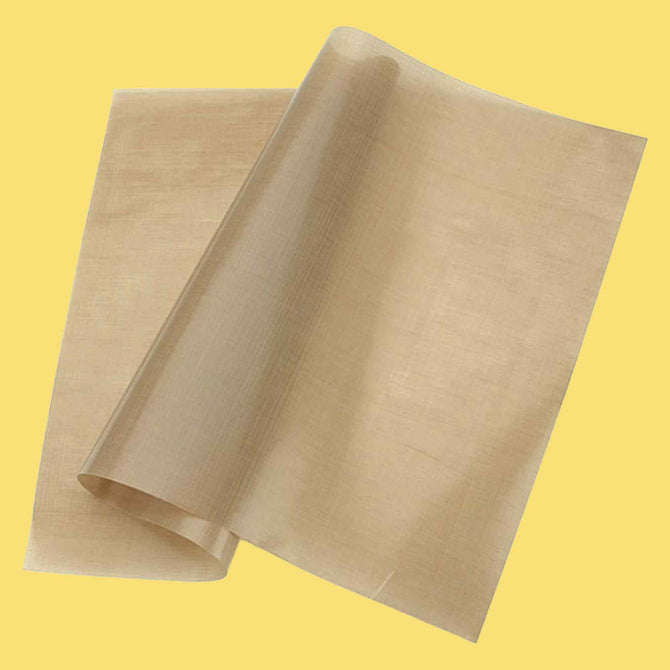
For a perfect bond every time, we recommend setting your press between 300°F and 320°F for 10 to 15 seconds. Use a Teflon sheet or parchment paper to protect the film and the garment. This ensures even heat distribution across the entire design. Don't trust your press's digital display blindly. Periodically use an infrared thermometer to verify the plate temperature. Calibration is the secret to consistency. If you're ready to stop guessing and start pressing like a pro, grab your DTF supplies from a partner who understands the technical side of the business. Secure your bond. Protect your brand.
Why Iris DTF is the Best Partner for Dallas Apparel Brands
Choosing between a dtf transfer vs iron on is only half the battle. The other half is choosing a partner who understands the high-stakes world of apparel manufacturing. Based in Richardson, we serve the entire DFW metroplex with a level of precision that generic online sellers cannot match. We bring over 10 years of pioneer experience in the US DTF printing industry to every project. We don't just sell products. We power your production line.
Our "Ready-to-Press" model is designed for the modern entrepreneur. We handle the complex digital printing, color calibration, and powder application. You simply receive a perfect transfer and press it. This allows you to focus on design and sales while we act as your behind-the-scenes engine. From small-scale custom tshirts to massive industrial orders, we scale with you. Our wholesale benefits, including DTF Gang Sheets, are engineered to lower your margins and maximize your ROI.
Richardson Local Pickup and Support
Time is a luxury you don't always have. Why risk shipping delays and damaged films from generic retailers when you can drive to Richardson? We provide a critical lifeline for businesses in Carrollton, Plano, and Frisco. If you have an urgent local project, our same-day turnaround options keep your deadline intact. You get direct access to DFW-based printing experts who can troubleshoot your files and optimize your results in real-time. It is local reliability you can trust.
- No Shipping Damage: Avoid the creases and moisture issues common with long-distance transit.
- Expert Guidance: Get technical support from people who know the Dallas market.
- Rapid Scaling: Move from concept to finished product in hours, not weeks.
The Iris DTF Quality Guarantee
We guarantee vibrant colors that match your digital files exactly. Our process uses premium adhesive powder to ensure maximum washability and a soft, retail-ready hand-feel. We eliminate the guesswork so you can ship every order with confidence. Don't let your brand suffer from the limitations of a dtf transfer vs iron on comparison that ends in failure. Experience the speed, durability, and professional finish of a pioneer in the field. Order your first custom DTF transfer from Iris DTF today.
Why settle for "good enough" when retail-quality is just a drive away? We've built our reputation on accuracy and speed. From the first pixel to the final press, we ensure your vision remains intact. It is a collaborative partnership designed for your success. Ready to work? We are.
Scale Your Brand with Professional Transfers
The choice is clear for any serious creator. If you want a brand that survives and thrives in 2026, you cannot rely on the limitations of hobbyist vinyl. The dtf transfer vs iron on debate ends the moment you see the retail-quality results of a professional press. You gain 50+ wash-cycle durability. You get vibrant, full-color accuracy. Most importantly, you get your time back. No more weeding complex designs. No more customer complaints about peeling logos. You focus on growing your business while we handle the technical precision.
Our Richardson-based facility is ready to provide the professional edge your brand needs with local DFW pickup and expert support. We remove the intimidation from the process and replace it with guaranteed satisfaction. You don't need a massive factory to produce world-class apparel. You just need the right partner. Stop fighting with your equipment and start shipping products you are proud of. It is time to move beyond the kitchen table and into the professional market.
Ready to see the difference in person? Order Custom DTF Transfers Ready to Press and experience the speed of Iris DTF. Your brand is ready for the next level. Let's build it together.
Frequently Asked Questions
Can I use a regular home iron for DTF transfers?
You shouldn't use a home iron if you want professional, retail-quality results. Home irons lack the consistent pressure and precise digital temperature control needed to fuse the TPU powder correctly. Steam holes also create cold spots that lead to immediate failure. For a bond that lasts, a dedicated heat press is the only reliable choice for your apparel brand.
Do DTF transfers last longer than iron-on vinyl (HTV)?
Yes, professional DTF transfers significantly outlast traditional iron-on vinyl. While vinyl eventually cracks or peels as the adhesive degrades over time, DTF is rated for 50 or more industrial wash cycles. The chemical bond between the ink and the fabric fibers ensures the design stays vibrant and intact. In the dtf transfer vs iron on durability test, DTF wins every time.
Which is cheaper: DTF gang sheets or iron-on vinyl?
DTF Gang Sheets are more cost-effective for multi-color designs and bulk production. While a single roll of vinyl might seem cheaper upfront, you must account for the labor hours spent weeding and the waste of unused material. DTF allows you to gang dozens of full-color logos onto one sheet. You save money on labor and maximize your profit margins on every garment.
Do I need to weed DTF transfers like I do with iron-on?
No weeding is required with DTF technology. This is a digital printing process where only the design itself is printed onto the film and backed with adhesive. You don't have to spend hours picking away excess material with a hook. This makes it the perfect solution for intricate logos, fine text, and complex patterns that are impossible to execute with traditional heat transfer vinyl.
What temperature do I need to press DTF transfers?
The standard temperature for a successful press is between 300°F and 320°F. You should press the design for 10 to 15 seconds using medium to firm pressure. Always check your specific film instructions, as some may require a hot peel or a cold peel. A quick second press for 5 seconds after peeling the film will further secure the bond and improve the hand-feel.
Can DTF transfers be applied to 100% polyester?
DTF transfers work exceptionally well on 100% polyester and synthetic blends. Because the application temperature is lower than other methods, you reduce the risk of scorching the fabric or causing dye migration. This versatility allows you to expand your brand into performance activewear, jerseys, and high-end hoodies without worrying about the design peeling or the fabric changing color during the press.
Why is my iron-on peeling but my DTF transfer isn't?
Iron-on vinyl acts like a heavy sticker that sits on top of the fabric, making it vulnerable to friction and heat. DTF uses a specialized TPU adhesive that melts into the fabric fibers to create a permanent bond. If your iron-on is peeling, it's likely due to adhesive failure or improper pressure. The dtf transfer vs iron on comparison proves that the chemical fusion of DTF is simply superior.
Where can I get custom DTF transfers in the Dallas-Fort Worth area?
Iris DTF provides professional, ready-to-press transfers from our facility in Richardson. We serve the entire Dallas-Fort Worth metroplex with local pickup options to help you avoid shipping delays. Whether you need a small batch of custom tshirts or massive gang sheets for a retail launch, our team offers the speed and precision your DFW business needs to stay ahead of the competition.