UV DTF Transfers: The Ultimate Guide to Durable Hard-Surface Branding

What Is This Article About?
Why are you still settling for vinyl decals that peel off after just a few washes? It is a common frustration. You spend time branding a curved mug or a textured power bank only to see the edges lift within a month. It is frustrating, expensive, and looks unprofessional. According to a 2025 industry survey, orders of less than 50 pieces now make up 42% of the market. This shift means you need a solution that handles small batches with speed and precision, without the massive setup fees of traditional pad printing. You need a way to brand irregular surfaces that actually lasts.
We understand that you want a "set it and forget it" branding solution. This guide reveals how uv dtf transfers provide industrial-grade durability for hard surfaces with absolutely no heat required. It is the bridge technology that gives your products a professional, raised-ink look at a fraction of the traditional cost. We will walk you through the application process for difficult shapes, explain how to meet 2026 environmental ink standards, and show you how to scale your production. Get ready to transform your hard-surface branding into a permanent, high-quality asset for your business.
Key Takeaways
- Understand why UV-curable ink and high-tack adhesive create a permanent, industrial-grade bond on glass, metal, and wood.
- Save hours of production time by eliminating the tedious weeding process required by traditional vinyl.
- Discover the "sticker on steroids" advantage of uv dtf transfers for branding curved or irregular surfaces without a heat press.
- Learn the essential "one-shot" rule for perfect positioning and the critical role of 70% isopropyl alcohol in surface preparation.
- Scale your brand efficiently by maximizing every square inch of film with custom gang sheets.
What are UV DTF Transfers? The New Standard for Hard Surfaces
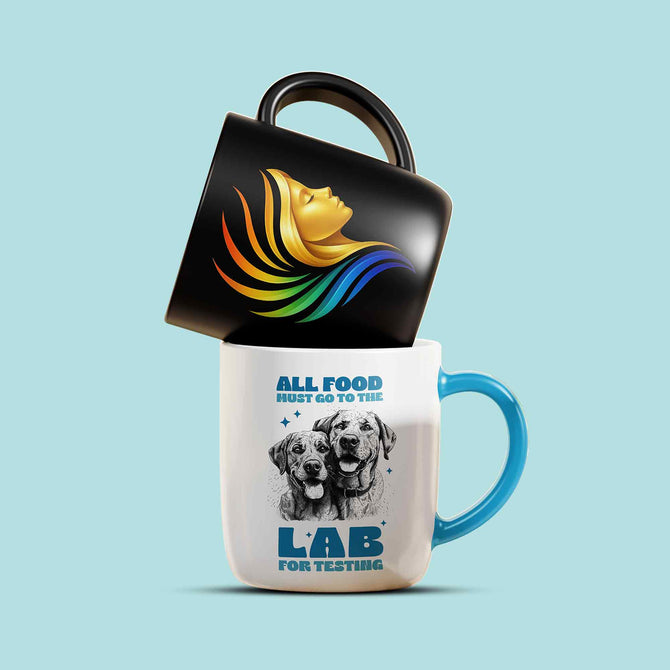
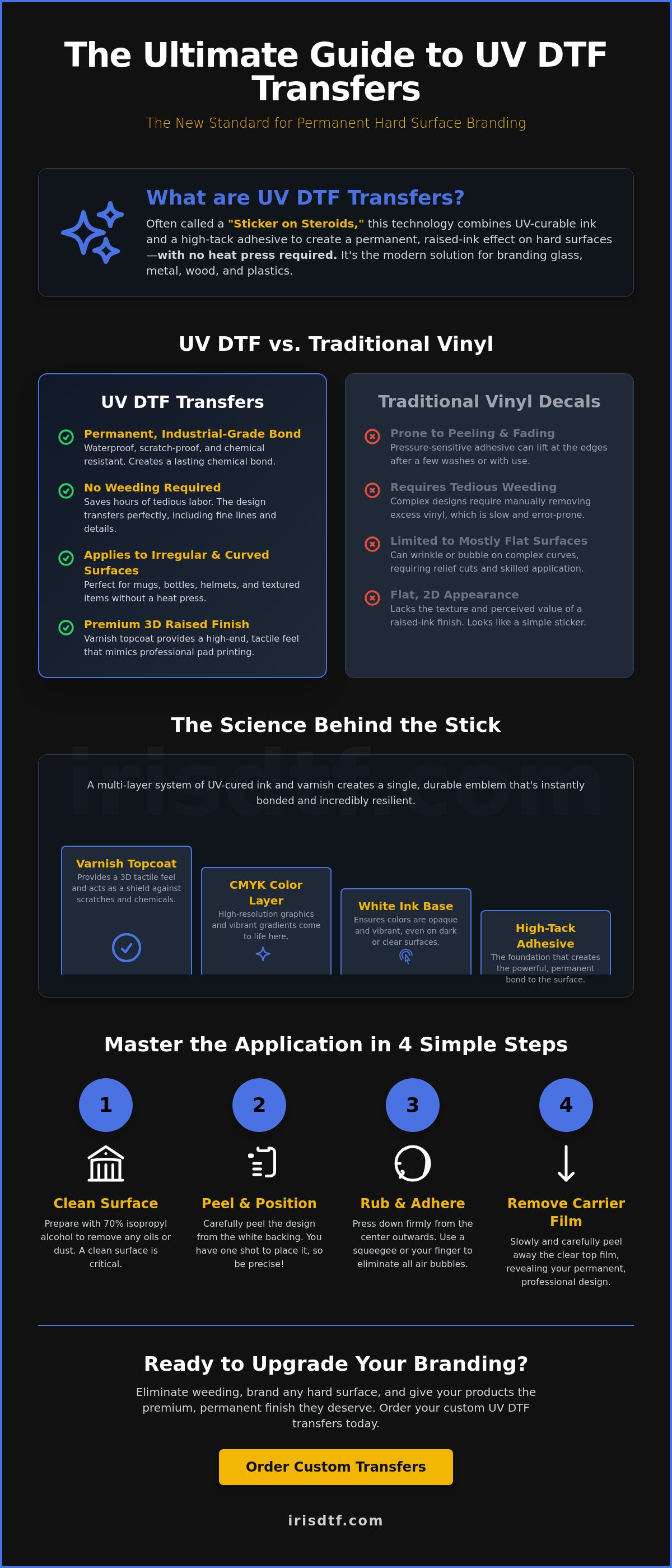
Think of uv dtf transfers as the ultimate upgrade for hard-surface branding. This technology combines UV-curable ink with a high-tack adhesive, all printed onto a specialized carrier film. While it shares its name with the textile-based Direct-to-Film (DTF) printing process, the results are engineered specifically for rigid materials rather than cotton or polyester. It is often called a "sticker on steroids" because it offers a level of durability and detail that standard vinyl simply cannot match. You get the look of high-end pad printing without the massive setup costs or complex machinery.
The process relies on two distinct components: the A film and the B film. The A film serves as the printing base where the design is laid down with CMYK colors, white ink, and a protective varnish. The B film is the transfer tape that allows you to lift the cured ink and apply it to your final product. This system is a breakthrough for branding items that cannot survive a heat press. If you're working with glass, metal, or sensitive plastics, this is your solution. It provides a permanent, scratch-resistant finish that feels premium to the touch.
The Evolution of Transfer Technology
The industry has moved rapidly from basic paper stickers to high-performance UV-cured precision. By mid-2026, UV DTF has established itself as the new industry standard for custom hard-surface goods. Unlike standard DTF, which requires heat and pressure to bond with fabric fibers, uv dtf transfers use a chemical bond and instant light curing. This evolution means you don't have to choose between the speed of a sticker and the longevity of a factory-printed logo. You get both in a single, streamlined application that handles fine lines and vibrant gradients with ease.
Why Small Businesses are Switching to UV DTF
The barrier to entry has vanished. Small businesses don't need to invest in five-figure UV printers or complex heat presses to achieve professional results. By ordering custom transfers, you can brand your inventory at your own pace. The aesthetic appeal is a major driver; the "raised ink" feel mimics expensive screen printing and adds immediate perceived value to your products. Whether you're a craft brewery labeling short-run bottles or a tech startup branding sleek laptop shells, the versatility is unmatched. It is efficient, cost-effective, and ready to work as hard as you do.
The Science Behind the Stick: How UV DTF Technology Works
Great branding isn't just about the design; it's about the bond. While traditional stickers rely on simple pressure-sensitive adhesives, uv dtf transfers utilize a sophisticated chemical reaction to ensure a permanent finish. Understanding the science of UV-curable inks reveals why these prints are so resilient. The process starts with a specialized ink that remains liquid until it hits the film. Once exposed to high-intensity light, it transforms instantly.
The secret lies in the layering. Every high-quality transfer is built from the ground up to maximize both visual impact and structural integrity. It isn't a single layer of ink. Instead, the printer lays down a precise sequence:
- The White Ink Base: This provides the necessary opacity, ensuring colors pop even on dark or transparent surfaces.
- The CMYK Color Layer: This is where your high-resolution graphics and vibrant gradients come to life.
- The Varnish Topcoat: This final layer seals the ink and provides the signature 3D tactile feel.
This layering system creates a print that is significantly thicker than standard vinyl. Because the ink is cured instantly, it doesn't "gas out" or shrink over time. This leads to exceptional durability. These transfers are waterproof, scratch-proof, and highly resistant to UV fading, making them ideal for items that face daily wear. If you want to see this durability in action, our UV DTF stickers are engineered to withstand the toughest conditions without losing their luster.
The Role of the Varnish Topcoat
The varnish is more than just a shiny finish. It adds a 3D tactile dimension to the print that catches the light and feels premium to the touch. Beyond aesthetics, it acts as a literal shield. It protects the underlying color from skin oils, harsh cleaning chemicals, and abrasive contact. Most industrial applications opt for a high-gloss finish to maximize clarity, though matte options are available for a more subtle, sophisticated look.
The Dual-Film System
Success depends on the relationship between the A film and the B film. The A film is the printing base that holds the adhesive and the ink layers in perfect alignment. Precision registration during the printing phase is critical; even a microscopic shift can ruin the clean edges of a transfer. Once printed, the B film (or transfer tape) is laminated over the top. UV curing is a photochemical process where ultraviolet light, typically at a wavelength of 395nm, instantly polymerizes the ink into a solid, durable film. This instant hardening ensures that your design stays exactly where it was intended, ready for a flawless application.
UV DTF vs. Traditional Vinyl: Why Pros are Making the Switch
Standard adhesive vinyl has been the reliable workhorse of the branding world for decades. However, professionals are quickly realizing that traditional methods have reached their physical limits. If you have ever spent an afternoon picking tiny pieces of waste out of a complex logo, you know the struggle. uv dtf transfers eliminate these bottlenecks by removing the mechanical constraints of a cutting blade. You are no longer limited by what a plotter can cut; you are only limited by what you can design.
The differences become clear when you look at the fine details. Vinyl cutters rely on a physical blade that has a minimum turn radius. This makes tiny text and thin lines prone to lifting or tearing. In contrast, UV DTF is a digital process that captures every pixel. It handles lines as thin as 0.025 inches with absolute precision. You can deliver full-color gradients, photographic details, and complex shading that would require five or six layers of stacked vinyl to even attempt. It is a cleaner, faster, and more sophisticated way to work.
The End of Weeding Stress
For businesses operating in Dallas, Plano, or Richardson, labor is often the highest overhead cost. Weeding complex vinyl designs is a slow, manual process that drains your profit margins. When you switch to uv dtf transfers, you reclaim that time. There is no weeding required. Because the adhesive is only present where the ink is printed, the design transfers cleanly every time. This ensures total consistency across 100 or even 1,000 units. Your first piece will look exactly like your last, with no human error in the middle of the production run.
Durability in Real-World Conditions
The bond created by UV-cured ink is fundamentally different from the sticky backing on a standard sticker. The Science Behind UV Ink Adhesion shows that these cured polymers create a robust, stable connection to non-porous surfaces. This makes them ideal for high-touch items like phone cases or tool handles that face constant friction. They offer superior UV stability, meaning your colors won't wash out after a few weeks of sun exposure.
Chemical resistance is another major win for this technology. While standard vinyl might curl when exposed to isopropyl alcohol or harsh household cleaners, UV DTF stays put. It is built to survive the real world. While we always recommend hand-washing to maximize the lifespan of branded drinkware, these transfers are resilient enough to handle the occasional dishwasher cycle without peeling. They don't just look better; they last longer.
Master the Application: How to Apply UV DTF Stickers to Any Surface
Applying uv dtf transfers is a straightforward manual process, but it rewards the patient and the precise. Because these transfers don't require a heat press, you can brand items right at your desk or in a warehouse setting. However, the bond is instant. You don't get a second chance to reposition the design once the adhesive touches the surface. This "one-shot" reality means your preparation must be flawless to achieve an industrial-grade finish.
Success starts with a clean slate. You must use 70% Isopropyl alcohol to wipe down the target area. This removes skin oils, dust, and manufacturing residues that prevent the adhesive from grabbing hold. Thoroughly de-greasing the application surface is the #1 factor in ensuring your transfer stays permanent for the long haul. Once the surface is dry and free of lint, you're ready to proceed.
Follow these steps for a perfect application every time:
- Position with Care: Use a steady hand. Hover the transfer over the item to check your alignment before making any contact.
- Apply Firm Pressure: Use a hard-edge squeegee. Start from the center of the design and move outward toward the edges. This action forces out trapped air and ensures 100% adhesive contact across the entire graphic.
- The Slow Peel: This is the most critical phase. Peel the carrier film back at a sharp, 180-degree angle. Move slowly. If you see a fine line or a small dot lifting, stop immediately. Lay the film back down, apply more pressure with your squeegee, and try again.
Surface-Specific Tips
Glass and ceramics are high-energy surfaces that create a powerful "snap" when the adhesive touches. Work slowly to avoid trapping large bubbles that are hard to squeegee out later. For powder-coated metals, the texture can be a challenge. You'll need to apply significantly more pressure to force the adhesive into the microscopic valleys of the coating. When working with plastics and acrylics, static electricity can attract dust at the last second. Keep your workspace clean and use a lint-free cloth for the final wipe to ensure a smooth finish.
Common Mistakes to Avoid
Temperature matters more than most people realize. Avoid applying transfers to cold surfaces; the adhesive needs a "sweet spot" of at least 60°F to flow and bond correctly. Rushing the peel is the fastest way to ruin a high-detail logo. Patience prevents ruined transfers and wasted inventory. If you're ready to upgrade your branding game, you can order high-quality UV DTF stickers that are designed for easy, professional application on almost any hard surface.
Scaling Your Brand with Custom UV DTF Gang Sheets from Iris DTF
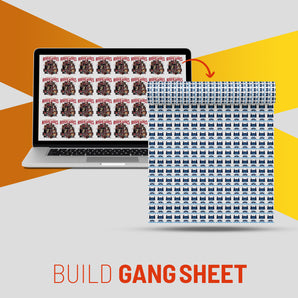
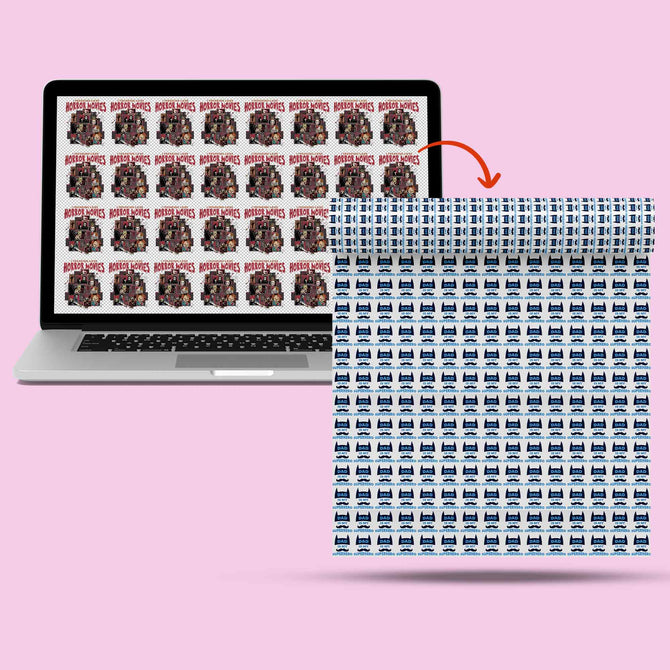
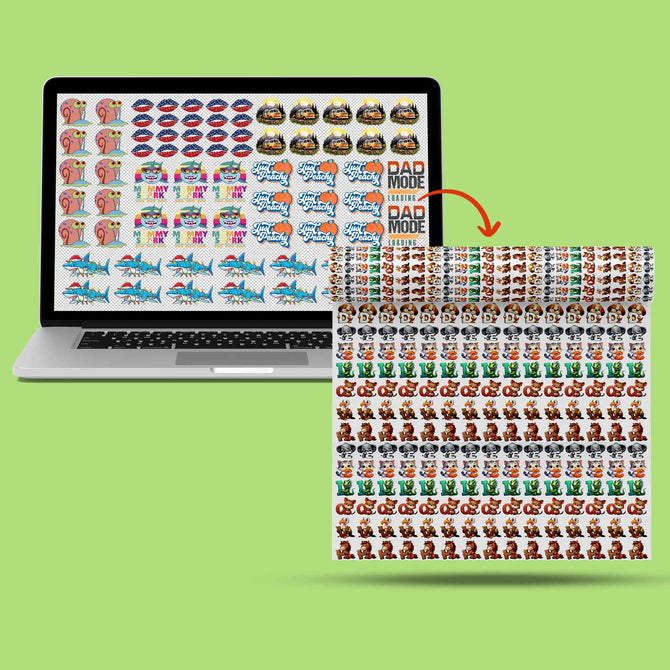
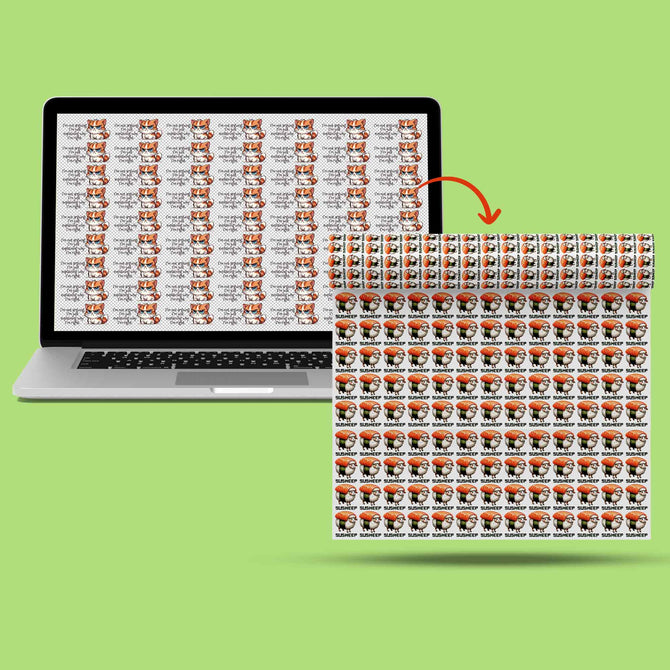
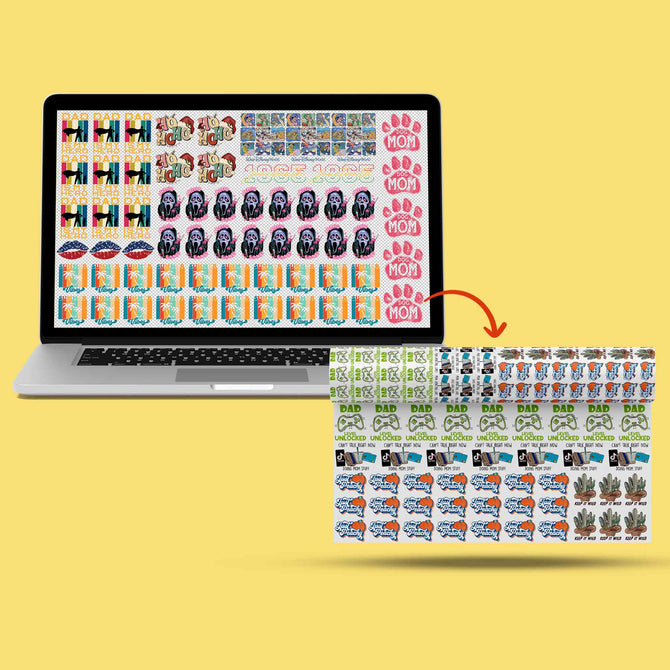
Scaling a business requires extreme efficiency. When you're ready to move beyond single-item branding, a UV DTF gang sheet is your most powerful tool. A gang sheet allows you to group multiple designs, logos, and sizes onto a single roll of transfer film. You maximize every square inch of space. This reduces waste and drives down your cost per unit. For businesses managing uv dtf transfers at scale, this is the industry standard for high-volume production without the high-volume headache.
Iris DTF brings 10 years of expertise to the table. We are a US-based powerhouse that understands the urgency of modern commerce. While overseas suppliers often leave you waiting for weeks, our local production ensures your orders move at the speed of your business. We handle the technical heavy lifting so you can focus on growth. You get industrial-grade quality with the personalized service of a domestic partner. It's a reliable, professional solution for brands that can't afford to wait.
Creating Your Perfect Gang Sheet
Precision starts with your file. To ensure the sharpest results, your artwork must be a minimum of 300 DPI. Use high-resolution PNGs with transparent backgrounds for every element on the sheet. Color accuracy is non-negotiable for brand consistency. We recommend using a CMYK color profile to prevent unexpected shifts during the printing process. Remember the 0.025-inch rule; ensure your finest lines meet this threshold for a clean, durable transfer. Proper spacing between designs is also essential. Leave enough room to cut each graphic easily without nicking the edges of adjacent prints. This small detail saves significant time during the application phase.
The Local DFW Connection
We are proud to serve the entire Dallas-Fort Worth metroplex. From Richardson to Fort Worth, we provide local businesses with a reliable, high-capacity supply chain. You don't have to worry about international shipping delays or customs hold-ups. We offer fast shipping across the region and local pickup options for those who need their uv dtf transfers immediately. Choosing a local provider supports the regional economy and ensures you have a partner you can actually reach on the phone. It is about trust, stability, and speed. Ready to brand your hard goods? Order your custom UV DTF gang sheets here!
Ready to Future-Proof Your Branding?
The days of settling for peeling decals and messy weeding are over. You now have a "set it and forget it" solution that delivers industrial-grade durability without the need for a heat press. By utilizing uv dtf transfers, you can capture intricate details and vibrant colors on everything from glass to powder-coated metal. It's the most efficient way to achieve a premium, raised-ink look that stands up to daily wear and tear.
Iris DTF brings over 10 years of US-based printing expertise directly to your doorstep. From our facility in Richardson, Texas, we serve the entire DFW metroplex with a focus on speed and professional reliability. Our industrial-grade UV curing ensures your designs remain scratch-resistant and vibrant for the long haul. Why wait for overseas shipping when you can partner with a local powerhouse? Order Custom UV DTF Stickers and Gang Sheets Today and take your product presentation to the next level. Your brand deserves a finish that lasts.
Frequently Asked Questions
Are UV DTF transfers dishwasher safe?
UV DTF transfers are generally dishwasher safe, but hand-washing is highly recommended to maximize the life of the design. High-heat cycles and harsh detergents can eventually degrade the protective varnish topcoat. For promotional items and retail gifts, gentle care ensures the professional, raised-ink look stays perfect for years. It is a durable solution that handles daily use with ease.
Do I need a heat press to apply UV DTF stickers?
No heat press is required for the application of these transfers. This is a cold-transfer process that relies on a high-tack adhesive and manual pressure. You simply position the sticker, use a squeegee to ensure full contact, and peel away the carrier film. It is a streamlined, ready-to-work solution for branding items that cannot handle high temperatures.
What surfaces do UV DTF transfers work best on?
These transfers work best on hard, smooth, and non-porous surfaces. This includes glass, ceramic, metal, finished wood, and various plastics like acrylic or polycarbonate. They are the ideal choice for branding curved or irregular items like water bottles and electronics. Make sure the surface is properly de-greased with 70% isopropyl alcohol before you begin the application process.
How long do UV DTF transfers last outdoors?
uv dtf transfers are engineered for high UV resistance and typically last for years in outdoor conditions. The specialized inks are instantly cured under ultraviolet light, making them resistant to fading and water damage. While environmental factors like extreme heat or direct sun exposure vary, the industrial-grade finish provides a much higher level of durability than standard outdoor vinyl.
Can I apply UV DTF transfers to fabric or apparel?
No, UV DTF is not designed for use on fabrics or apparel. The ink and adhesive are formulated specifically for rigid materials and do not have the flexibility required for textiles. For t-shirts, hoodies, or hats, you should use our custom DTF transfers. Those are built to bond with fibers and withstand the stretch and wash cycles of clothing.
What is the difference between a regular sticker and a UV DTF transfer?
The primary difference is the lack of a background film and the professional, raised-ink texture. Regular stickers are printed on a vinyl sheet with a visible border. A uv dtf transfers leaves only the ink on the surface, giving the appearance of direct-to-object printing. You get a cleaner, high-end look with significantly better resistance to scratches and chemicals.
How do I prepare my artwork for UV DTF printing?
Your artwork should be submitted as a high-resolution PNG with a transparent background at 300 DPI. Use the CMYK color profile to ensure your brand colors remain accurate during the printing process. Keep your finest lines at a minimum thickness of 0.025 inches. This ensures the adhesive has enough surface area to create a permanent, industrial-strength bond upon application.
Can I remove a UV DTF transfer once it is applied?
These transfers are considered permanent once they have fully bonded to the surface. While they won't peel off on their own, you can remove them by carefully scraping the ink with a plastic razor blade. Some users also use a heat gun to soften the adhesive. Be cautious, as the removal process may leave residue or damage sensitive finishes on the underlying item.